
Cookbook · 35 recipes
Drinks, Sauces & Sides
The supporting cast that pulls every meal together.
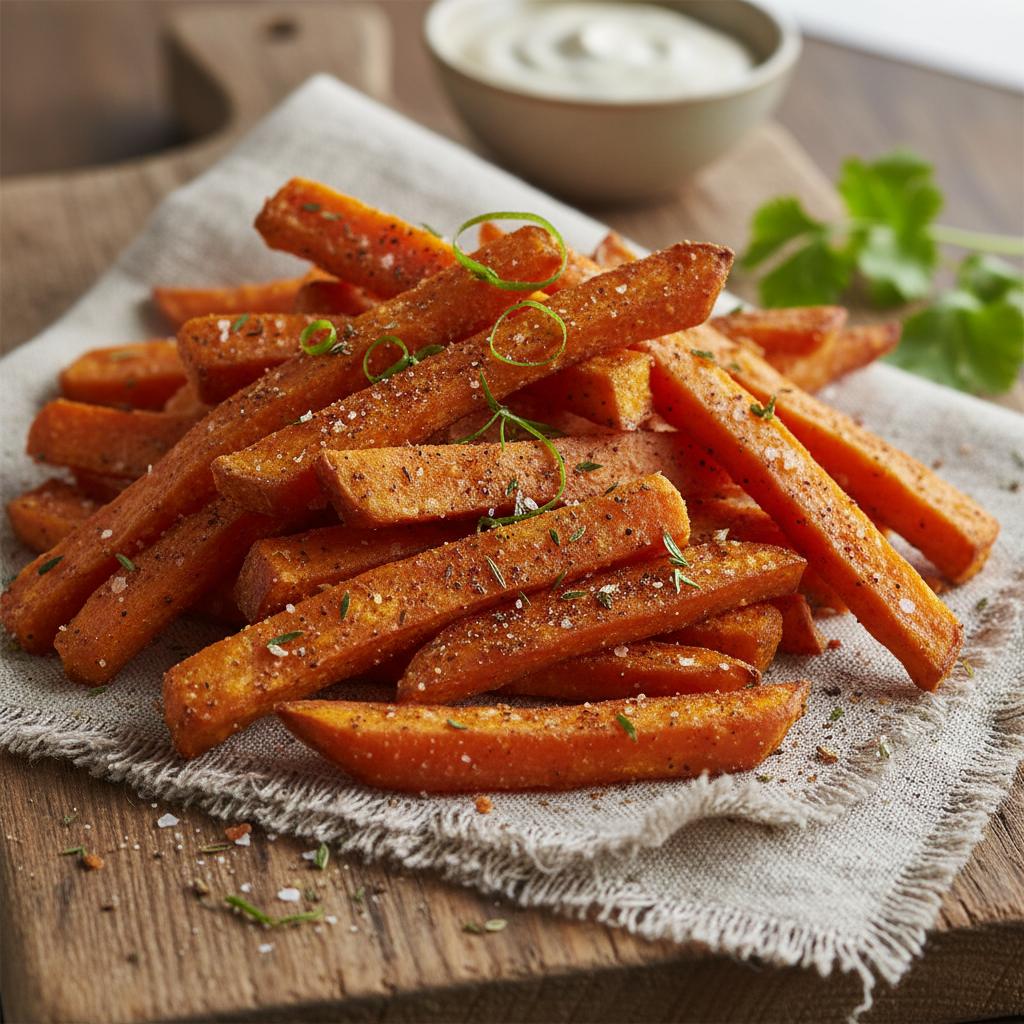
Air Fryer Sweet Potato Fries
Soaking the cut sweet potato fries in cold water for 20 minutes before cooking is what draws out surface starch, giving a noticeably crispier exterior instead of the soft, slightly gummy texture unsoaked fries develop.
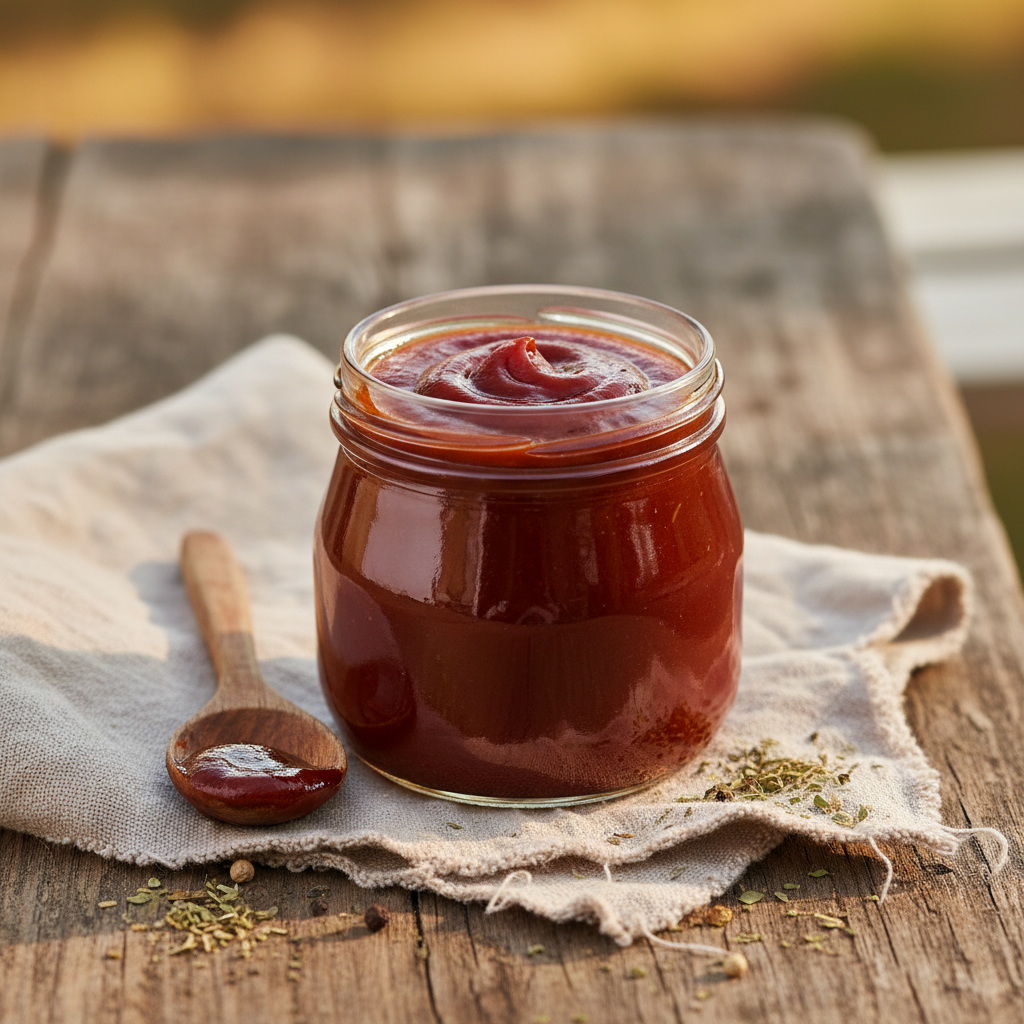
BBQ Sauce (Sugar-Free)
Simmering the sauce low and slow for a full 20 minutes, uncovered, is what reduces and concentrates its flavor into a thick, sticky glaze instead of leaving it thin and watery.
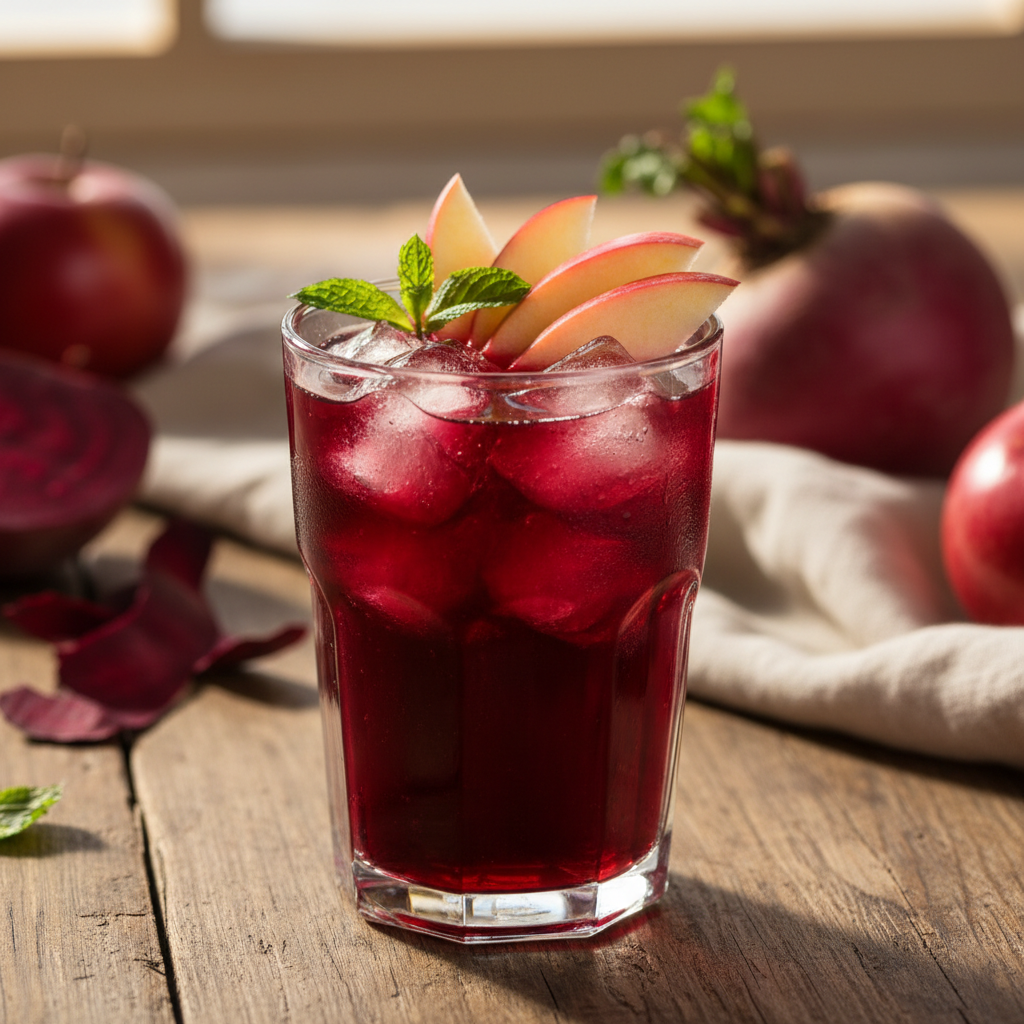
Beet Apple Juice
Wearing gloves or using an old cutting board while prepping raw beets is a practical habit here, since their pigment stains hands and porous surfaces almost instantly and doesn't wash out easily.
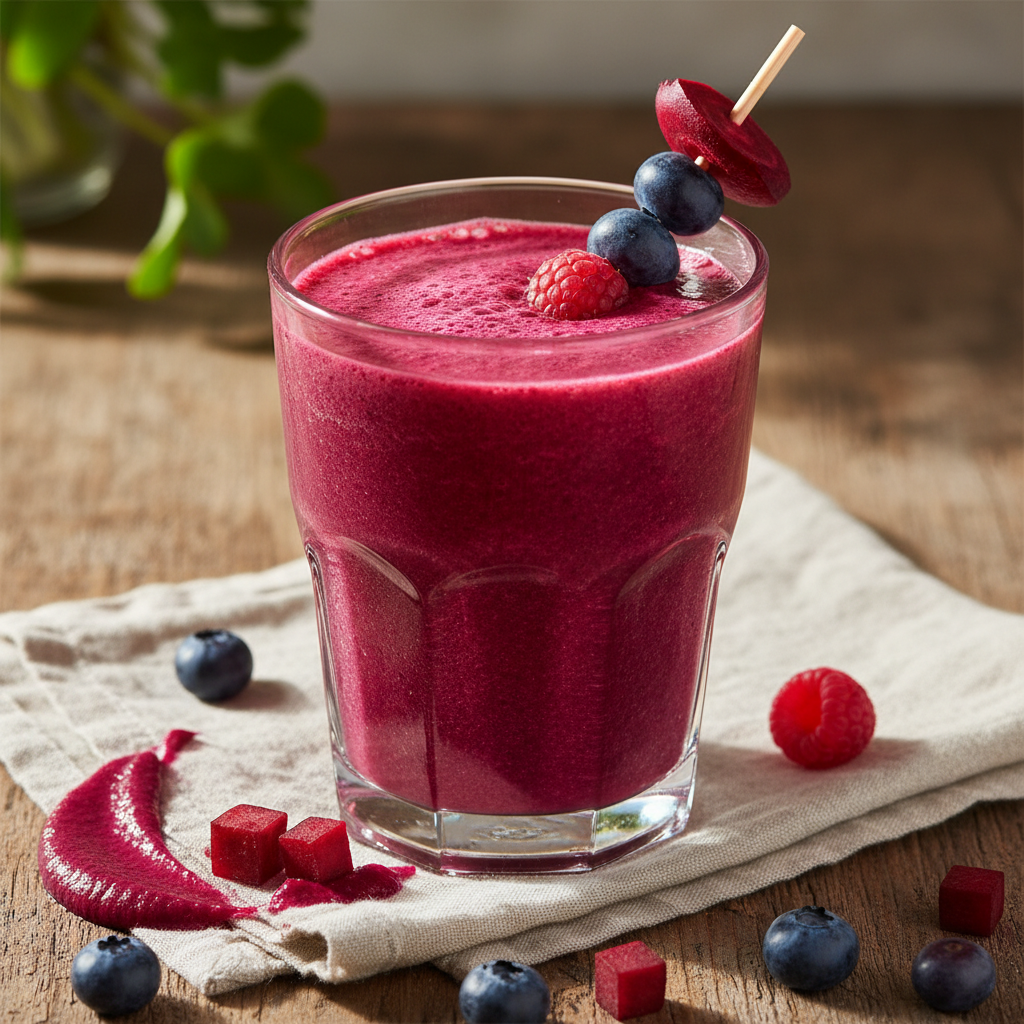
Berry Beet Smoothie
Scrubbing the raw beet clean rather than peeling it is what keeps its thin, nutrient-rich skin intact for blending, since a high-speed blender breaks it down completely anyway.
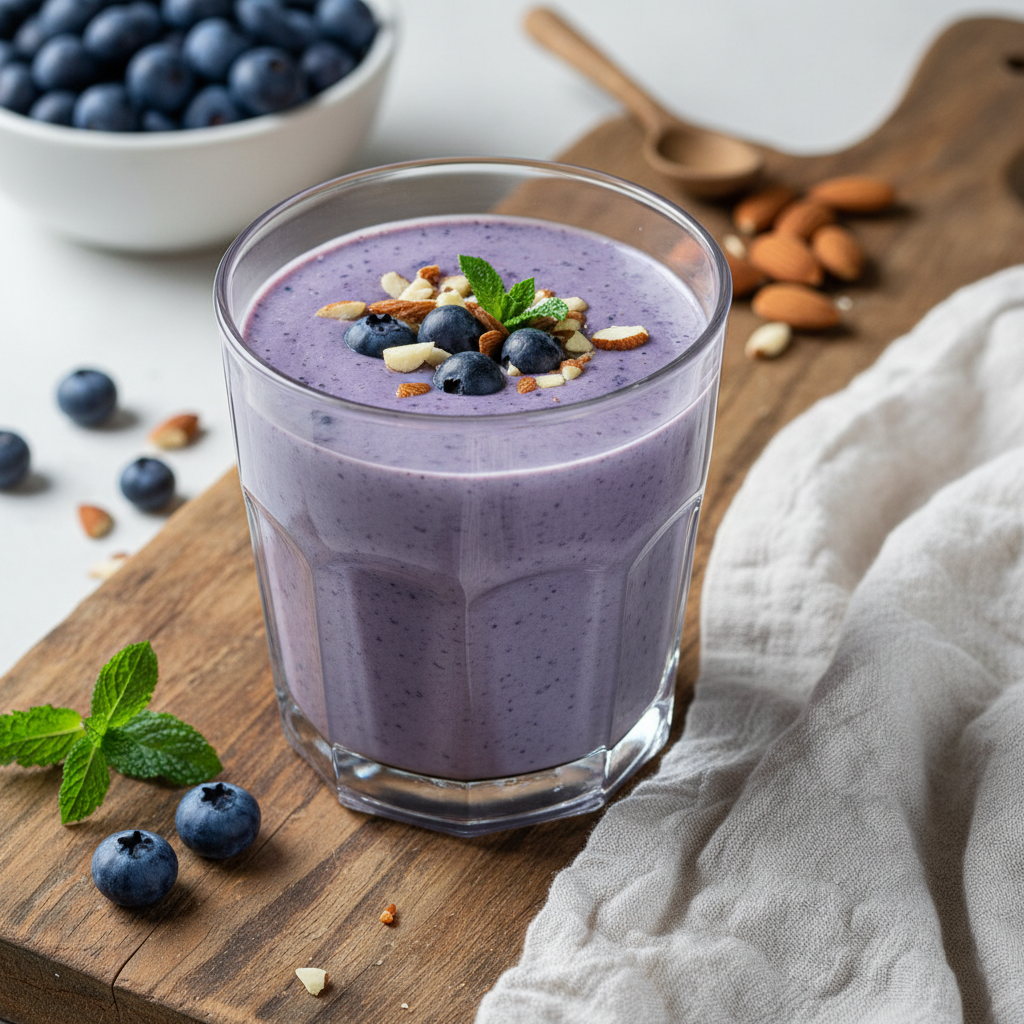
Blueberry Almond Smoothie
Soaking raw almonds in hot water for 15 minutes before blending softens them enough to break down completely, giving a smooth, creamy texture even without a high-powered blender.
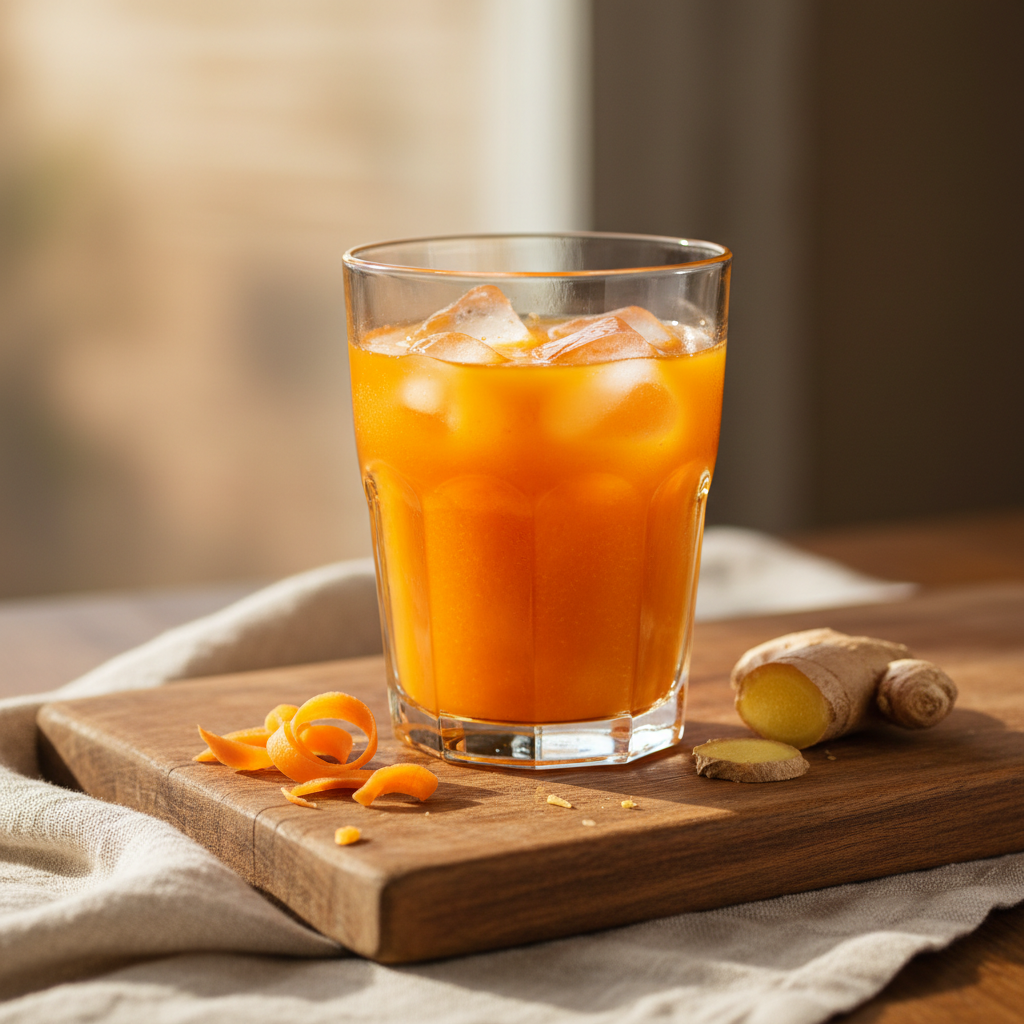
Carrot Ginger Juice
Peeling the ginger with the edge of a spoon rather than a vegetable peeler is what removes just the thin, papery skin without scraping away and wasting the flavorful flesh just beneath it.
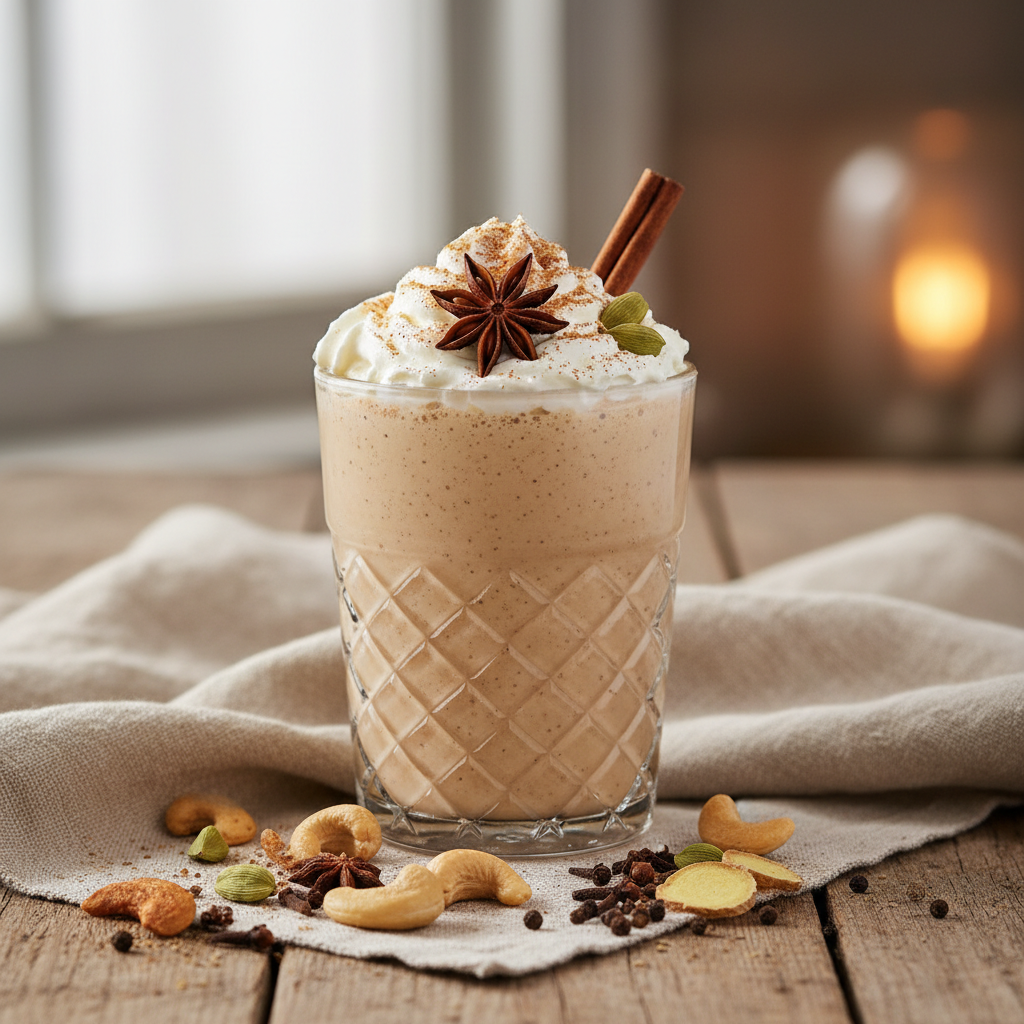
Cashew Vanilla Chai Smoothie
Soaking raw cashews for at least 4 hours, or overnight, is what softens them enough to blend into a silky, dairy-free creaminess without a hint of graininess.
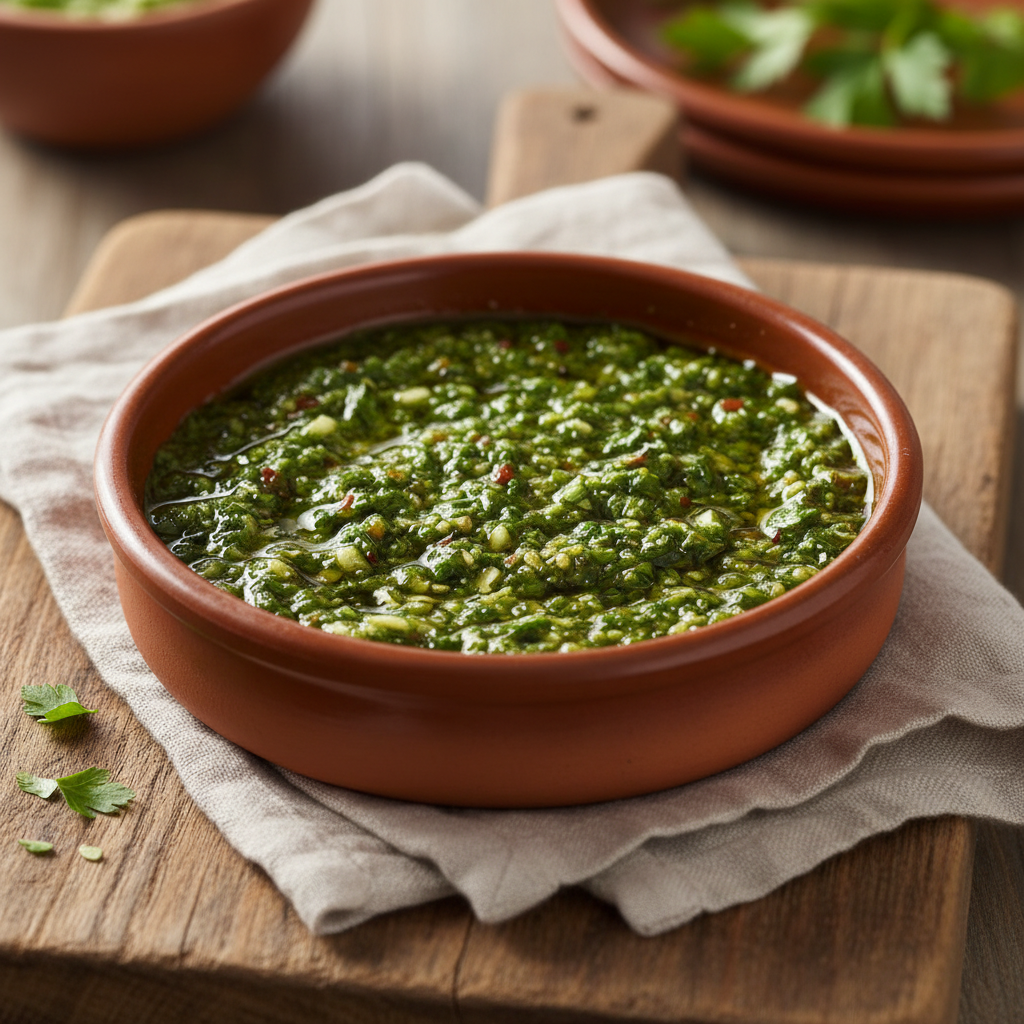
Chimichurri Sauce
Finely chopping the herbs by hand with a knife, rather than pulsing them in a food processor, is what keeps their texture bright and distinct instead of turning them into a mushy, overly smooth paste.
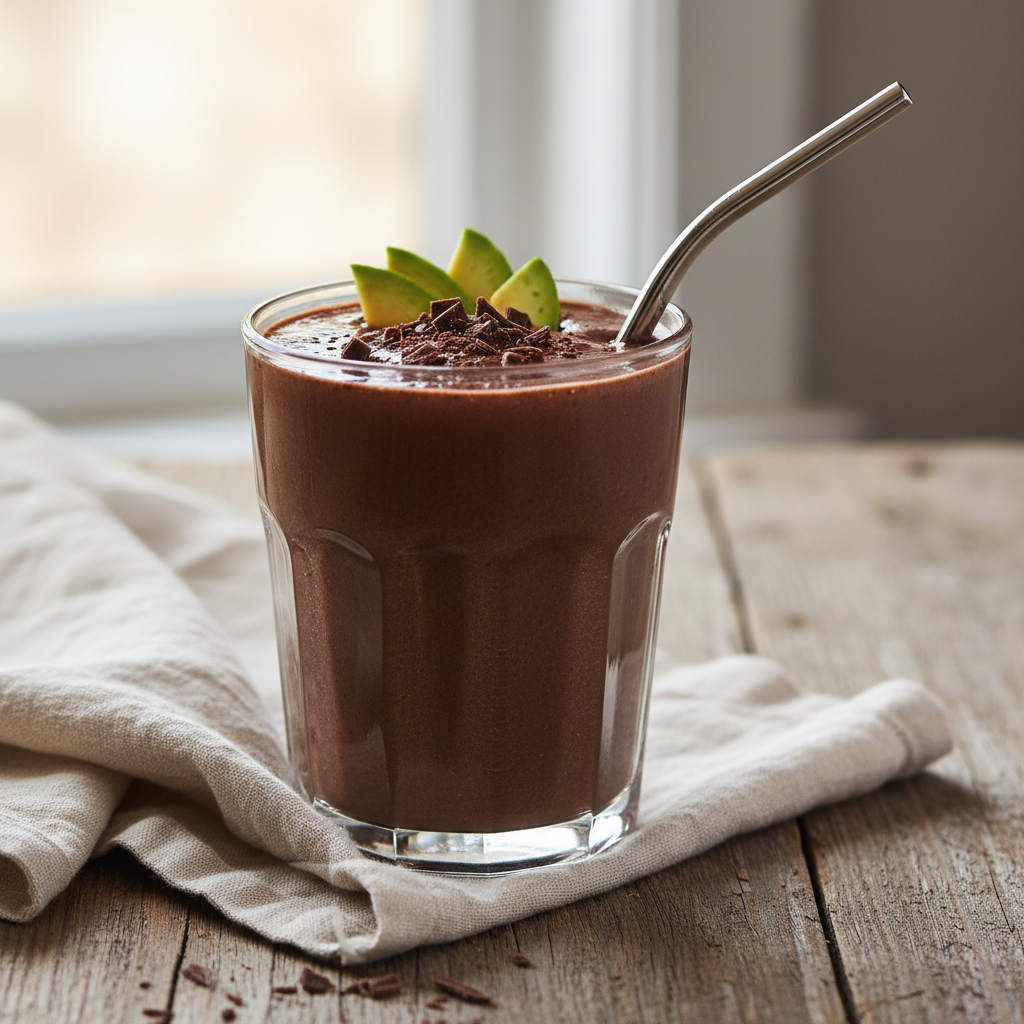
Chocolate Avocado Smoothie
Using a ripe avocado in place of ice cream or heavy cream is what gives this smoothie its thick, velvety texture, since avocado's fat content mimics richness without any dairy at all.
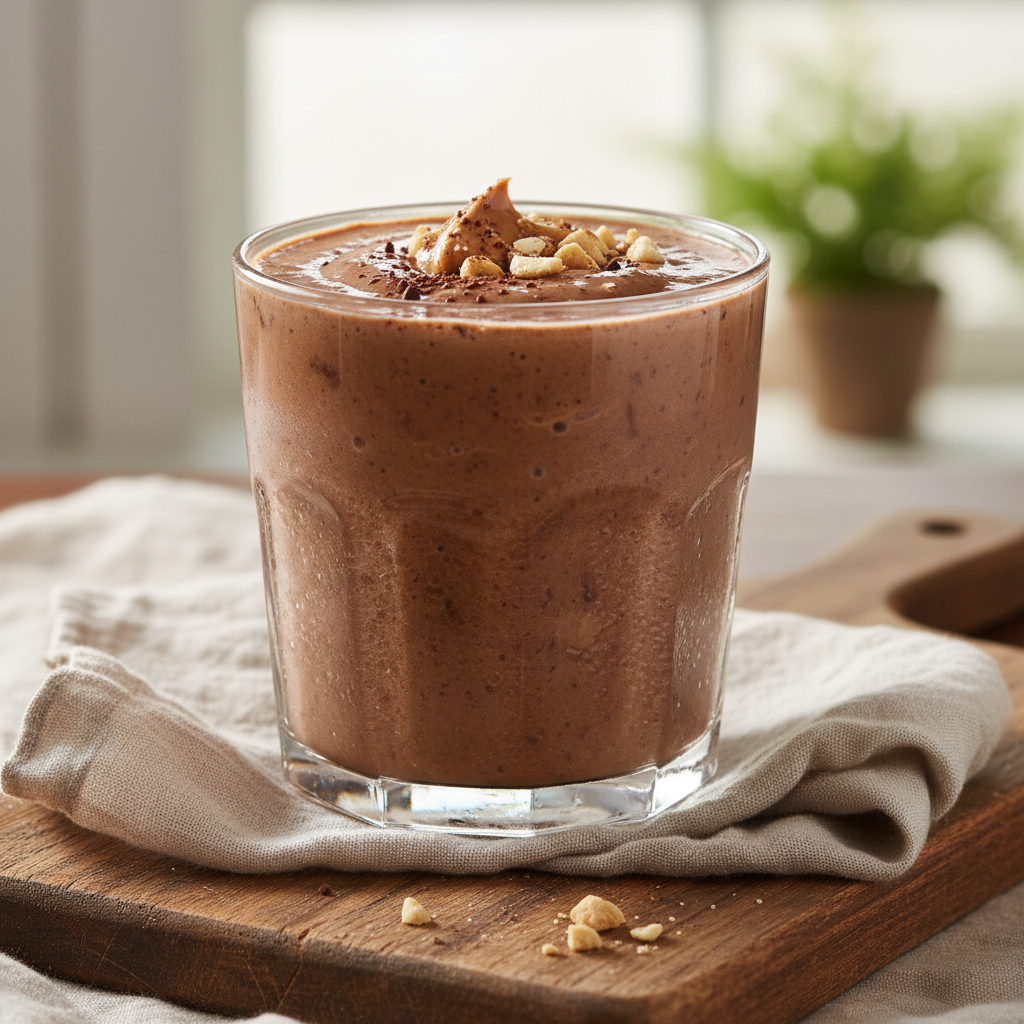
Chocolate Peanut Butter Protein Smoothie
Freezing the banana in advance rather than using ice cubes is what keeps this smoothie thick and creamy, since ice cubes dilute the flavor as they melt while frozen fruit only adds body.
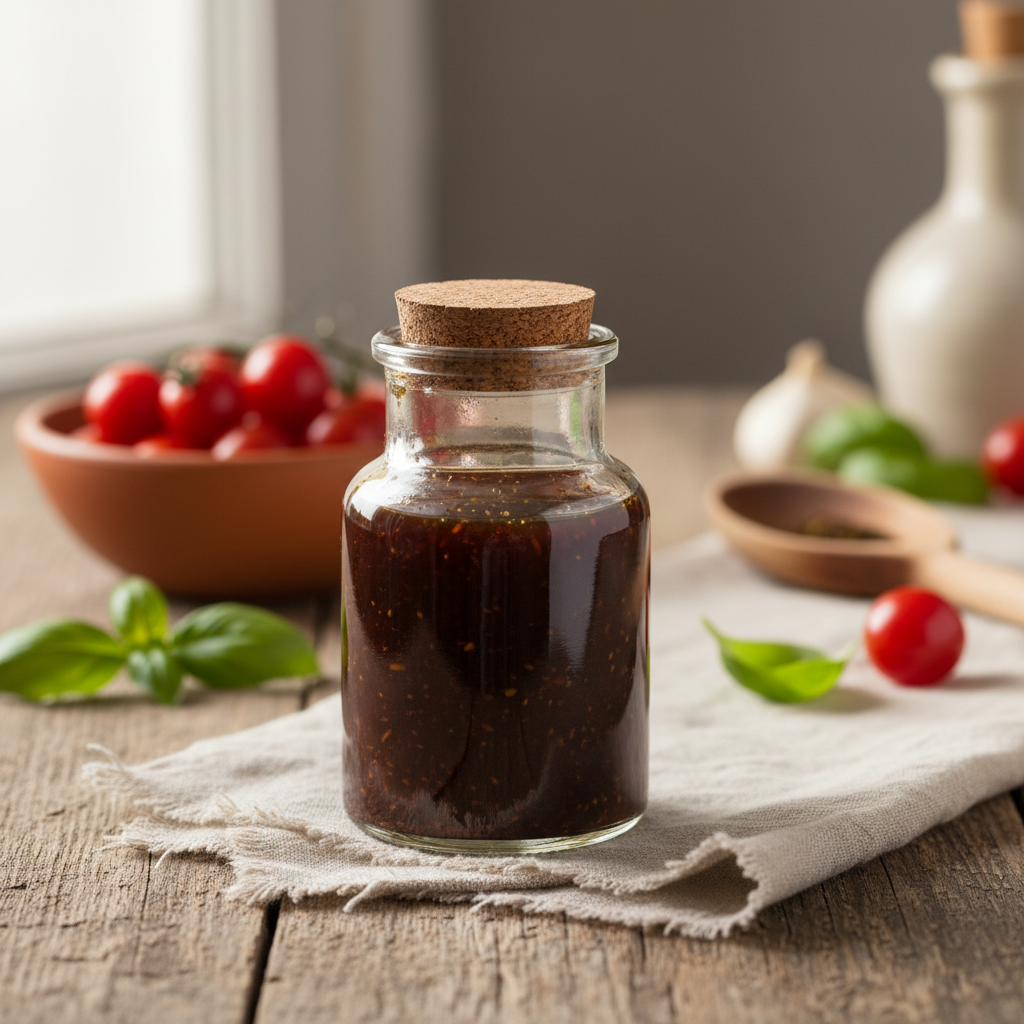
Classic Balsamic Vinaigrette
Whisking in the olive oil in a slow, thin stream while constantly whisking, rather than dumping it in all at once, is what forces the oil into tiny droplets that stay suspended in the vinegar instead of separating back out.
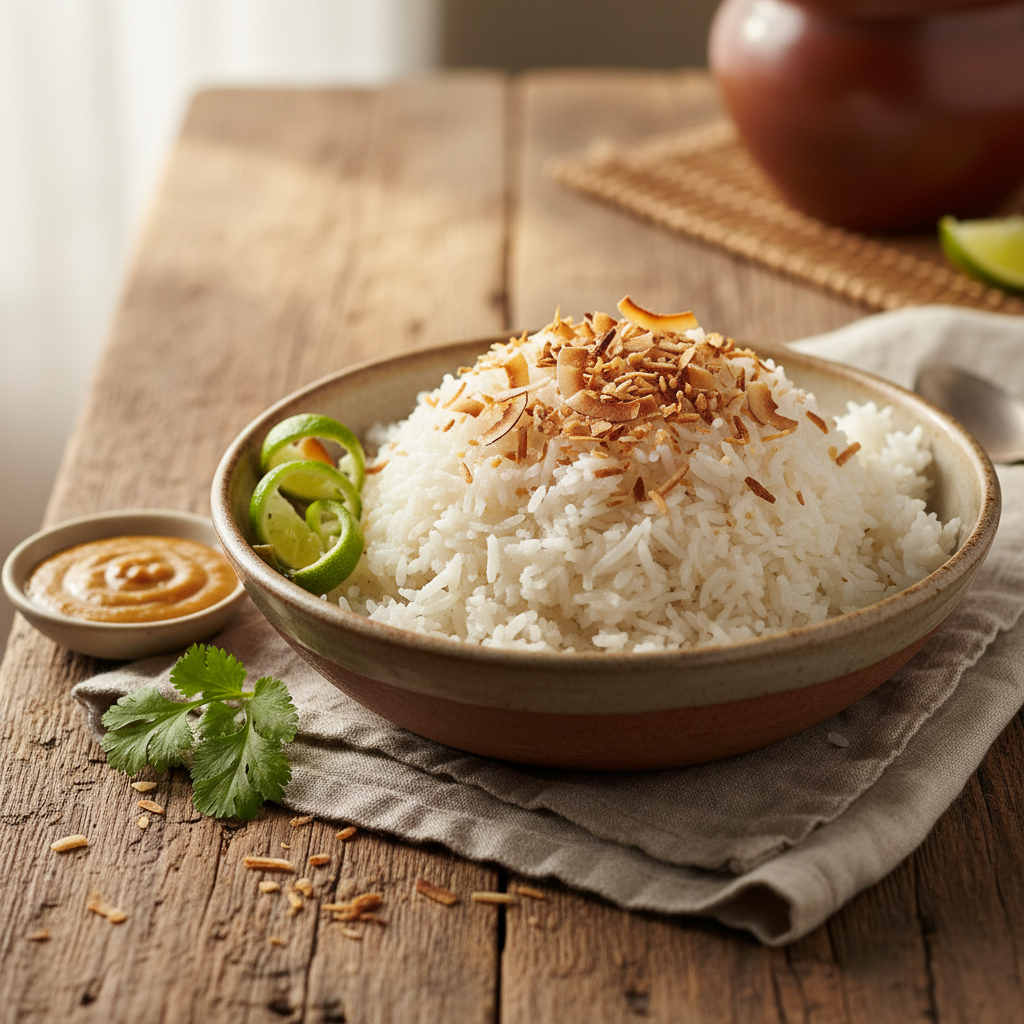
Coconut Rice
Toasting the dry rice grains in the pot for a minute before adding any liquid is what coats each grain in fat first, giving a nuttier flavor and keeping the grains distinct instead of clumping into a sticky, mushy mass.
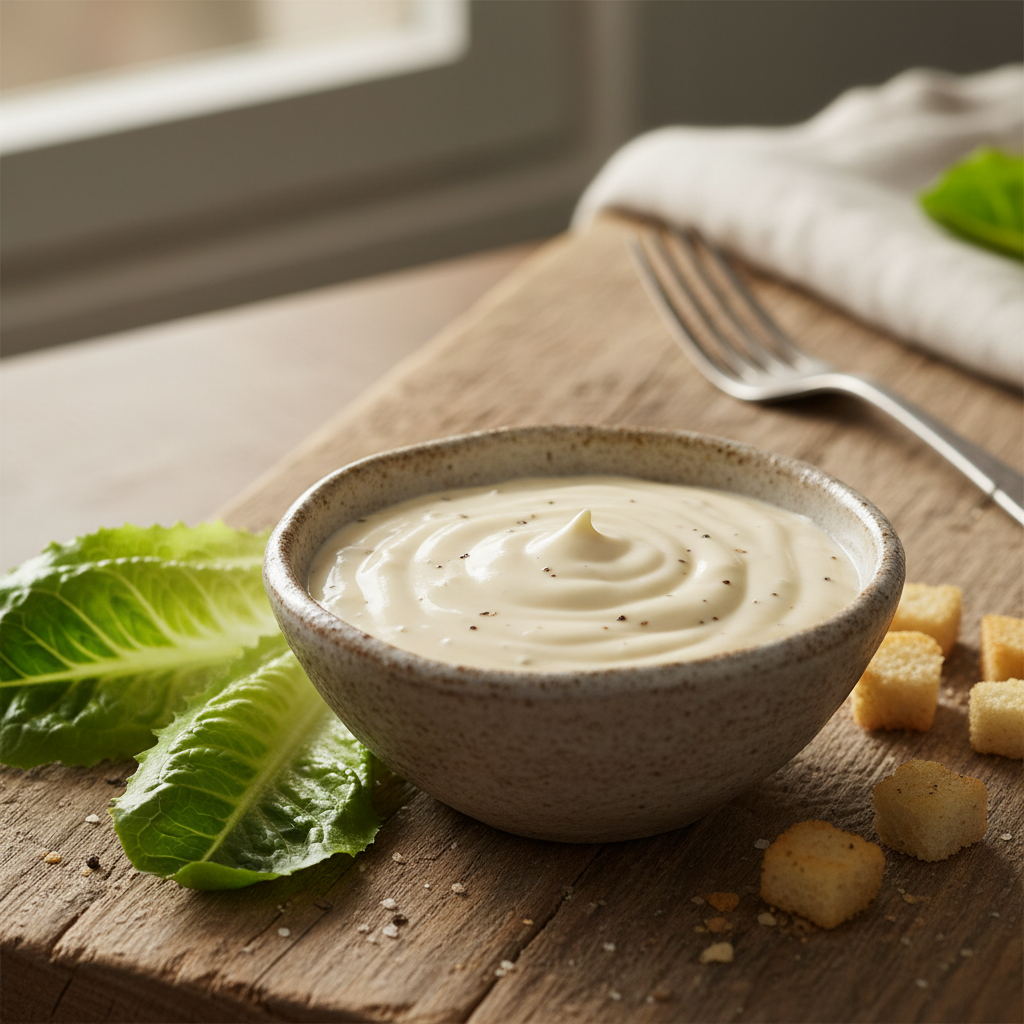
Creamy Caesar Dressing (Dairy-Free)
Mashing the raw garlic into a paste with the flat side of a knife and a pinch of salt, rather than mincing it, is what distributes its flavor evenly through the dressing instead of leaving sharp, overpowering bites of garlic.
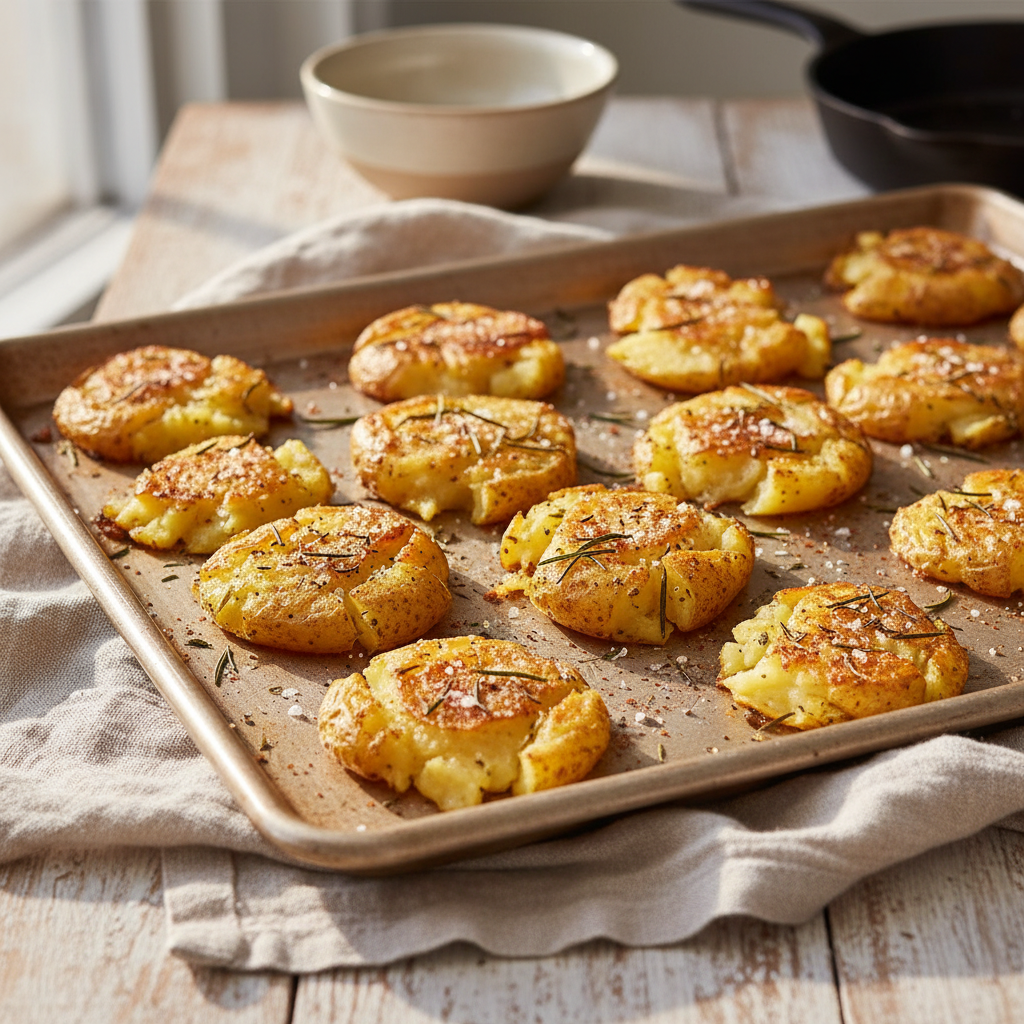
Crispy Smashed Potatoes
Smashing the boiled potatoes flat before roasting is what dramatically increases their surface area, giving far more crispy, craggy edges per potato than roasting them whole ever could.
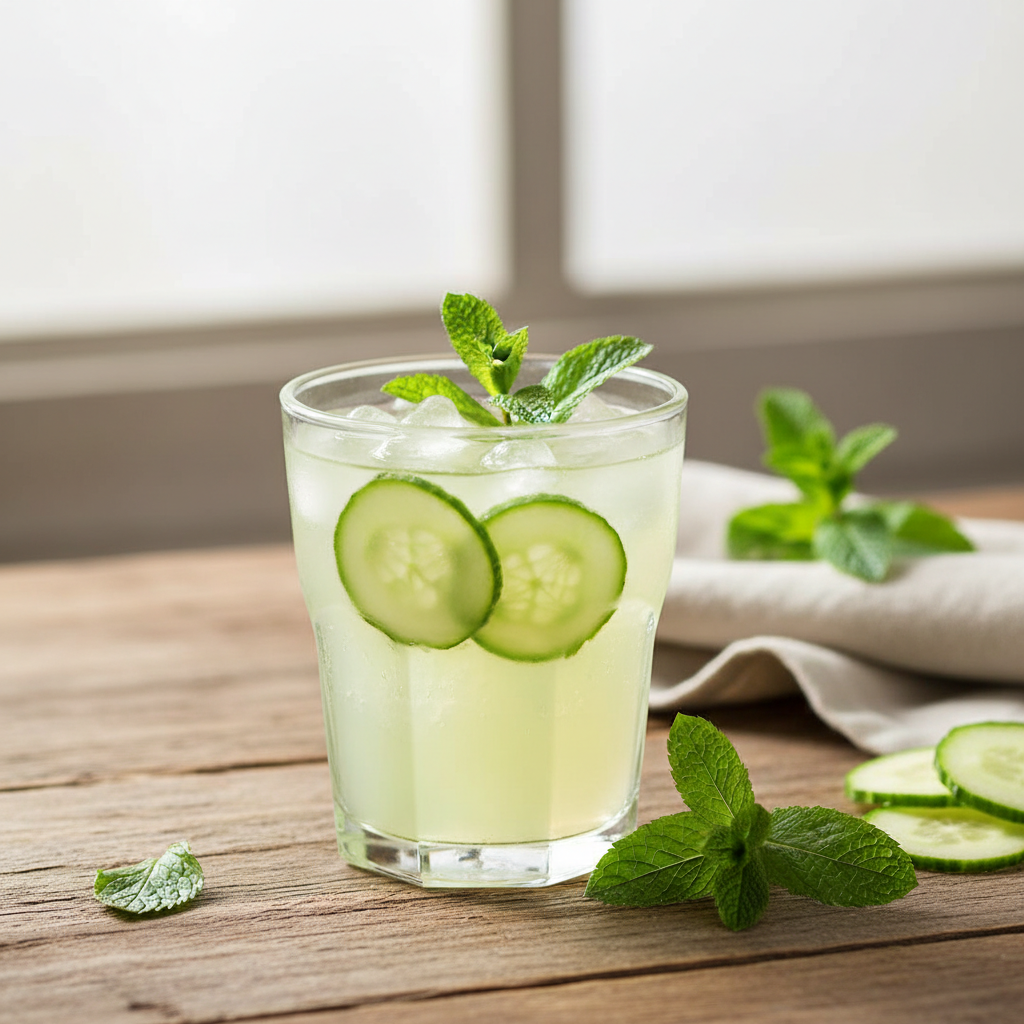
Cucumber Mint Green Juice
Muddling the mint leaves lightly before juicing is what releases their essential oils into the juice, giving a far more pronounced mint flavor than leaves that go through the juicer whole and mostly intact.
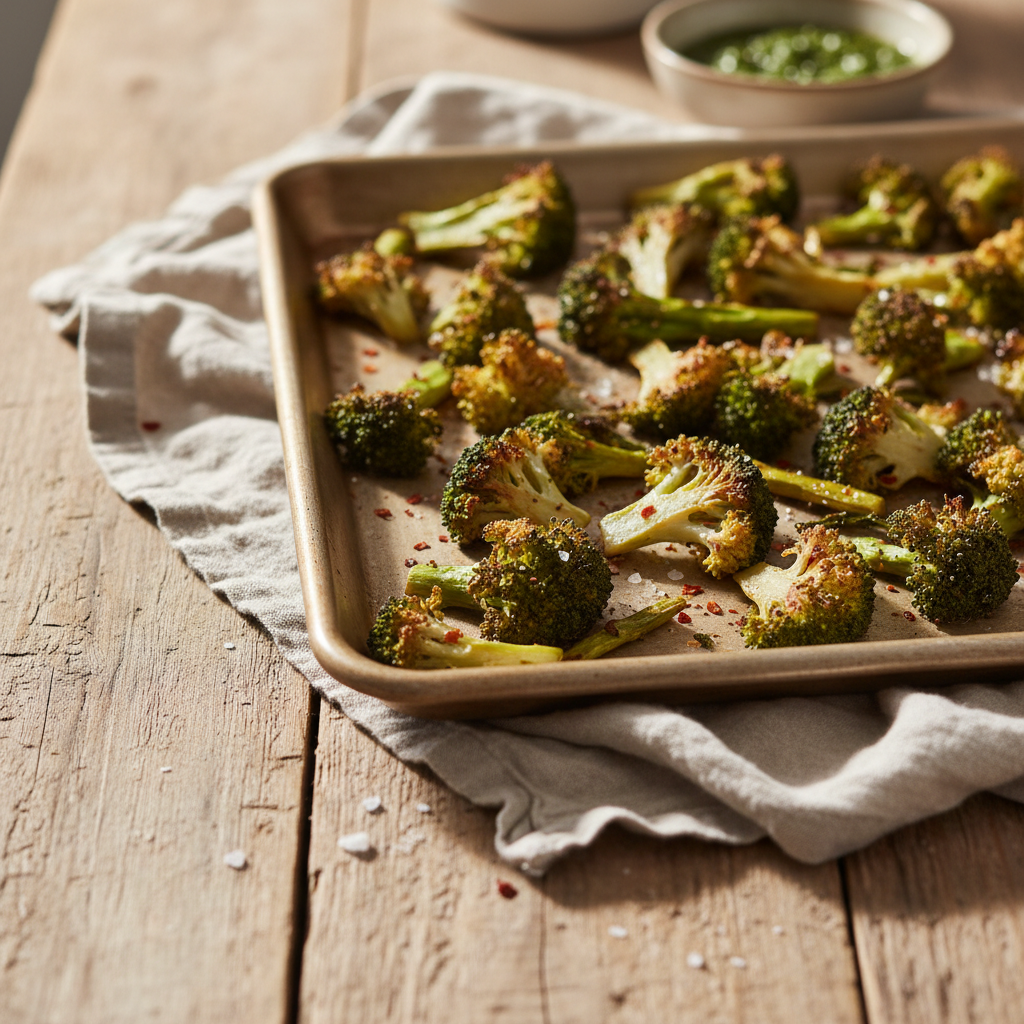
Garlic Roasted Broccoli
Spreading the broccoli florets in a single layer with space between each piece is what lets hot air circulate and brown the edges, since overcrowding the pan traps steam and leaves the broccoli soft and pale instead of crisp.
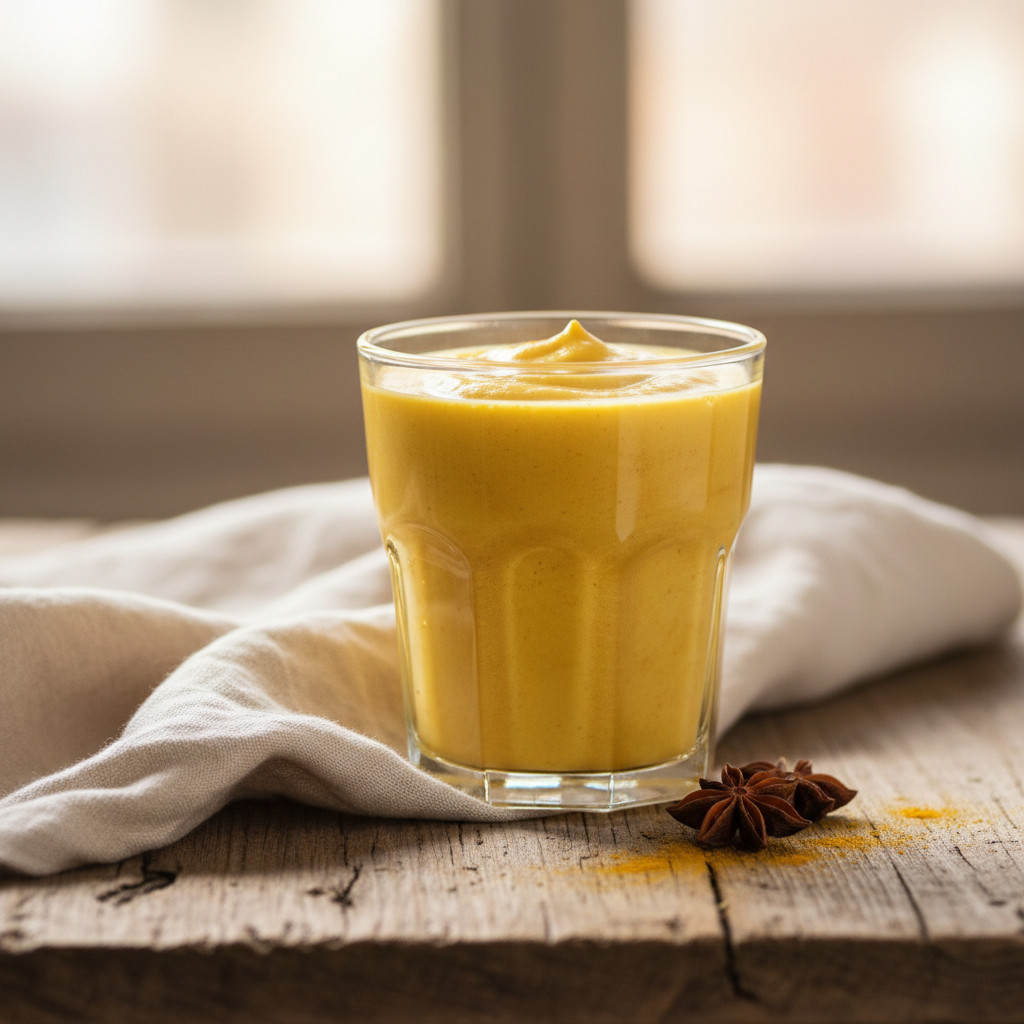
Golden Turmeric Smoothie
Adding a pinch of black pepper along with the turmeric is what significantly increases how much of its beneficial curcumin compound the body can actually absorb, since piperine in pepper blocks the liver from breaking it down too quickly.
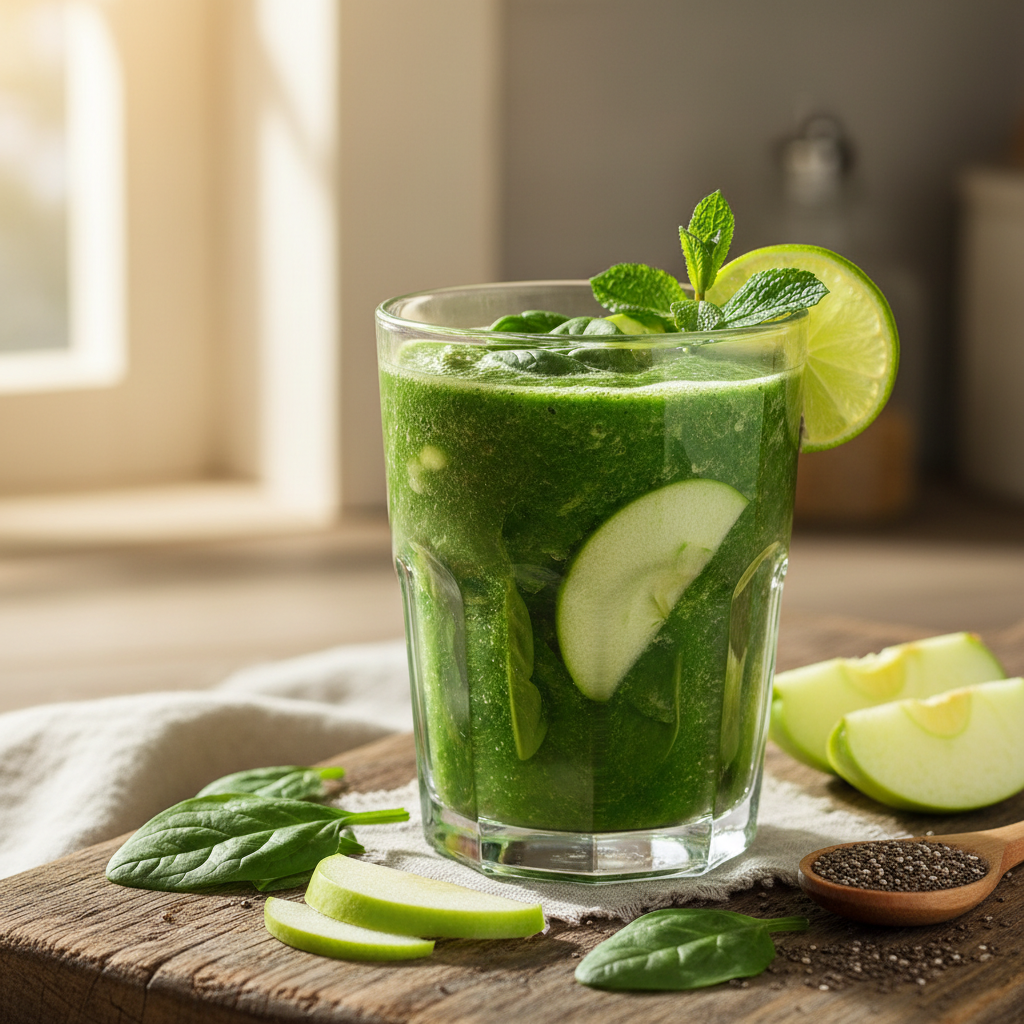
Green Detox Smoothie
Blending the leafy greens with the liquid first, before adding anything else, is what fully breaks down their fibrous cell walls into a smooth base instead of leaving stringy bits throughout the finished smoothie.
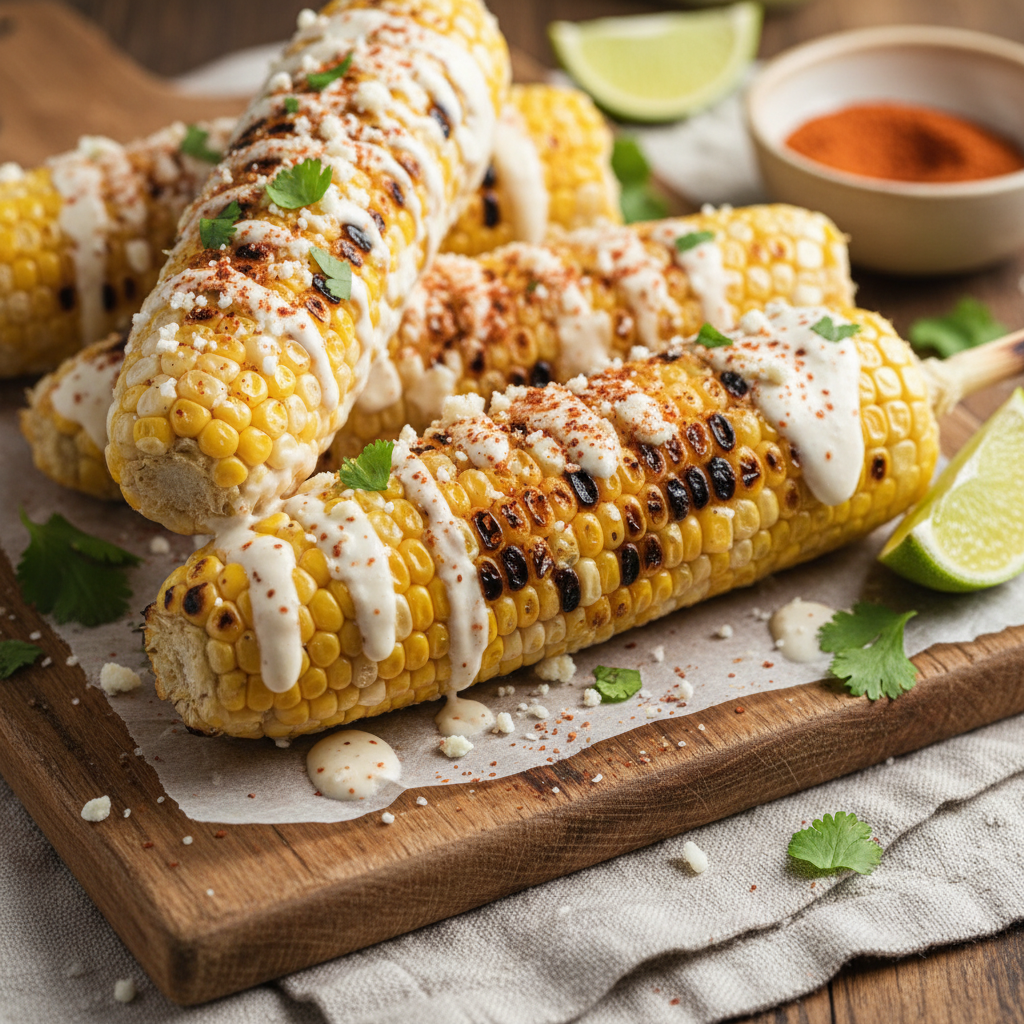
Grilled Elote (Mexican Street Corn, Dairy-Free)
Coating the corn in the creamy sauce while it's still hot off the grill is what lets the sauce melt slightly and cling to every kernel, instead of sliding off a corn that's already cooled.
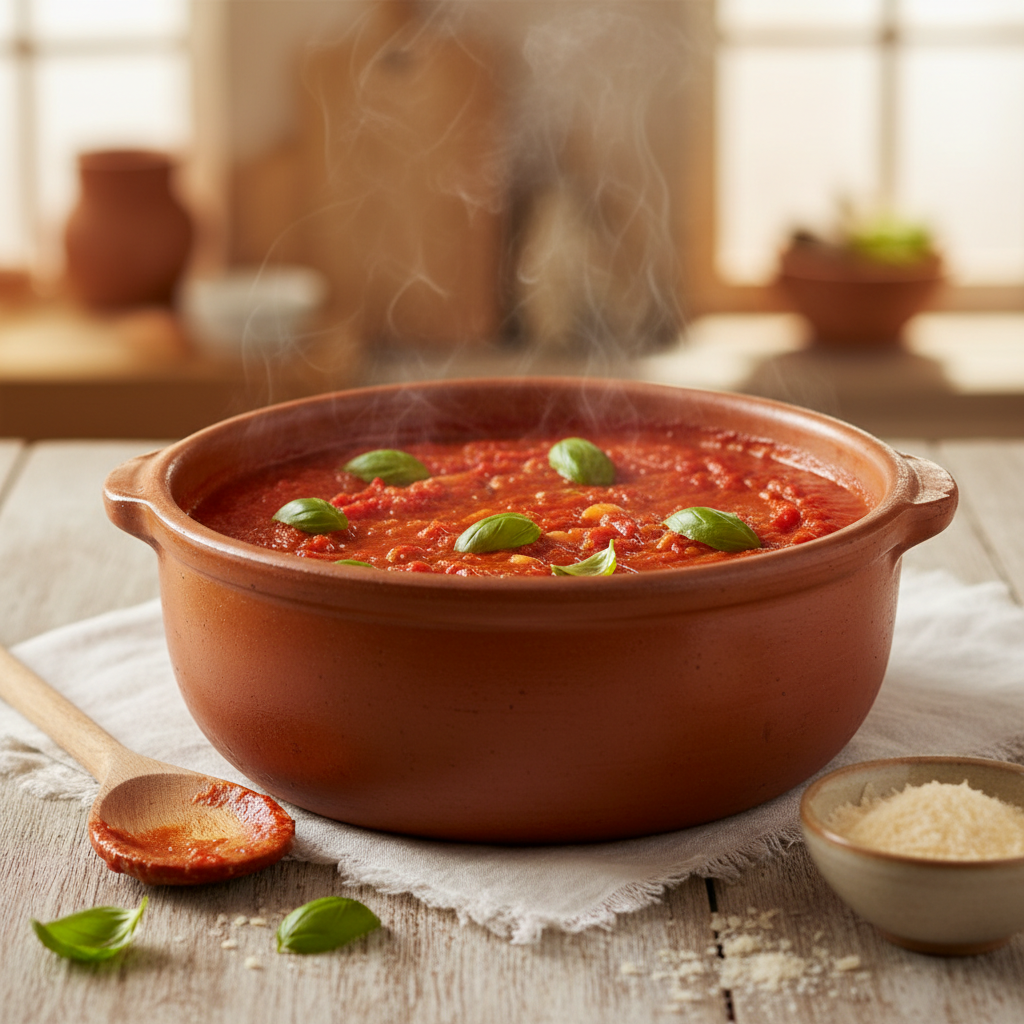
Marinara Sauce
Stirring in a small pinch of allulose near the end of cooking is what balances out the natural acidity of the tomatoes, rounding out the flavor instead of leaving the sauce tasting sharp and one-note.
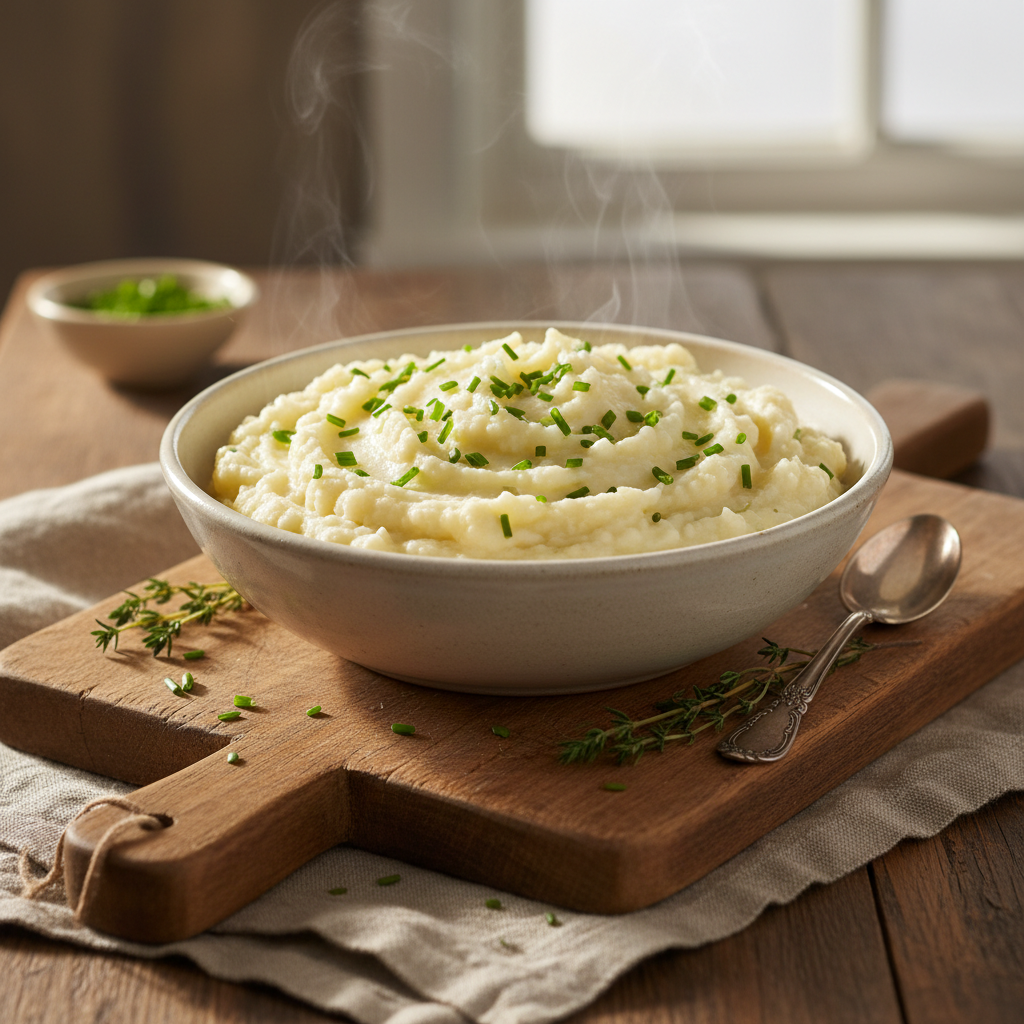
Mashed Cauliflower "Potatoes"
Squeezing the steamed cauliflower dry in a clean kitchen towel before mashing is what removes its excess water content, which is what keeps the mash thick and creamy instead of loose and watery.
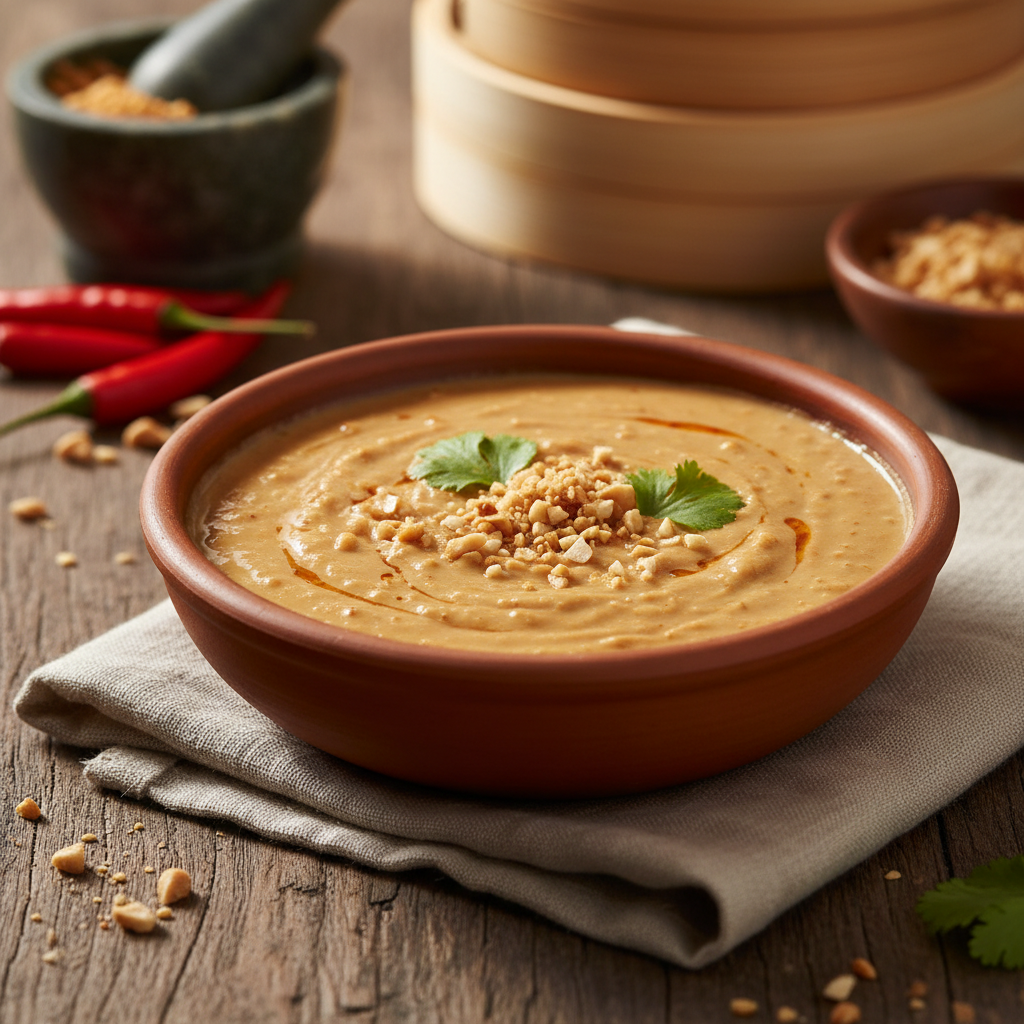
Peanut Sauce
Thinning the peanut butter with warm water added gradually, rather than cold, is what keeps it loosening smoothly into a pourable sauce instead of seizing into a stiff, unworkable clump.
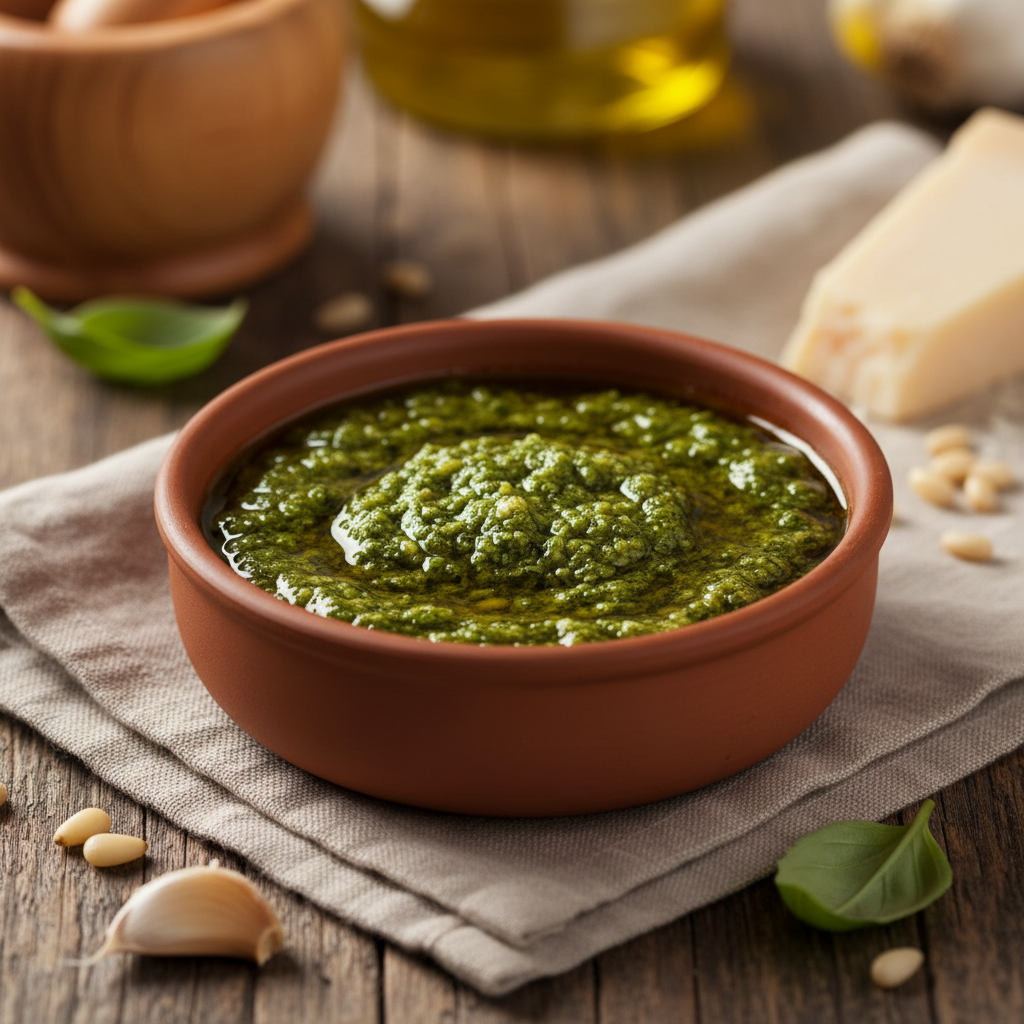
Pesto Sauce
Blanching the basil leaves in boiling water for 10 seconds and then plunging them into ice water before blending is what locks in their vibrant green color, keeping the pesto bright instead of turning a dull, oxidized olive-brown within an hour.
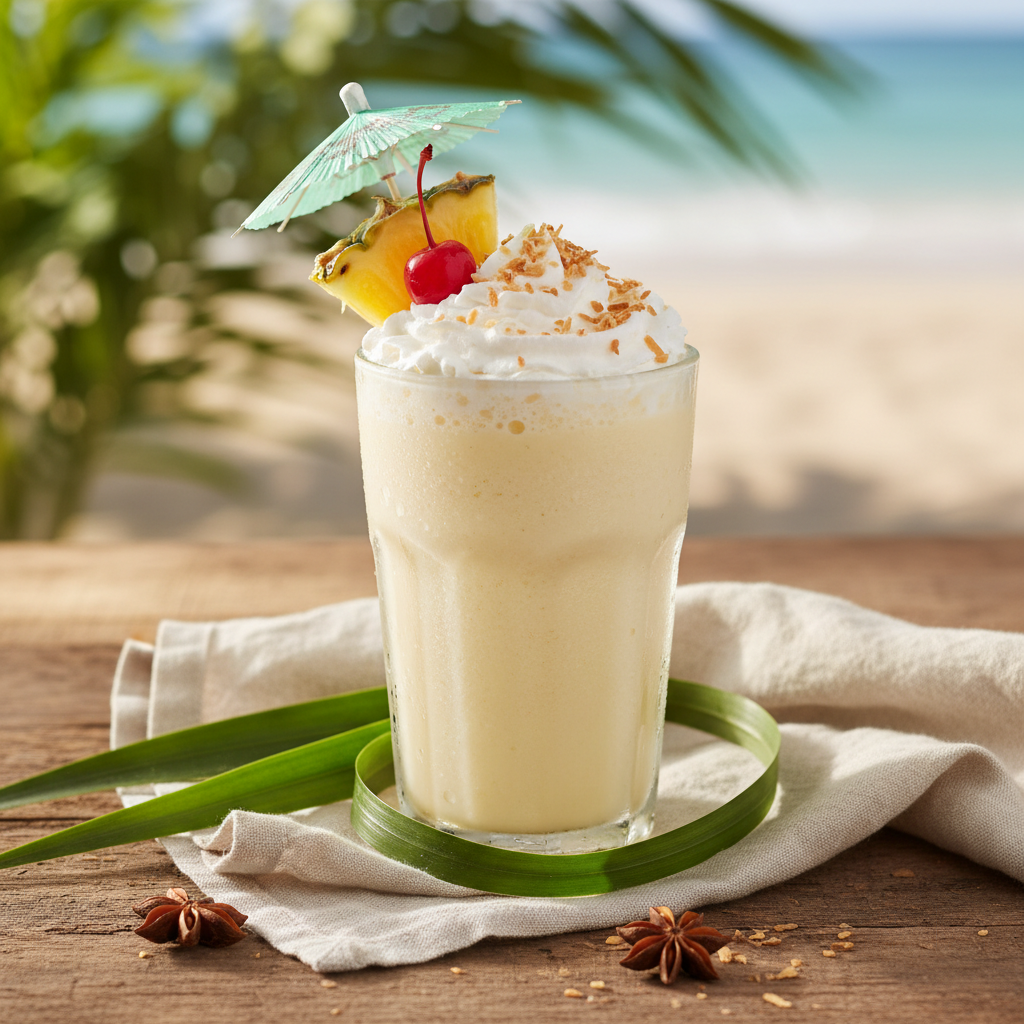
Piña Colada Smoothie
Using full-fat canned coconut milk rather than a lighter coconut beverage is what gives this smoothie its characteristically rich, creamy mouthfeel instead of a thin, watery texture.
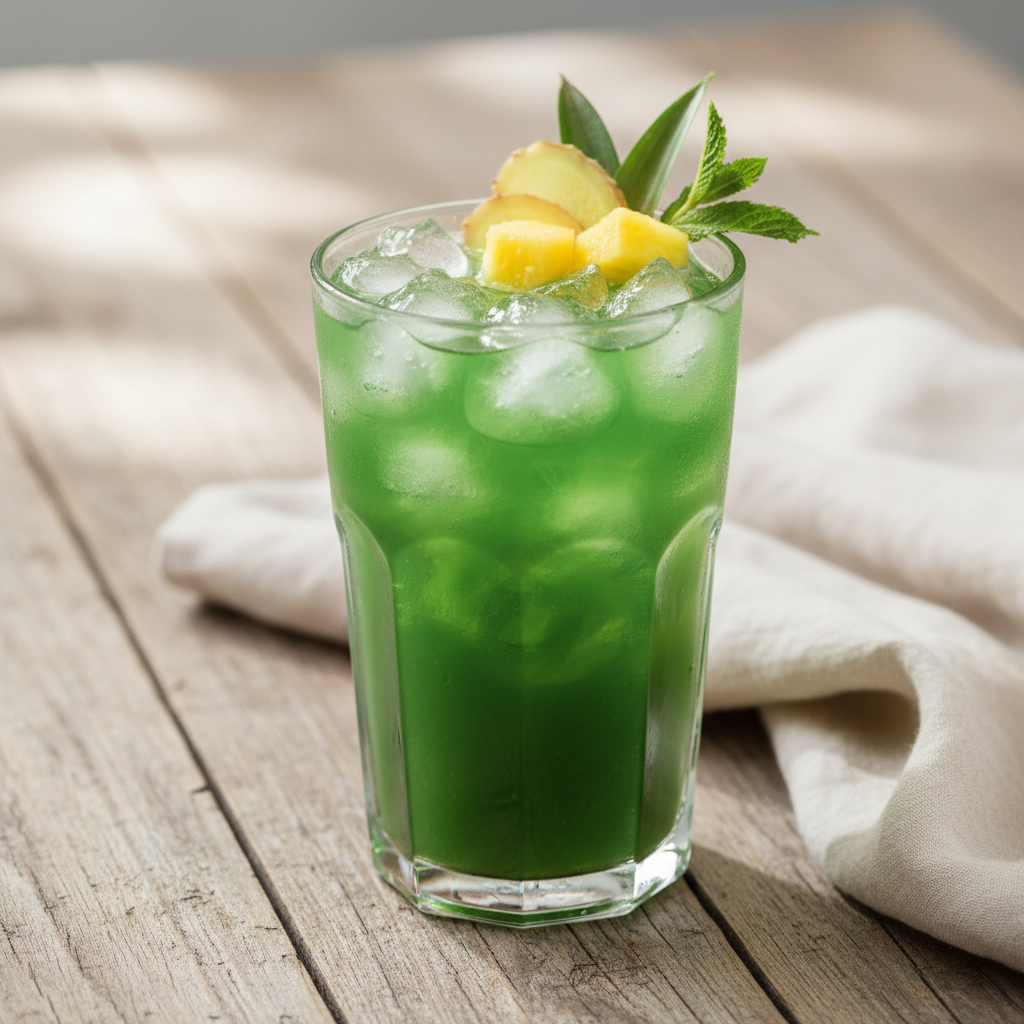
Pineapple Ginger Green Juice
Adding a splash of fresh lemon juice to the finished green juice is what slows down oxidation, keeping it vibrant green for hours instead of turning dull brown within minutes of juicing.
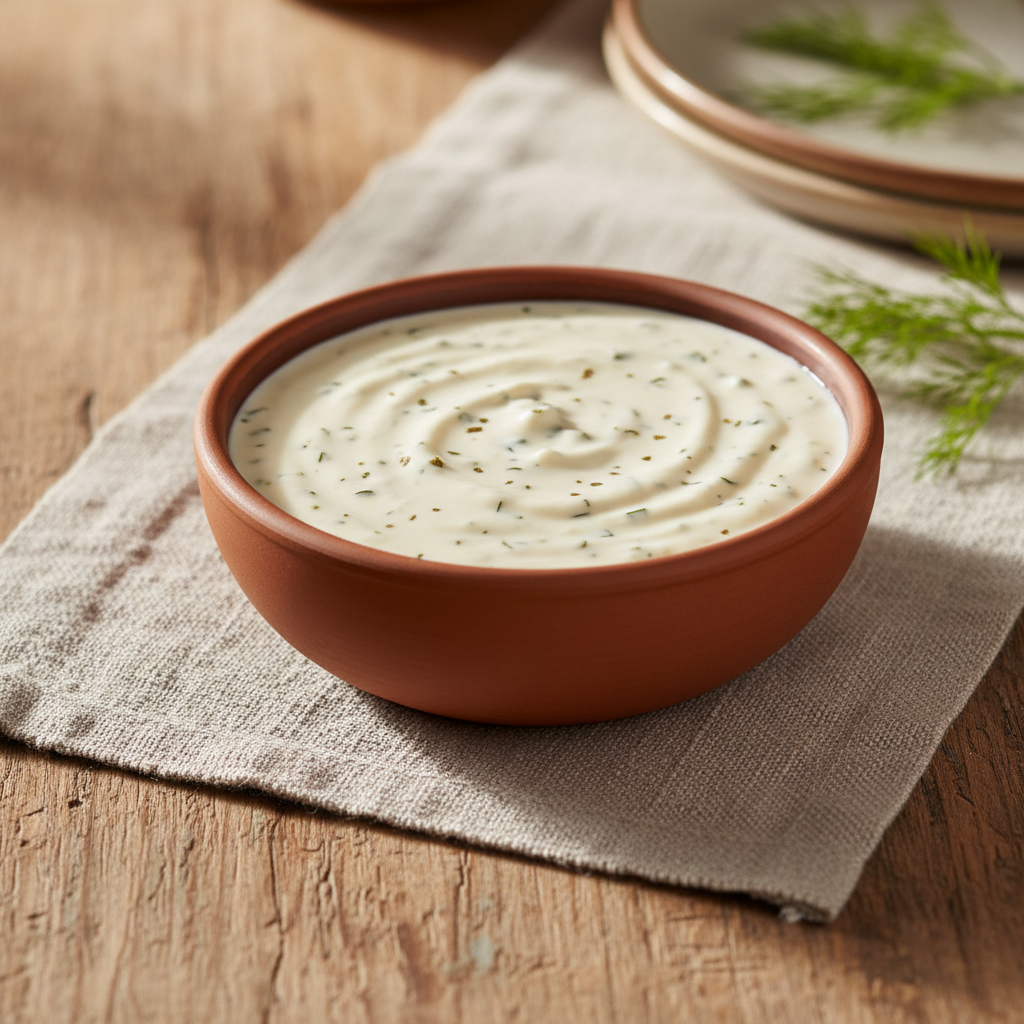
Ranch Dressing (Dairy-Free)
Letting the dried herbs sit and rehydrate in the wet mixture for at least 15 minutes before serving is what softens them and lets their flavor fully bloom into the dressing instead of tasting dusty and underdeveloped.
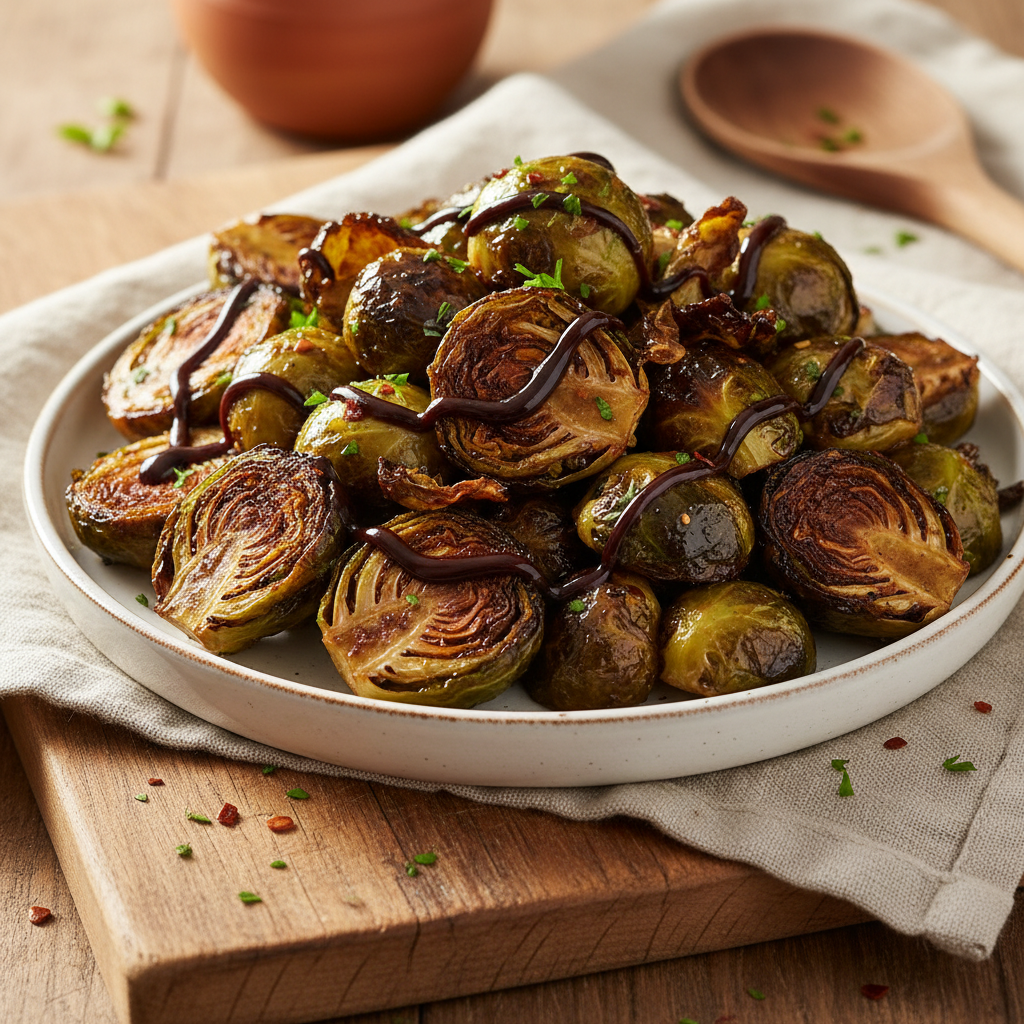
Roasted Brussels Sprouts with Balsamic
Halving the Brussels sprouts and roasting them cut-side down is what creates a wide, flat surface in direct contact with the pan, developing deep caramelization that whole, rounded sprouts simply can't achieve.
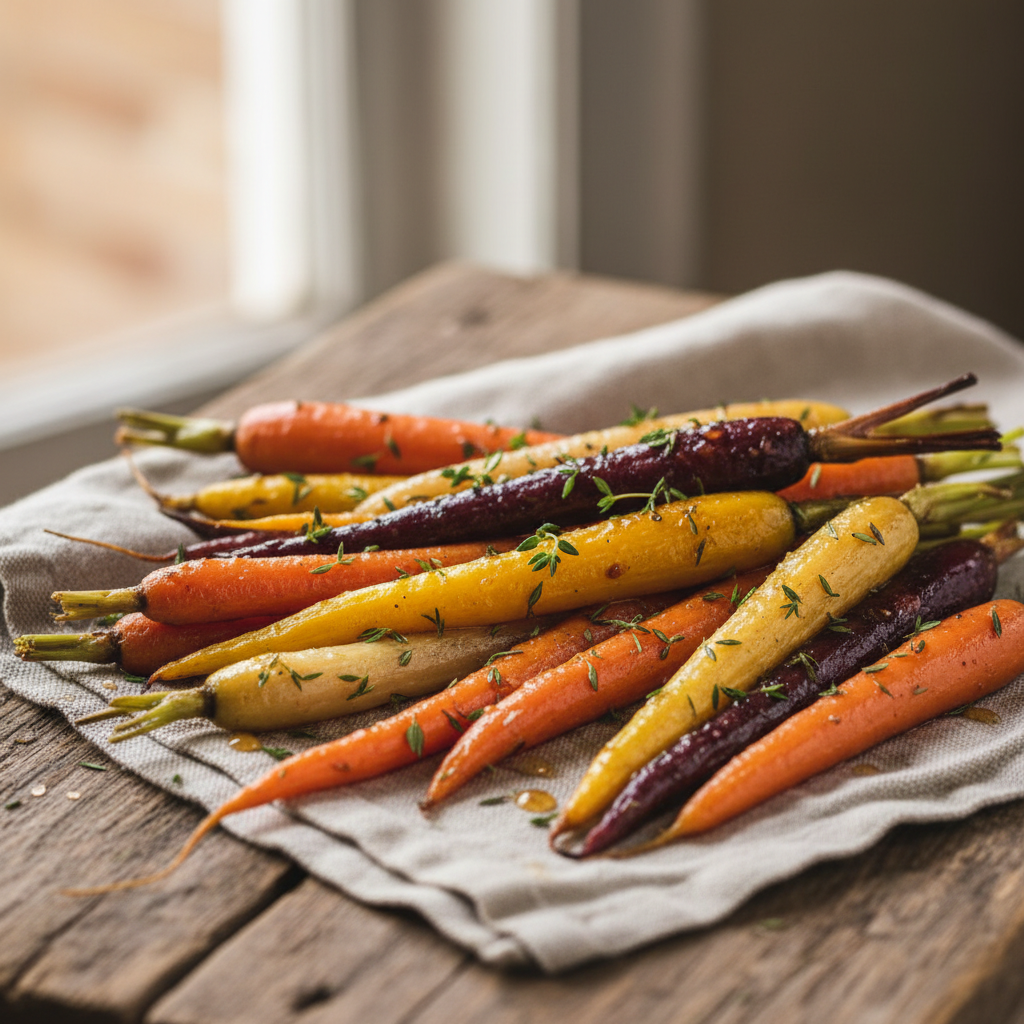
Roasted Rainbow Carrots with Herbs
Roasting the halved carrots cut-side down for the first stretch of cooking is what maximizes the amount of flat surface making direct contact with the hot pan, giving deeper caramelization than the rounded side ever develops.
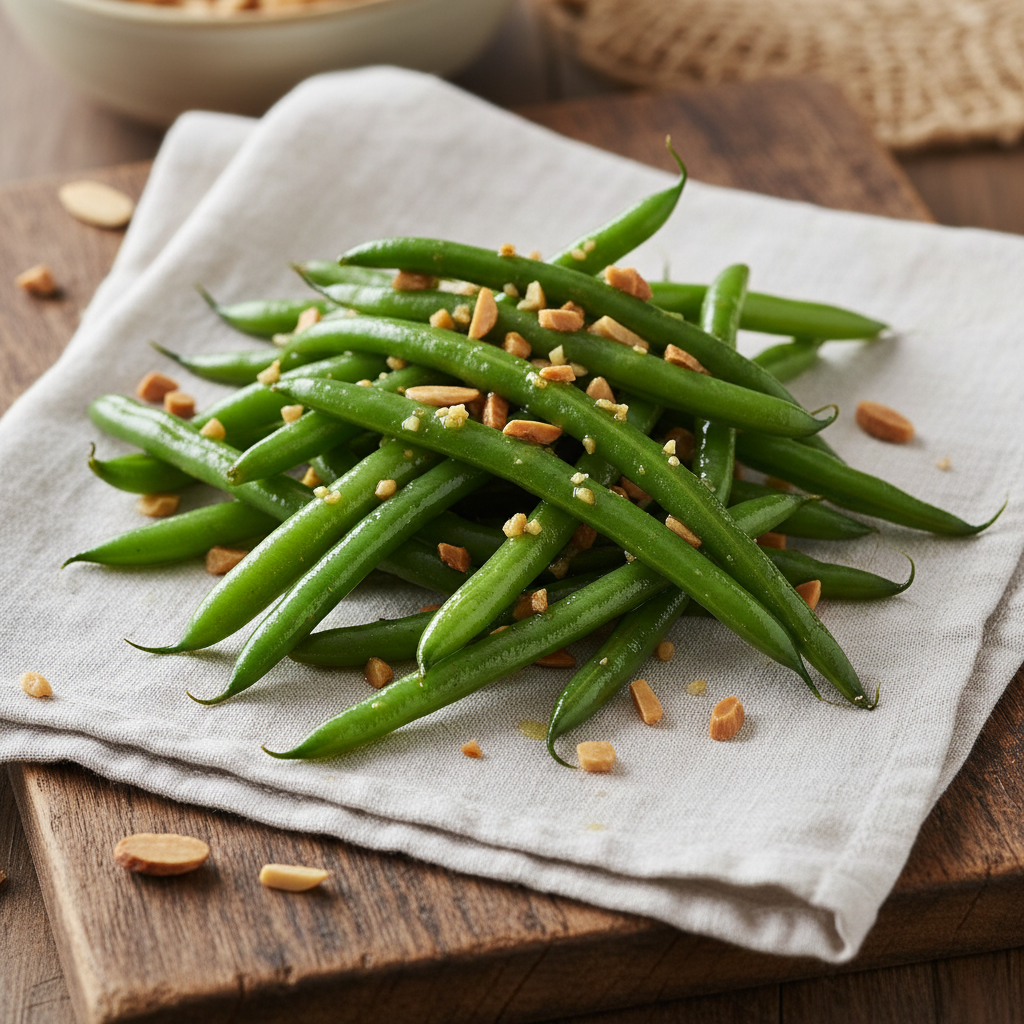
Sautéed Garlic Green Beans
Blanching the green beans in boiling water for 2 minutes and shocking them in ice water before sautéing is what pre-cooks them just enough to lock in their bright green color, so the final sauté only needs to add flavor, not finish the cooking.
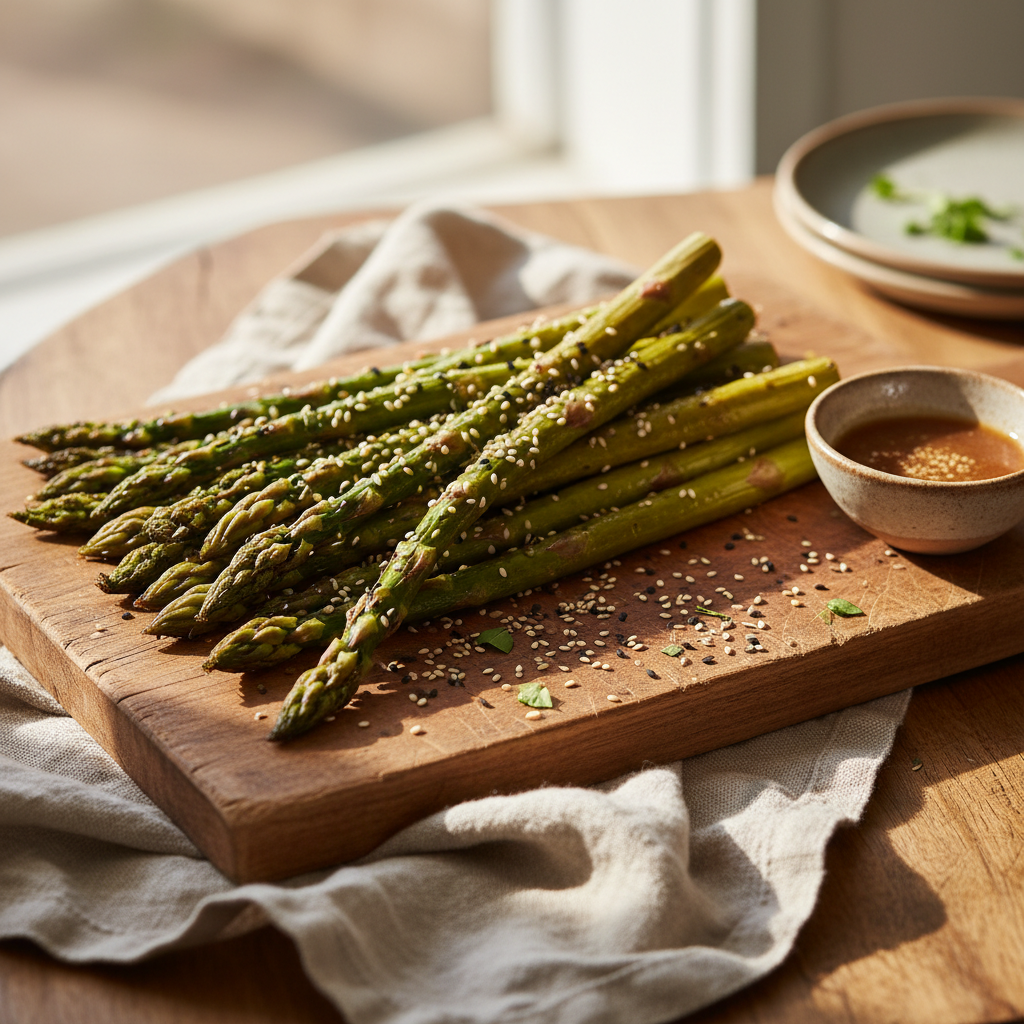
Sesame Ginger Roasted Asparagus
Snapping off the woody ends of the asparagus at their natural breaking point, rather than cutting them with a knife at a guessed spot, is what removes exactly the tough, fibrous part and nothing more.
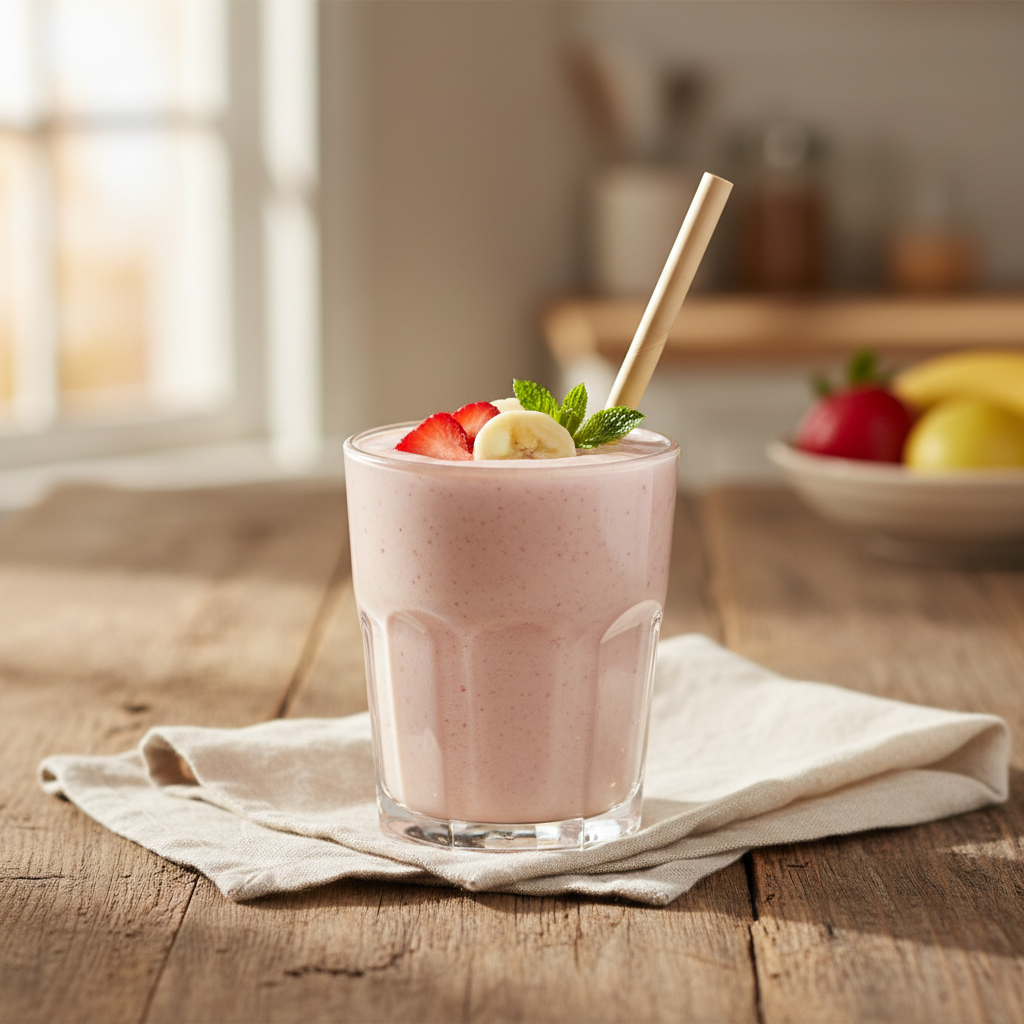
Strawberry Banana Smoothie
Layering the ingredients with liquid on the bottom and frozen fruit on top before blending is what keeps the blades from spinning freely against dry fruit, pulling everything down into the blend evenly instead.
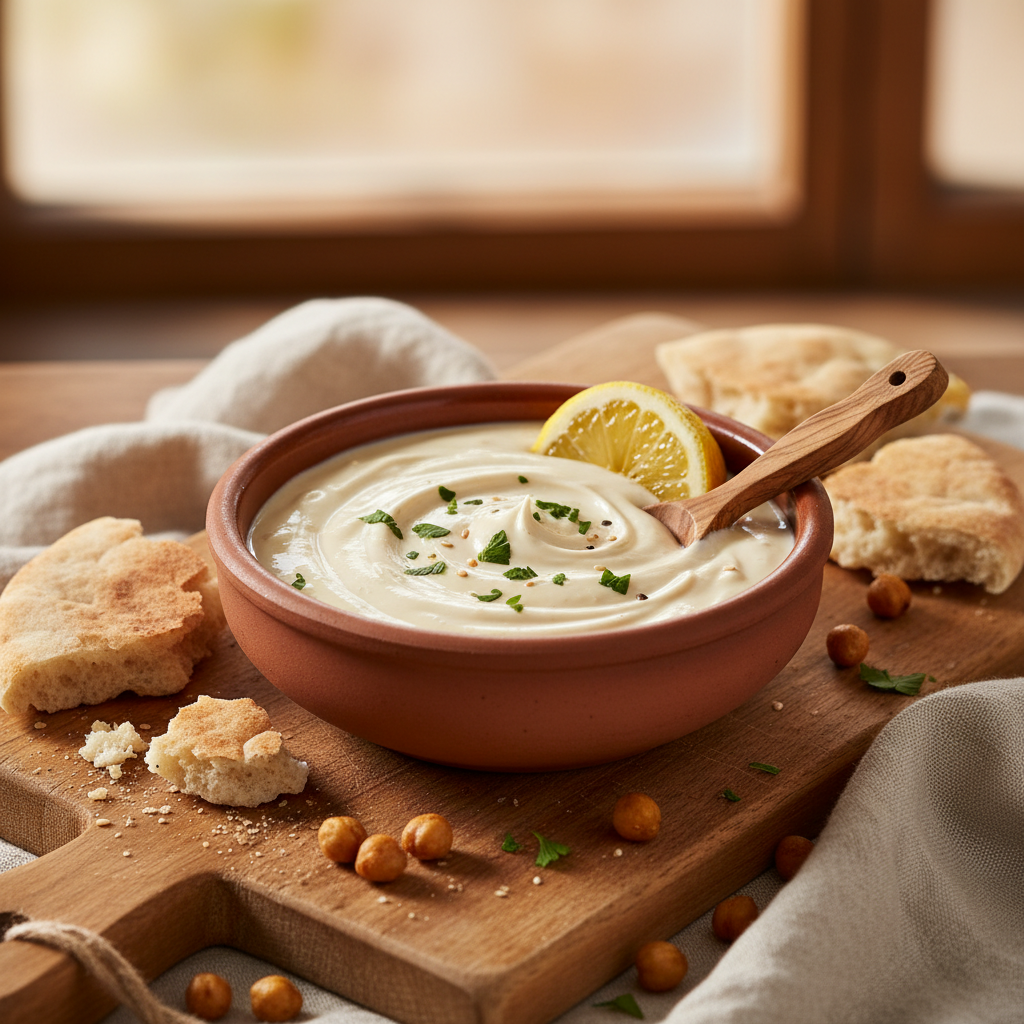
Tahini Lemon Dressing
Whisking in the water gradually, one tablespoon at a time, is essential here since tahini seizes and clumps into a thick paste the instant liquid first hits it, before eventually loosening back into a smooth, pourable dressing.
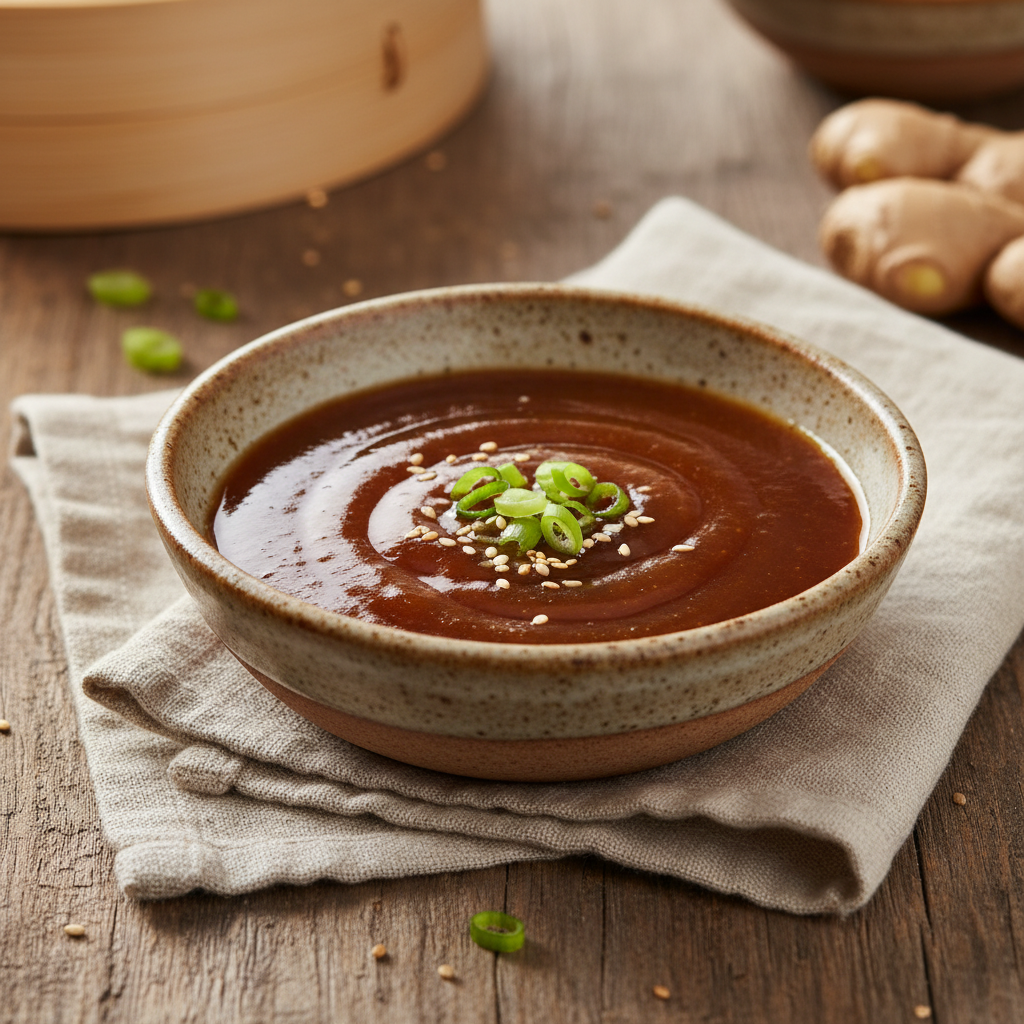
Teriyaki Sauce (Sugar-Free)
Whisking the cornstarch into cold water before adding it to the hot sauce is what prevents it from clumping into lumps, since dropping dry cornstarch straight into a hot liquid causes it to seize immediately on contact.
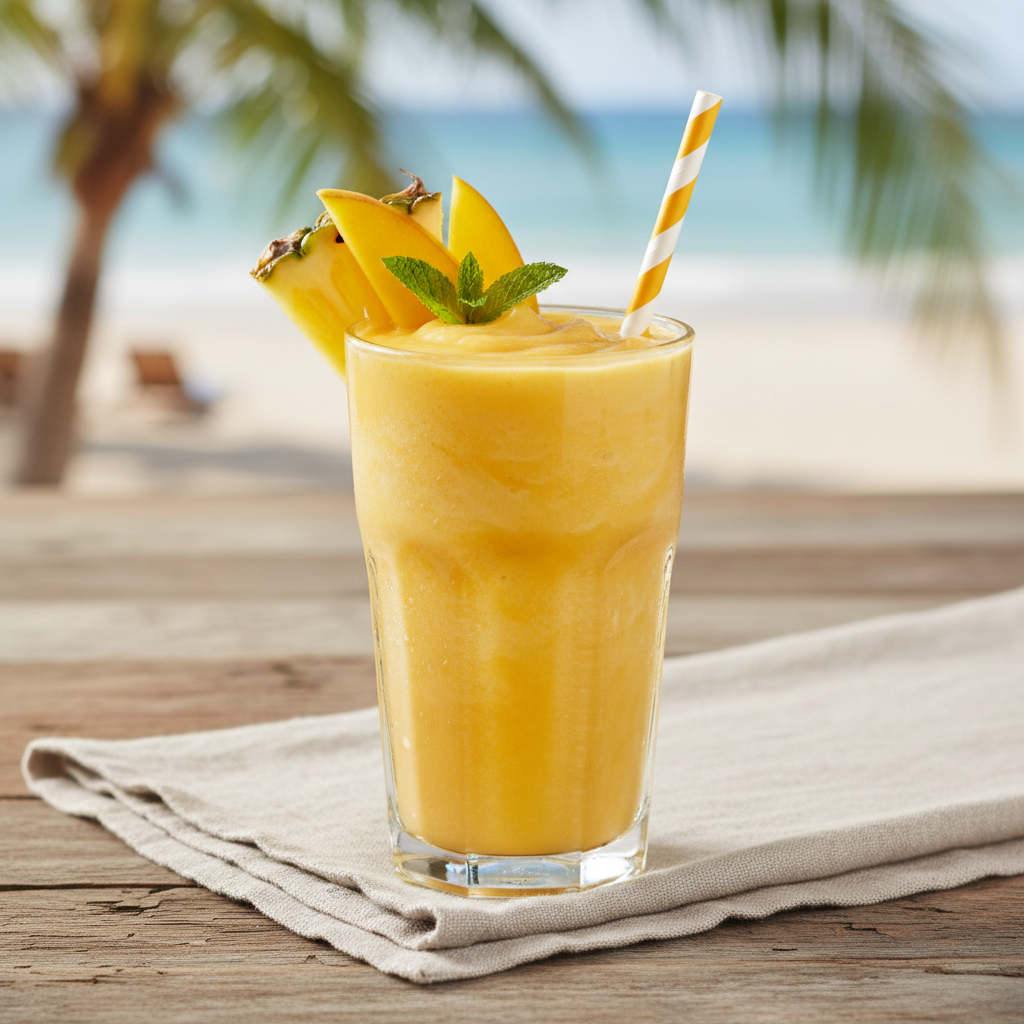
Tropical Mango Pineapple Smoothie
Adding the frozen fruit last, after the liquid and blender blades are already moving, is what prevents the blades from jamming against a solid block of ice instead of blending it in smoothly.
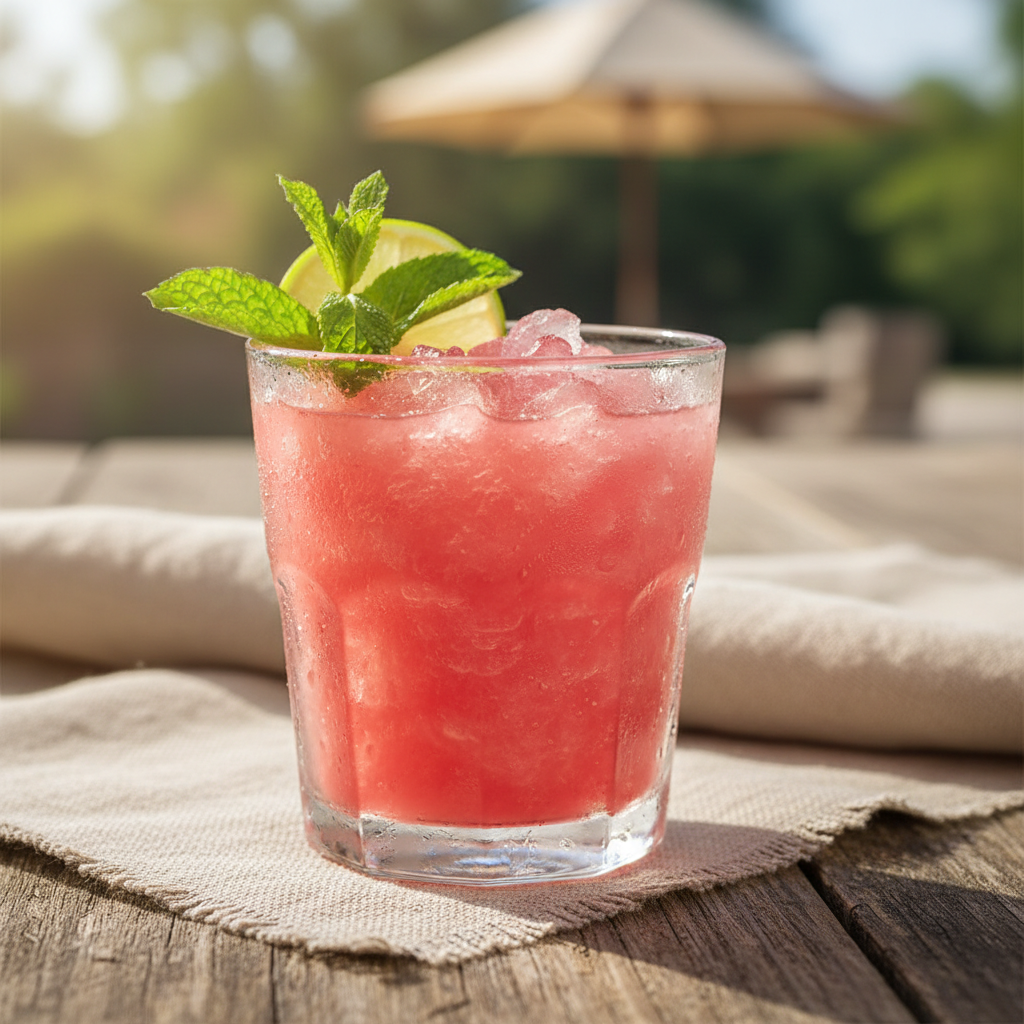
Watermelon Lime Cooler
Freezing cubes of watermelon in advance rather than using regular ice is what keeps this drink from turning watery as it melts, since the melting cubes are pure watermelon flavor instead of plain water.