
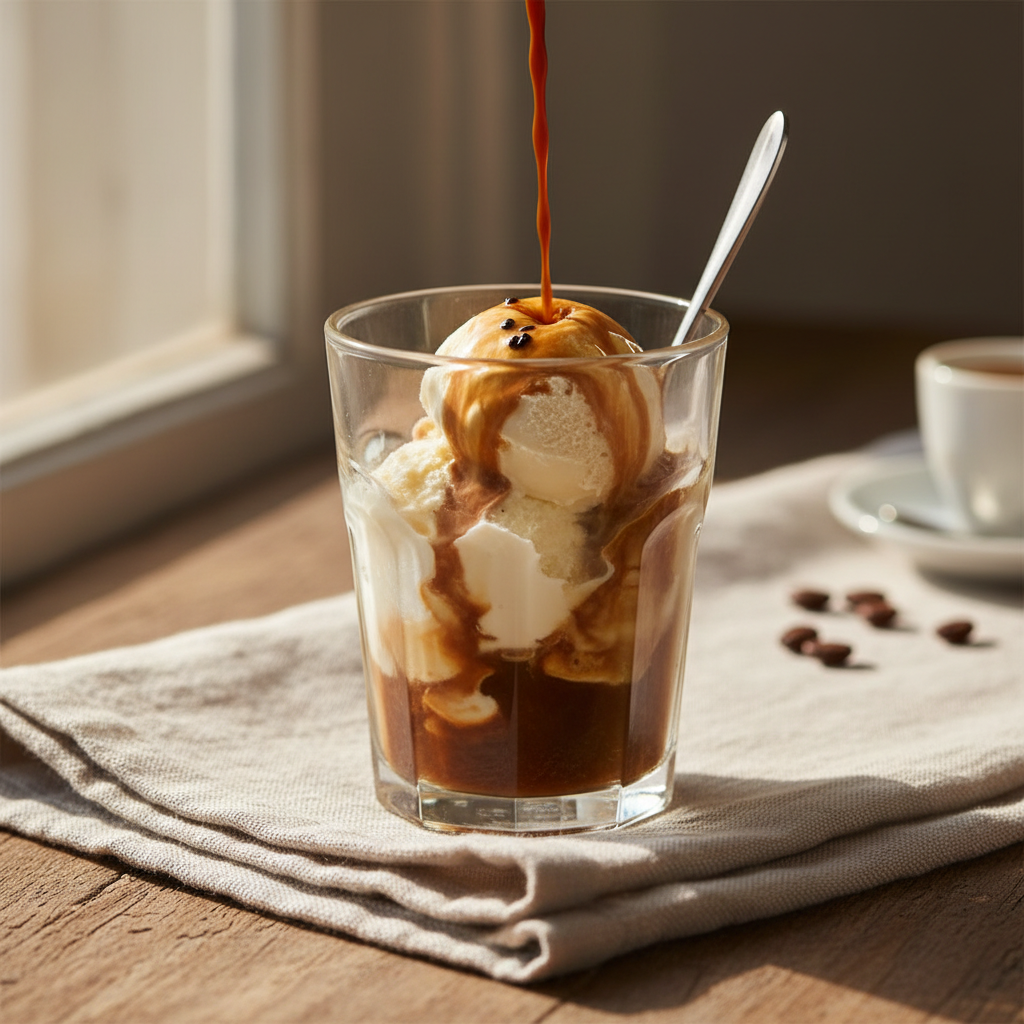
Affogato
Pouring the hot espresso over the cold ice cream right at the table, not in the kitchen ahead of time, is what lets it hit the ice cream while both the heat contrast and the melting drizzle are still at their best.
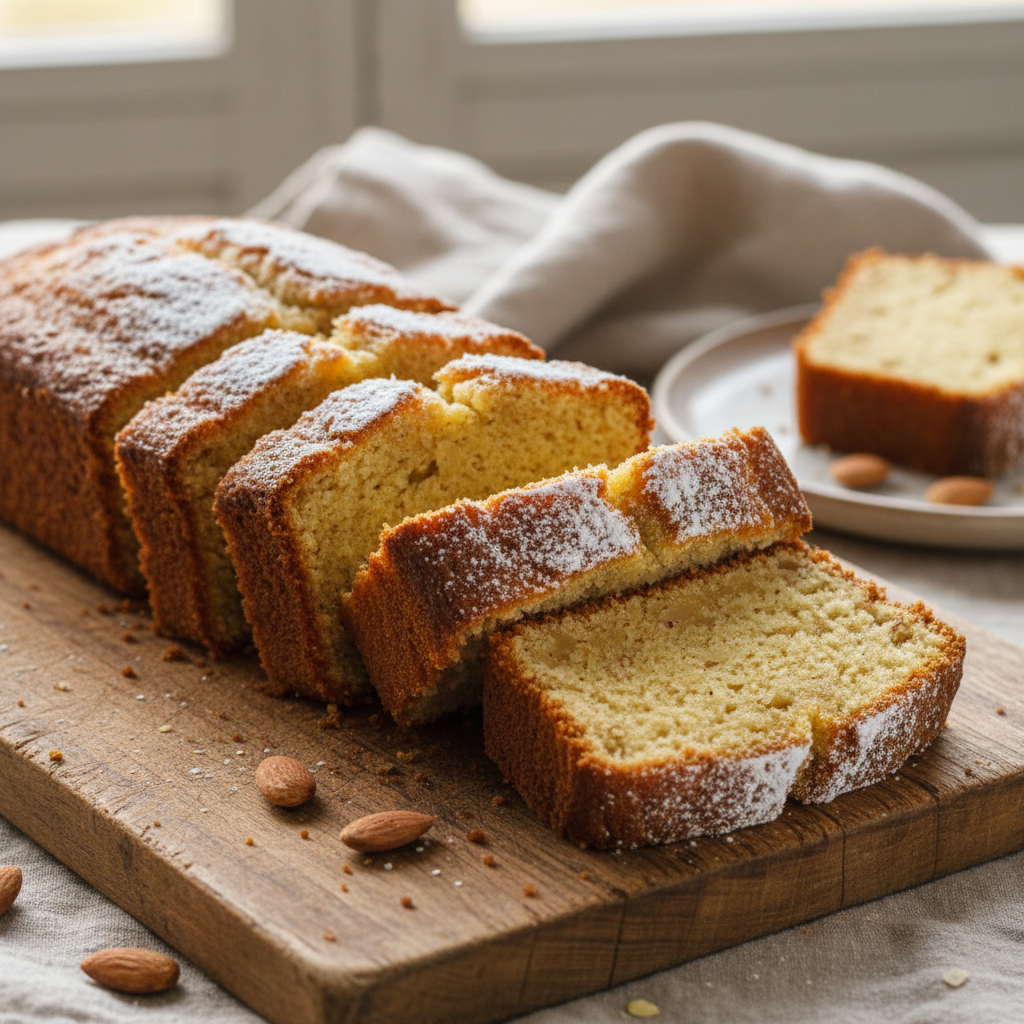
Almond Flour Pound Cake
Adding the eggs to the creamed butter and allulose one at a time, fully incorporating each before adding the next, is what keeps the batter from splitting into a curdled, greasy-looking mess.
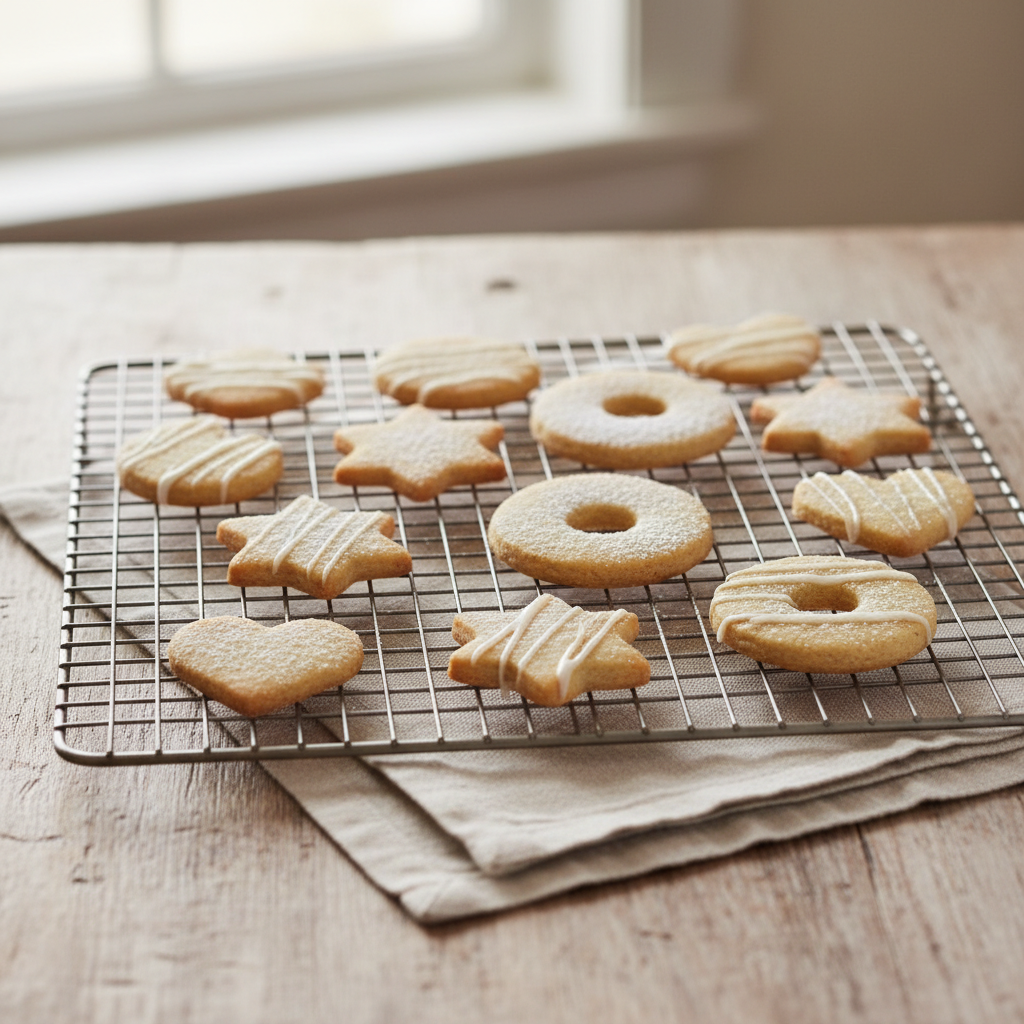
Almond Flour Sugar Cookies
Resting the dough for a full 30 minutes lets the almond flour fully absorb the wet ingredients, which is what makes it firm enough to roll and cut into shapes instead of sticking to everything.
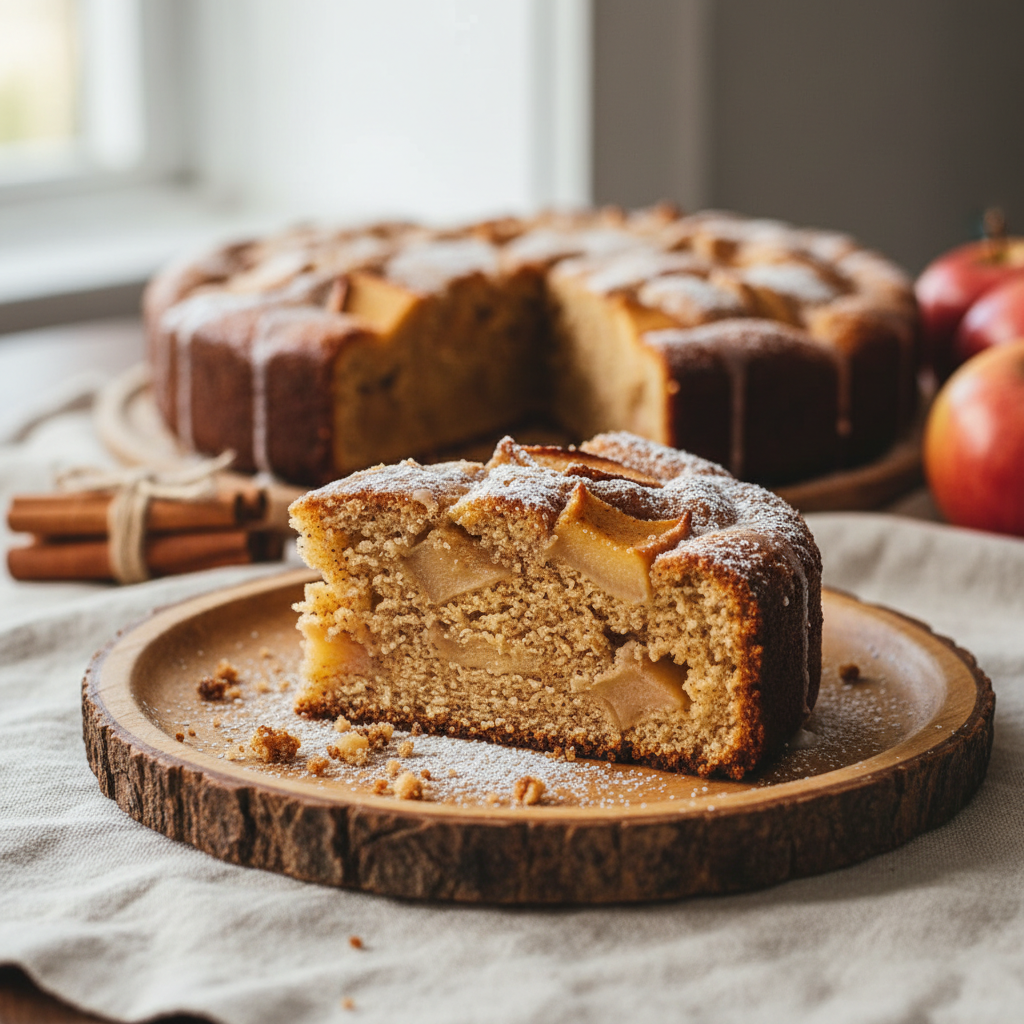
Apple Cinnamon Cake
Tossing the diced apples in cinnamon and a spoonful of almond flour before folding them into the batter is what keeps them evenly distributed instead of sinking into a soggy layer at the bottom.
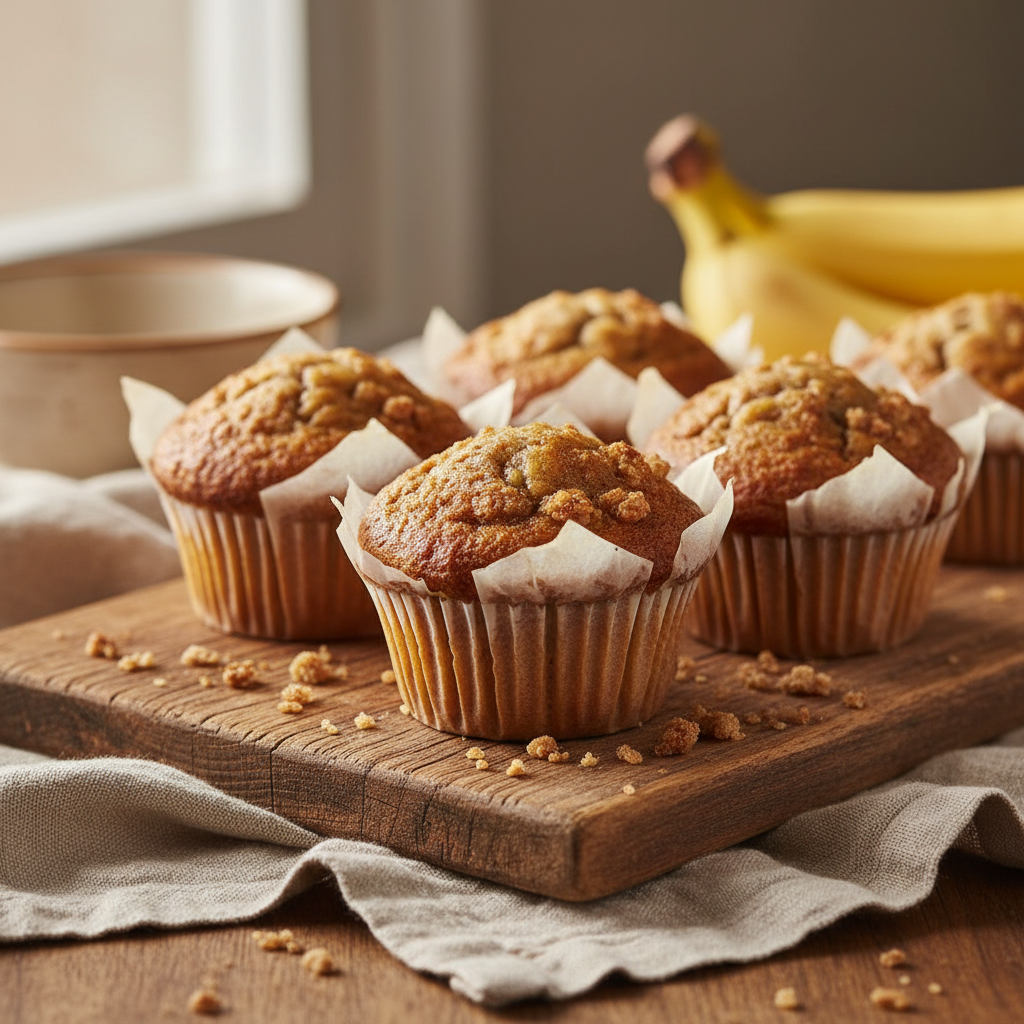
Banana Bread Muffins
Using bananas that are heavily spotted with brown, almost overripe, is what gives these muffins natural sweetness and moisture that yellow, underripe bananas simply can't provide.
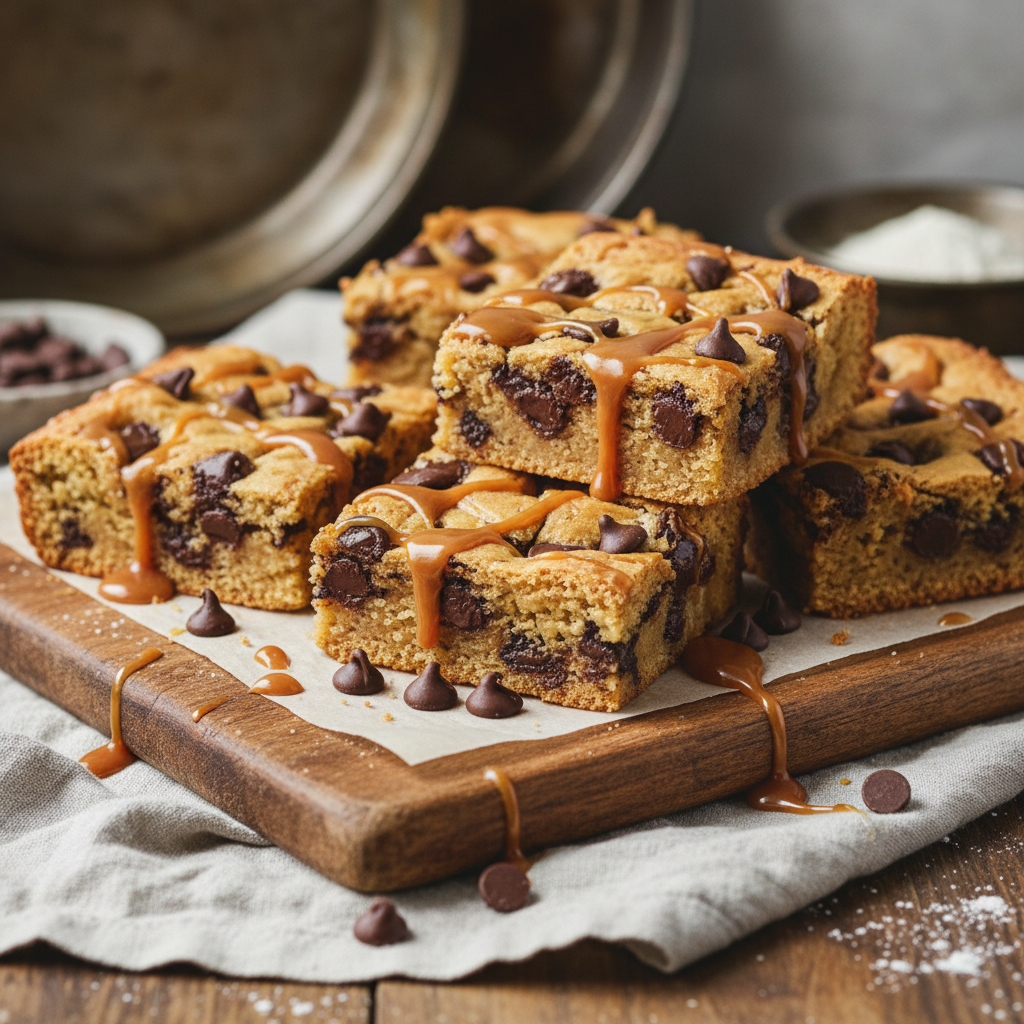
Blondies with Brown Butter (Dairy-Free)
Browning the dairy-free butter until it smells nutty before it goes into the batter is what gives these blondies a deep caramel flavor plain melted butter never develops.
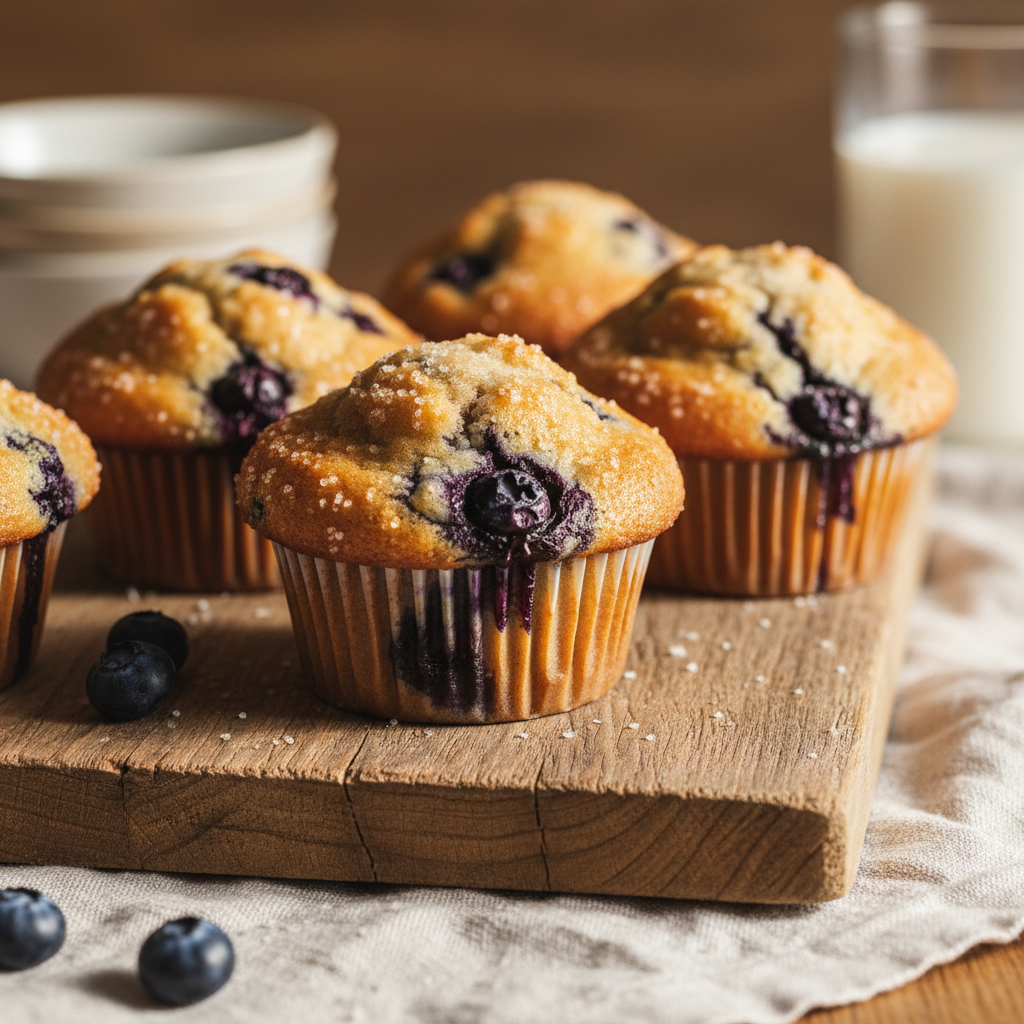
Blueberry Muffins (Gluten-Free)
Tossing the blueberries in a spoonful of almond flour before folding them in is what keeps them suspended throughout the muffin instead of all sinking to the bottom.
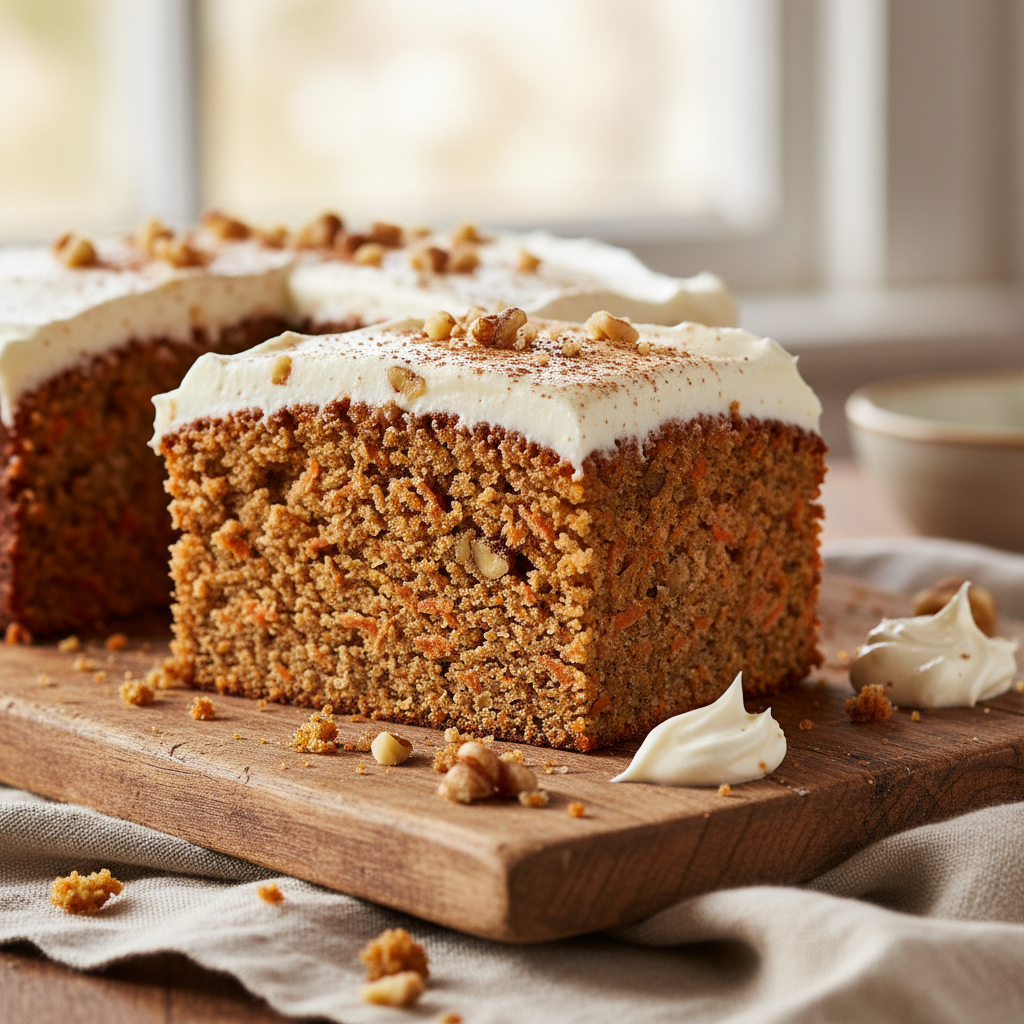
Carrot Cake with Dairy-Free Cream Cheese Frosting
Squeezing the shredded carrots dry in a clean towel before folding them into the batter is what keeps the cake from turning soggy and dense in the center.
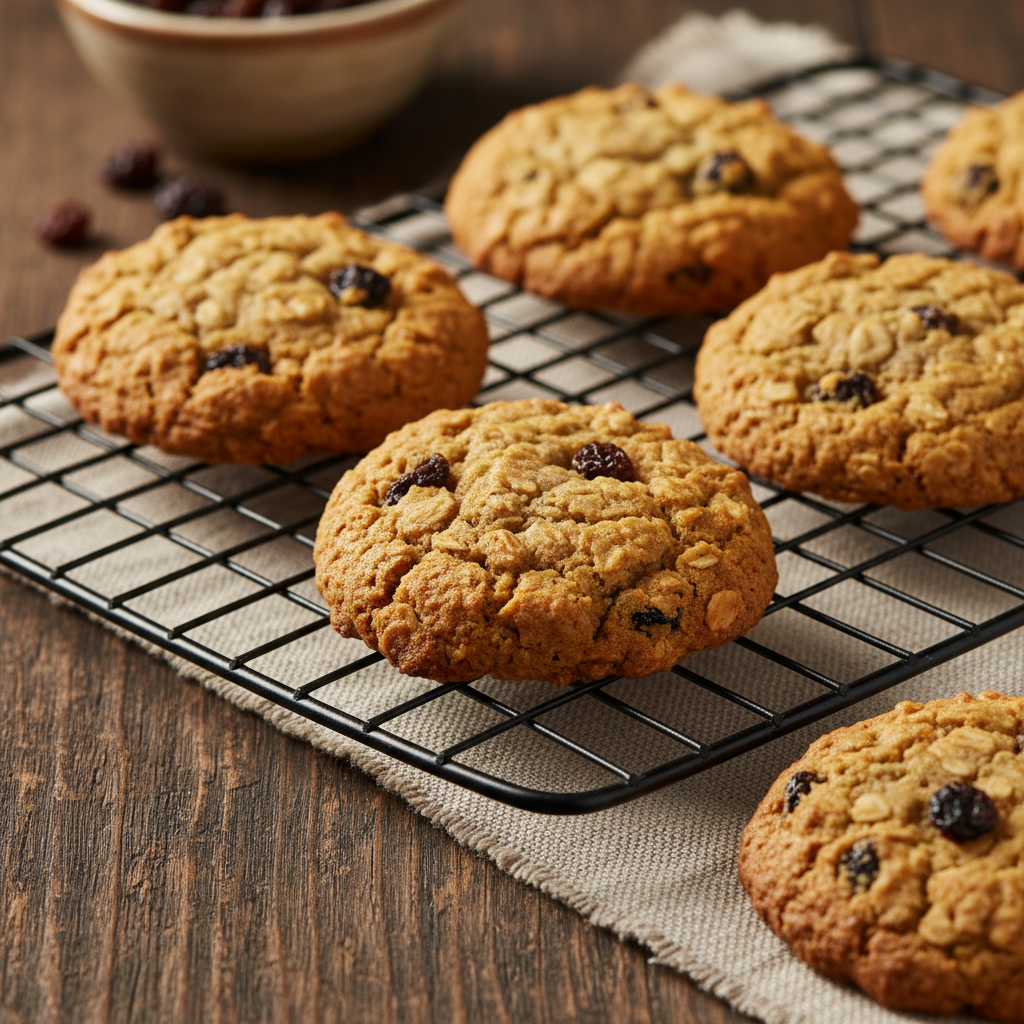
Chewy Oatmeal Raisin Cookies
Soaking the raisins in warm water for 10 minutes before adding them is what keeps them plump and chewy in the finished cookie, instead of pulling moisture out of the dough and turning tough themselves.
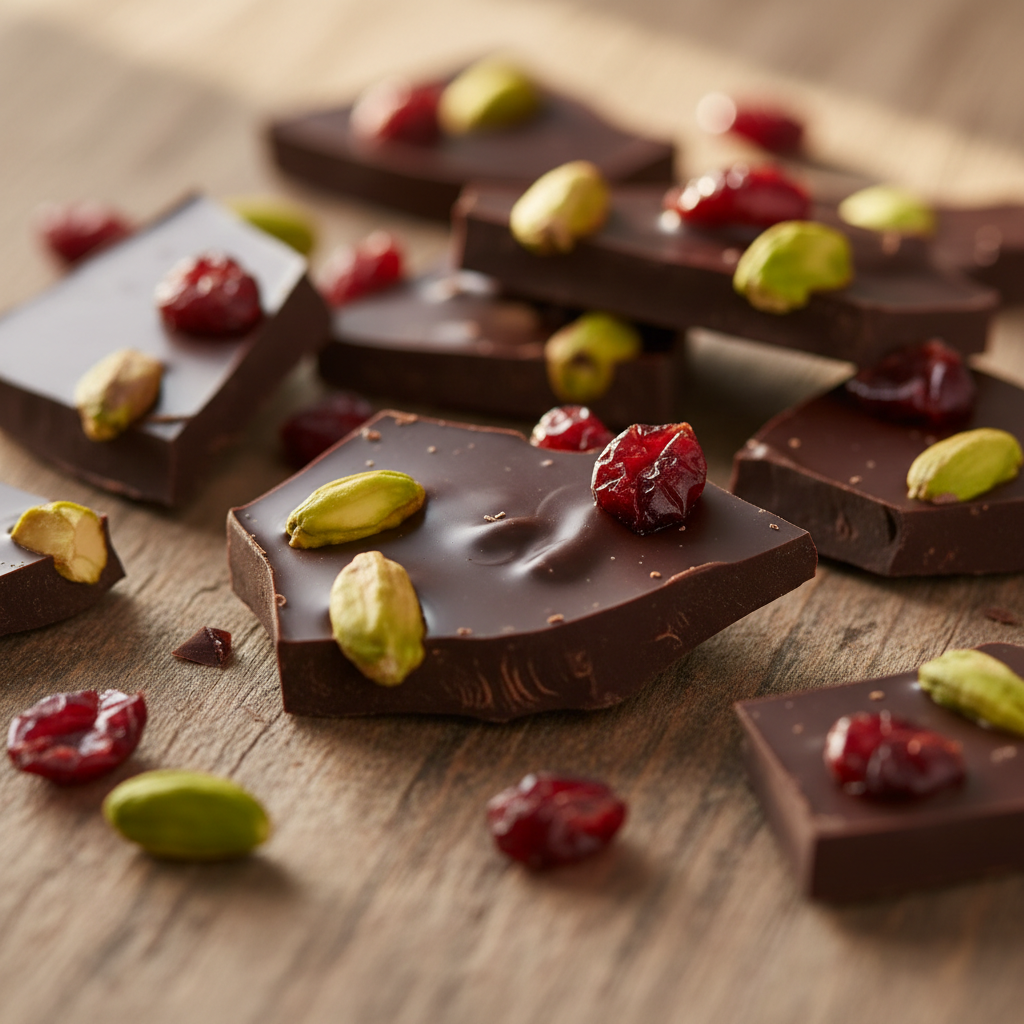
Chocolate Bark with Nuts and Dried Fruit
Tempering the chocolate by stirring in a handful of finely chopped solid chocolate at the end, rather than using it straight off the heat, is what gives the bark a glossy finish and a clean snap instead of a dull, soft one.
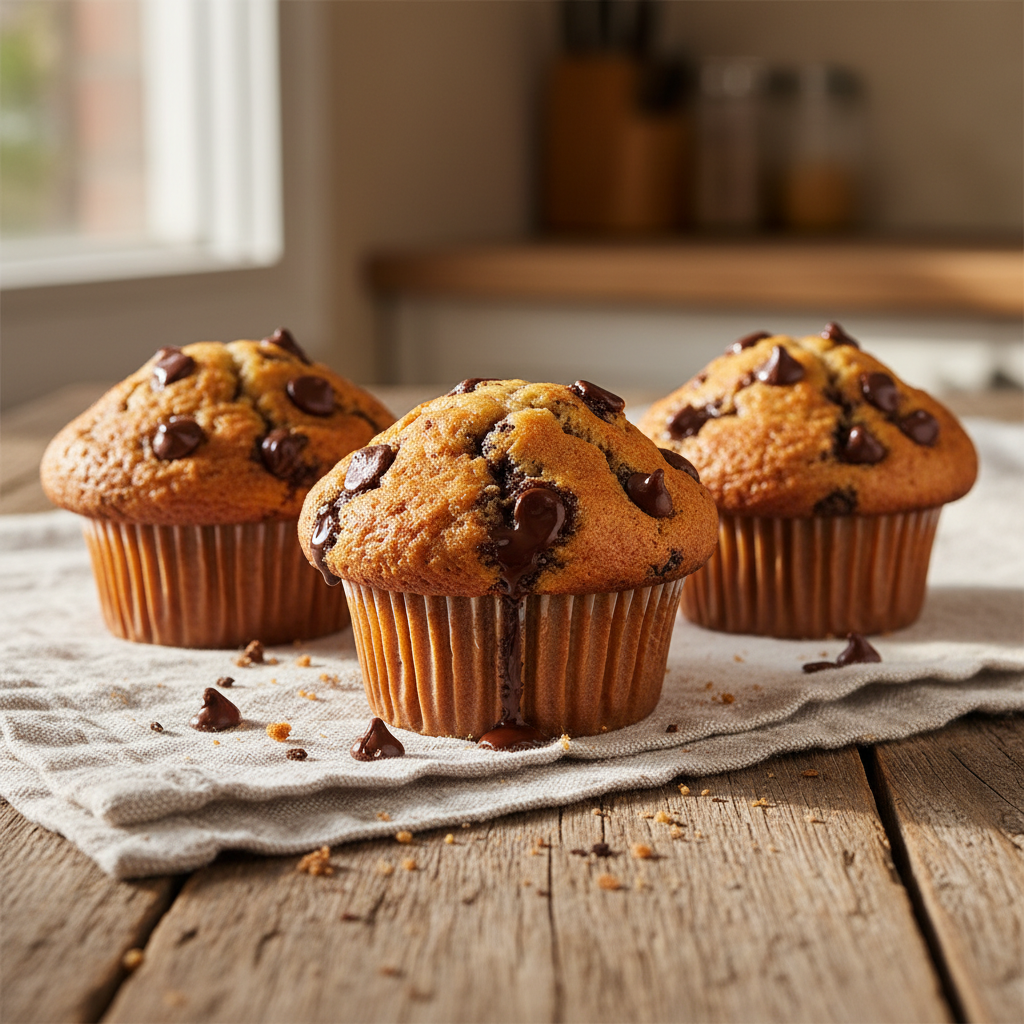
Chocolate Chip Muffins
Mixing the batter only until the last streak of flour disappears, not until it's perfectly smooth, is what keeps these muffins tender instead of tough and rubbery.
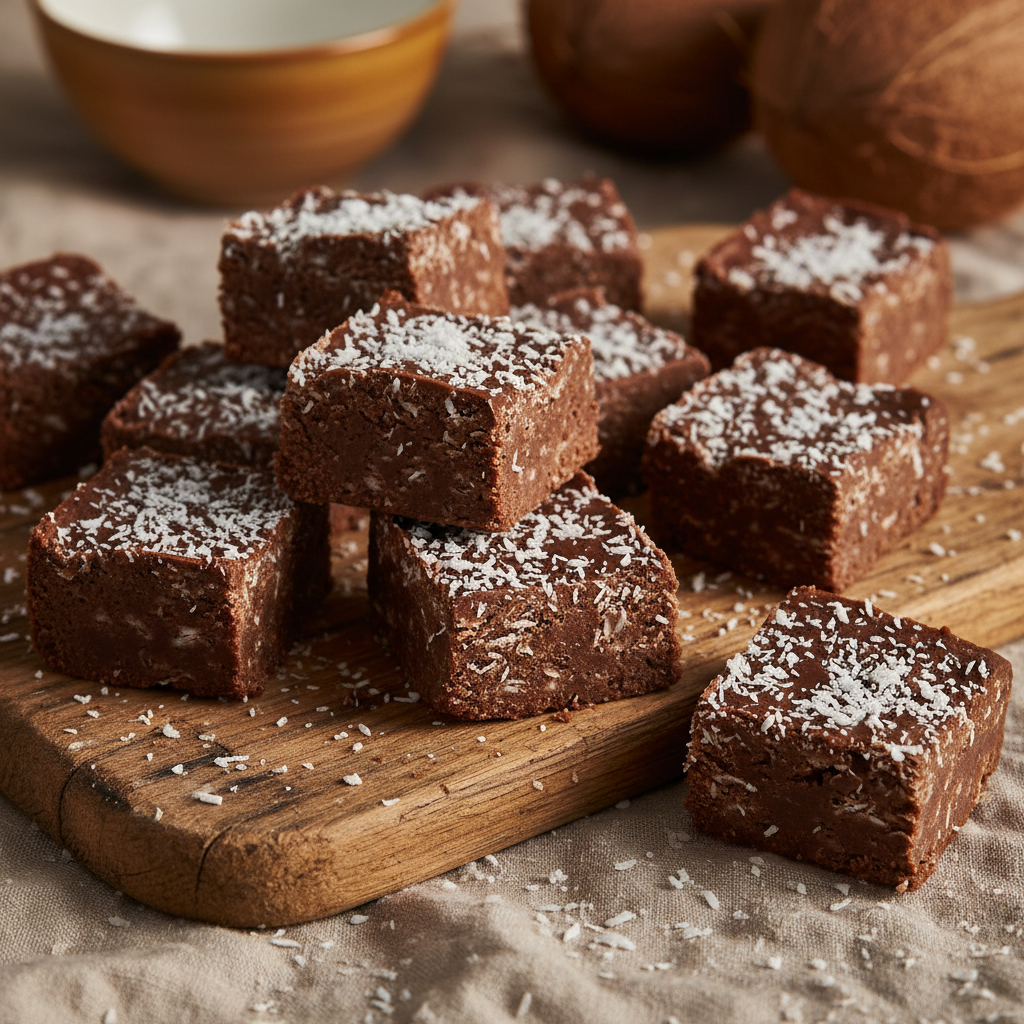
Chocolate Coconut Fudge
Lining the pan with parchment paper that overhangs the edges is what lets you lift the entire block of fudge out cleanly in one piece instead of prying it out and breaking apart the edges.
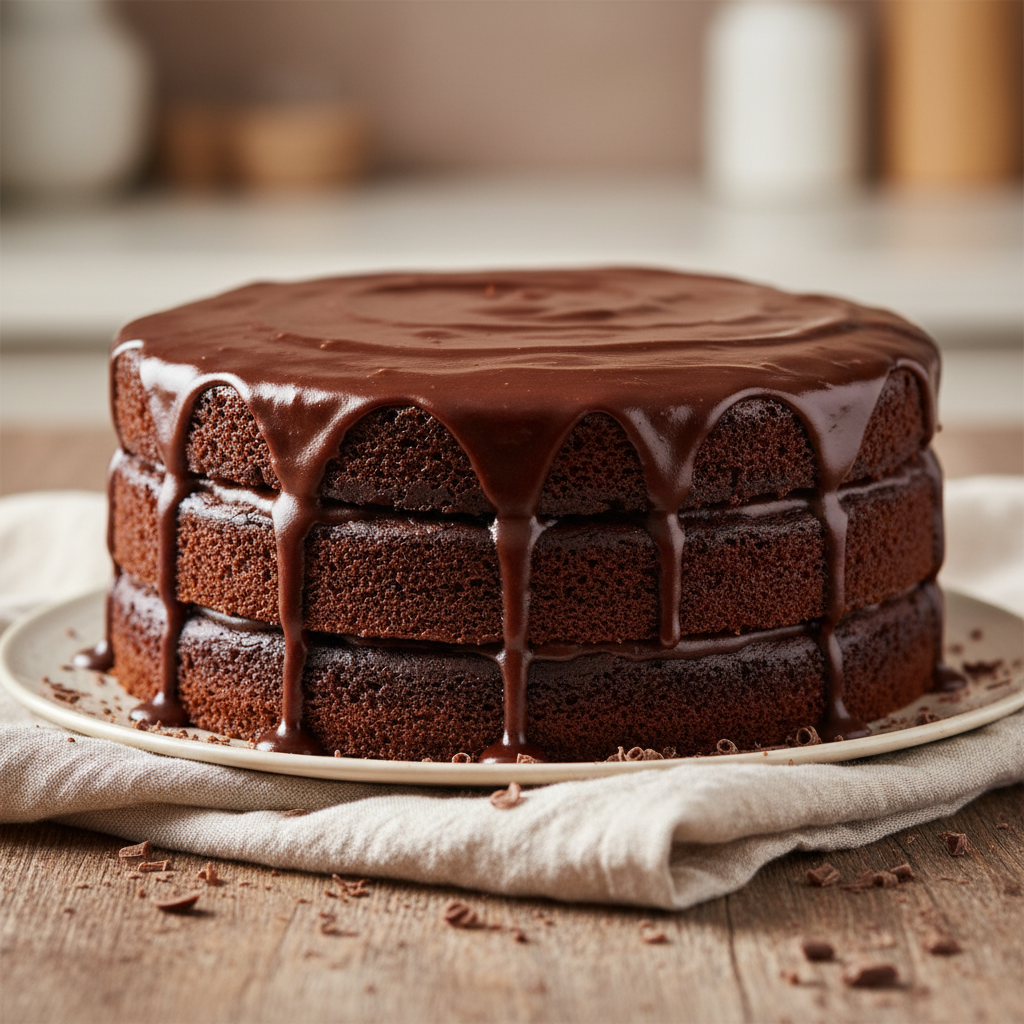
Chocolate Fudge Cake (Dairy-Free)
Whisking the cocoa powder into hot water before adding it to the batter, rather than adding it dry, is what blooms its flavor into something deep and rich instead of flat and dusty.
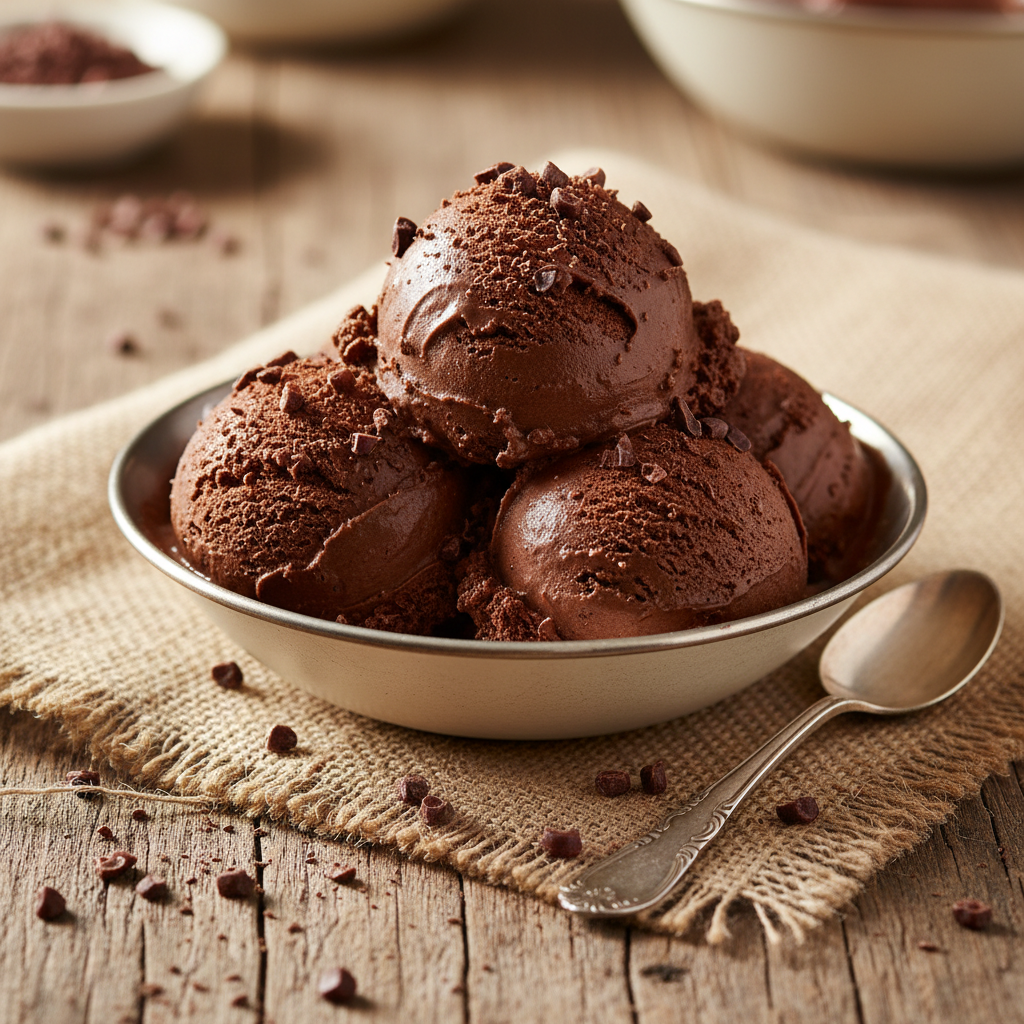
Chocolate Ice Cream (No-Churn)
Whisking the cocoa powder into a small amount of hot water first to form a smooth paste before folding it into the whipped cream is what prevents dry cocoa clumps from ending up in the finished ice cream.
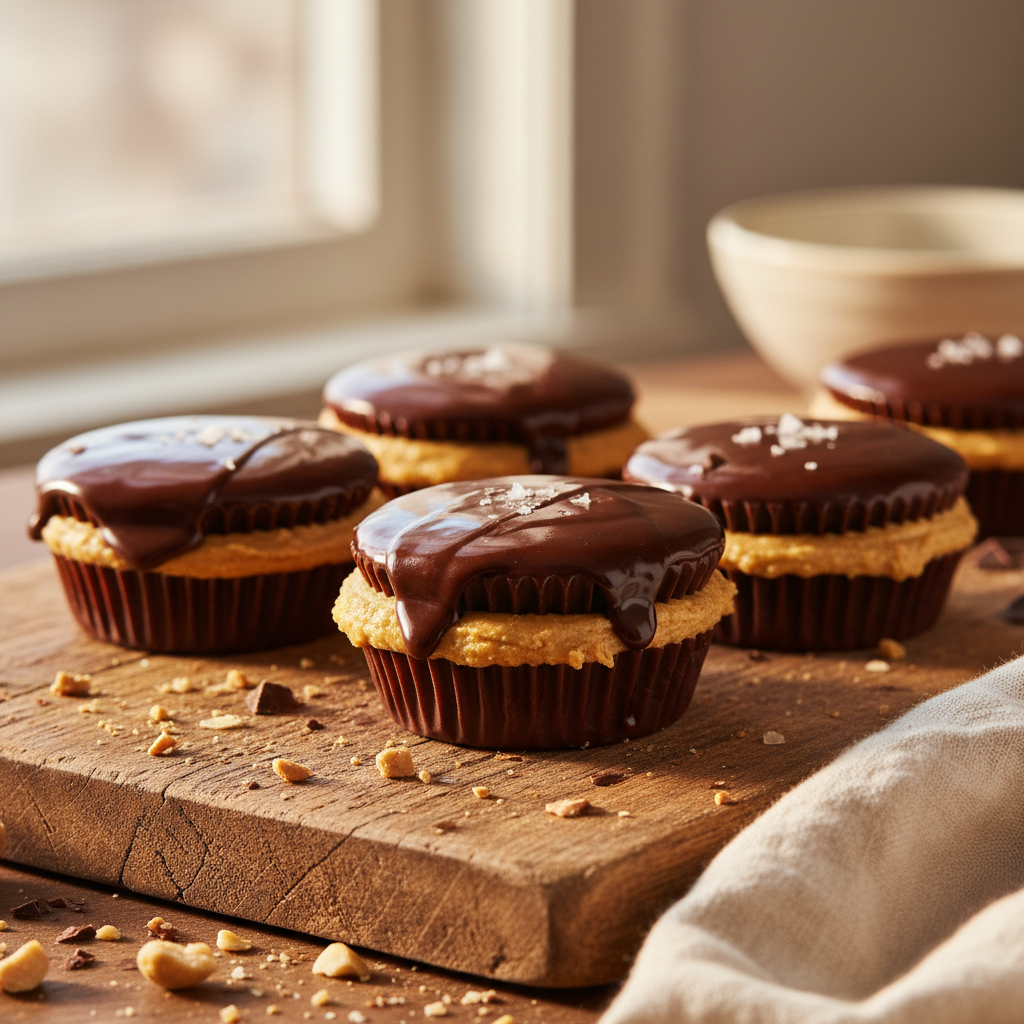
Chocolate Peanut Butter Cups
Chilling the bottom layer of chocolate until fully solid before adding the peanut butter filling is what keeps the two layers distinct instead of merging into a single swirled mess.
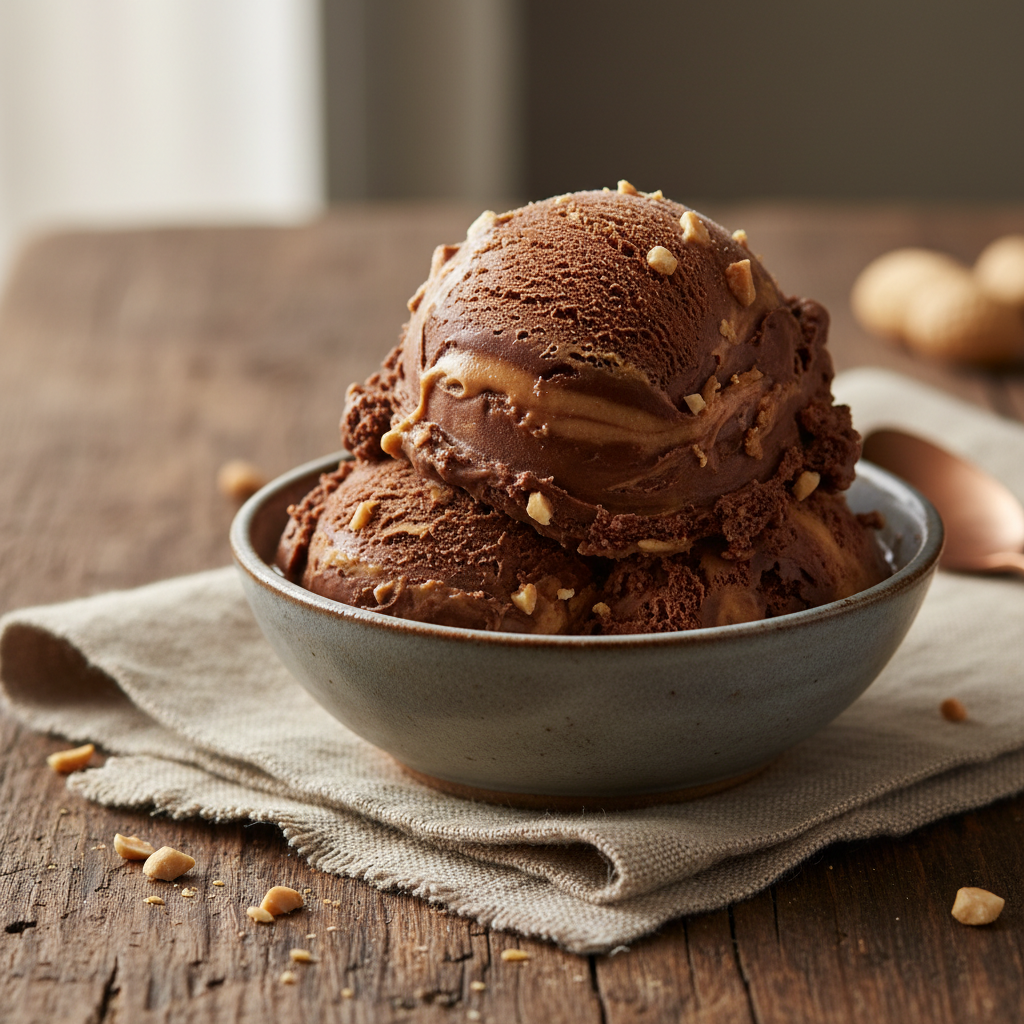
Chocolate Peanut Butter Ice Cream
Warming the peanut butter slightly before swirling it through the frozen base is what keeps it soft enough to ripple through in distinct streaks instead of freezing into hard, unchewable clumps.
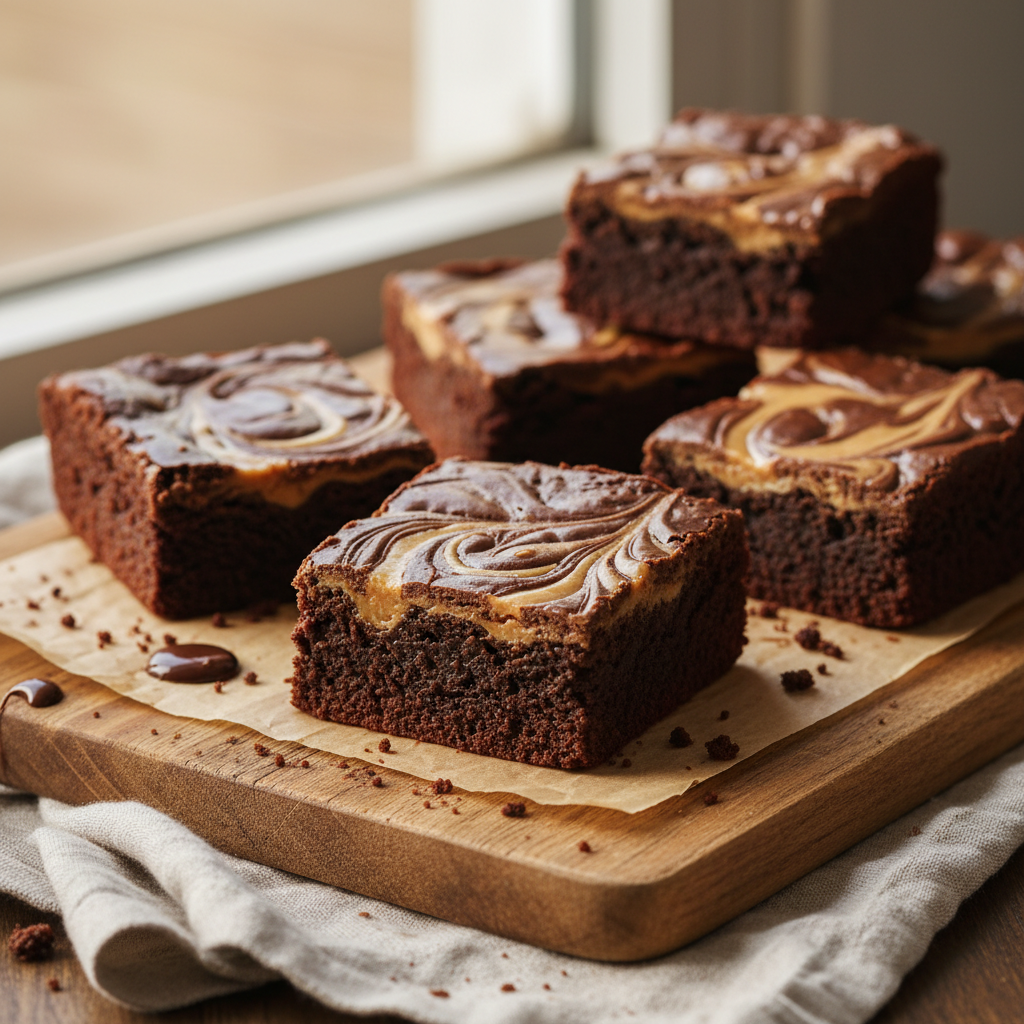
Chocolate Peanut Butter Swirl Brownies
Dragging a knife through the peanut butter and brownie batter in a figure-eight pattern, rather than stirring, is what creates distinct swirls instead of blending the two into one uniform brown batter.
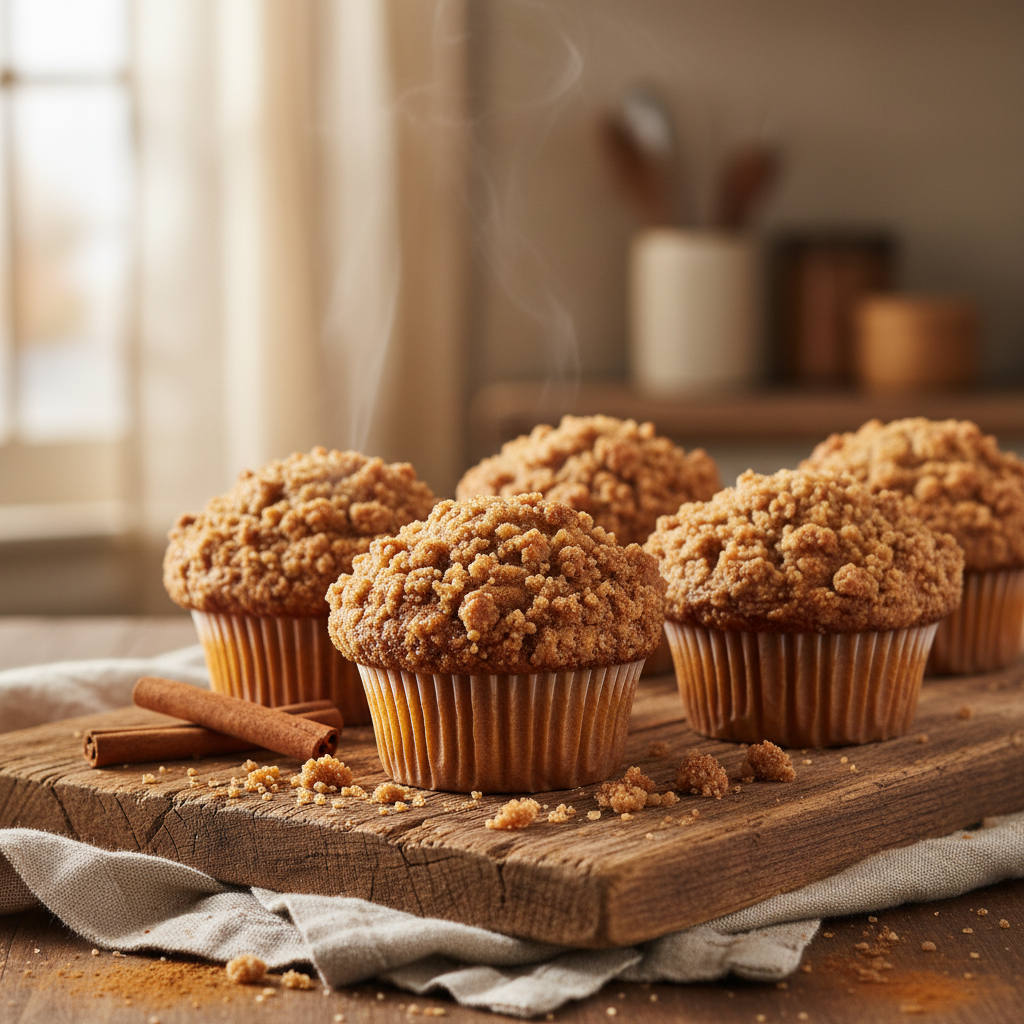
Cinnamon Streusel Muffins
Chilling the streusel topping for 10 minutes before it goes on the muffins is what keeps it from melting flat into the batter as soon as it hits the hot oven.
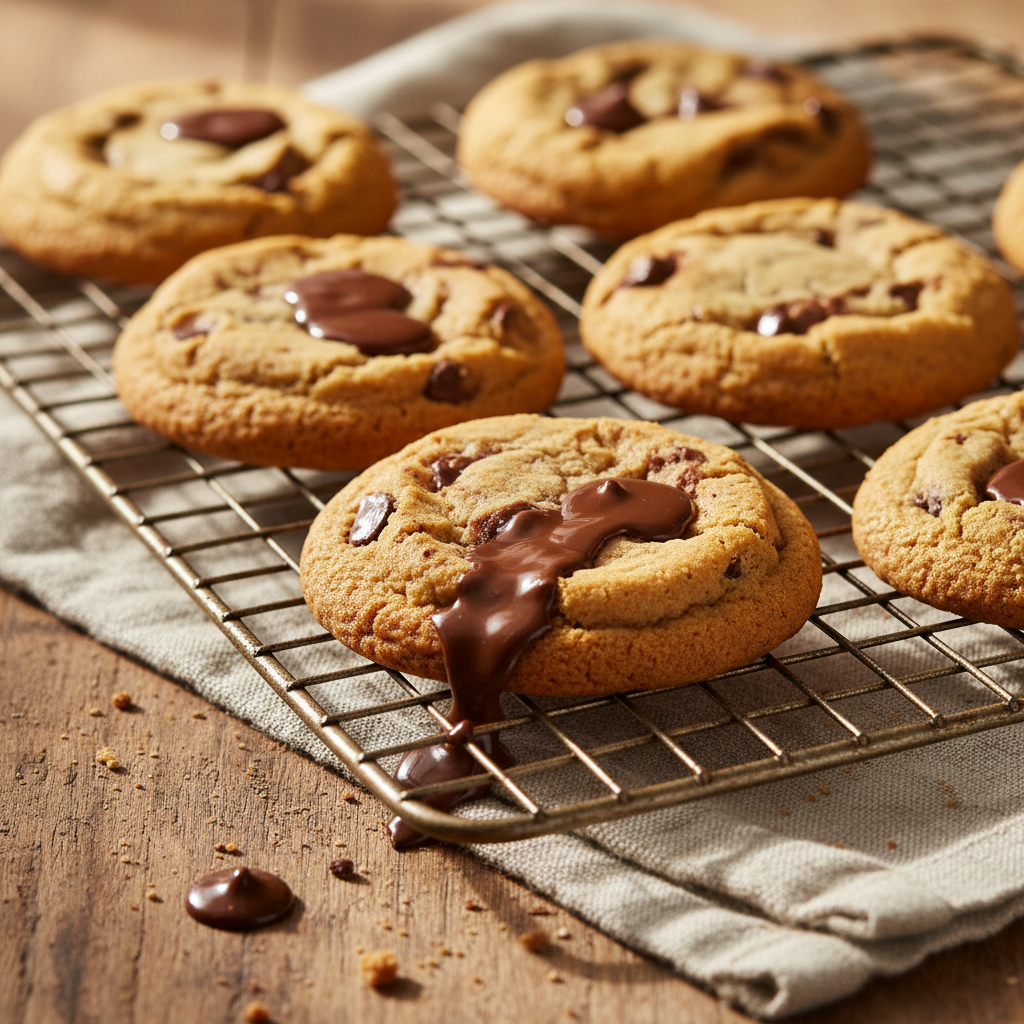
Classic Chocolate Chip Cookies (Gluten-Free, Dairy-Free)
Chilling the dough for at least 30 minutes before baking is what keeps almond flour cookies from spreading into thin, greasy puddles in the oven.
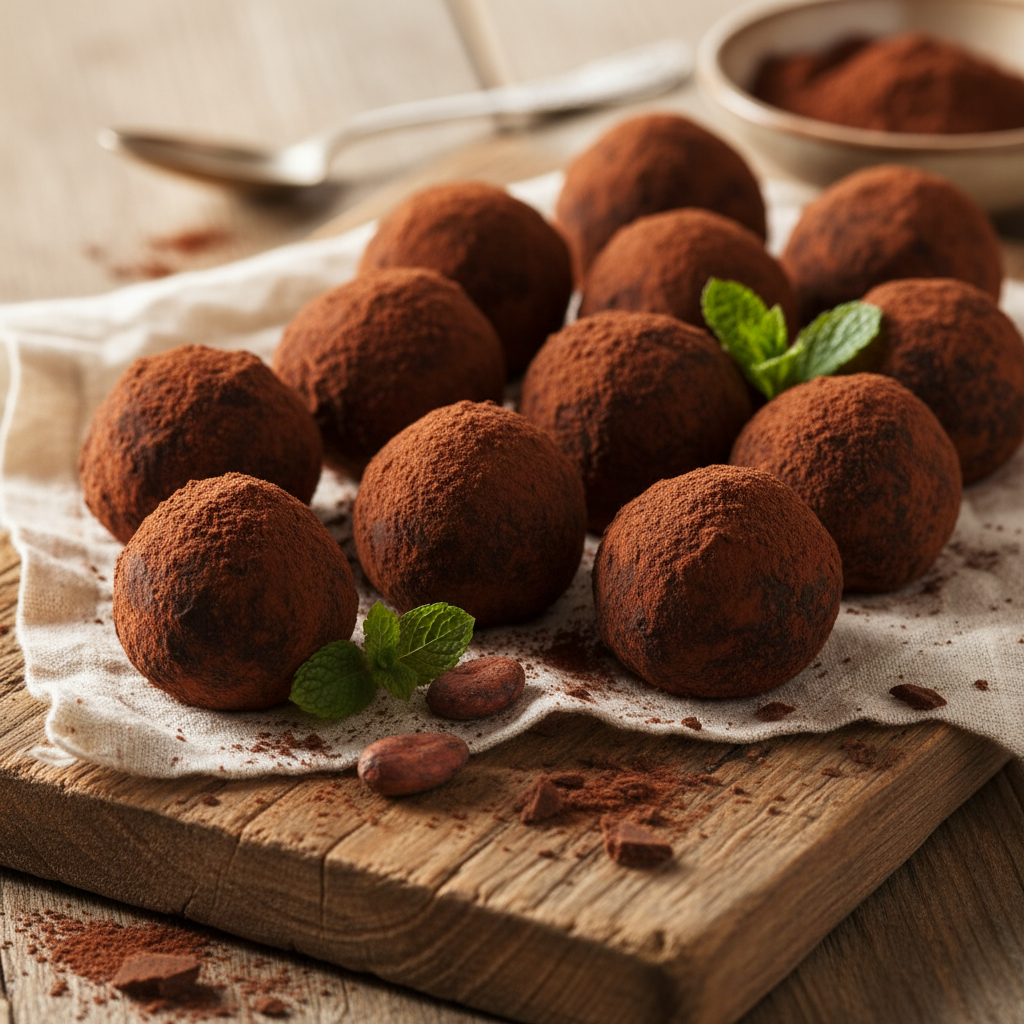
Classic Chocolate Truffles
Chilling the ganache until firm enough to hold a scooped shape before rolling is what lets you form clean round balls instead of the mixture sticking to your hands and smearing.
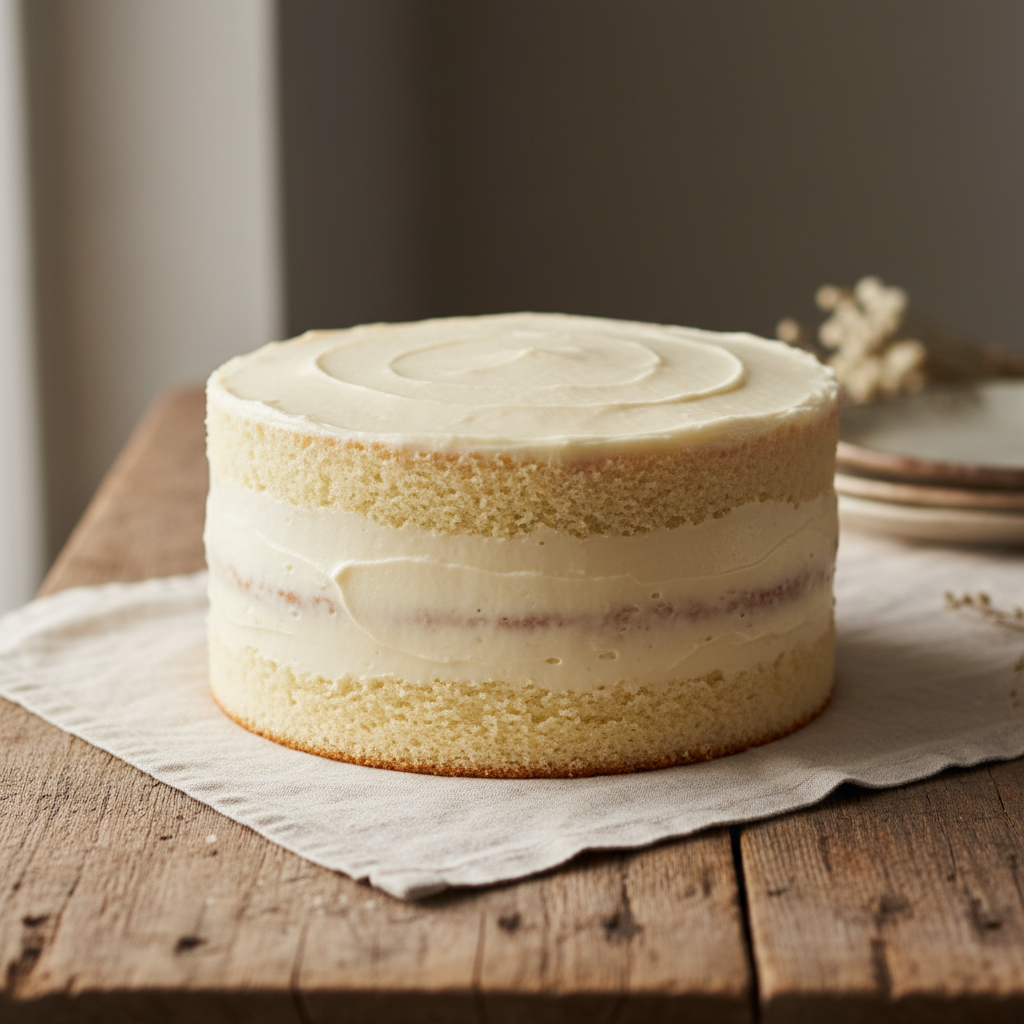
Classic Vanilla Cake (Gluten-Free, Dairy-Free)
Creaming the dairy-free butter and allulose until visibly pale and fluffy, not just combined, is what beats enough air into the batter for a fine, tender crumb instead of a dense one.
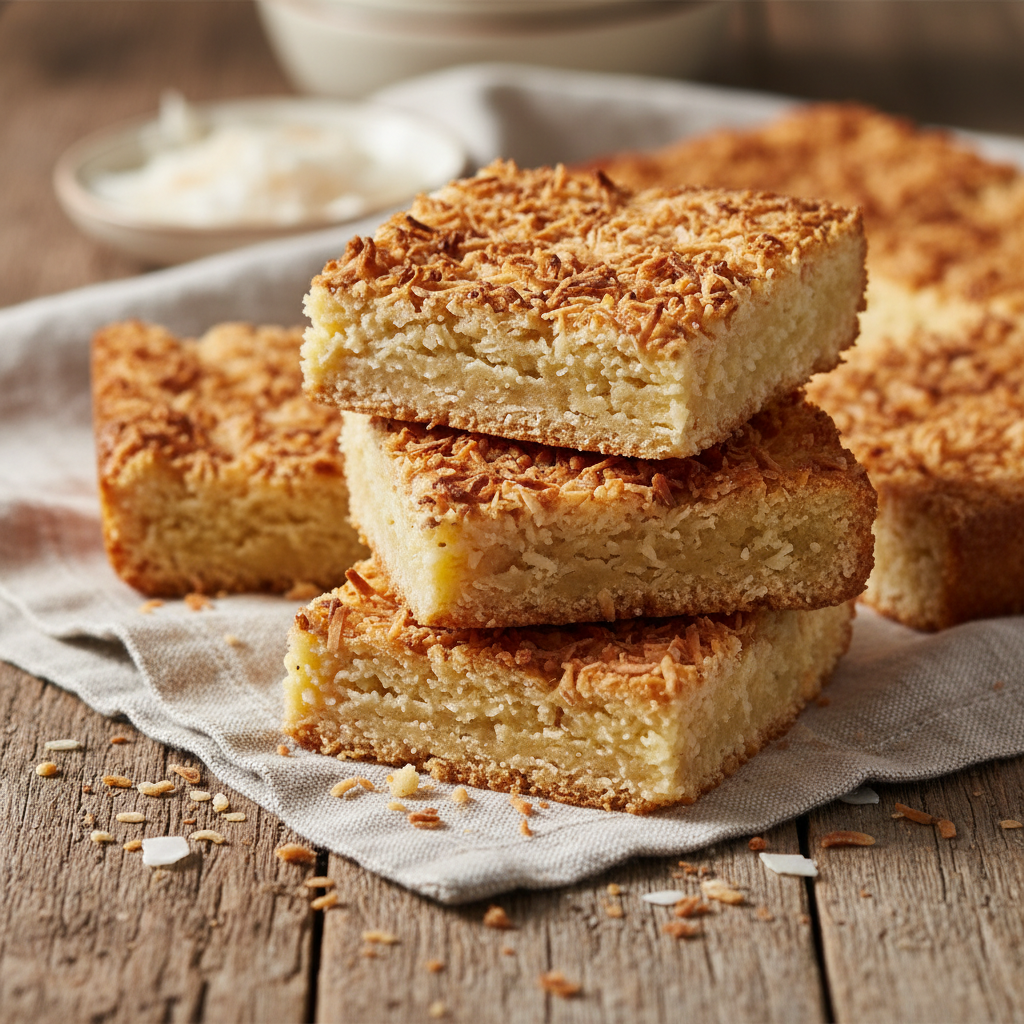
Coconut Blondies
Toasting half the shredded coconut before folding it into the batter, while leaving the rest raw for the topping, gives these blondies two distinct layers of coconut flavor and texture.
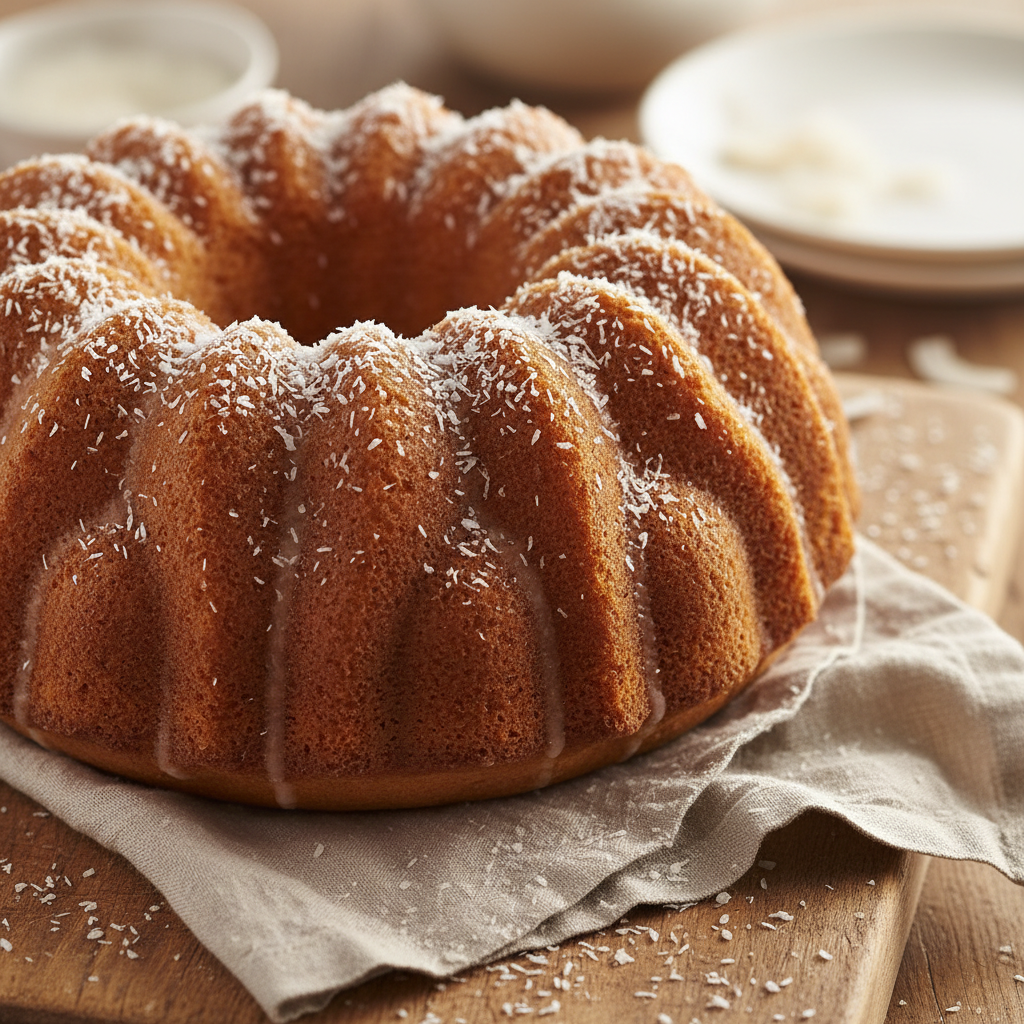
Coconut Bundt Cake
Greasing every groove of the bundt pan by hand and dusting it with coconut flour, rather than just spraying it, is what lets the cake release cleanly instead of tearing apart in the pan's ridges.
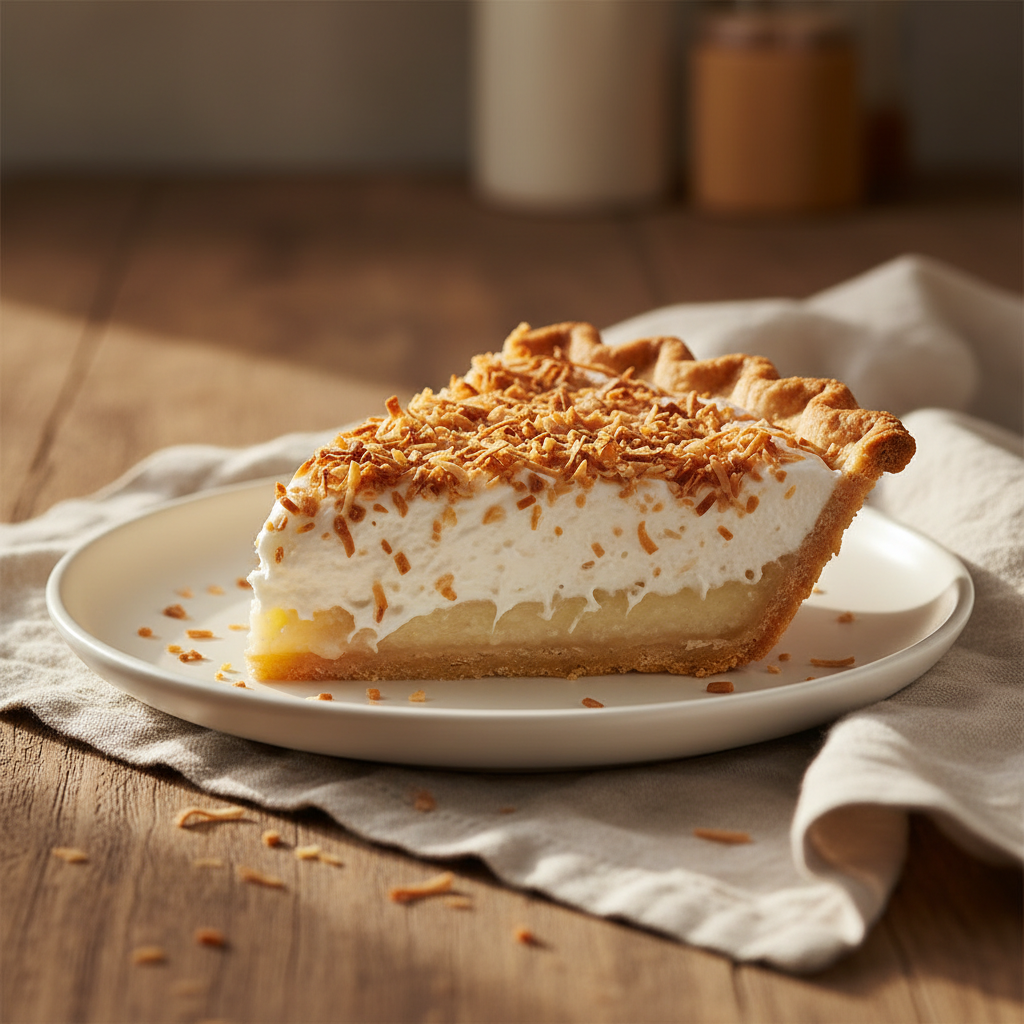
Coconut Cream Pie (No-Bake)
Toasting the shredded coconut for the topping while leaving the coconut inside the filling untoasted is what gives this pie two distinct layers of coconut flavor, from mild and creamy to deep and nutty.
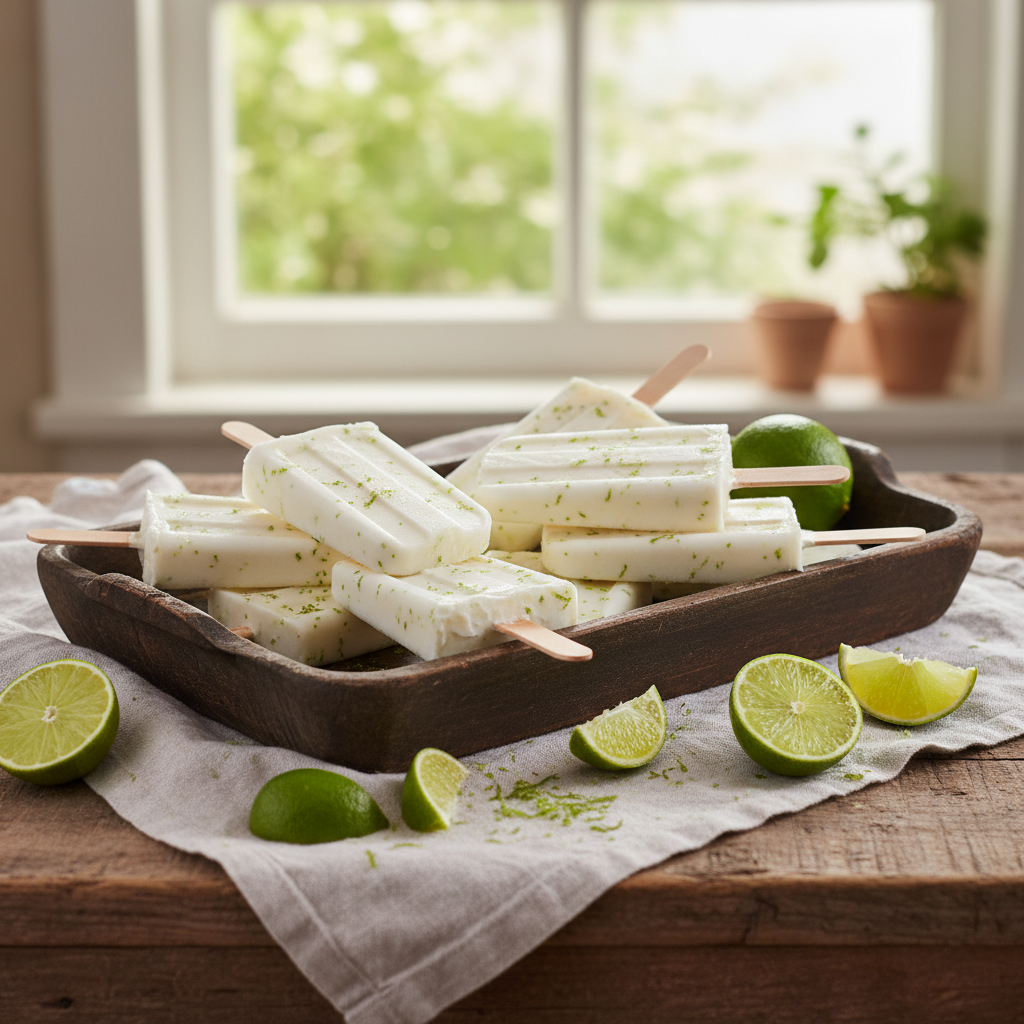
Coconut Lime Popsicles
Straining the mixture through a fine mesh sieve before pouring it into the molds is what removes any lime zest fibers or pulp that would otherwise freeze into a distracting gritty texture.
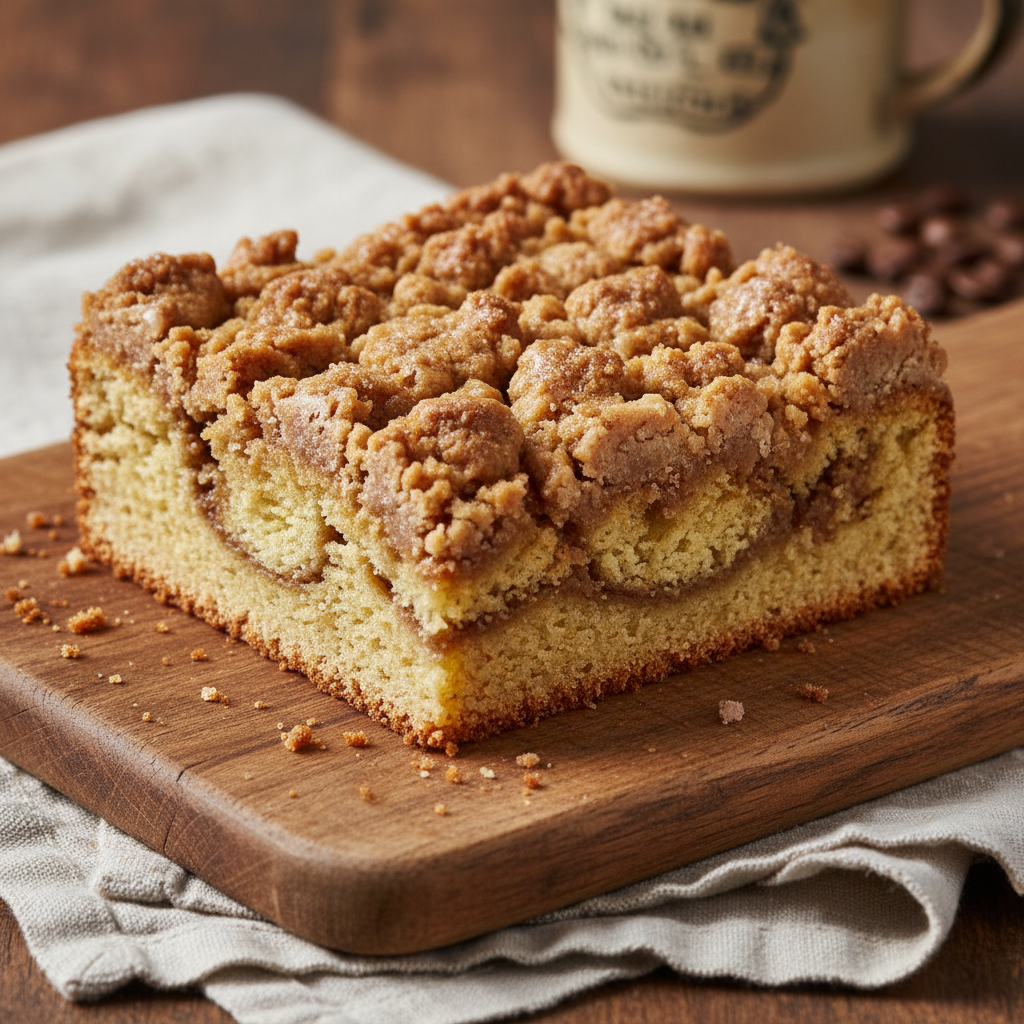
Coffee Crumb Cake
Keeping the dairy-free butter cold and cutting it into the crumb topping with your fingertips, rather than melting it, is what keeps the topping crumbly and distinct instead of turning into a paste that sinks into the cake.
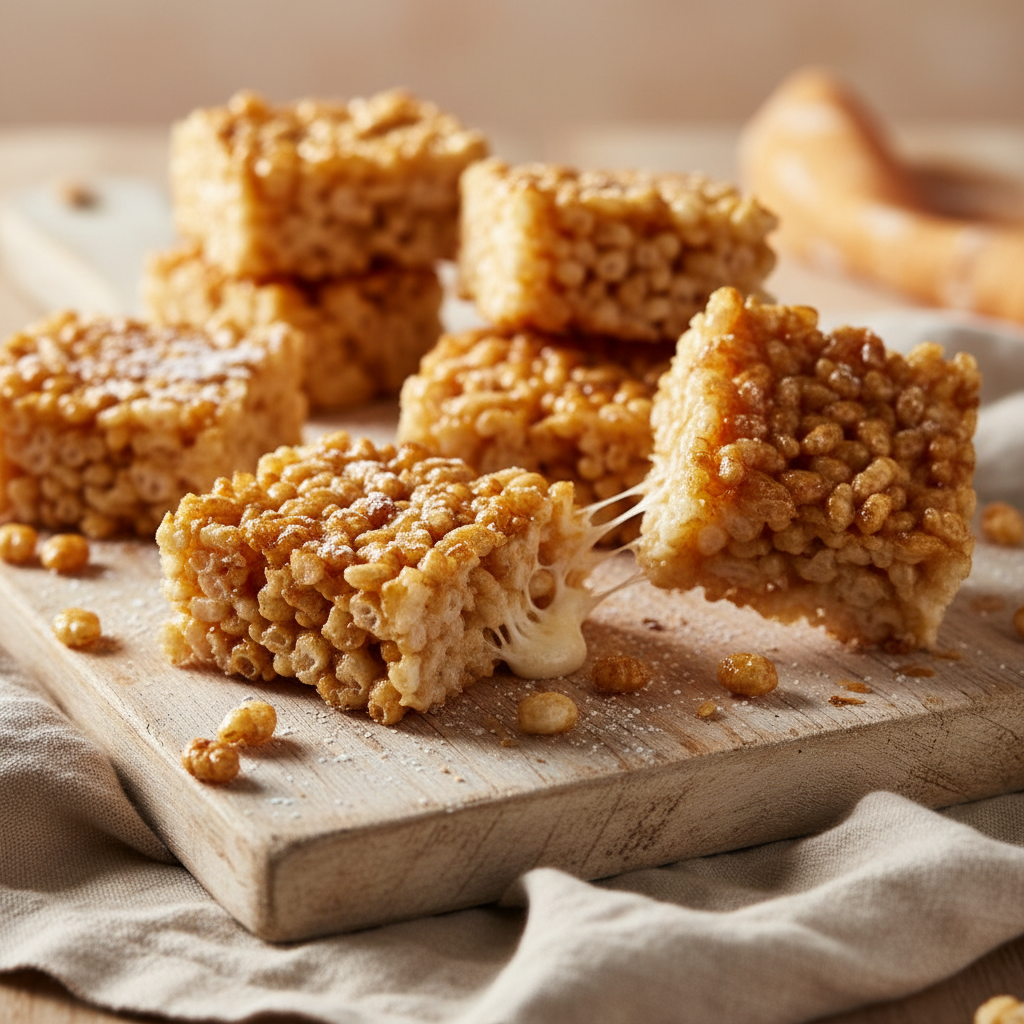
Crispy Rice Treats (Gluten-Free, Dairy-Free)
Working quickly while the nut butter and date mixture is still warm and sticky is what lets it coat every piece of puffed rice evenly before it firms up and turns unworkable.
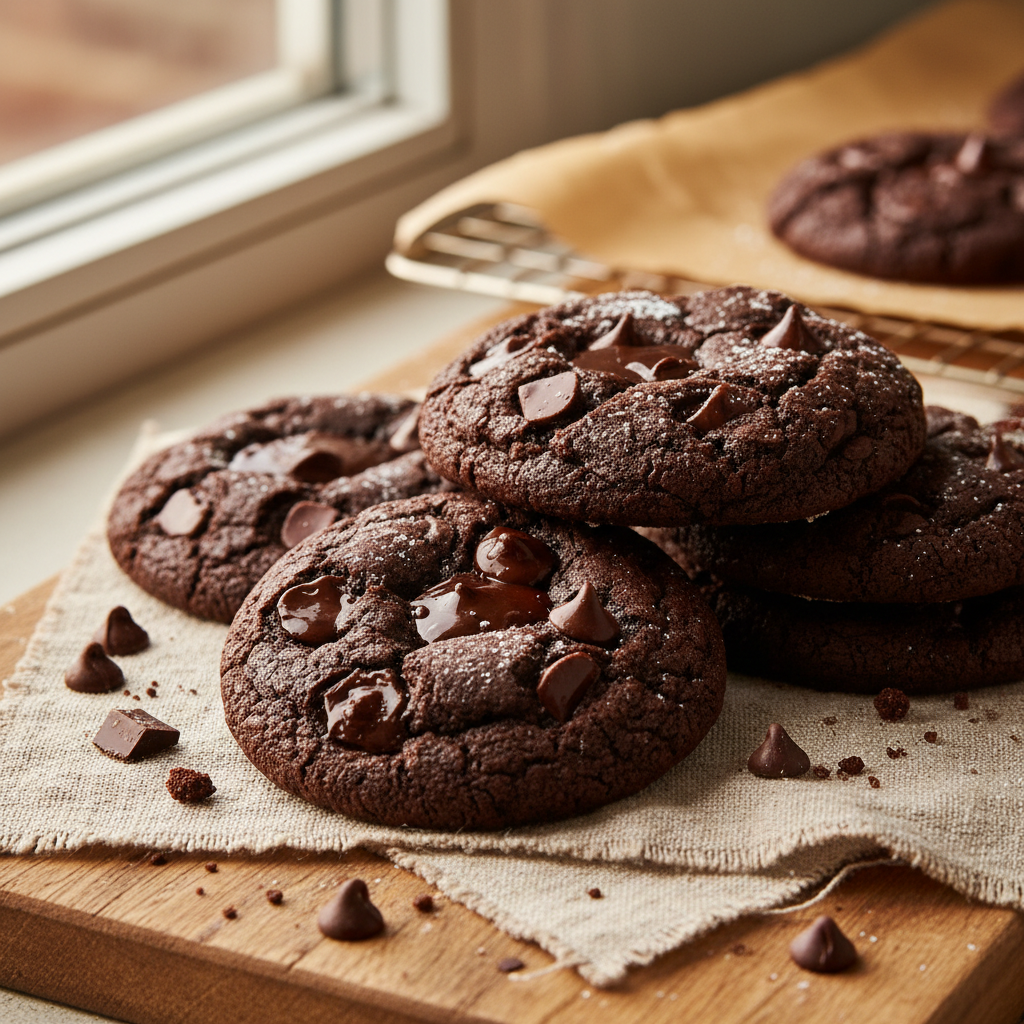
Double Chocolate Cookies
Melting the chocolate and letting it cool to just warm, not hot, before mixing it into the dough is what keeps the eggs from scrambling on contact.
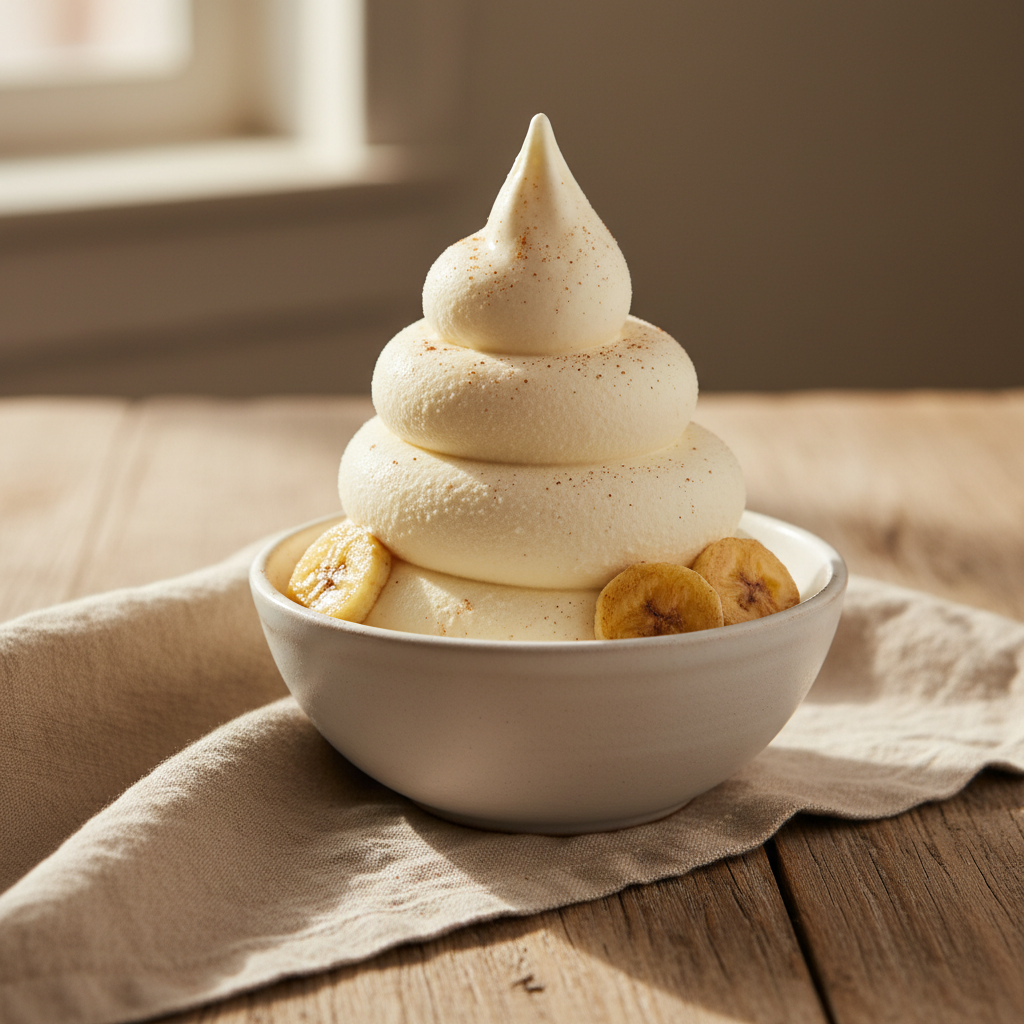
Frozen Banana "Nice Cream"
Scraping down the sides of the food processor repeatedly during blending is what breaks the frozen banana pieces down into a genuinely smooth, creamy texture instead of leaving it chunky and unevenly blended.
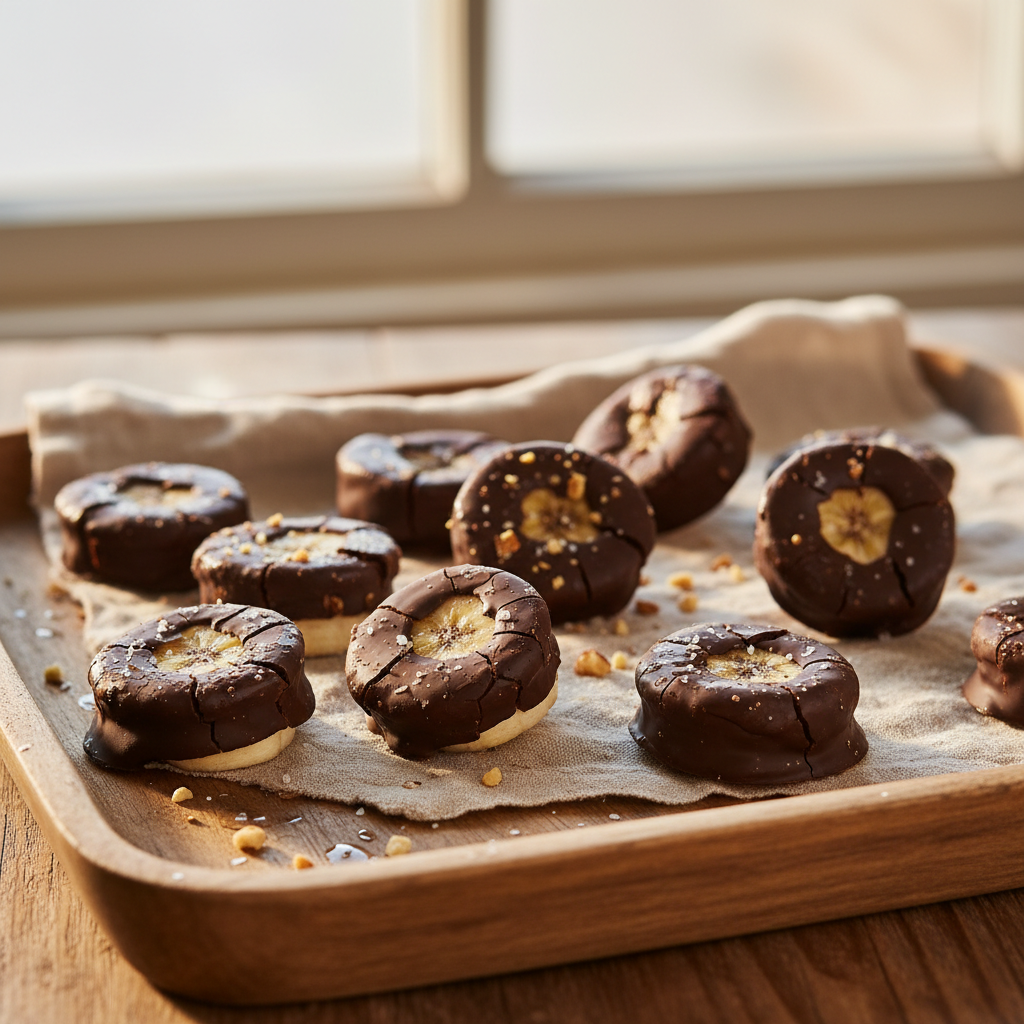
Frozen Chocolate-Covered Banana Bites
Adding a spoonful of coconut oil to the melted chocolate before dipping is what makes it set into a thin, crackly shell the instant it touches the frozen banana, instead of staying soft and never fully hardening.
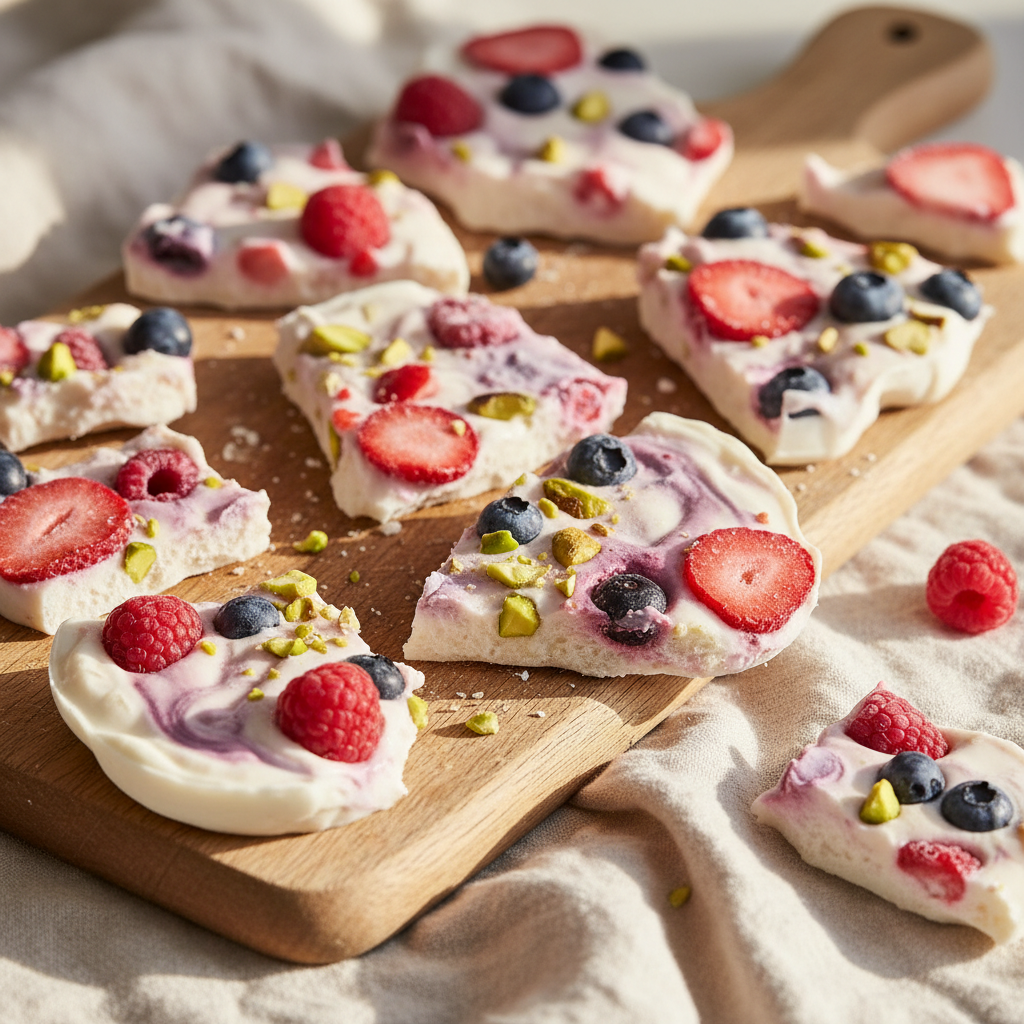
Frozen Yogurt Bark
Spreading the yogurt mixture into a thin, even layer before freezing is what lets it snap cleanly into shards once frozen instead of thawing into a mushy puddle before you can break it apart.
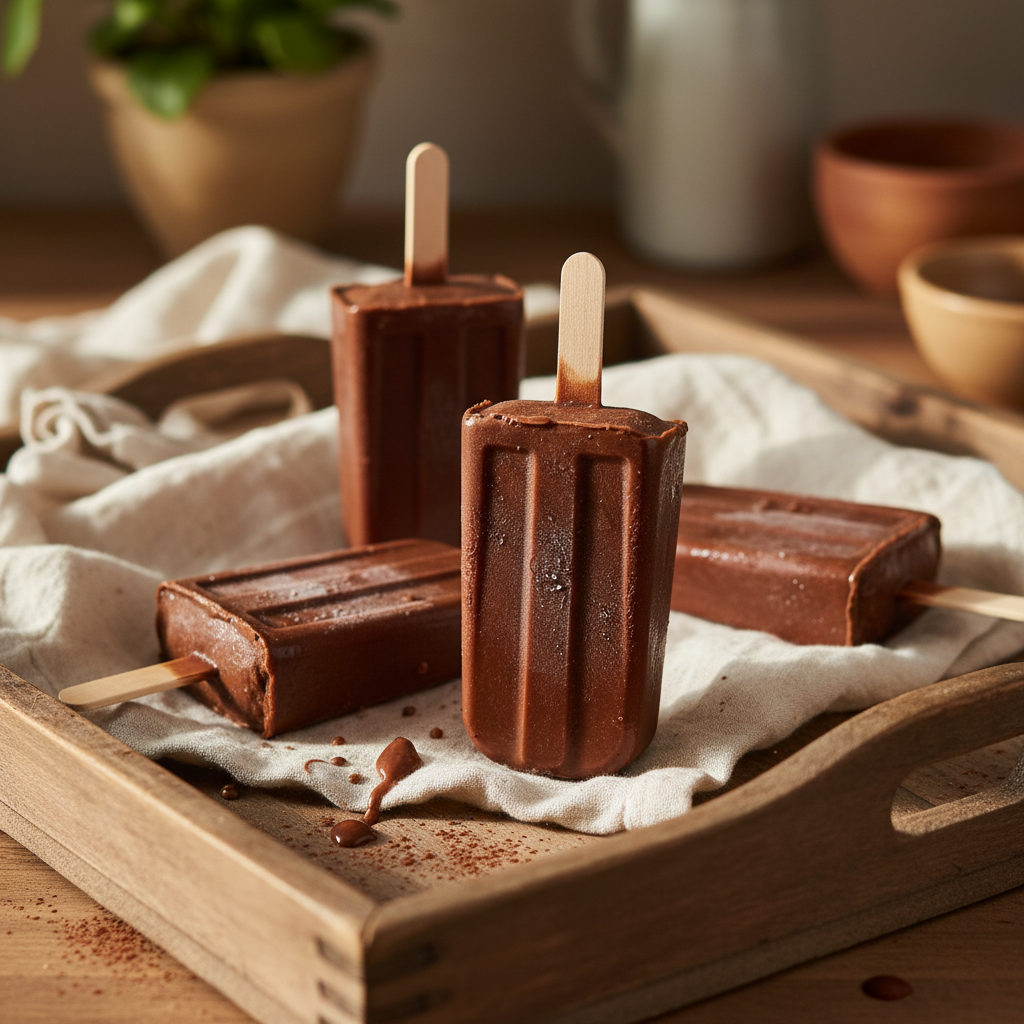
Fudge Pops
Blending the mixture until completely smooth, with no visible cocoa specks, is what keeps these pops from tasting gritty once frozen, since freezing only makes any undissolved texture more noticeable, not less.
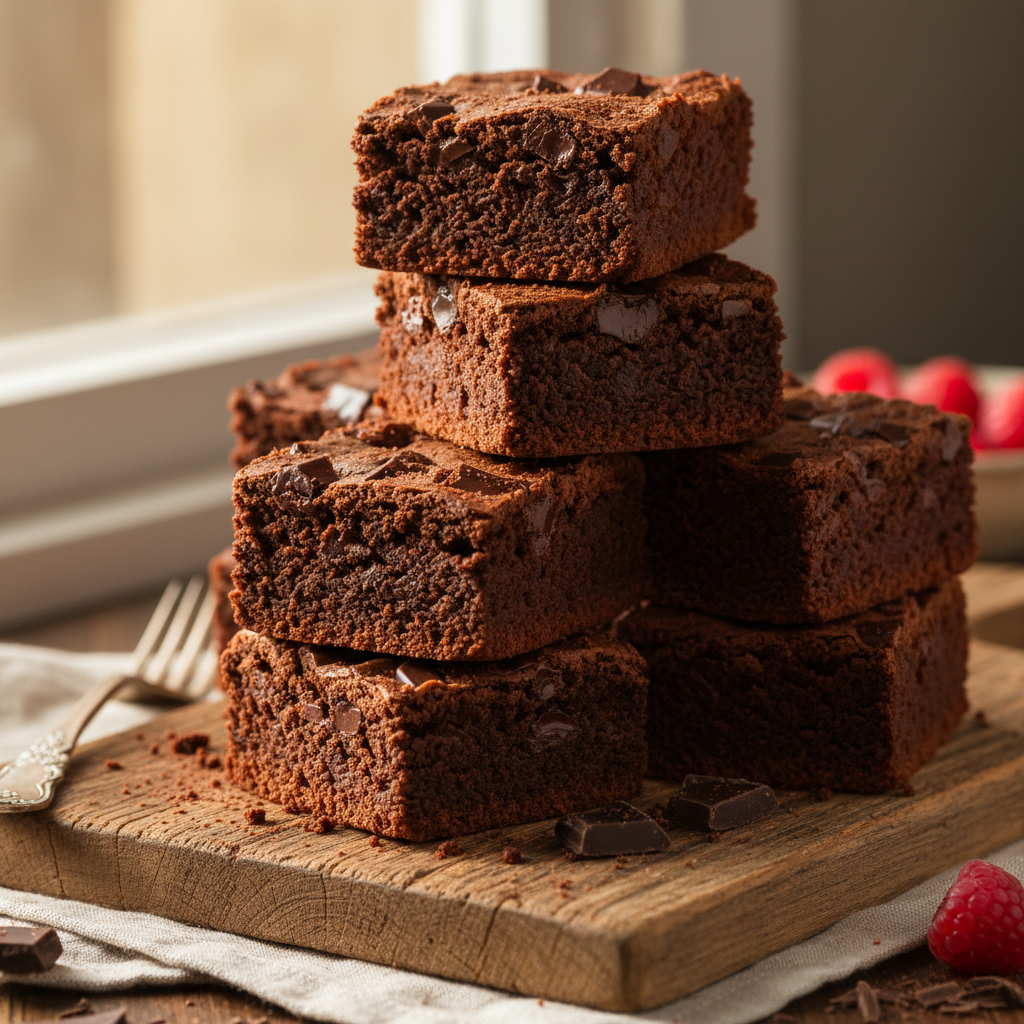
Fudgy Chocolate Brownies (Dairy-Free)
Pulling the brownies from the oven when a toothpick comes out with a few moist crumbs still clinging to it, not completely clean, is what keeps them fudgy instead of cakey and dry.
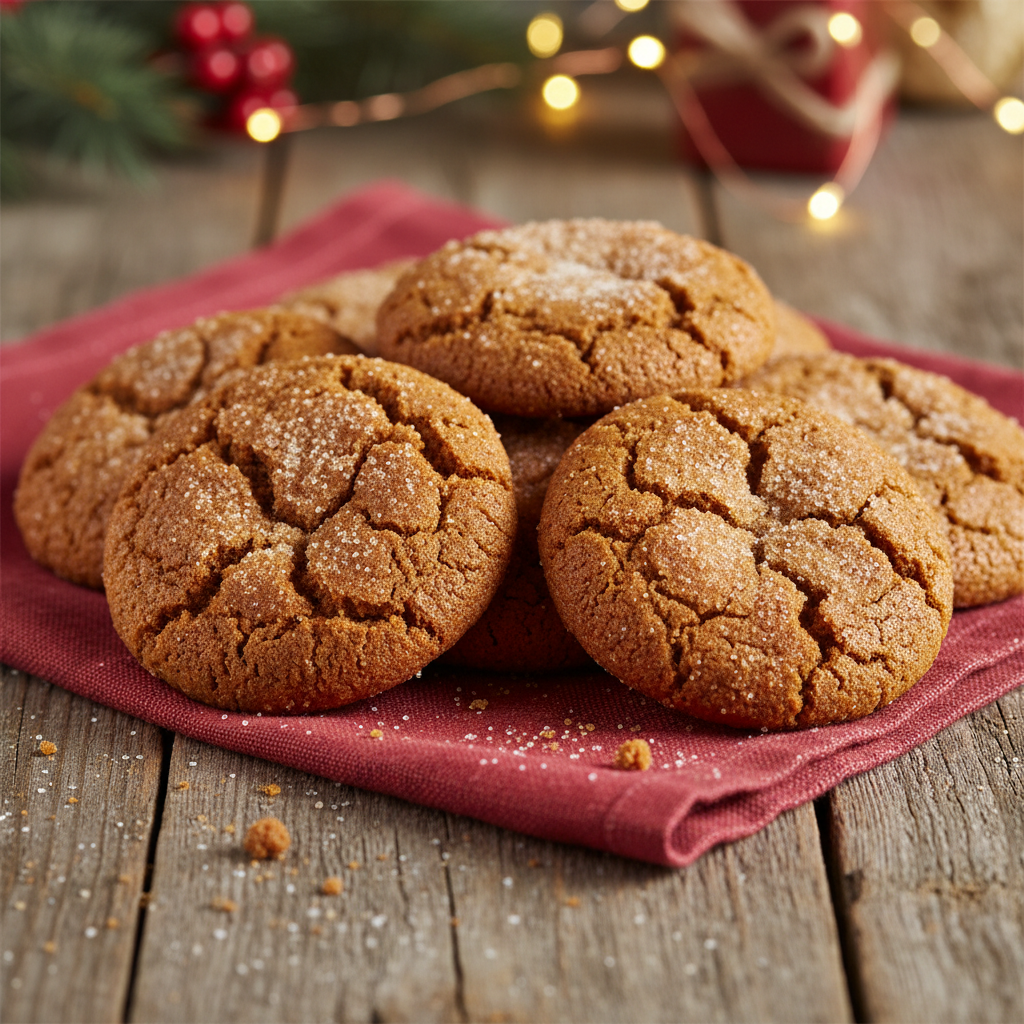
Ginger Molasses Cookies (Sugar-Free)
Rolling the chilled dough balls in allulose before baking, then letting the cookies crack naturally as they spread, is what gives ginger molasses cookies their signature crackled top.
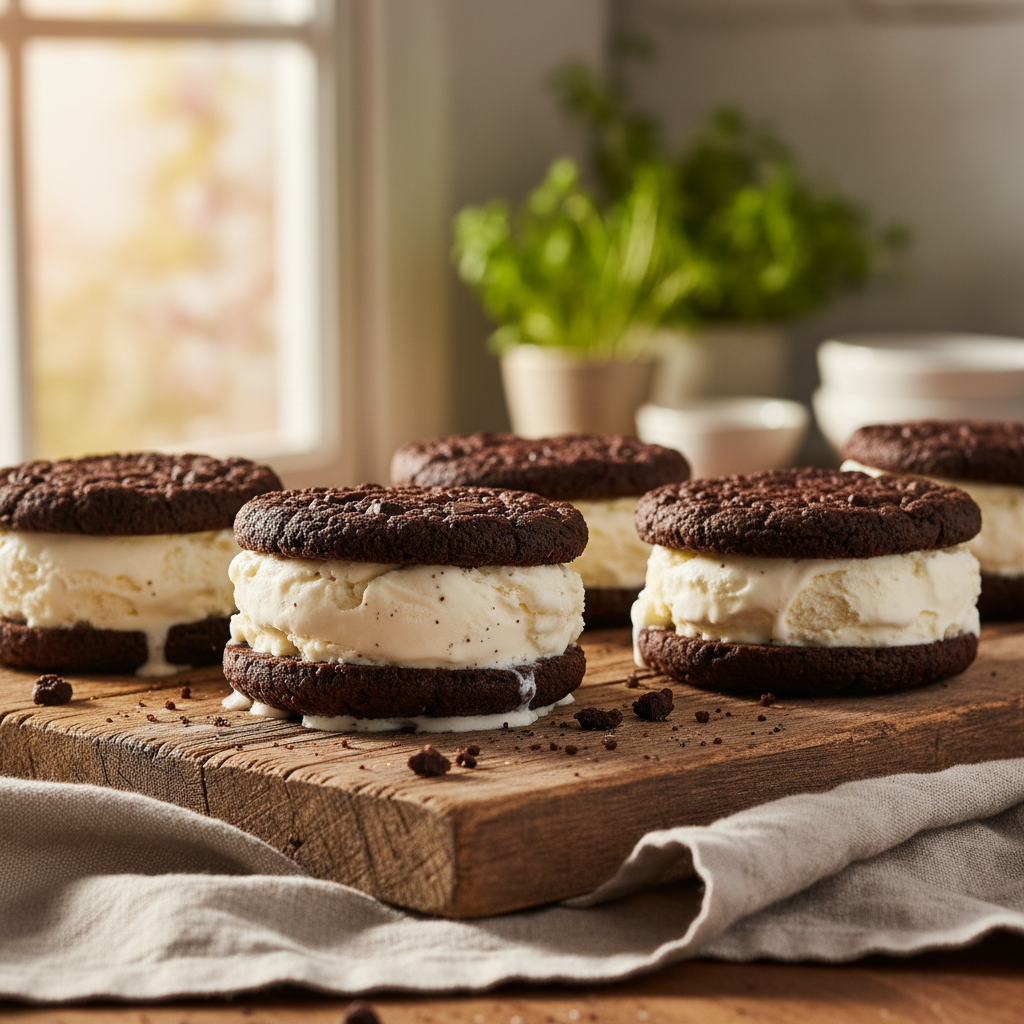
Ice Cream Sandwiches
Letting the ice cream soften at room temperature for 10 minutes before scooping is what makes it pliable enough to press between the cookies without cracking them, instead of forcing rock-hard scoops that split the cookies apart.
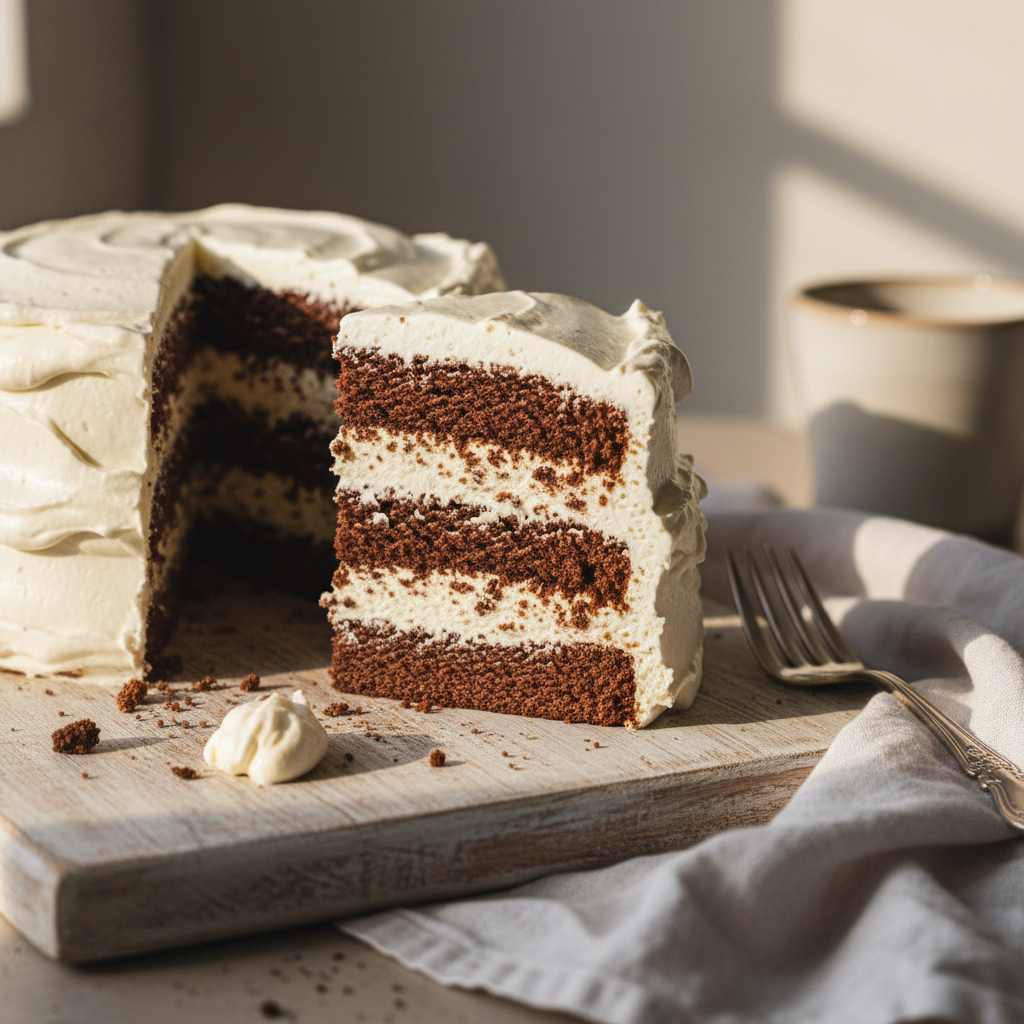
Icebox Chocolate Cookie Cake
Letting the assembled cake rest in the fridge overnight, not just a couple hours, is what gives the cream enough time to fully soften the cookies into a true cake-like texture instead of staying crisp inside.
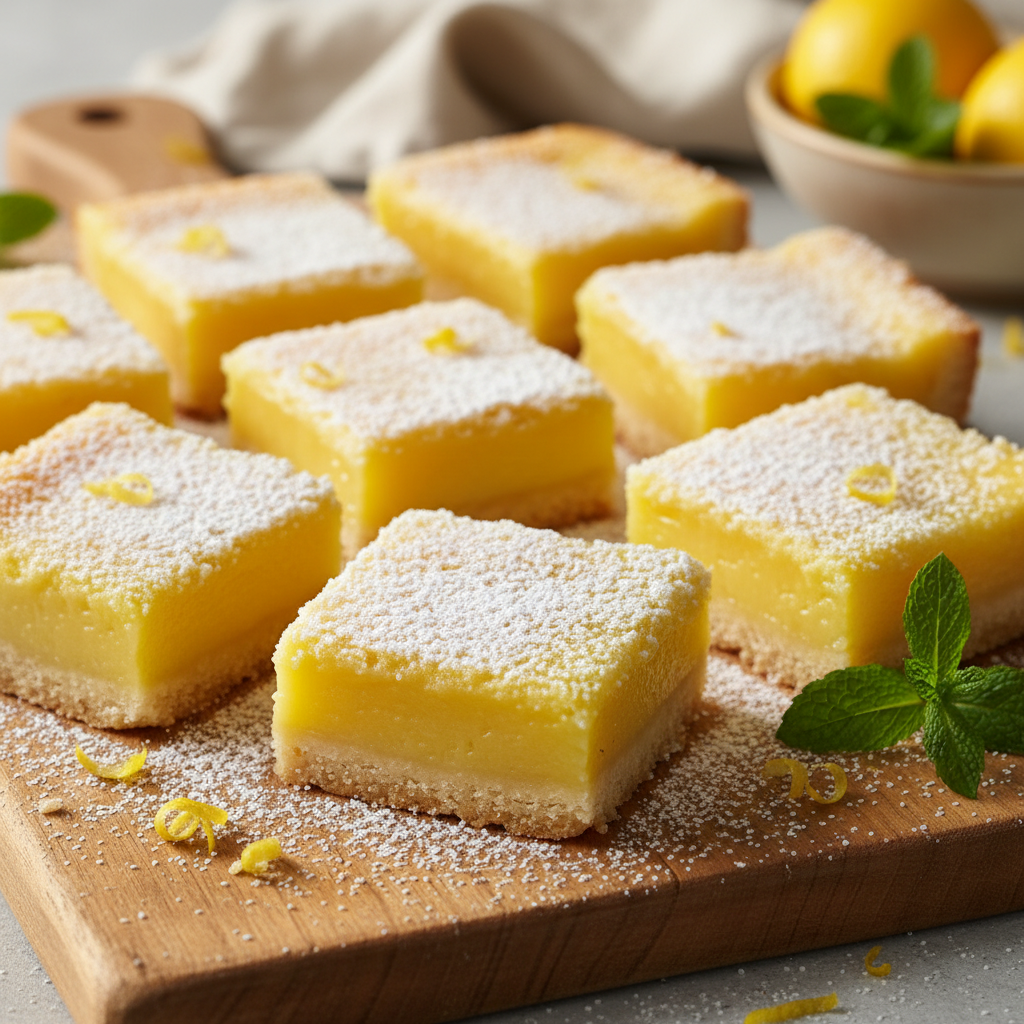
Lemon Bars (Gluten-Free)
Fully baking the crust on its own before pouring in the lemon filling is what keeps the bottom crisp instead of turning soggy under the wet curd.
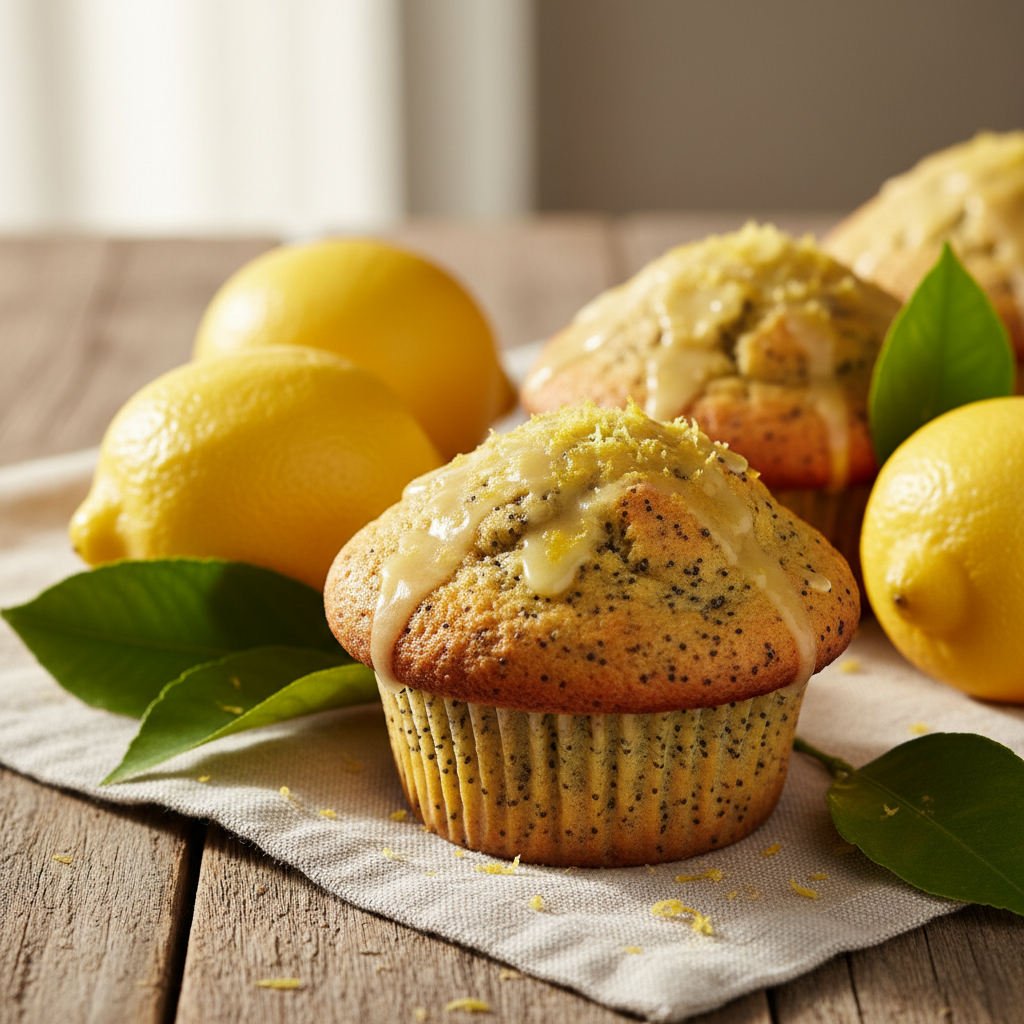
Lemon Poppy Seed Muffins
Rubbing the lemon zest into the allulose with your fingertips before mixing releases the citrus oils directly into the sugar, giving these muffins a far more concentrated lemon flavor than zest stirred in on its own.
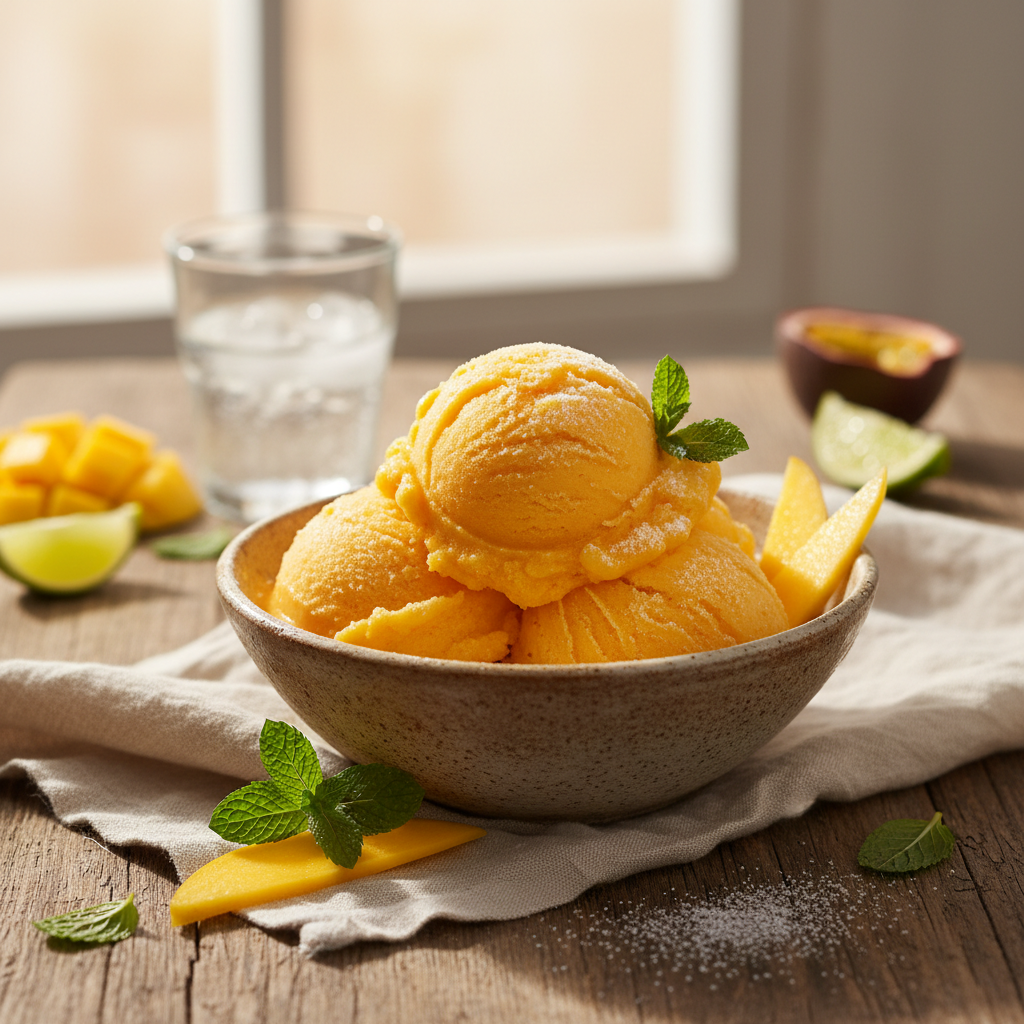
Mango Sorbet
Using fully ripe, fragrant mangoes rather than firm, underripe ones is what gives this sorbet its naturally smooth, silky texture, since underripe fruit stays fibrous even after blending.
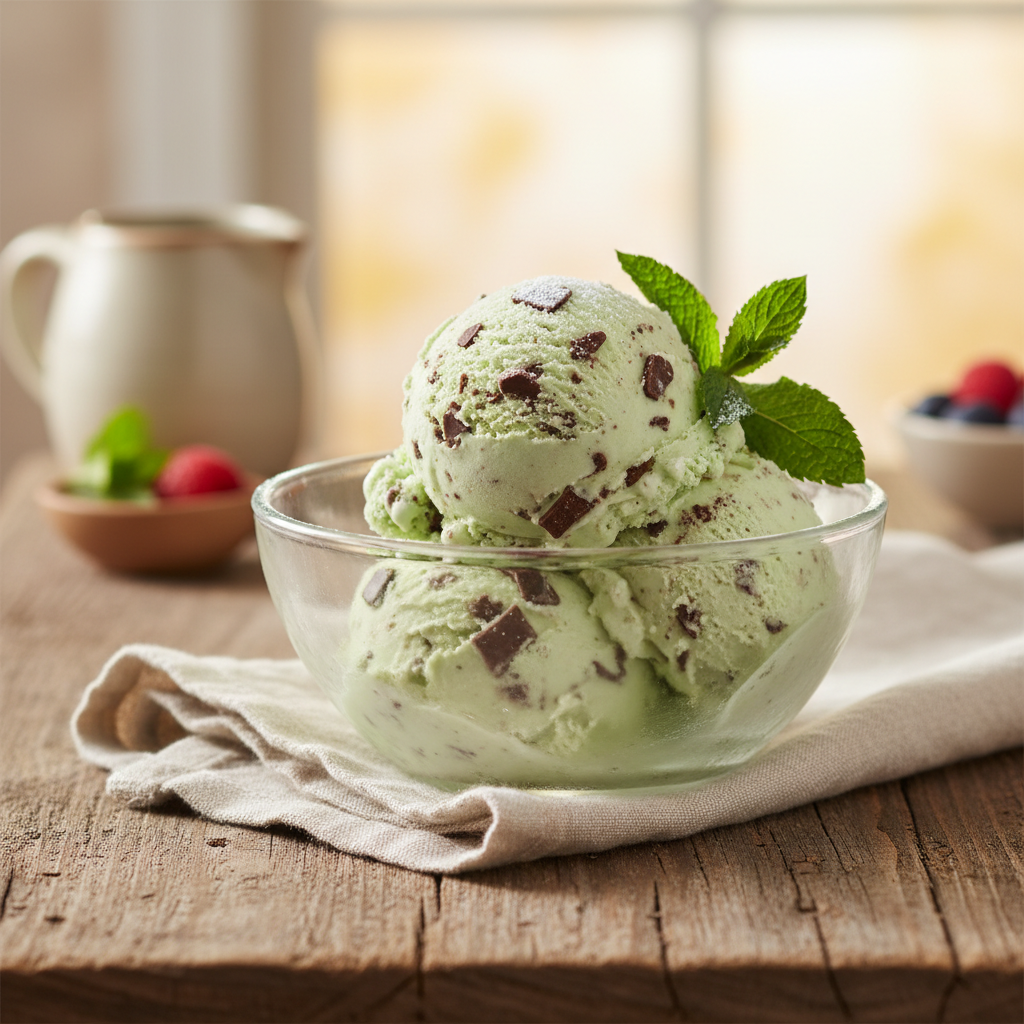
Mint Chip Ice Cream
Steeping fresh mint leaves directly in the coconut cream for 20 minutes before straining them out is what infuses a natural mint flavor deep into the base instead of relying on mint extract sitting only on the surface of the flavor.
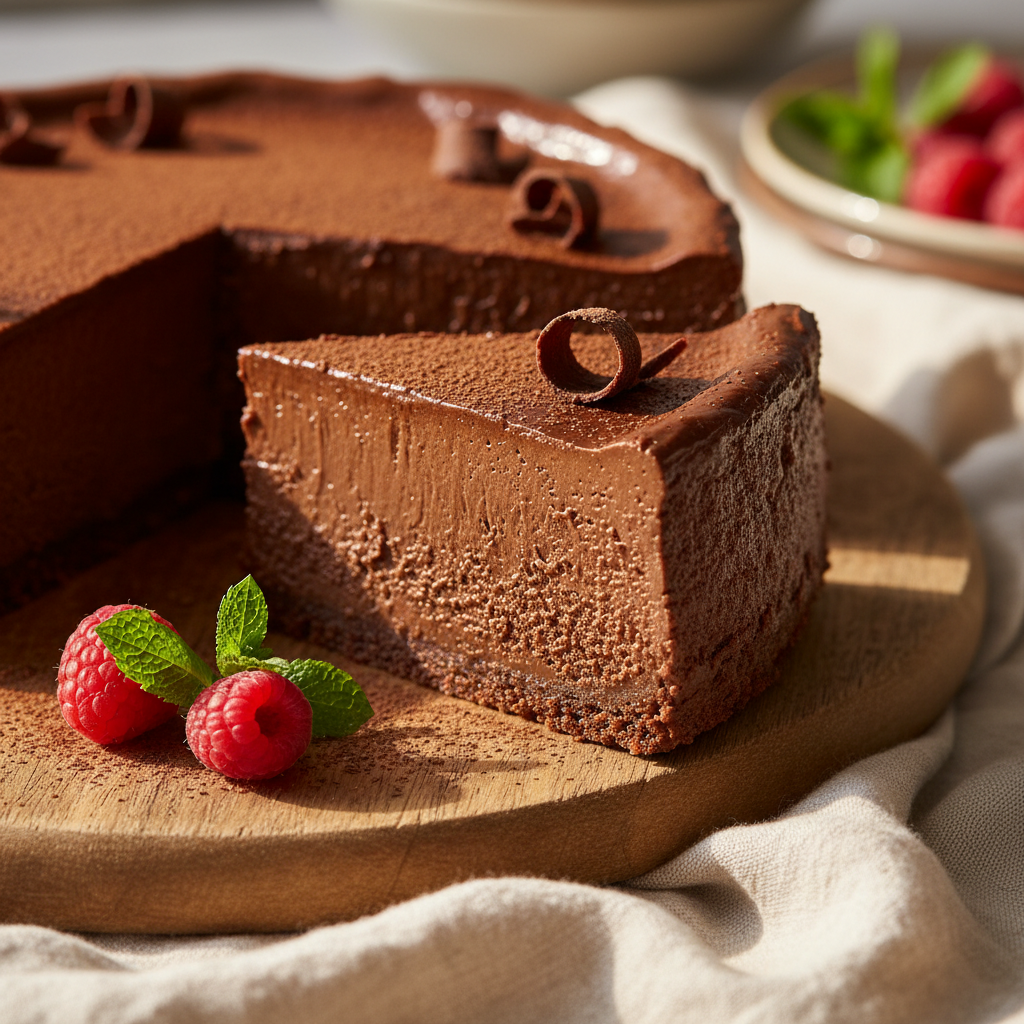
No-Bake Chocolate Cheesecake
Blooming the gelatin in cold water for 5 minutes before whisking it into warm melted chocolate is what lets it fully dissolve and set the filling firm and sliceable instead of leaving it soft and runny.
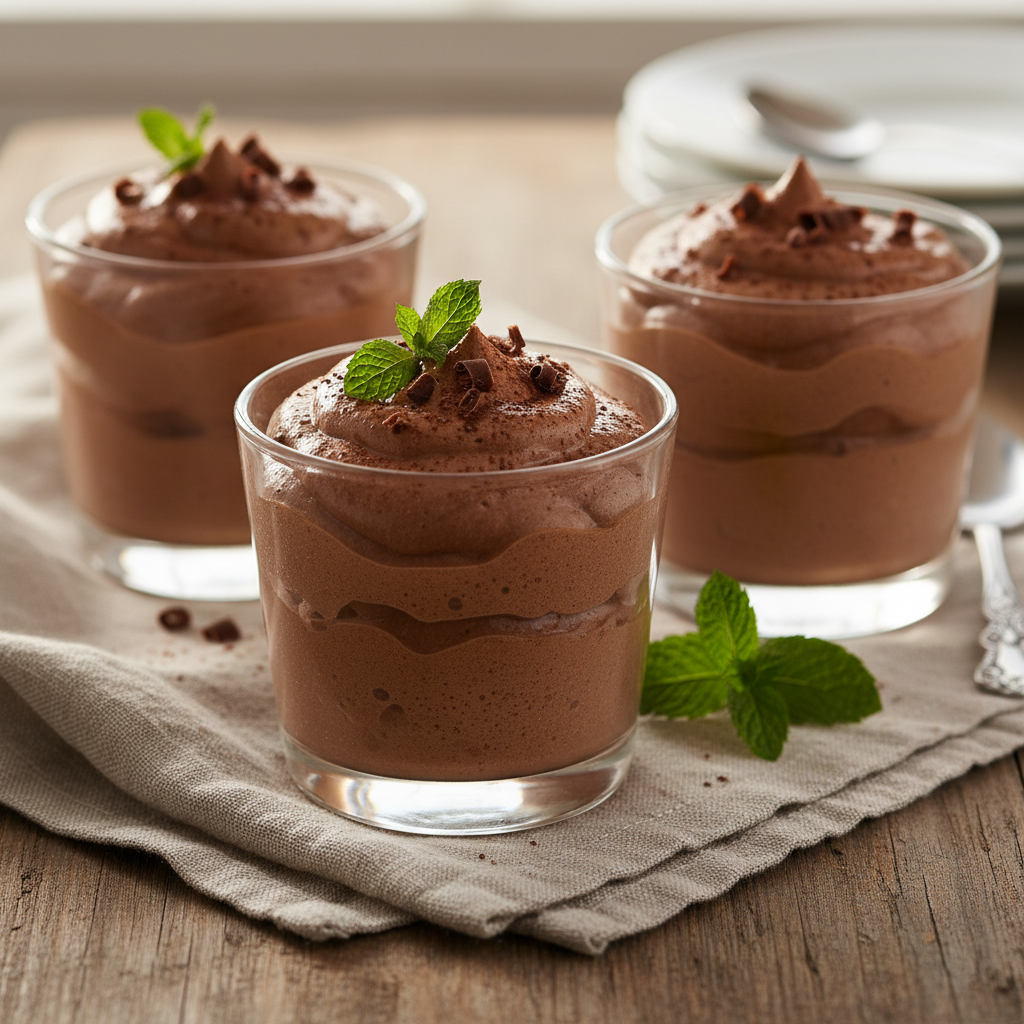
No-Bake Chocolate Mousse
Folding the whipped coconut cream into the melted chocolate in three small additions, rather than all at once, is what keeps the air bubbles intact for a light, airy mousse instead of a dense pudding.
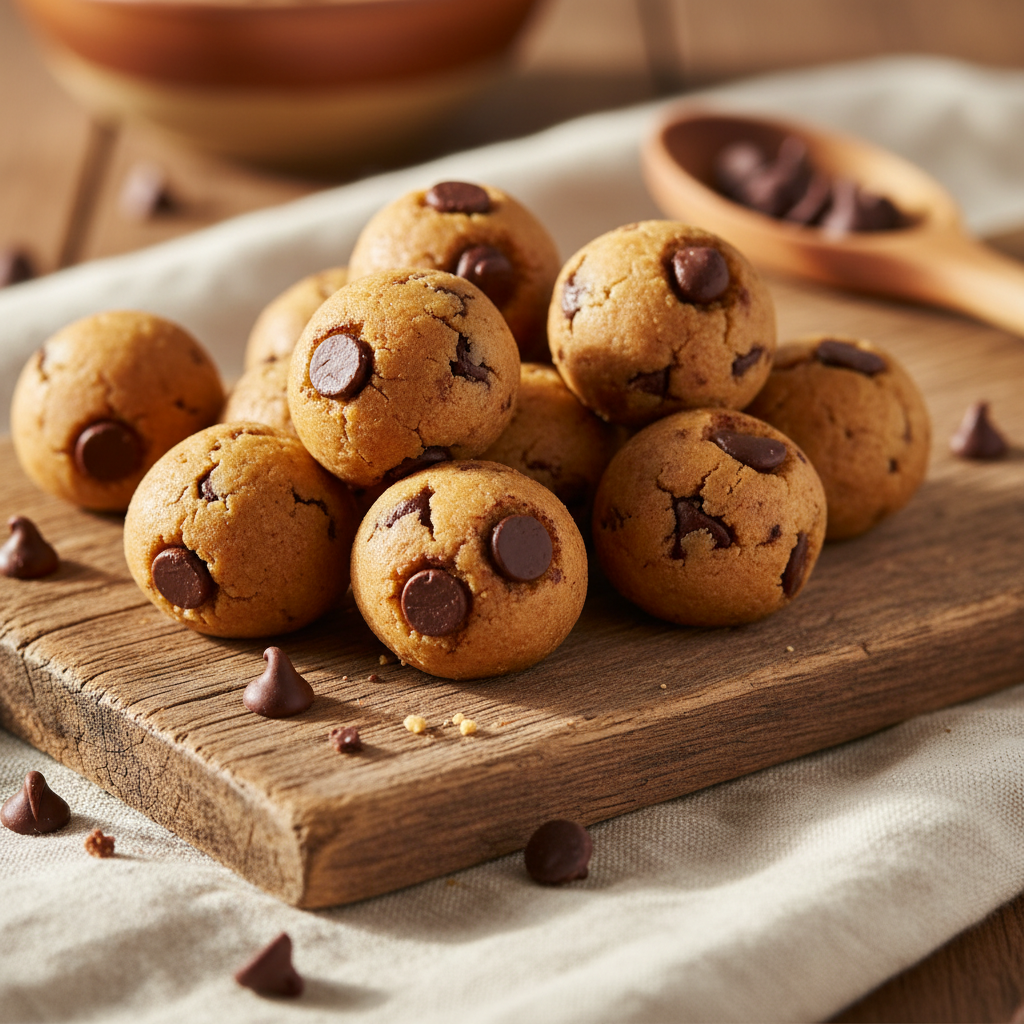
No-Bake Cookie Dough Bites
Heat-treating the almond flour in a dry skillet for a few minutes before mixing it into the dough is what makes it safe to eat raw, since raw flour can carry harmful bacteria that only heat destroys.
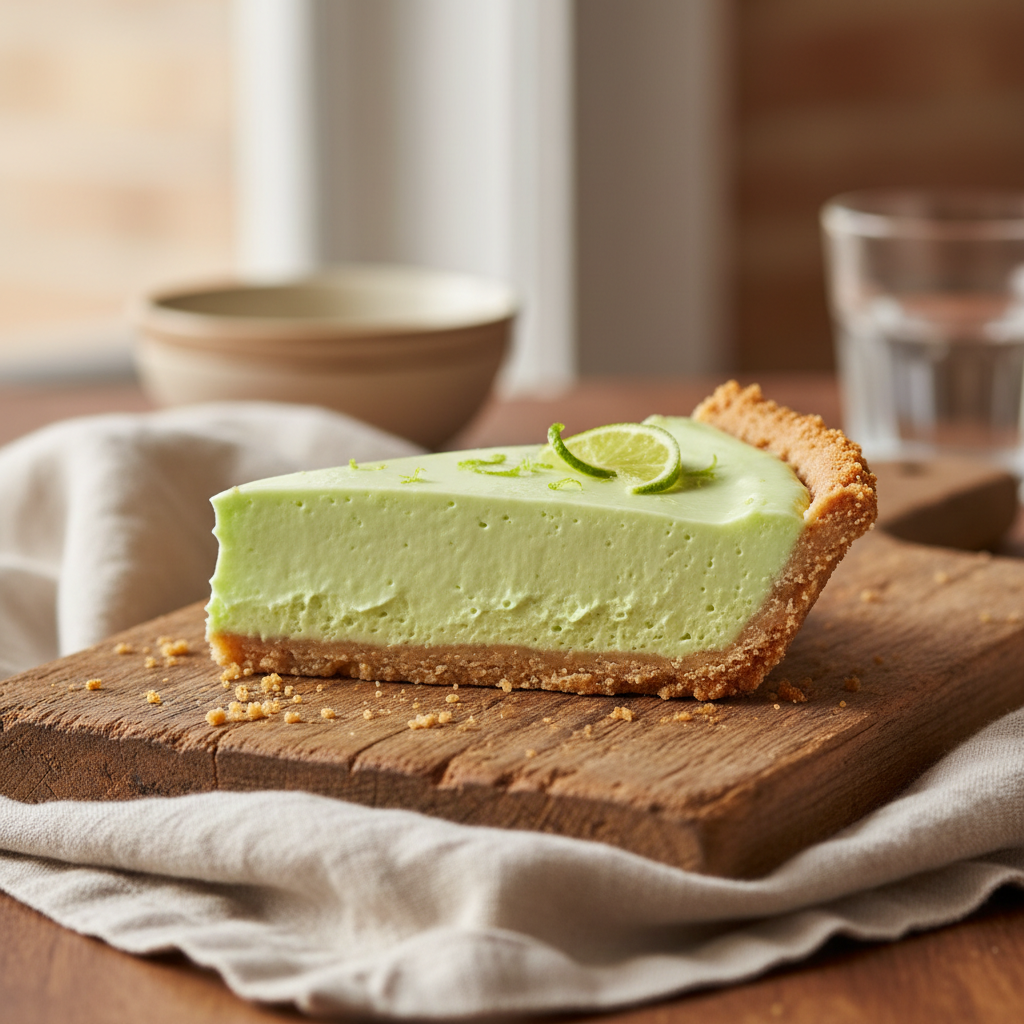
No-Bake Key Lime Pie
Whipping the chilled coconut cream with a mixer until stiff peaks form, rather than folding it in soft, is what gives the filling enough structure to hold its shape once sliced.
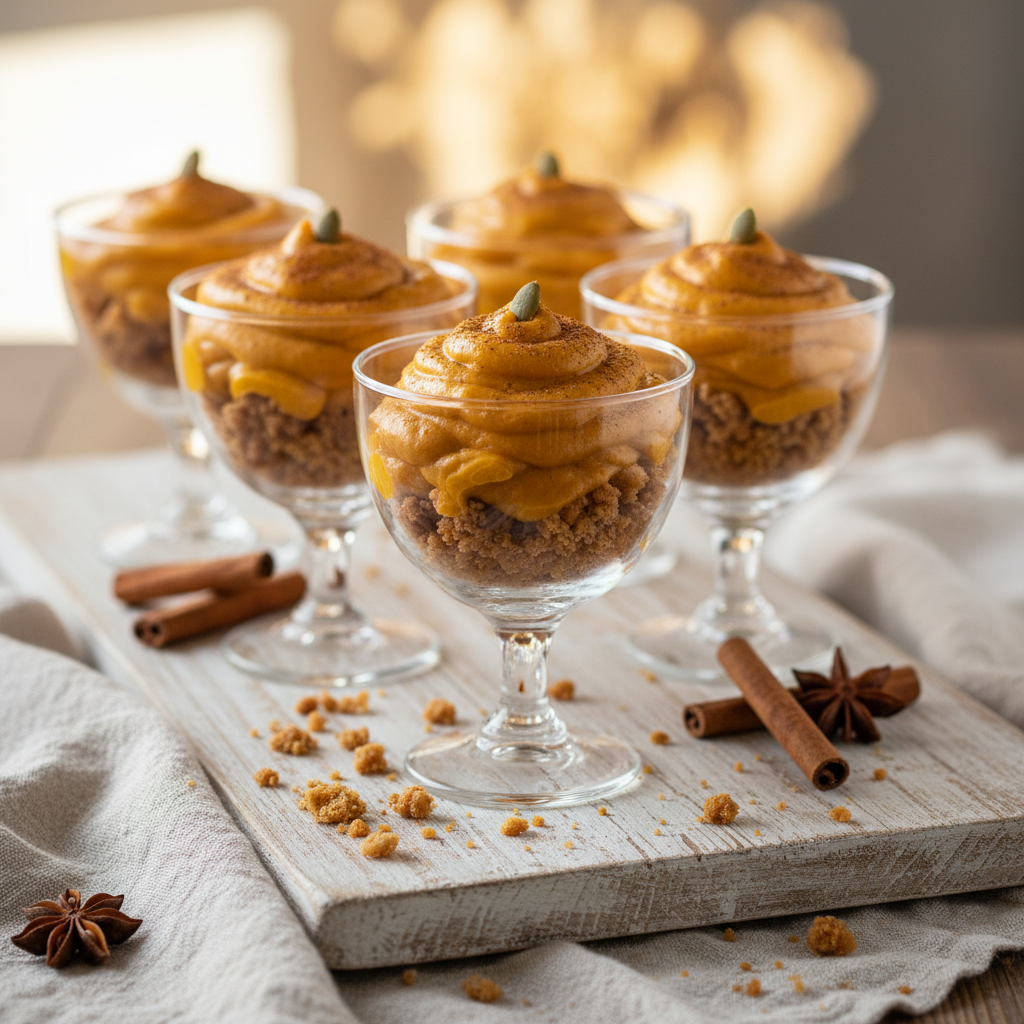
No-Bake Pumpkin Pie Cups
Blotting the canned pumpkin puree dry before whipping it into the filling is what keeps these individual cups firm enough to hold their layers instead of turning watery at the bottom.
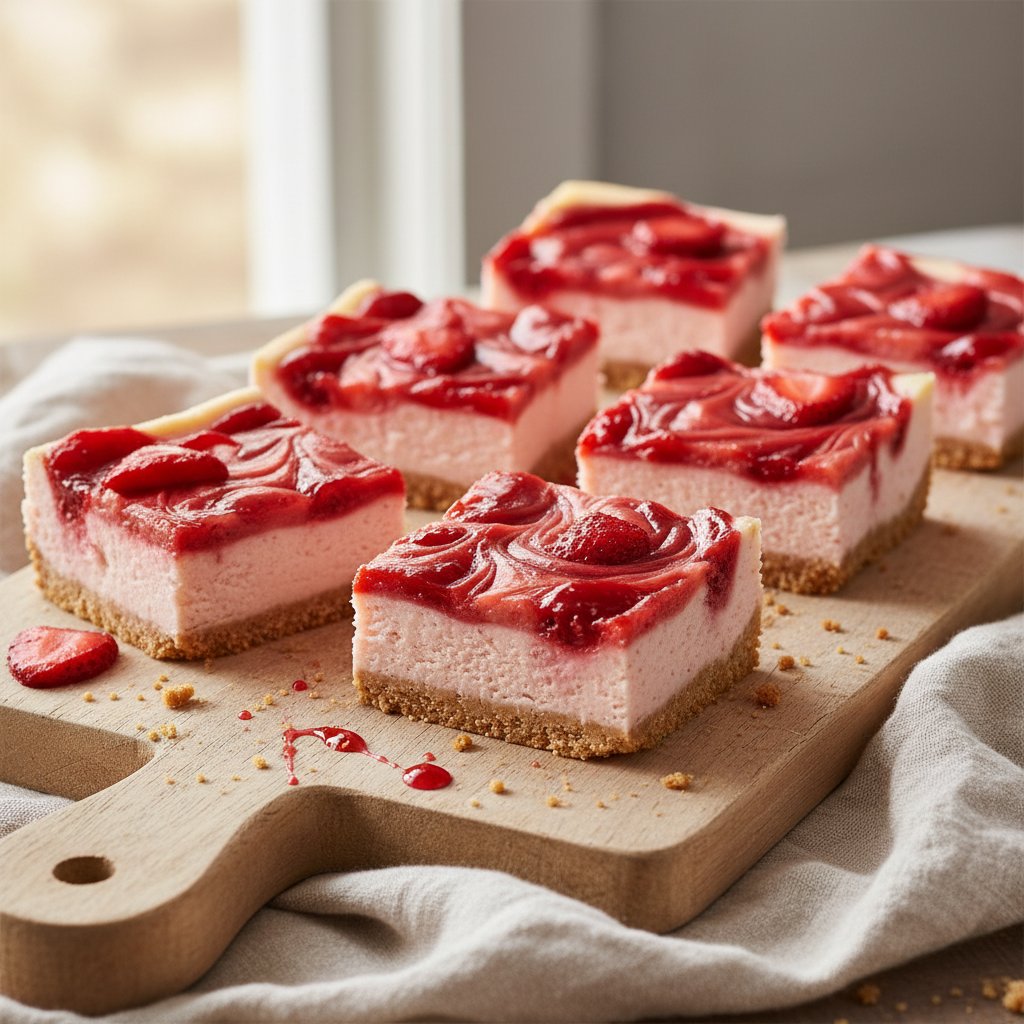
No-Bake Strawberry Cheesecake Bars
Macerating the diced strawberries in a spoonful of allulose for 15 minutes before layering them in is what draws out their natural juices for a jammier topping instead of dry, separate pieces of fruit.
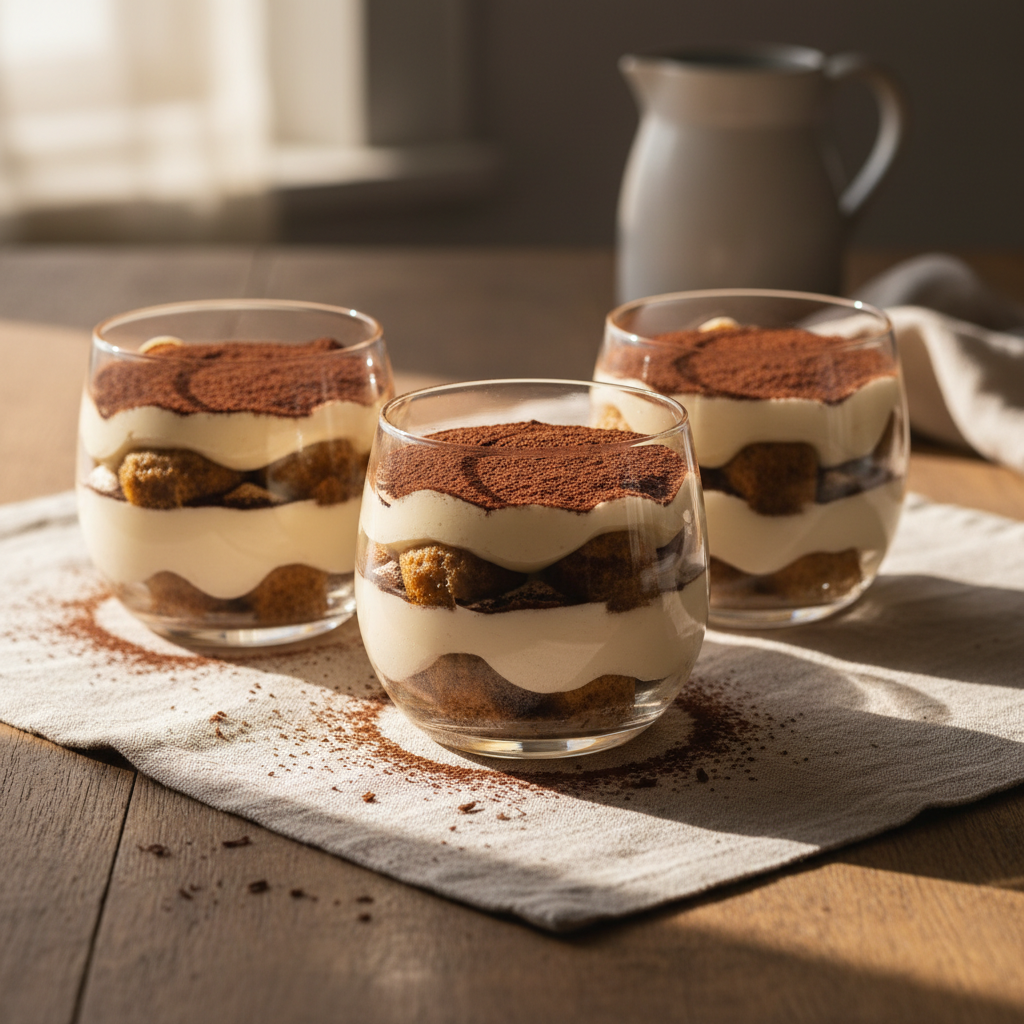
No-Bake Tiramisu Cups
Dipping the almond cookies in coffee for only a quick one-second pass, not a soak, is what lets them absorb enough coffee flavor while still holding their shape as distinct layers.
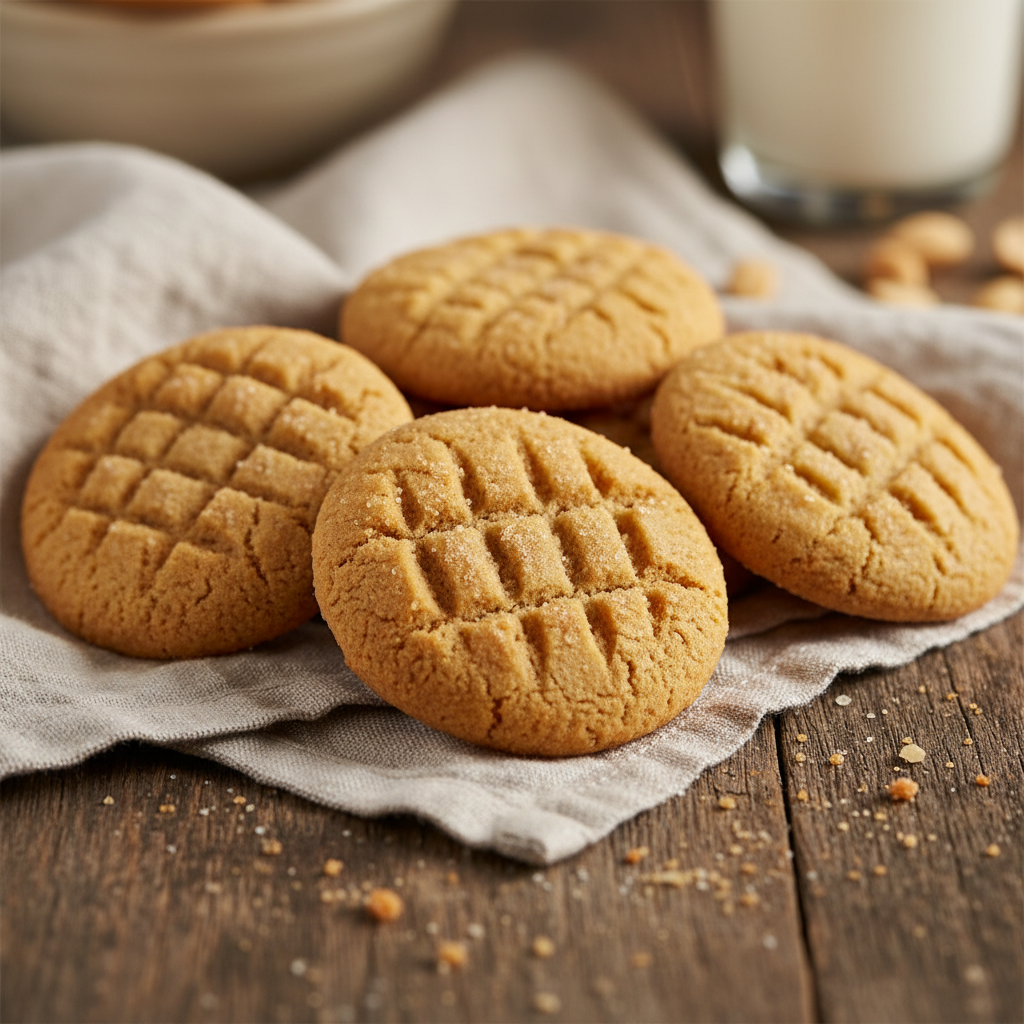
Peanut Butter Cookies (Flourless)
Pressing a fork crosshatch into each ball of dough before baking is what lets these dense, flourless cookies bake through evenly — left thick and round, the centers stay raw while the edges burn.
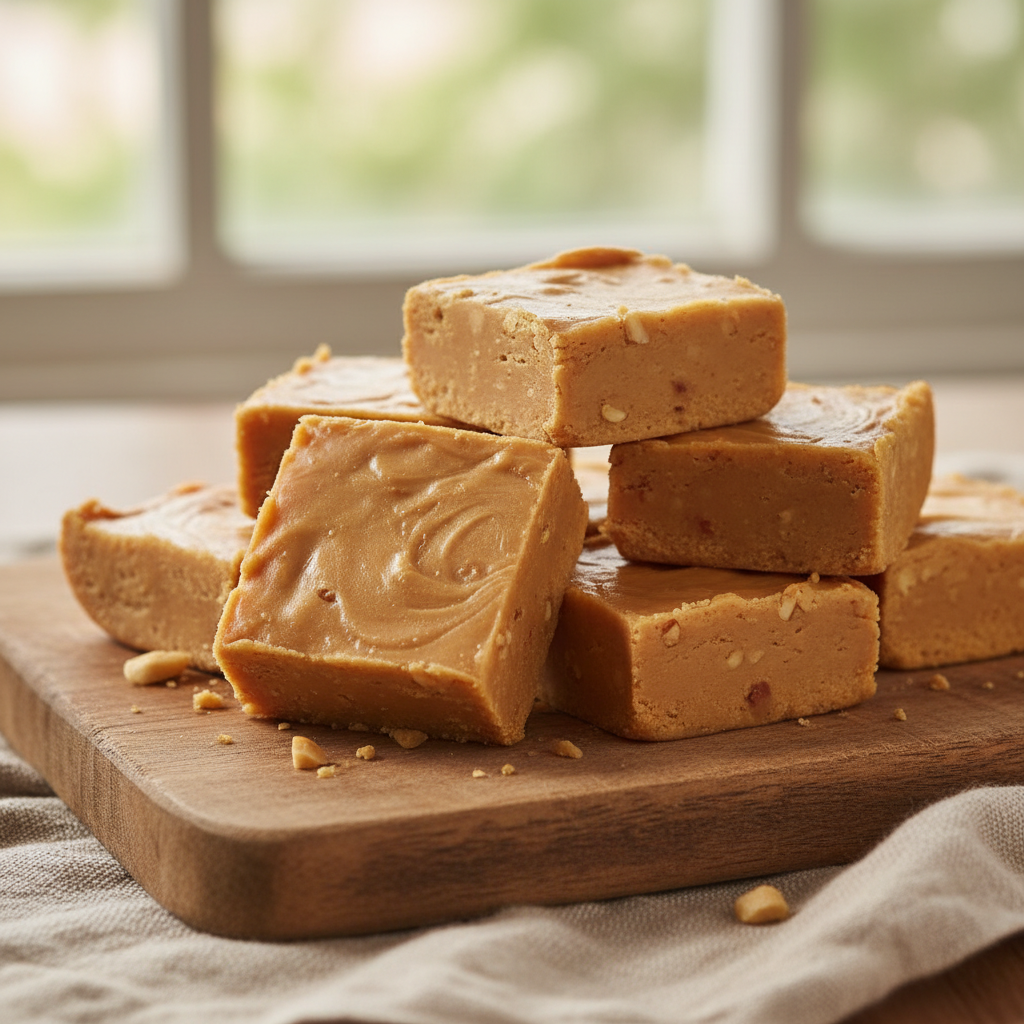
Peanut Butter Fudge
Stirring the mixture constantly as it cools on the stovetop, rather than letting it sit undisturbed, is what keeps the fudge smooth and creamy instead of grainy.
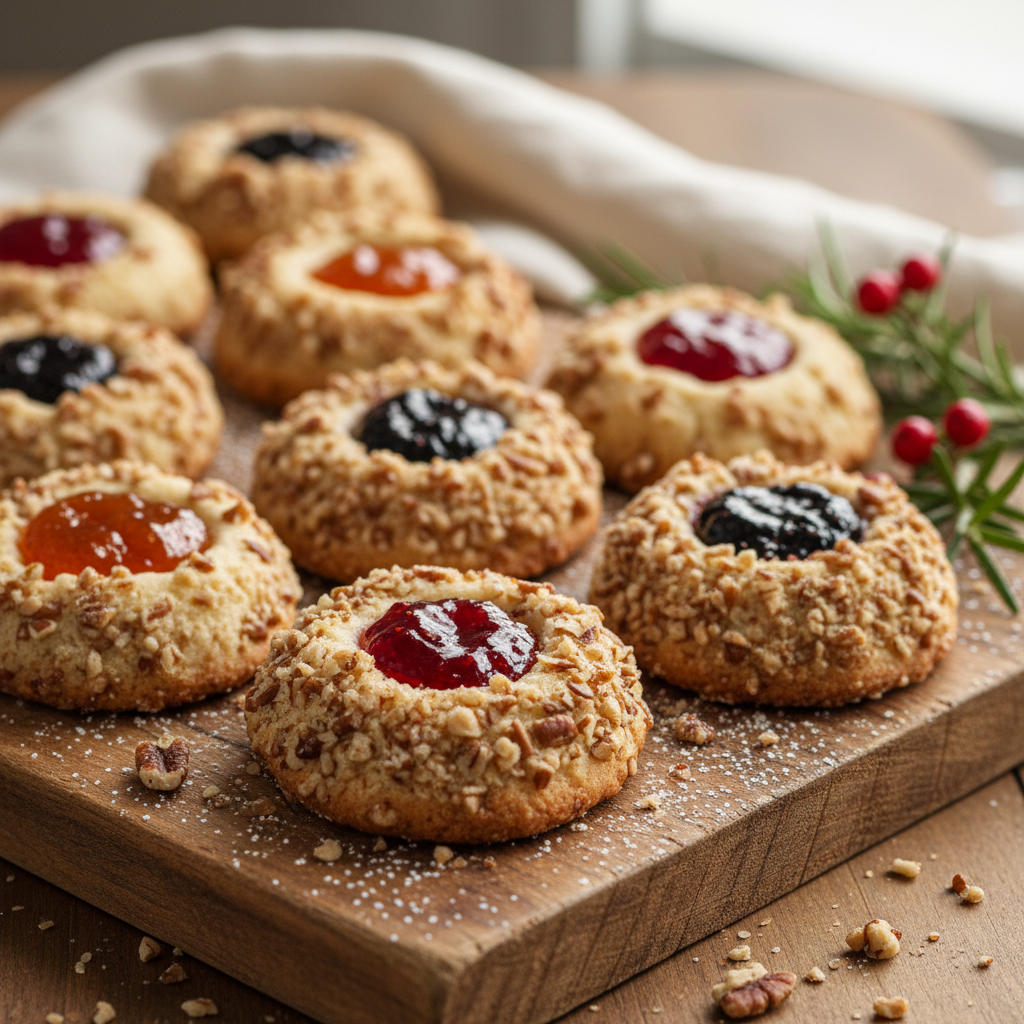
Pecan Shortbread Thumbprint Cookies
Pressing the thumbprint indent right after the cookies come out of the oven, not before baking, is what keeps the shape from puffing back closed as they bake.
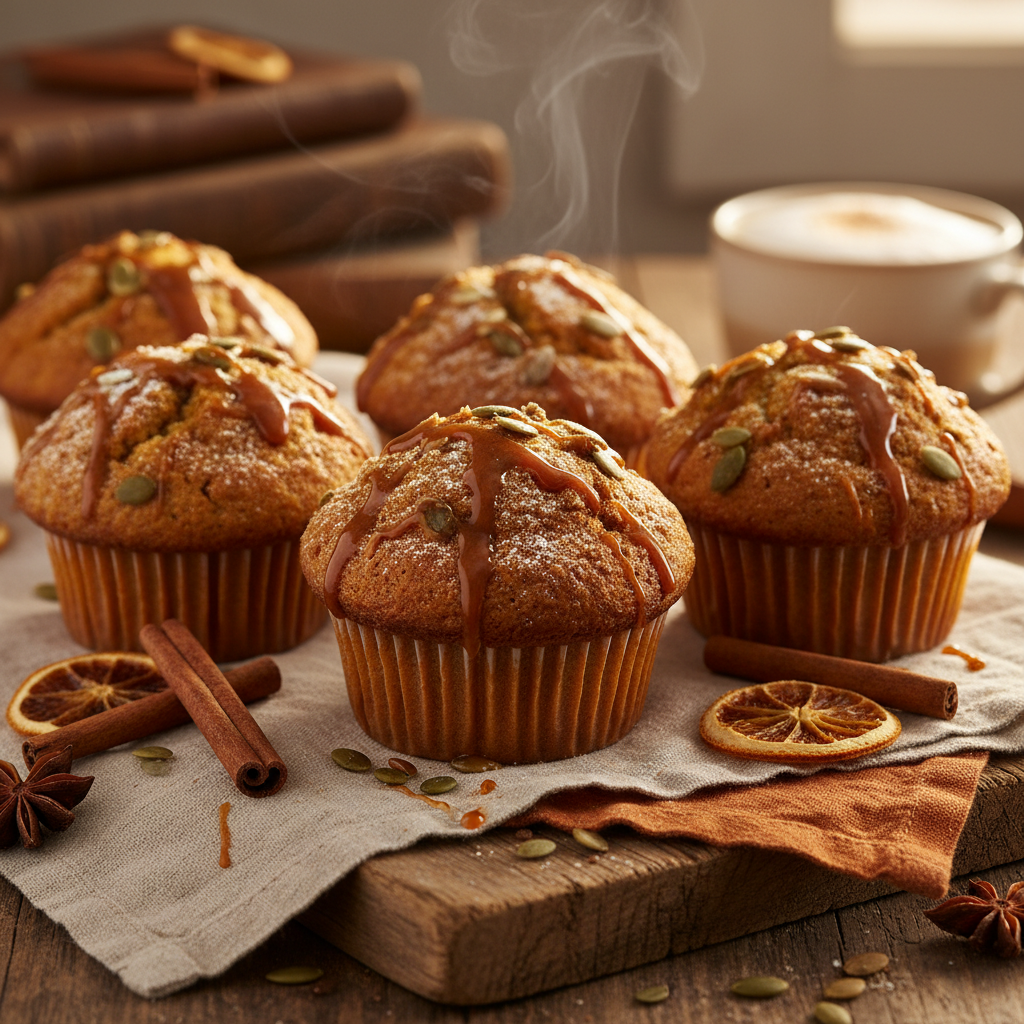
Pumpkin Spice Muffins
Pressing the canned pumpkin puree between paper towels to blot out excess water before mixing is what keeps these muffins from baking up dense and gummy in the center.
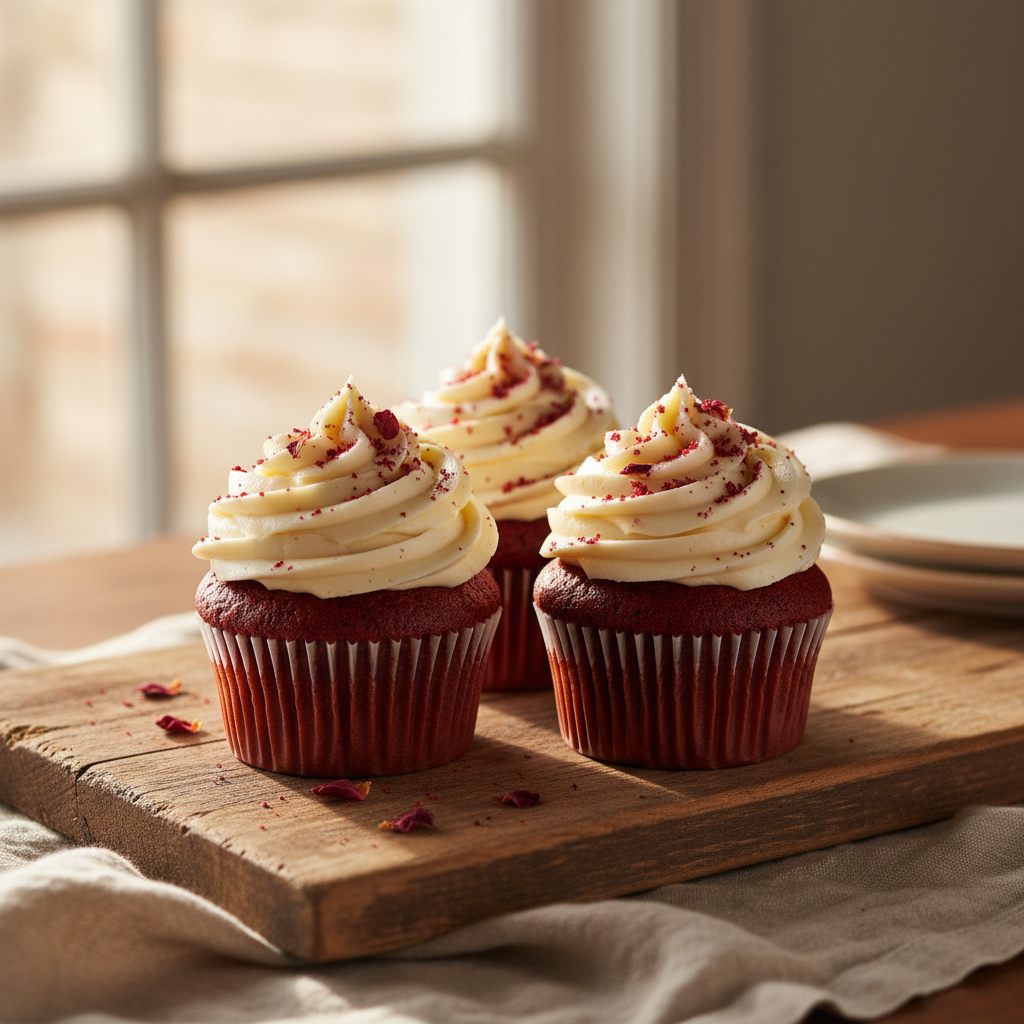
Red Velvet Cupcakes (Dairy-Free)
Whisking the cocoa powder into the wet ingredients first, before the dry ingredients go in, is what dissolves it fully for smooth, evenly colored batter instead of leaving small dry cocoa specks.
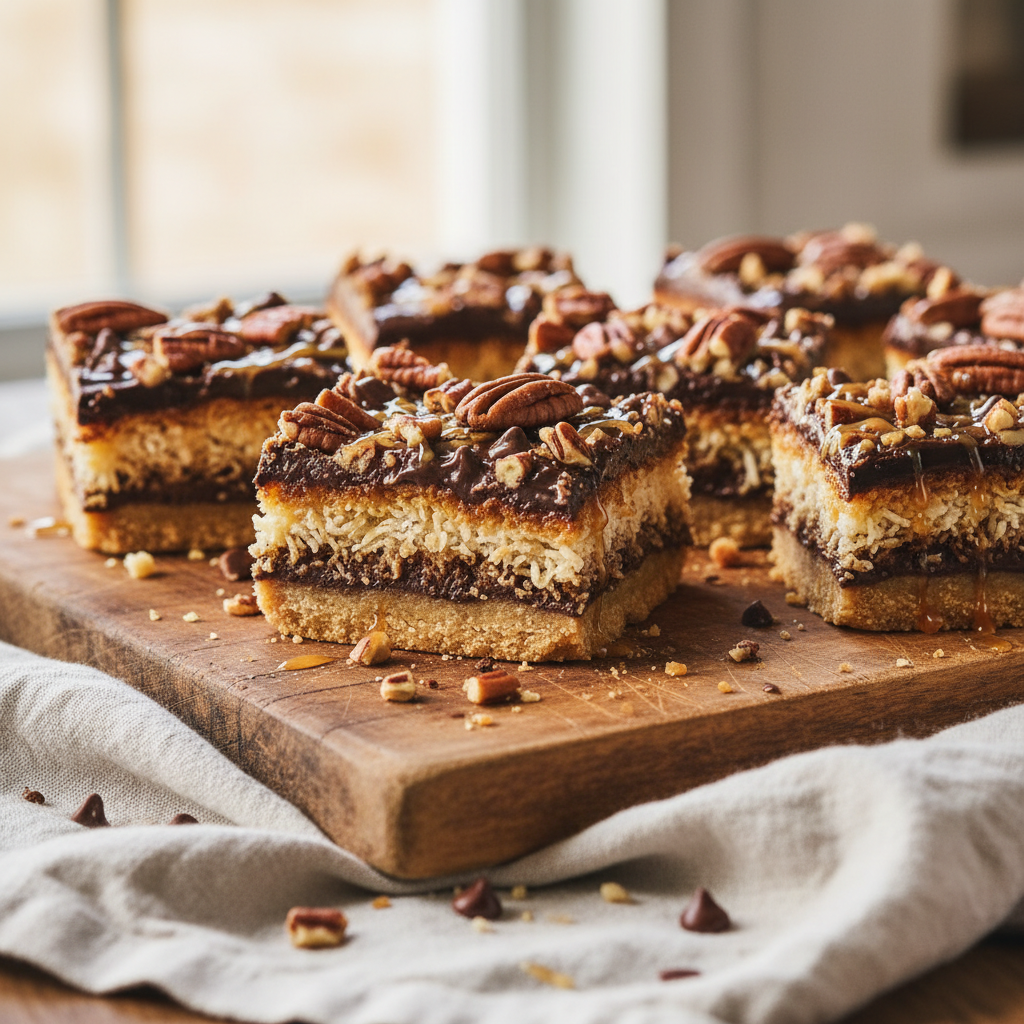
Seven Layer Magic Bars (Dairy-Free)
Pressing each layer down firmly before adding the next is what keeps the bars from sliding apart into a crumbly mess once sliced.
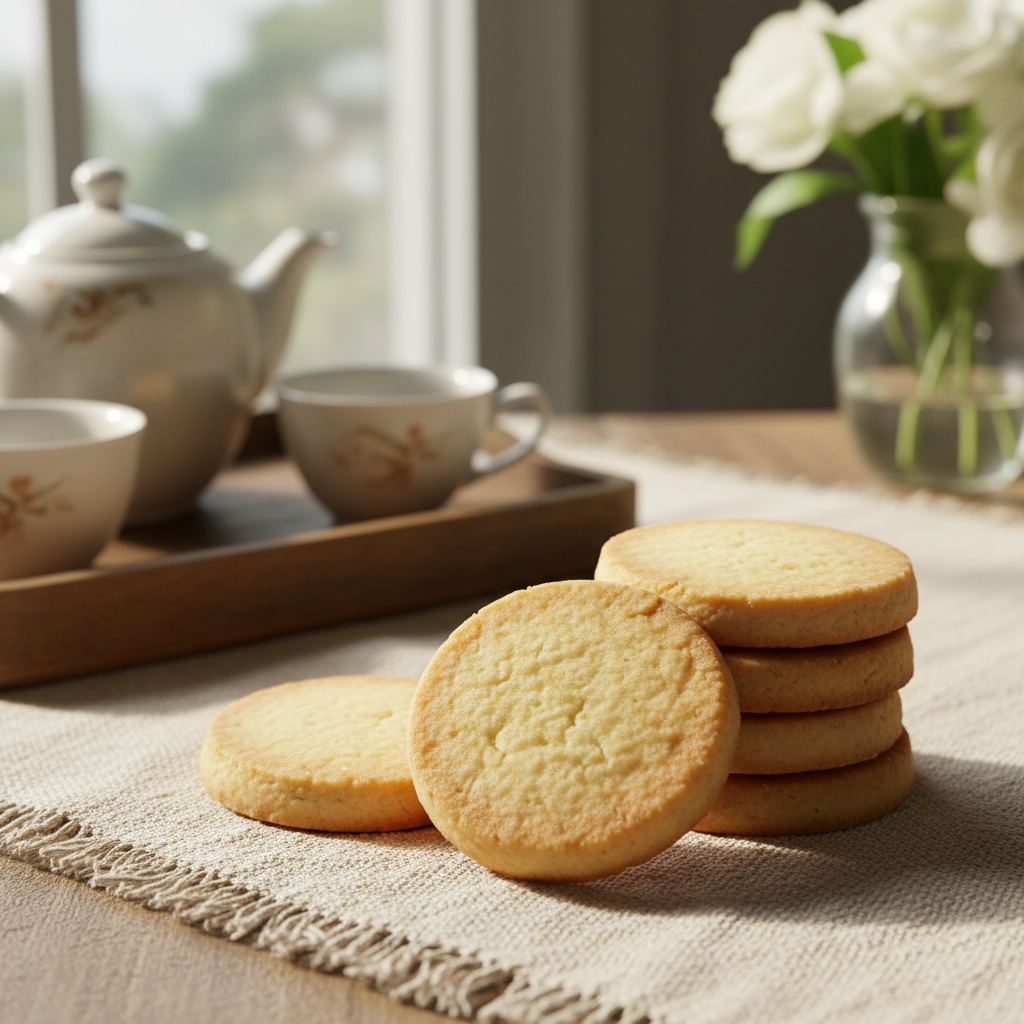
Shortbread Cookies (Dairy-Free)
Chilling the shaped dough log for at least an hour before slicing is what lets you cut clean, even rounds instead of the dough squishing and deforming under the knife.
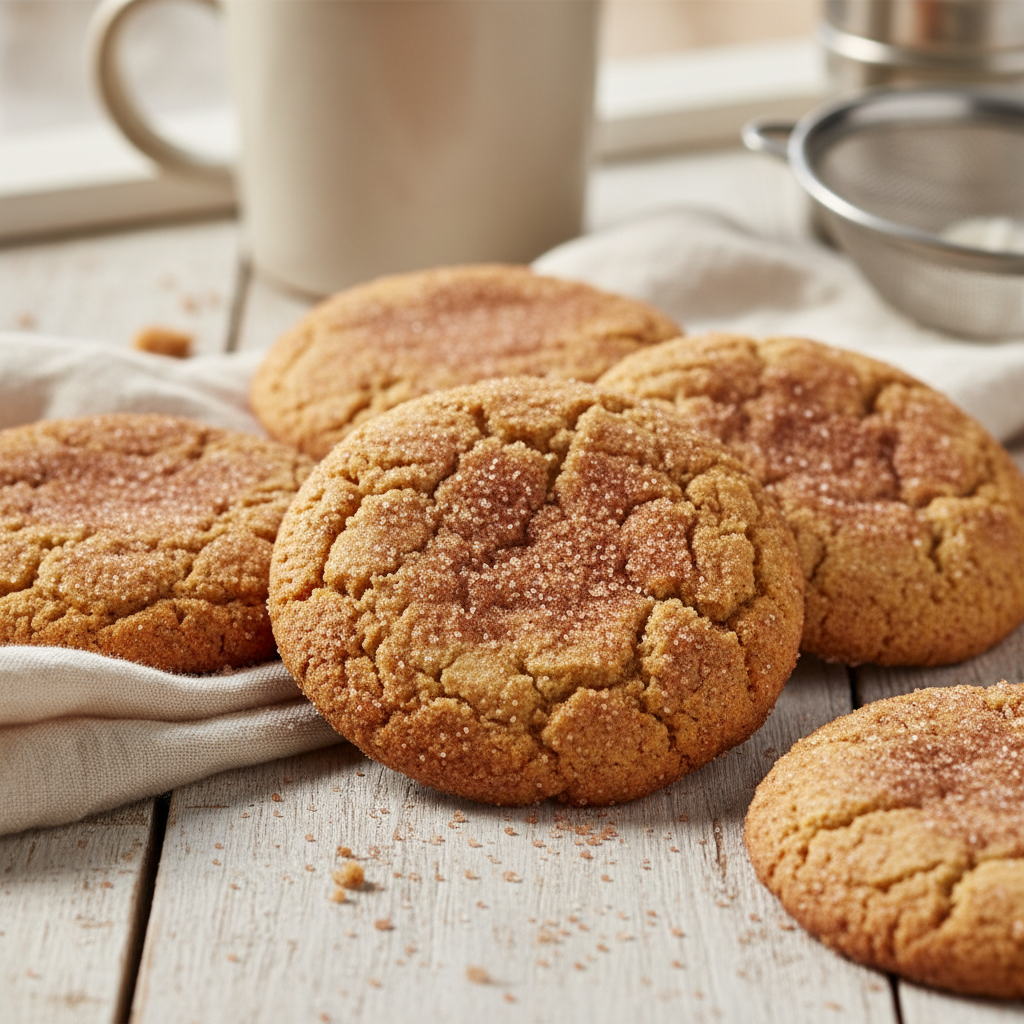
Snickerdoodle Cookies
Rolling the dough balls in the cinnamon-allulose mixture right before they go into the oven, not hours ahead, is what keeps the coating crisp and distinct instead of dissolving into the dough.
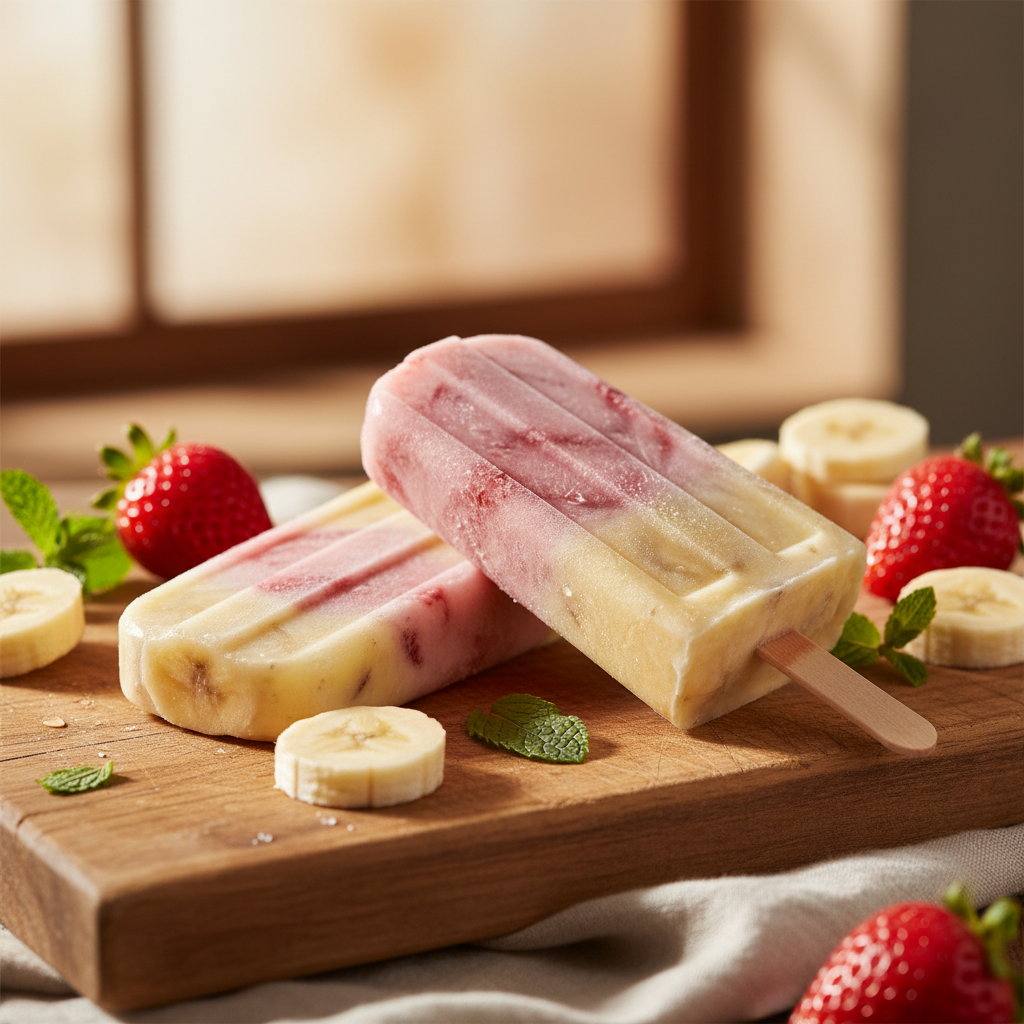
Strawberry Banana Popsicles
Layering the strawberry and banana purees in stages, freezing each layer for 45 minutes before adding the next, is what creates distinct visible stripes instead of the two flavors bleeding into a single muddy color.
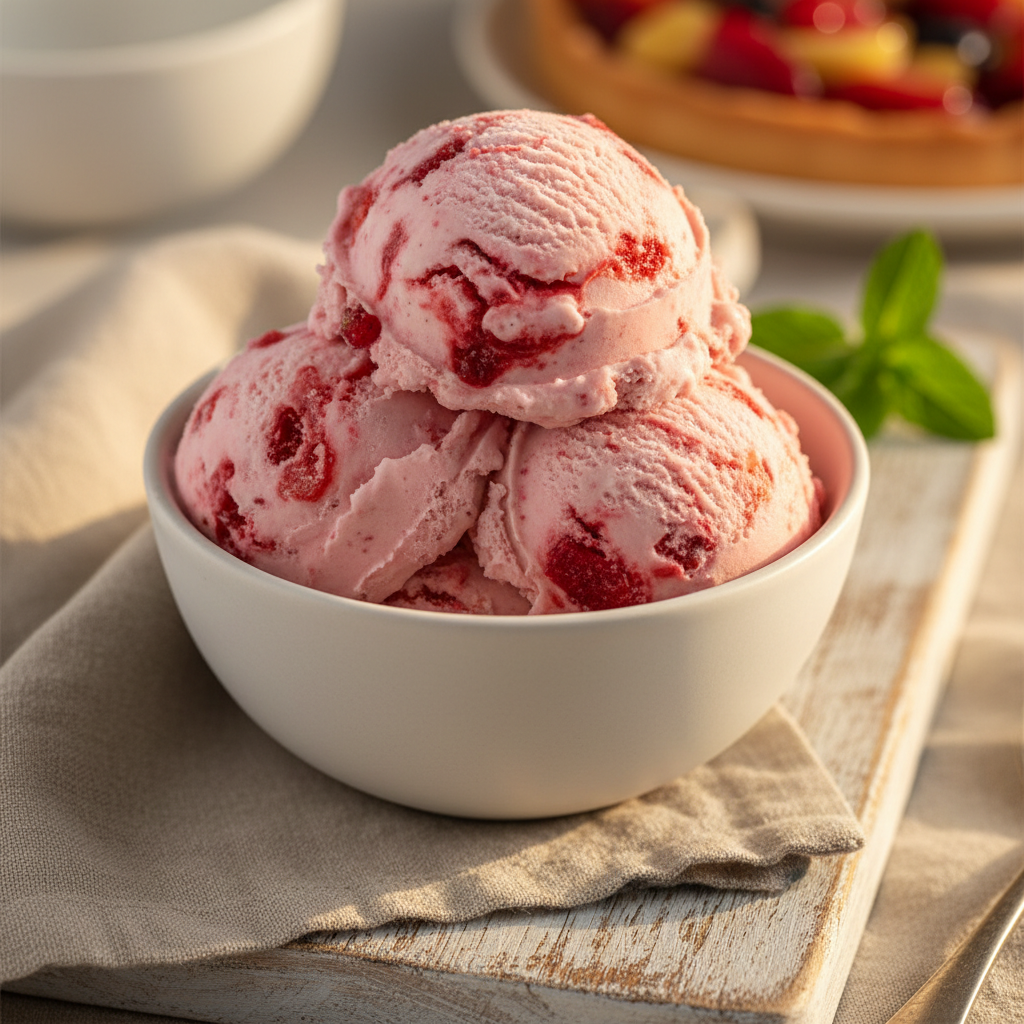
Strawberry Ice Cream (No-Churn)
Macerating and mashing the strawberries with allulose before folding them in is what breaks them down into a juicy puree that ripples evenly through the ice cream instead of freezing into hard, icy chunks.
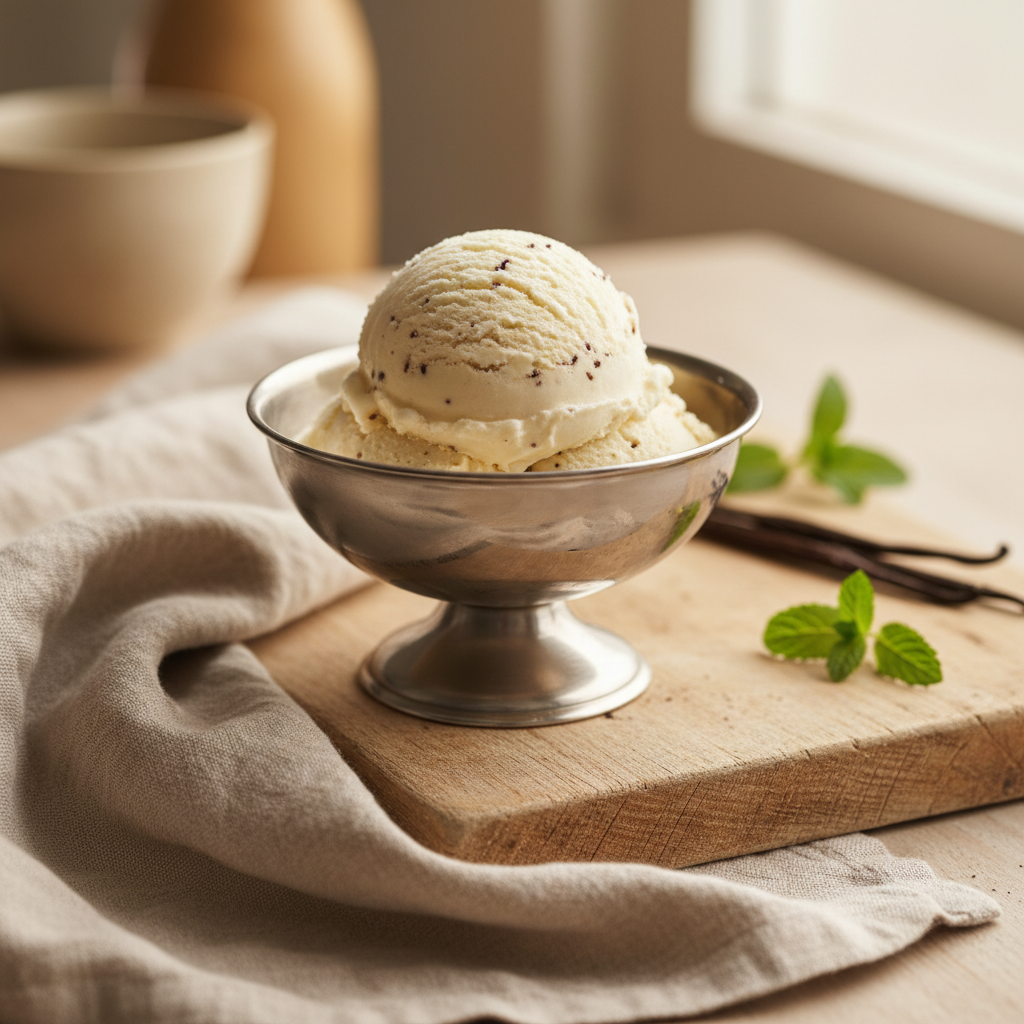
Vanilla Bean Ice Cream (No-Churn)
Whipping the chilled coconut cream to stiff peaks before folding it into the base is what incorporates enough air to keep the ice cream scoopably soft straight from the freezer instead of freezing into a rock-hard block.
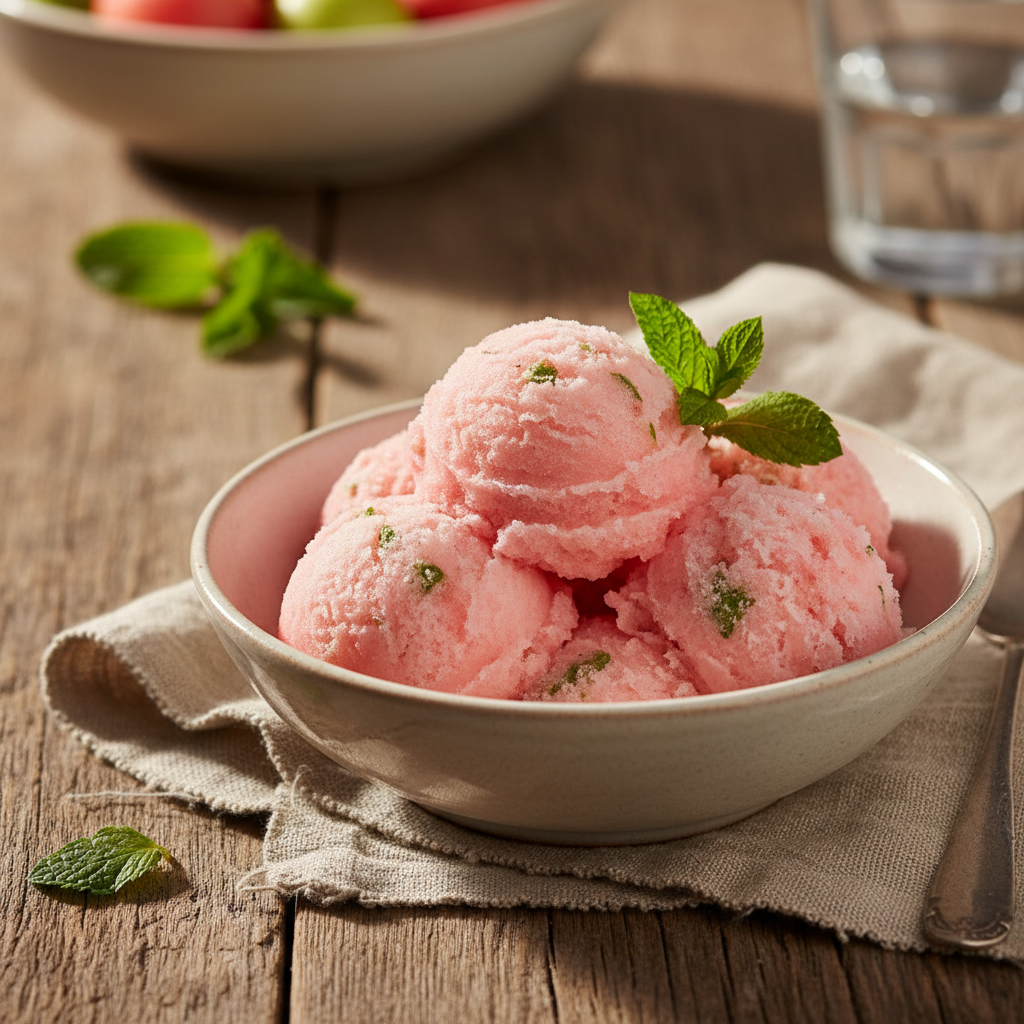
Watermelon Mint Sorbet
Scraping the mixture with a fork every 30 minutes as it freezes is what breaks up large ice crystals into a light, fluffy texture instead of letting it set into one solid, hard-to-scoop block.
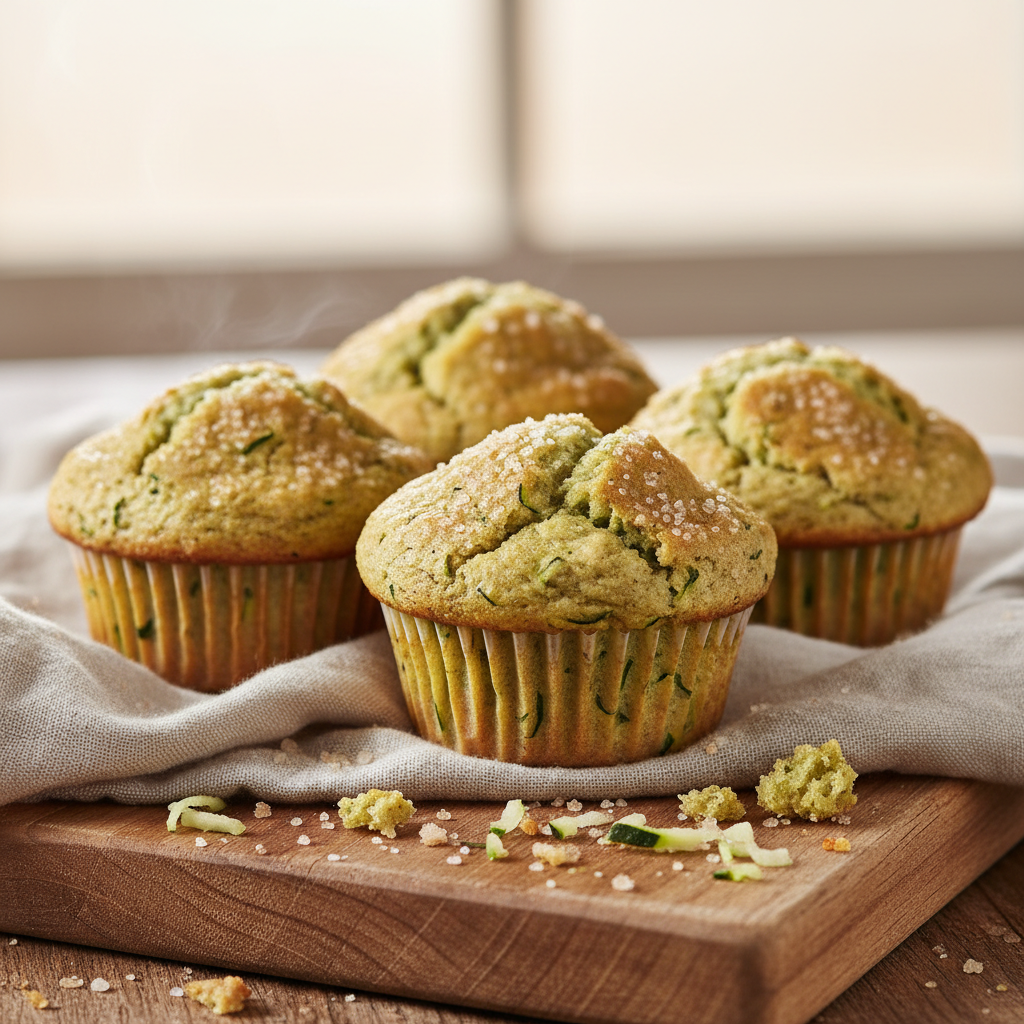
Zucchini Bread Muffins
Salting the shredded zucchini and letting it drain for 10 minutes before mixing it in is what keeps these muffins from turning watery and dense once baked.