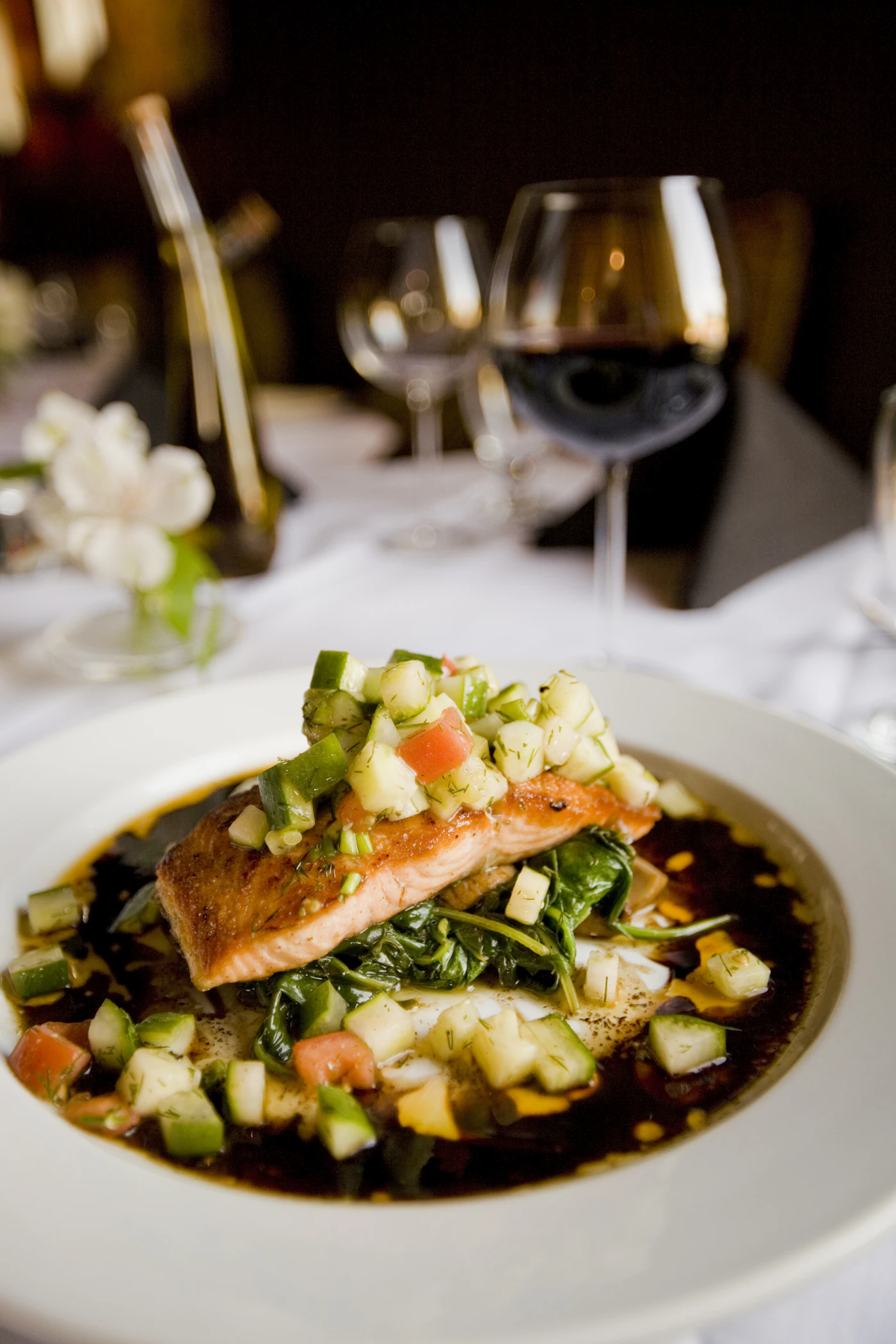
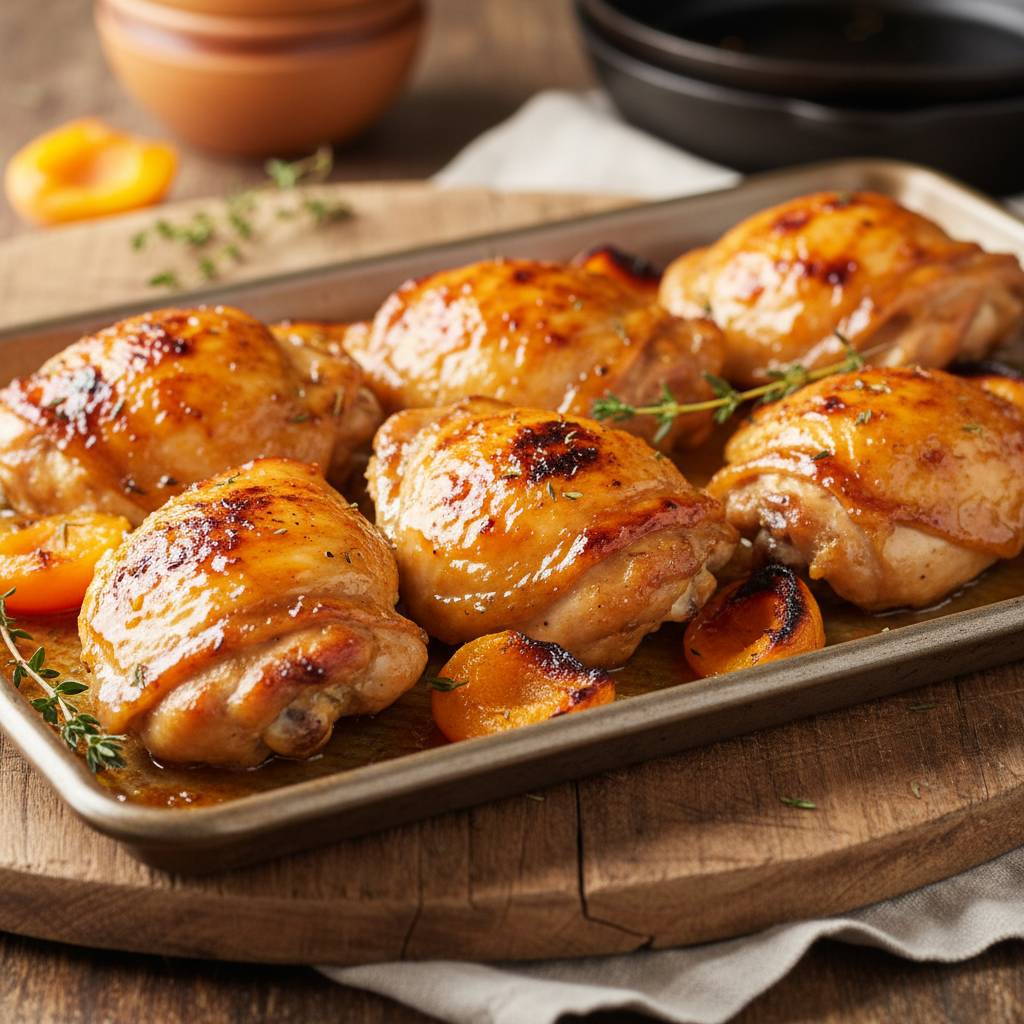
Apricot-Glazed Chicken Thighs
Straining the apricot preserves through a sieve before making the glaze removes the fruit chunks that would otherwise burn before the chicken finishes roasting.
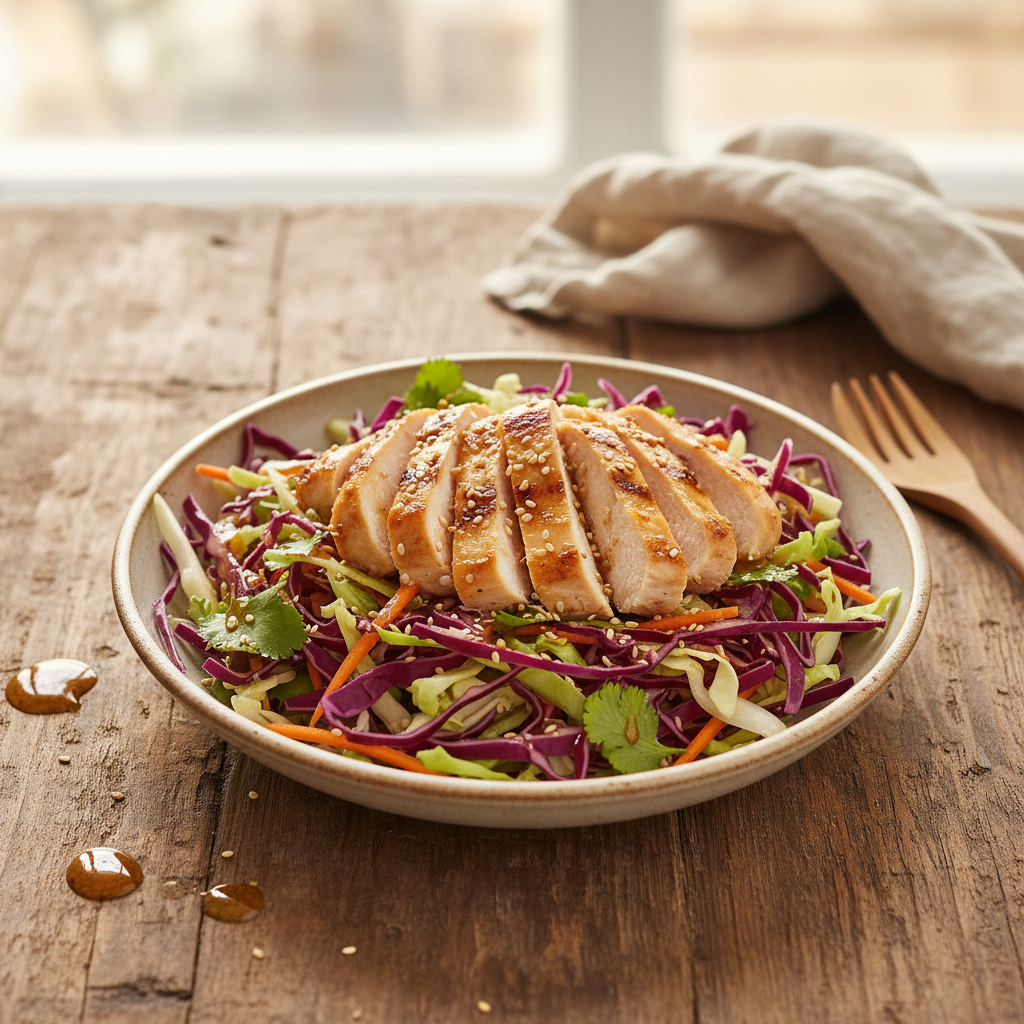
Asian-Inspired Sesame Chicken Salad
Toasting the sesame seeds in a dry pan for just a couple of minutes brings out an oil and aroma raw seeds simply don't have.
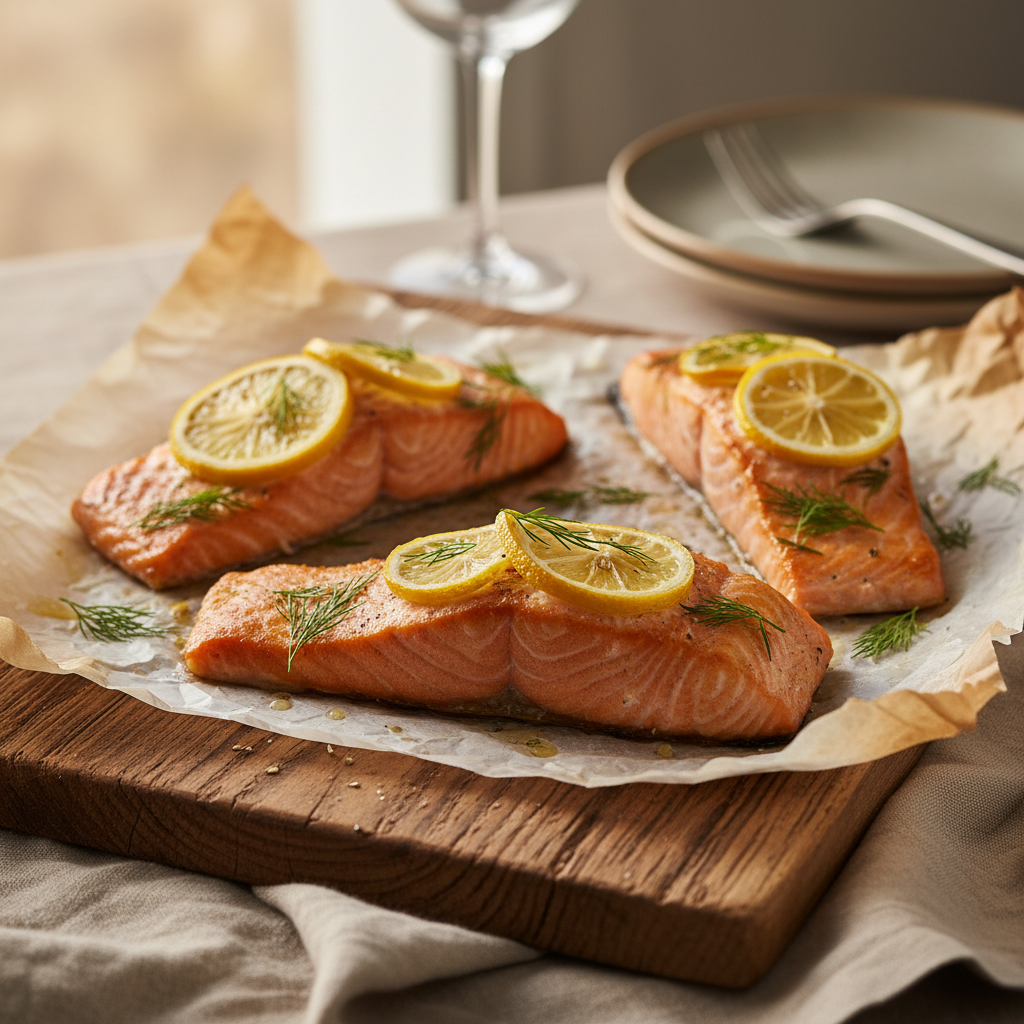
Baked Lemon Dill Salmon
A five-ingredient dinner that never fails.
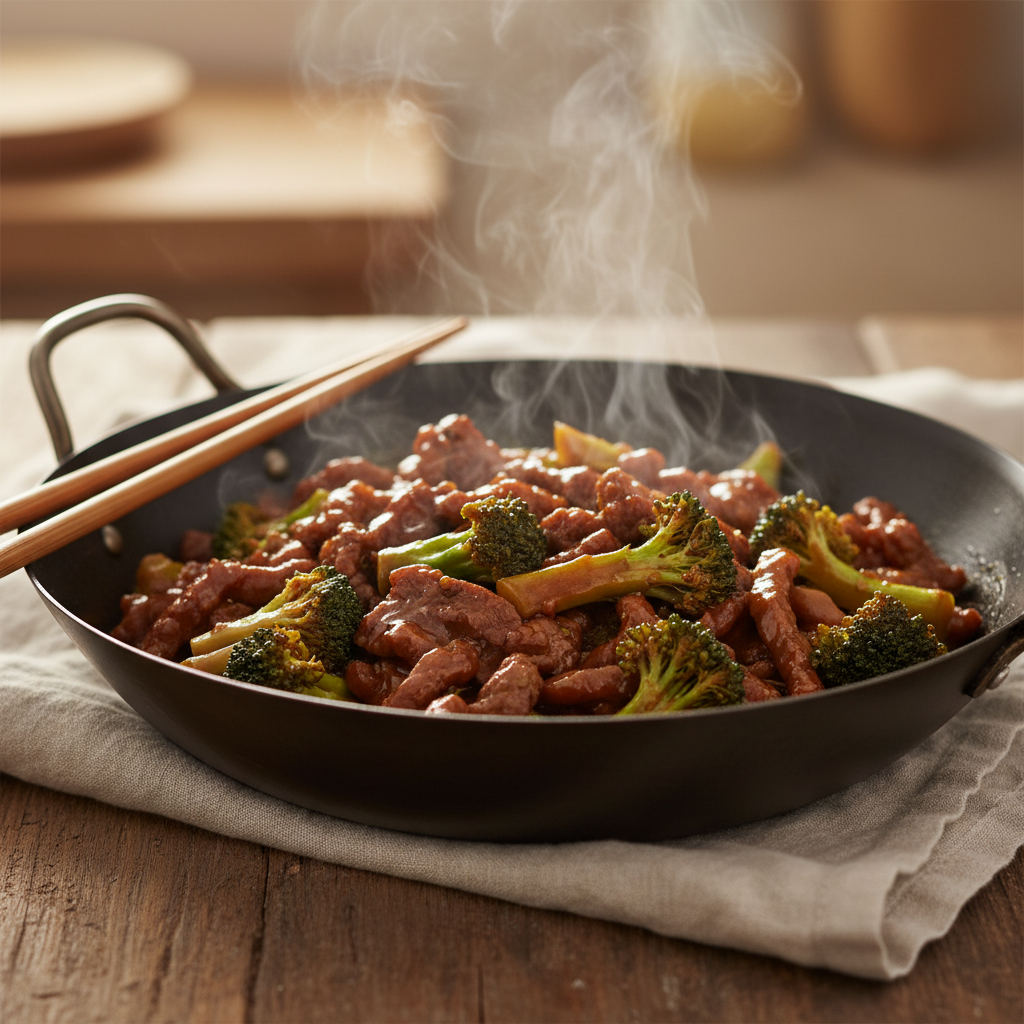
Beef & Broccoli Stir-Fry
A gluten-free spin on the takeout classic.
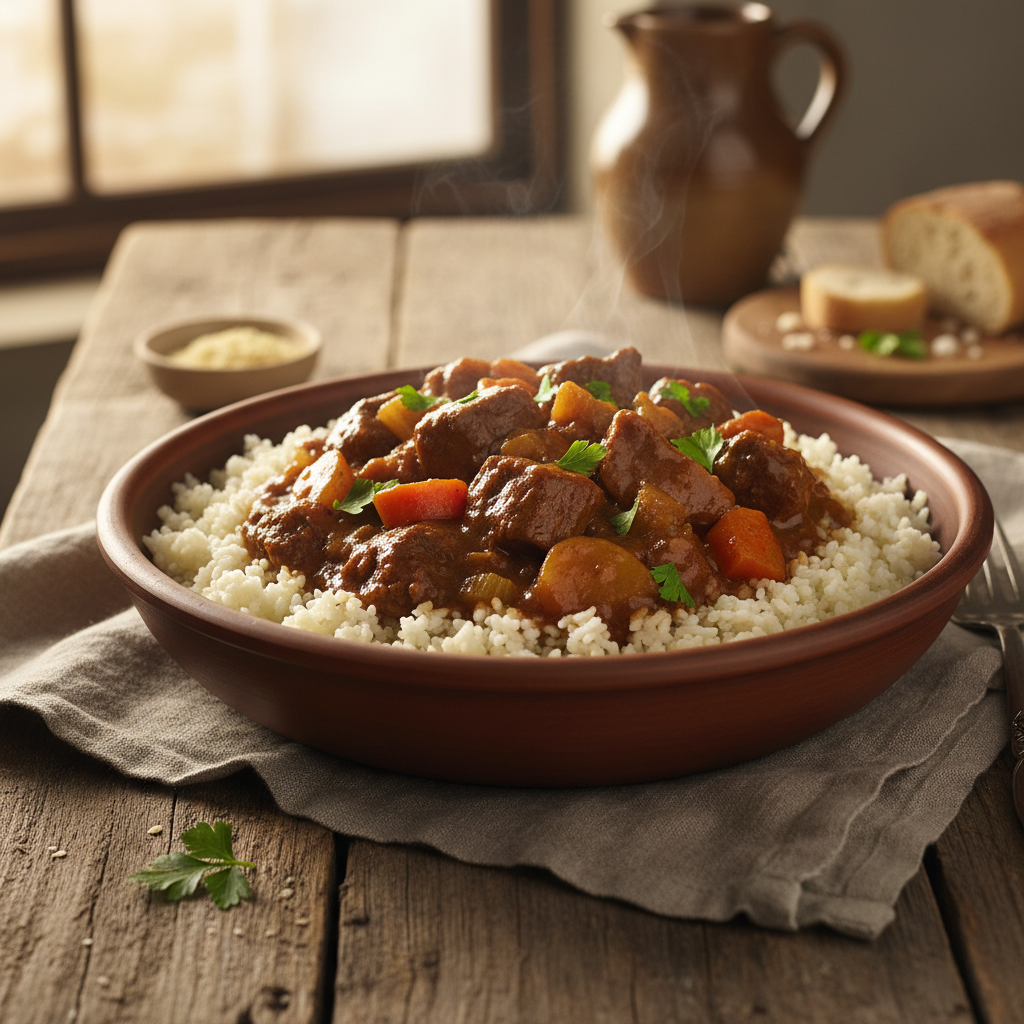
Beef & Vegetable Stew with Cauliflower Rice
Browning the beef in batches, without crowding the pot, is what builds a deep, dark fond — crowd the pot and it steams instead of sears.
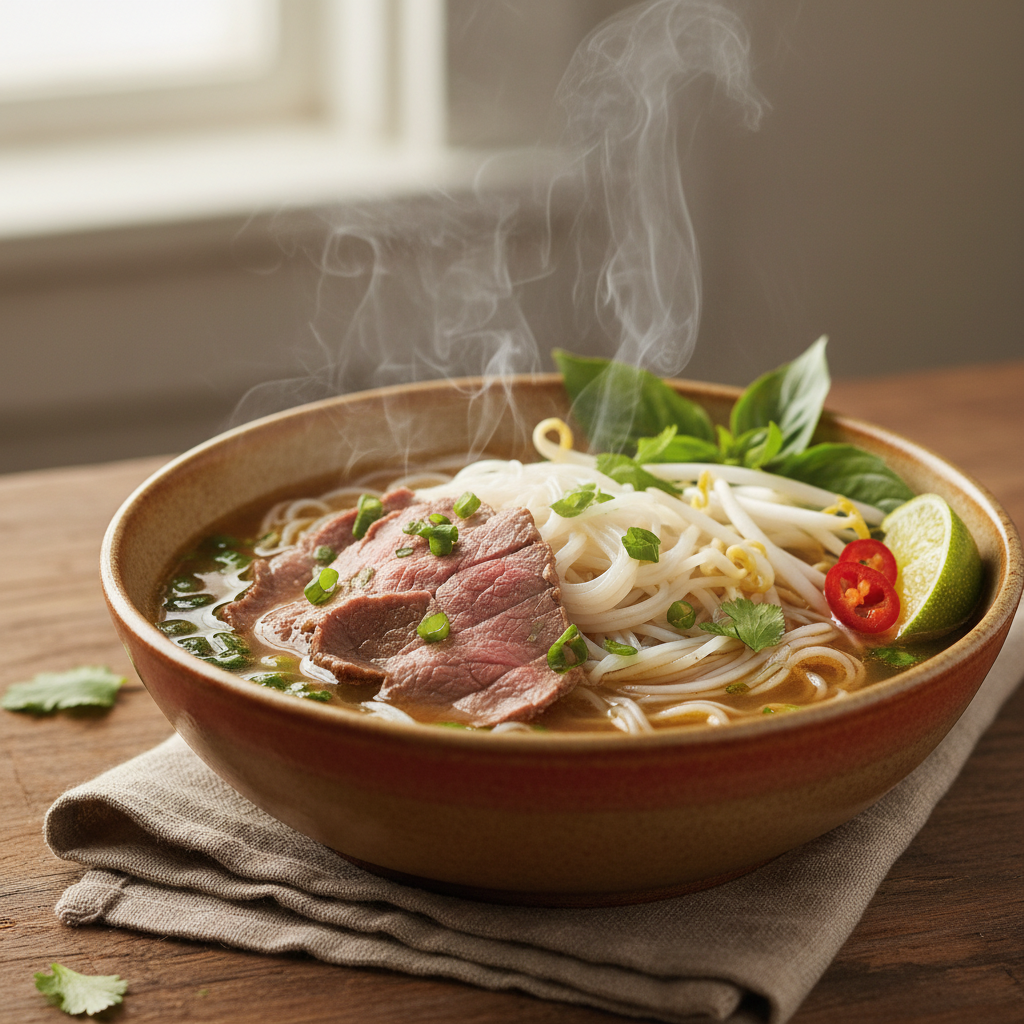
Beef Bone Broth Pho-Inspired Soup
Skimming the foam off the broth in the first 15 minutes of simmering is what keeps it clear instead of cloudy and murky.
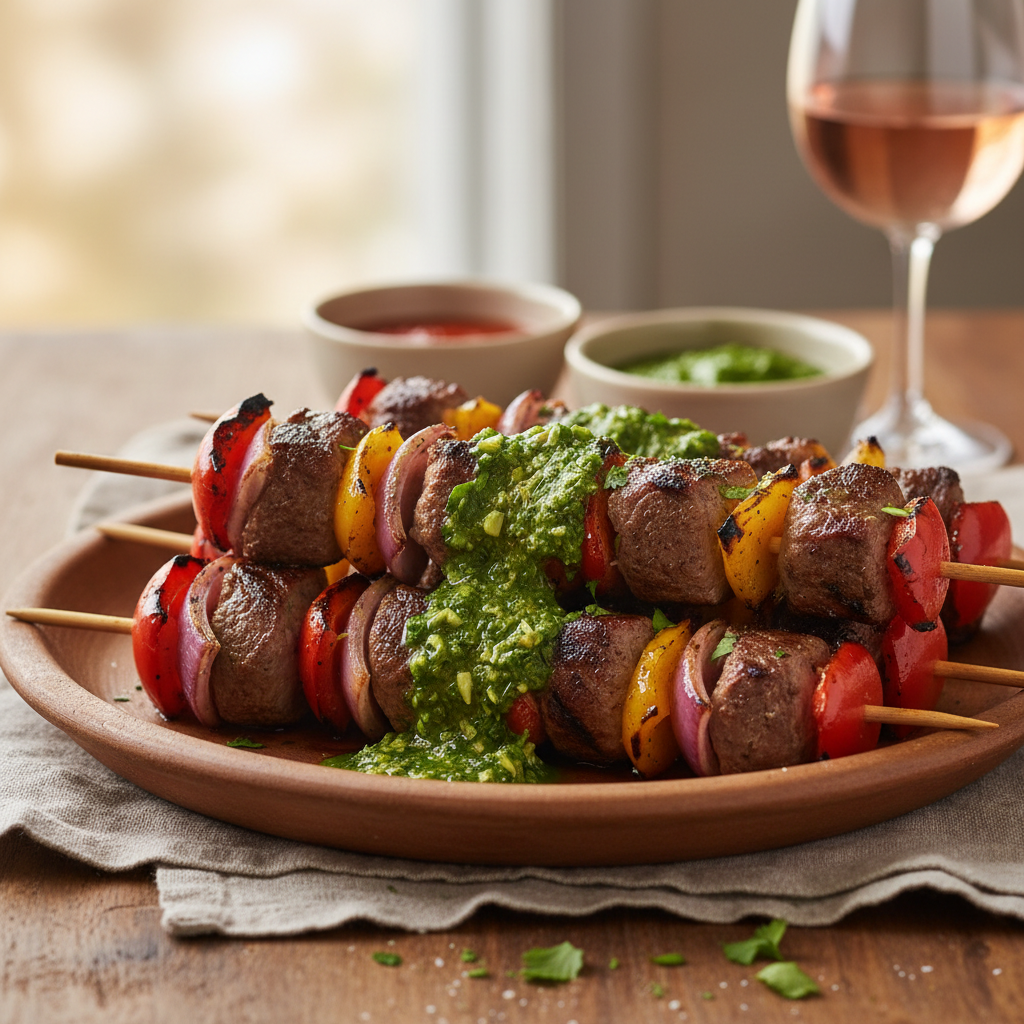
Beef Kabobs with Chimichurri
Marinating the beef cubes for at least 2 hours before skewering lets the acid in the chimichurri begin tenderizing the meat, not just seasoning its surface.
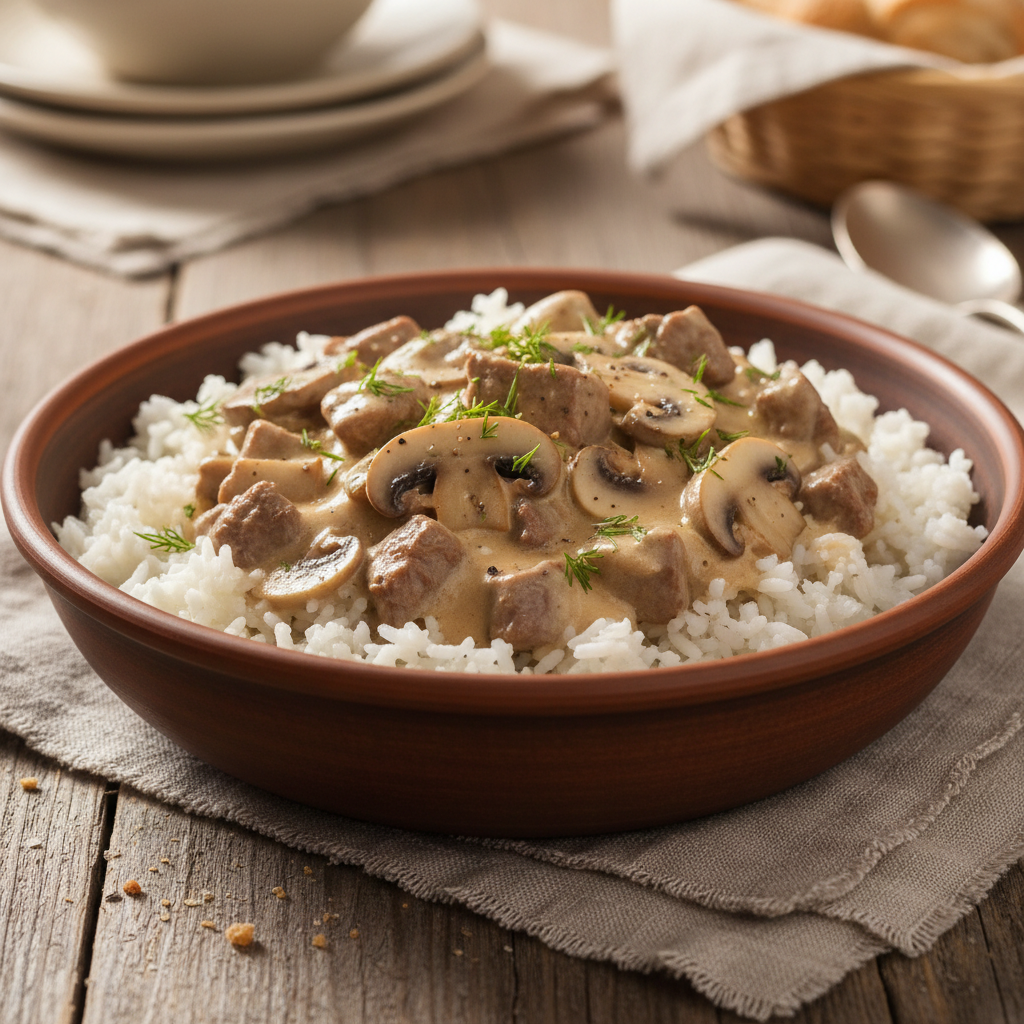
Beef Stroganoff (Dairy-Free)
Stirring the cashew cream in off the heat, at the very end, keeps it from curdling — dairy-free creams can break if they hit a hard simmer.
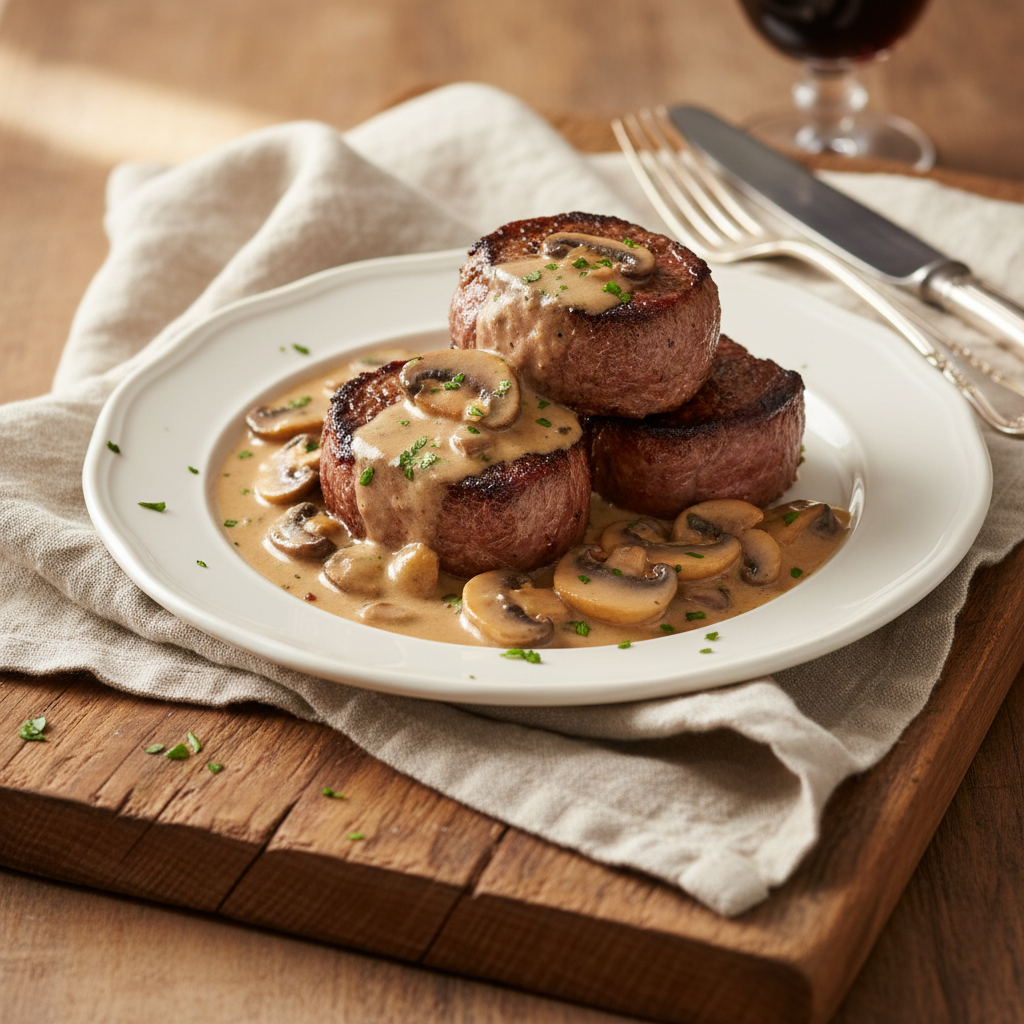
Beef Tenderloin Medallions with Mushroom Sauce
Letting the seared medallions rest tented in foil while the sauce finishes is what keeps them from turning dry and grey by the time they're served.
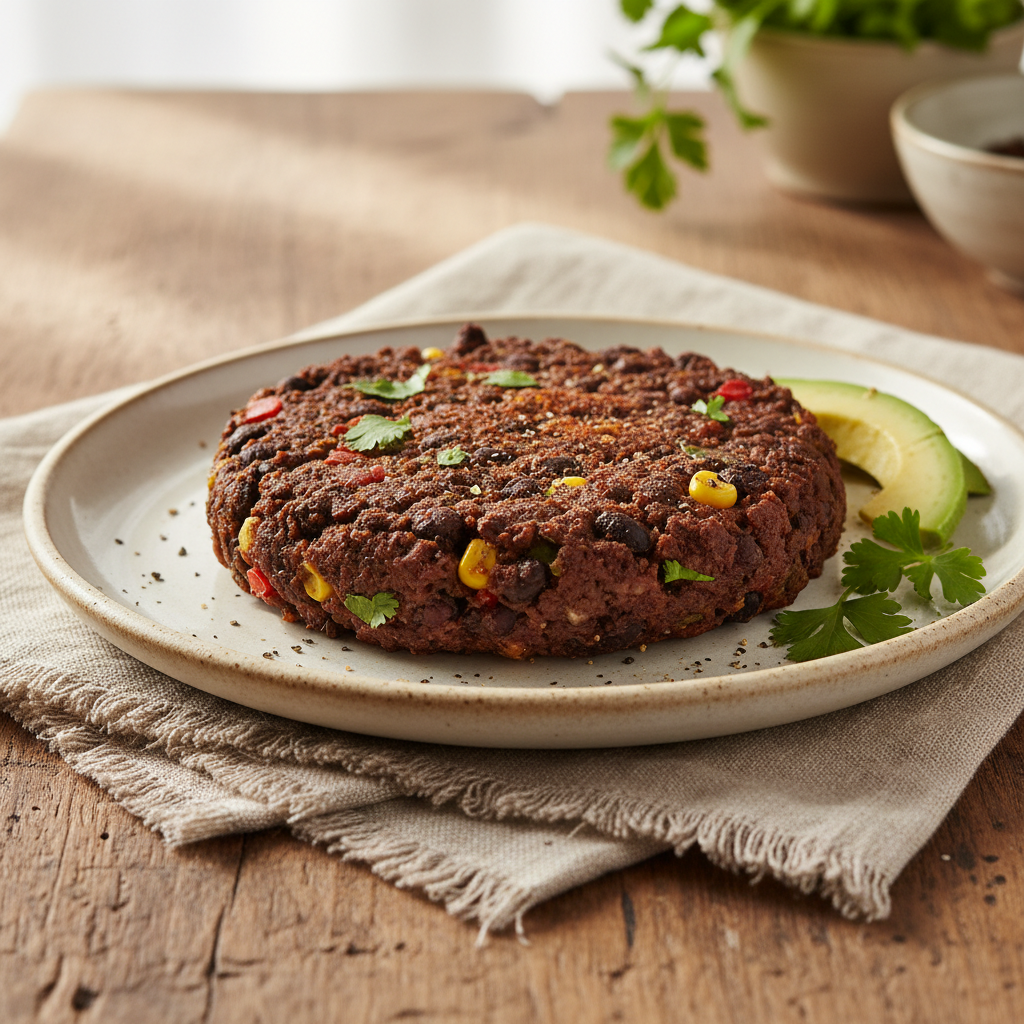
Black Bean Burgers
Mashing only about two-thirds of the black beans and leaving the rest whole is what gives these burgers real texture instead of a mushy, uniform paste.
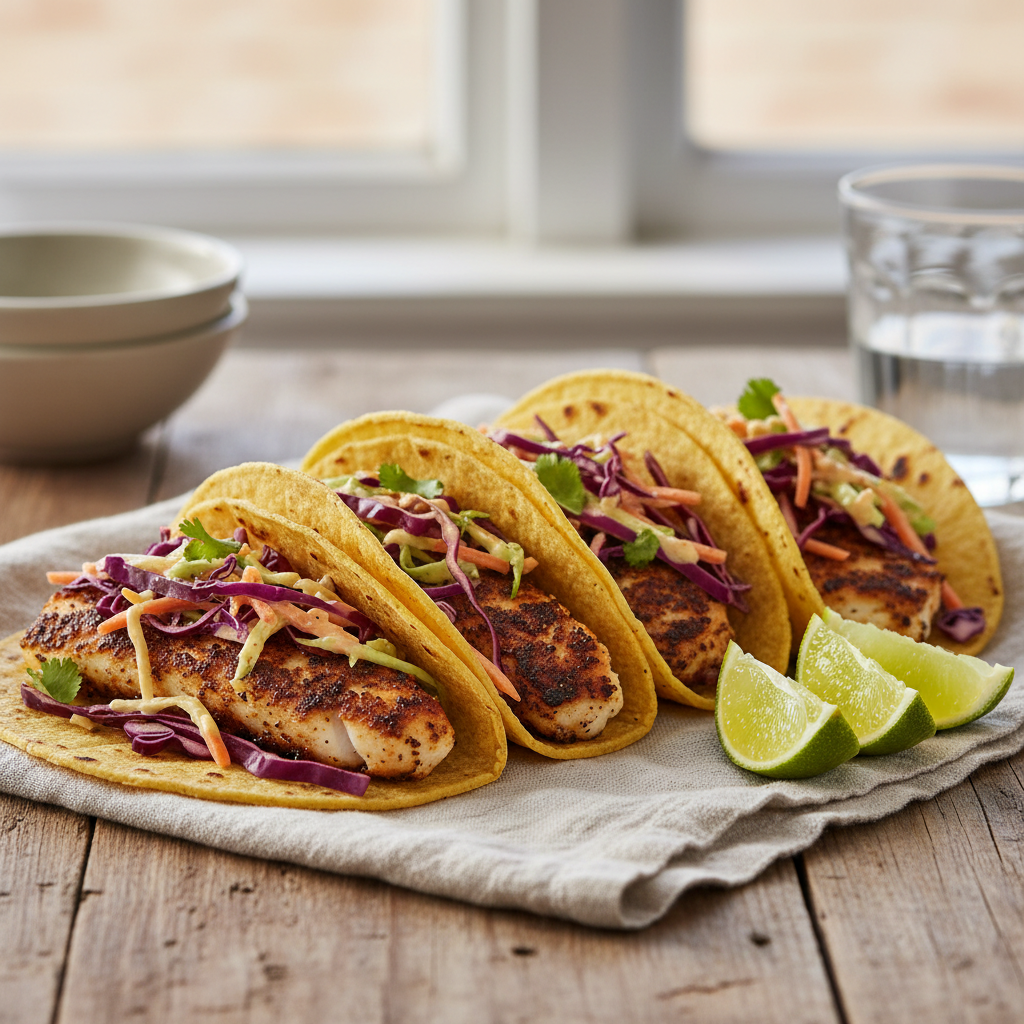
Blackened Cod Tacos with Cabbage Slaw
Crispy, spiced, and taco-night ready.
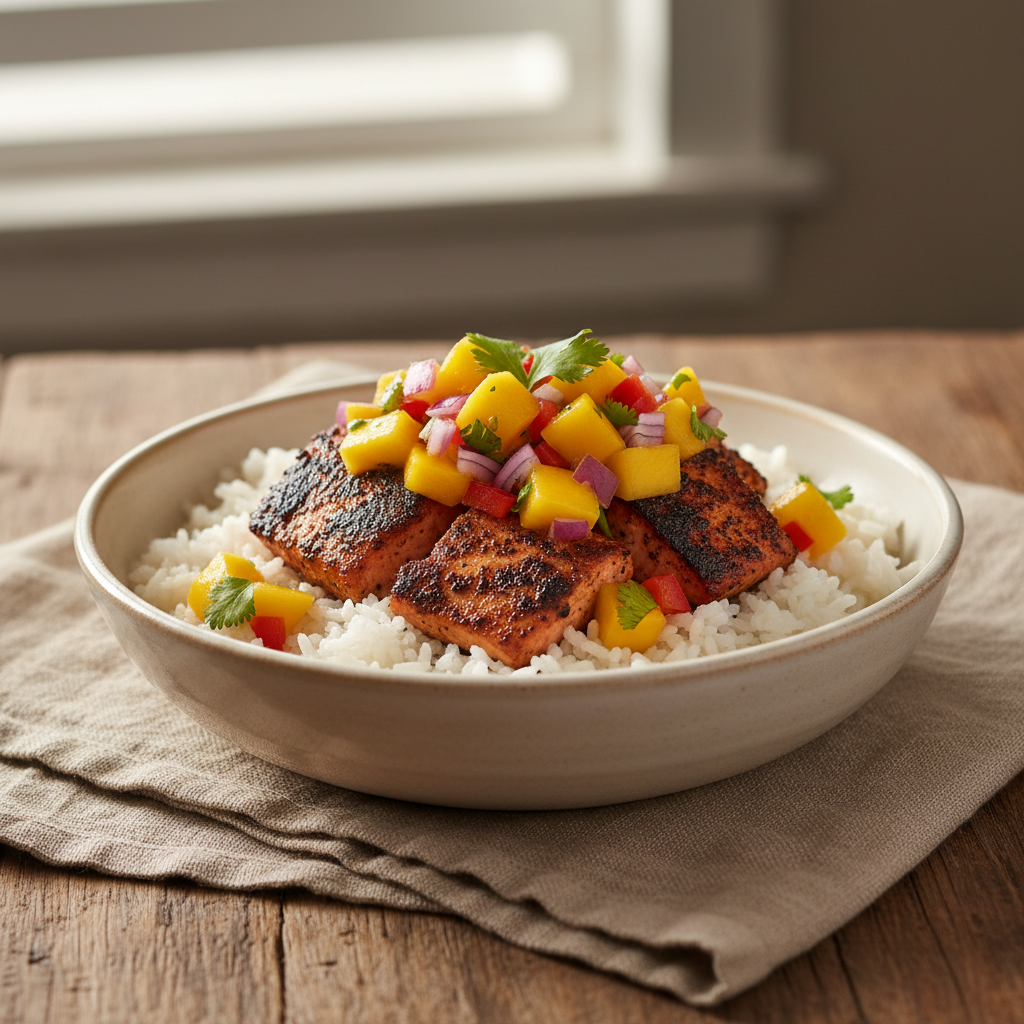
Blackened Salmon Bowl with Mango Salsa
Dicing the mango and jalapeño small and uniform, the same size, is what makes every spoonful of salsa taste balanced instead of one bite all heat and the next all sweet.
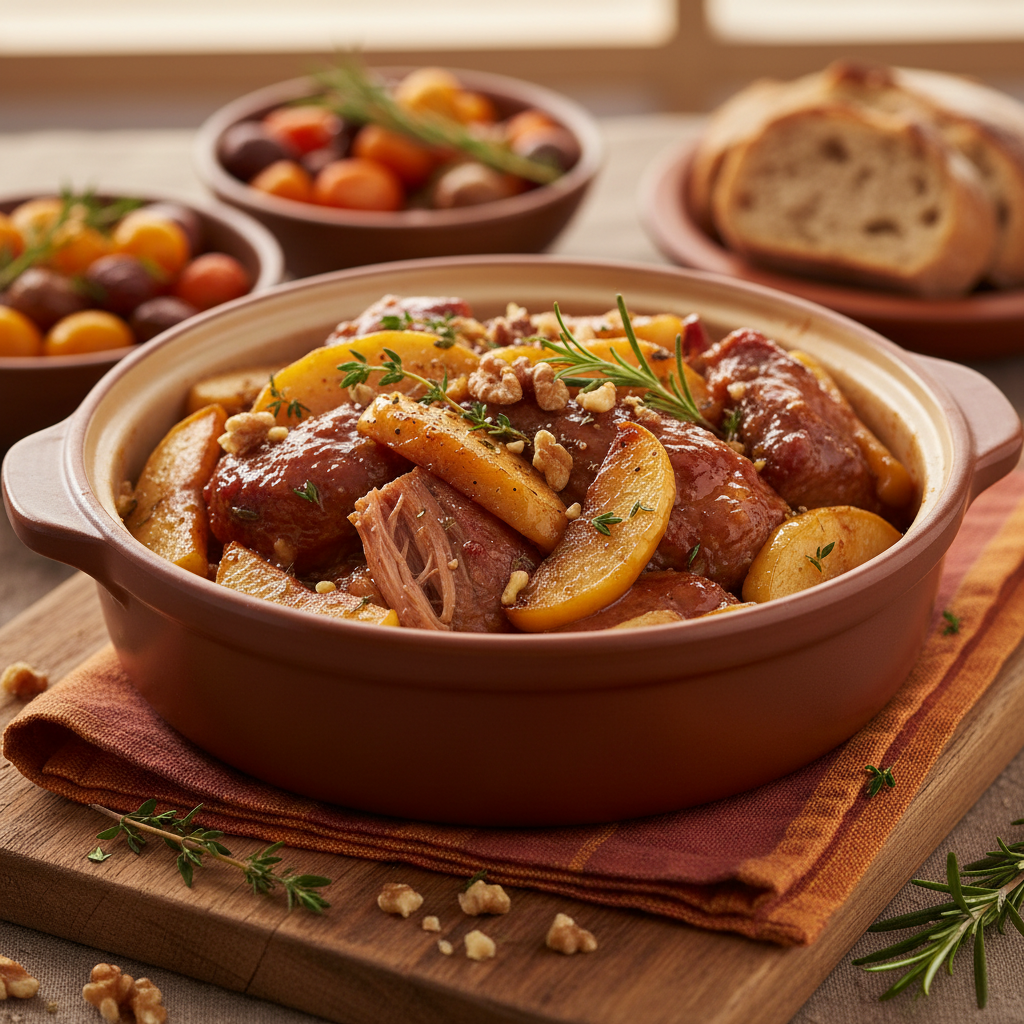
Braised Pork Shoulder with Apples
Browning the pork shoulder in batches before braising builds a fond that seasons the whole braising liquid — skip the sear and the sauce tastes flat.
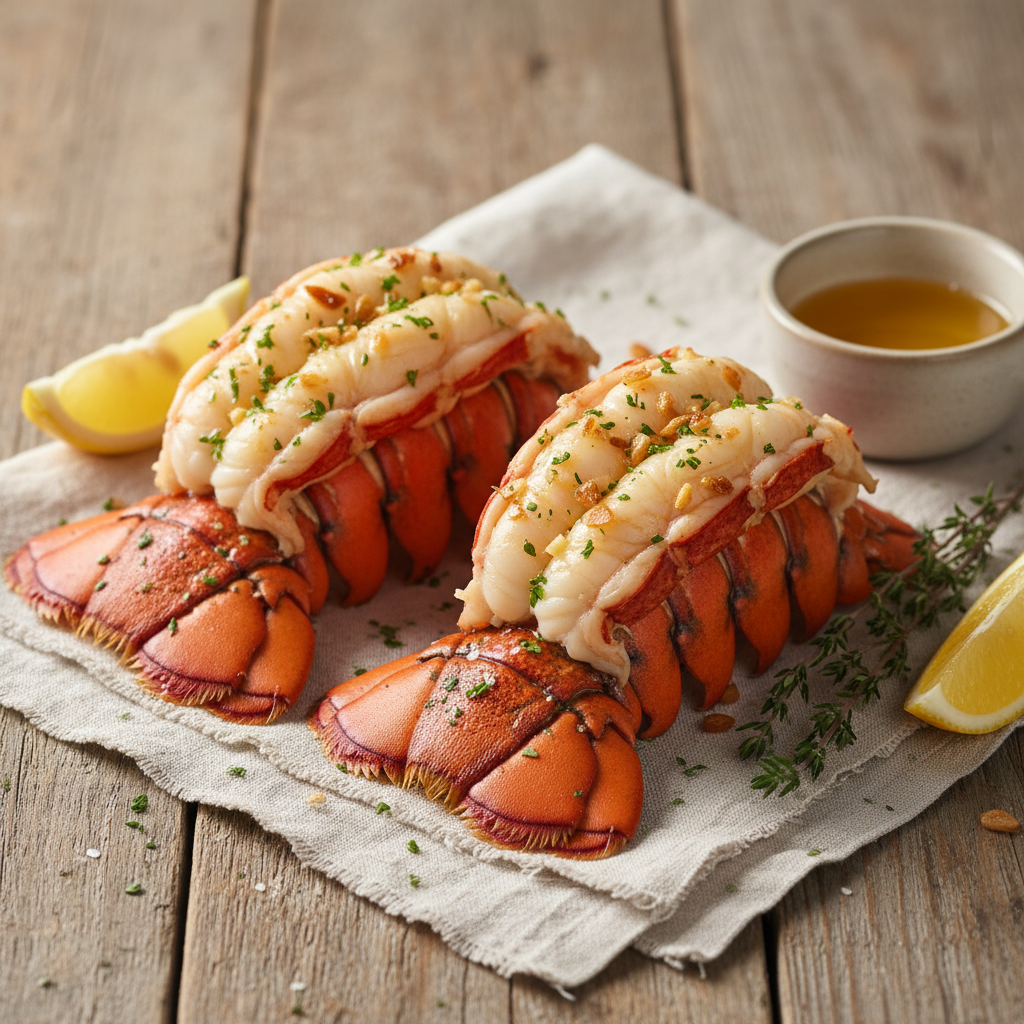
Broiled Lobster Tails with Garlic Butter
Cutting through the top shell and lifting the meat to rest on top of it, instead of leaving it tucked inside, is what lets the broiler actually brown and cook it evenly.
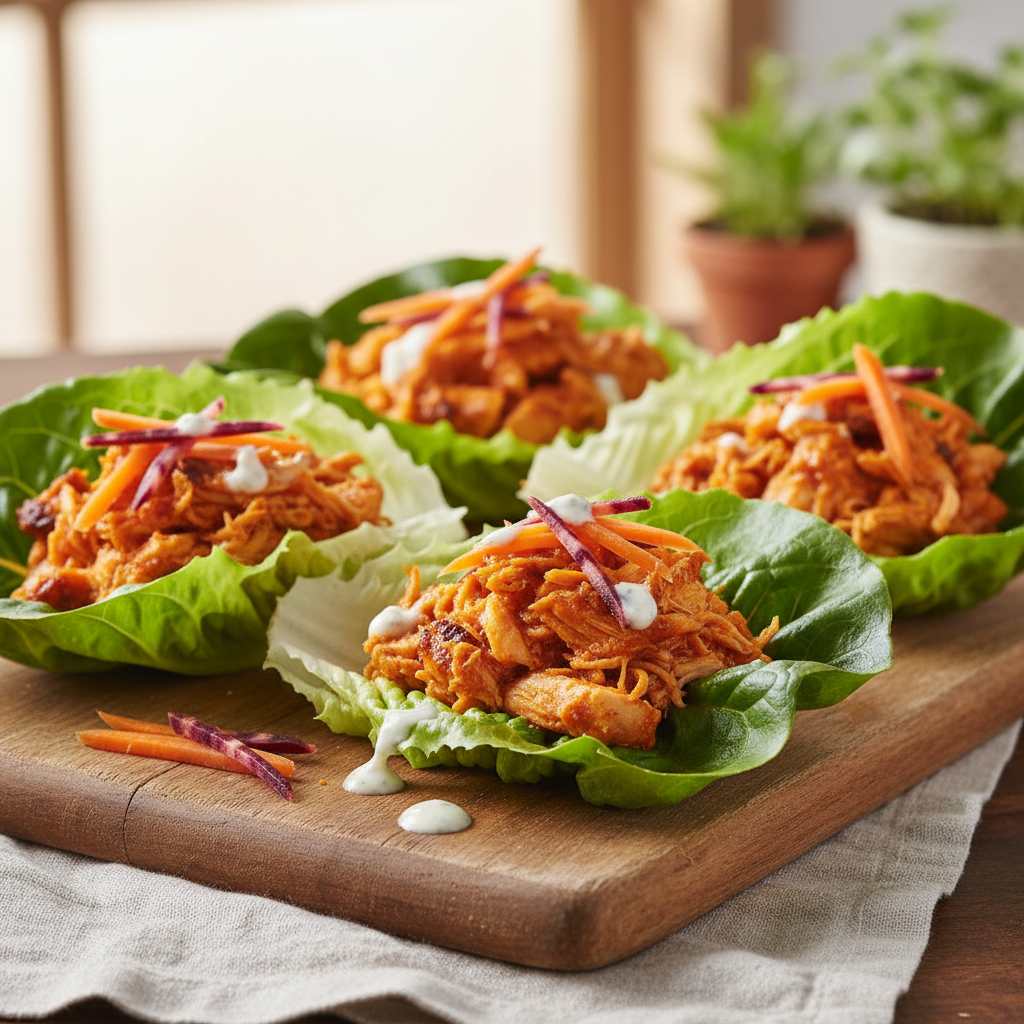
Buffalo Chicken Lettuce Wraps
Tossing the chicken in the hot sauce mixture off the heat, not while it's still simmering, keeps the sauce from breaking into a greasy layer on top.
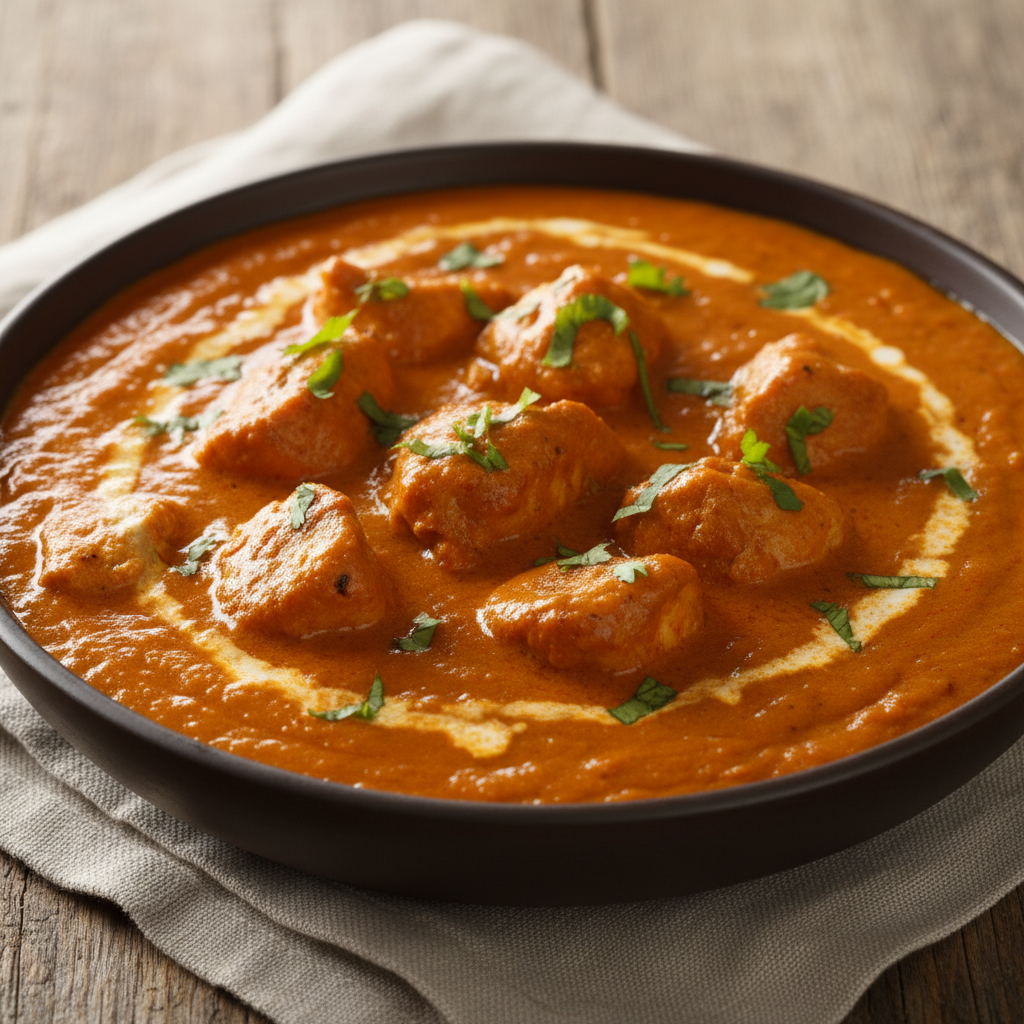
Butter Chicken (Dairy-Free)
Marinating the chicken in the spiced coconut mixture for at least an hour lets the spices actually penetrate the meat, not just coat the outside.
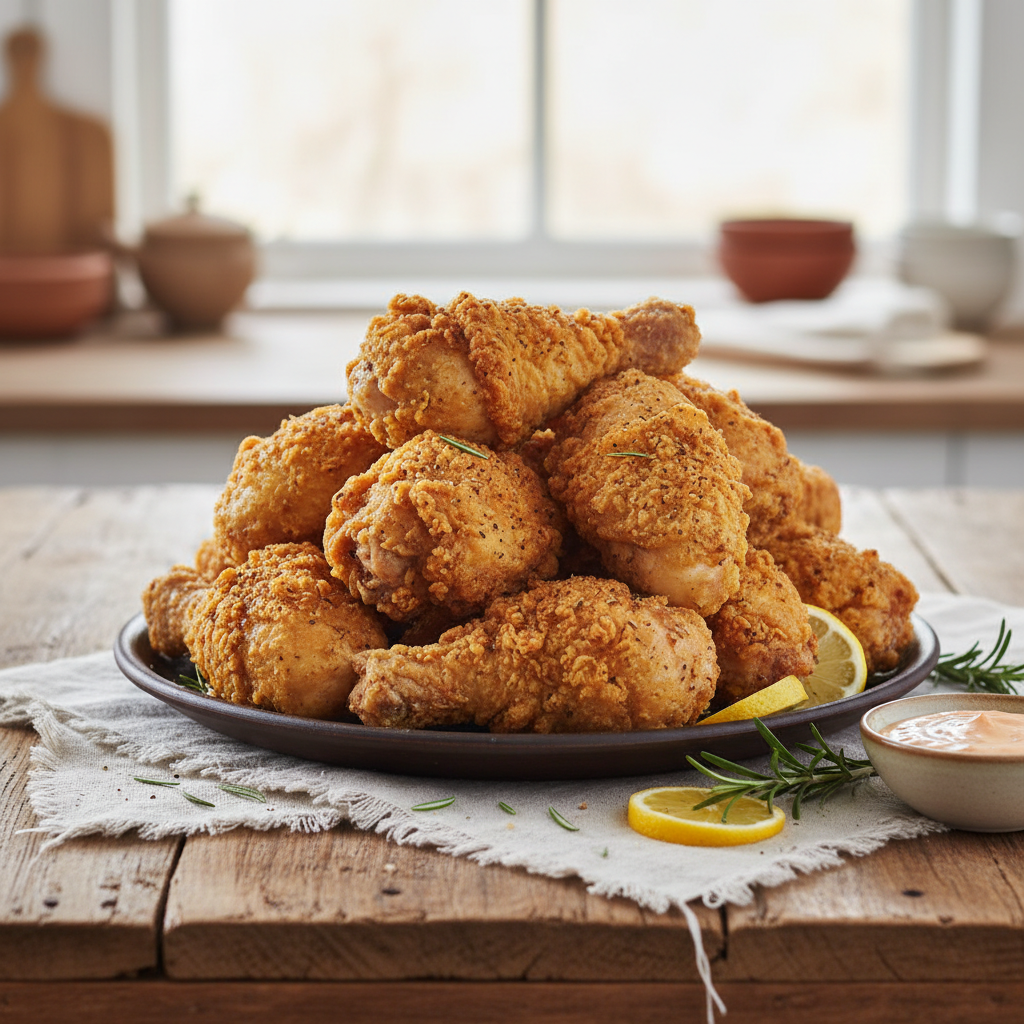
Buttermilk-Style Fried Chicken (Dairy-Free)
Soaking the chicken in an acidic, dairy-free 'buttermilk' for at least 2 hours tenderizes it the same way real buttermilk would, without any dairy.
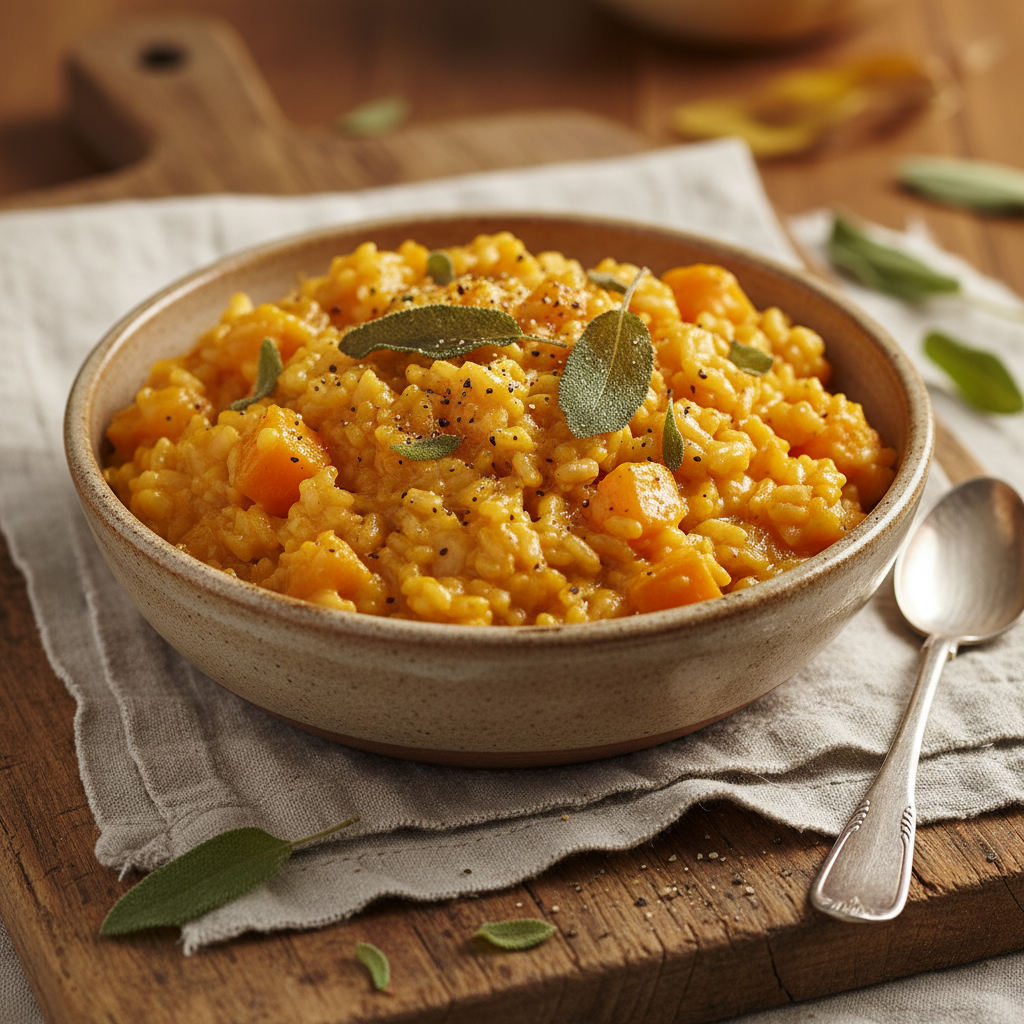
Butternut Squash Risotto
Adding the broth one ladle at a time, only once the previous addition has fully absorbed, is what slowly coaxes starch out of the rice for that classic creamy texture.
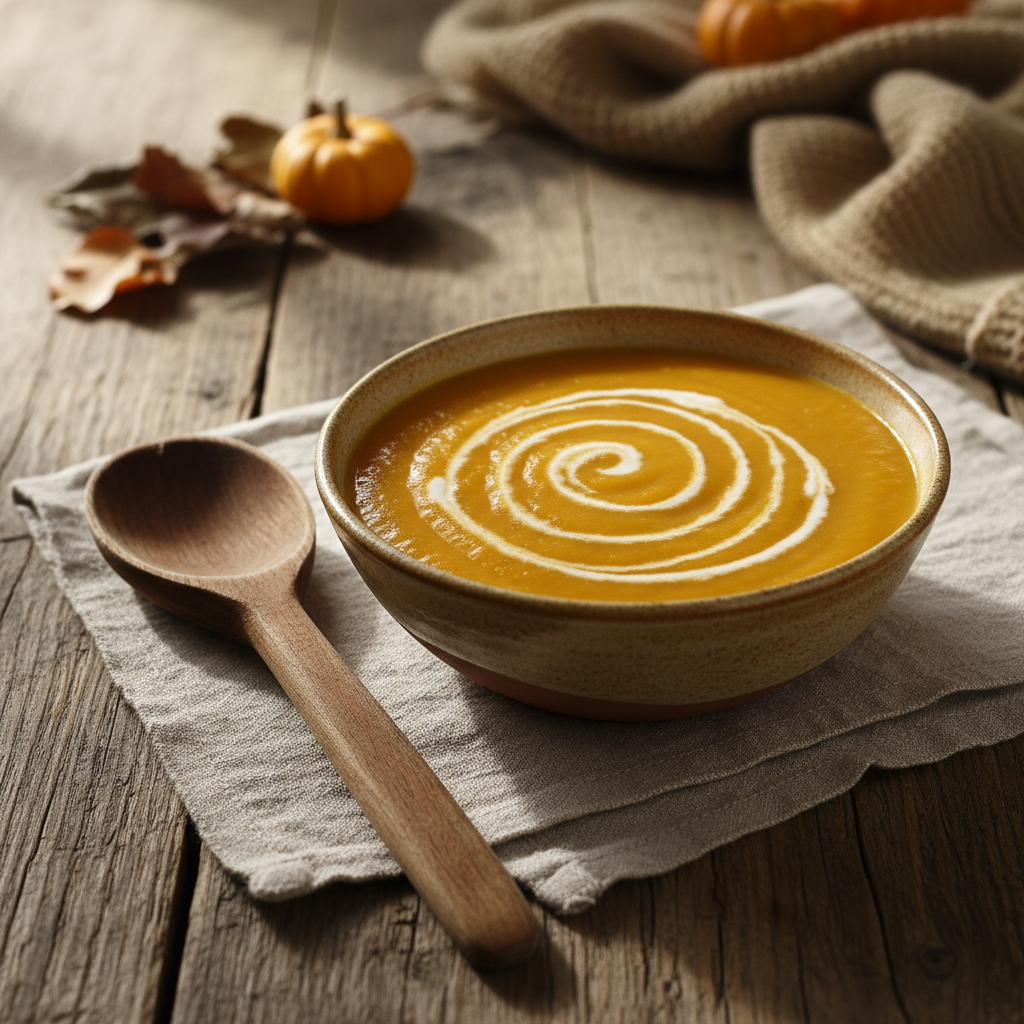
Butternut Squash Soup with Coconut Cream
Silky, naturally sweet, and dairy-free.
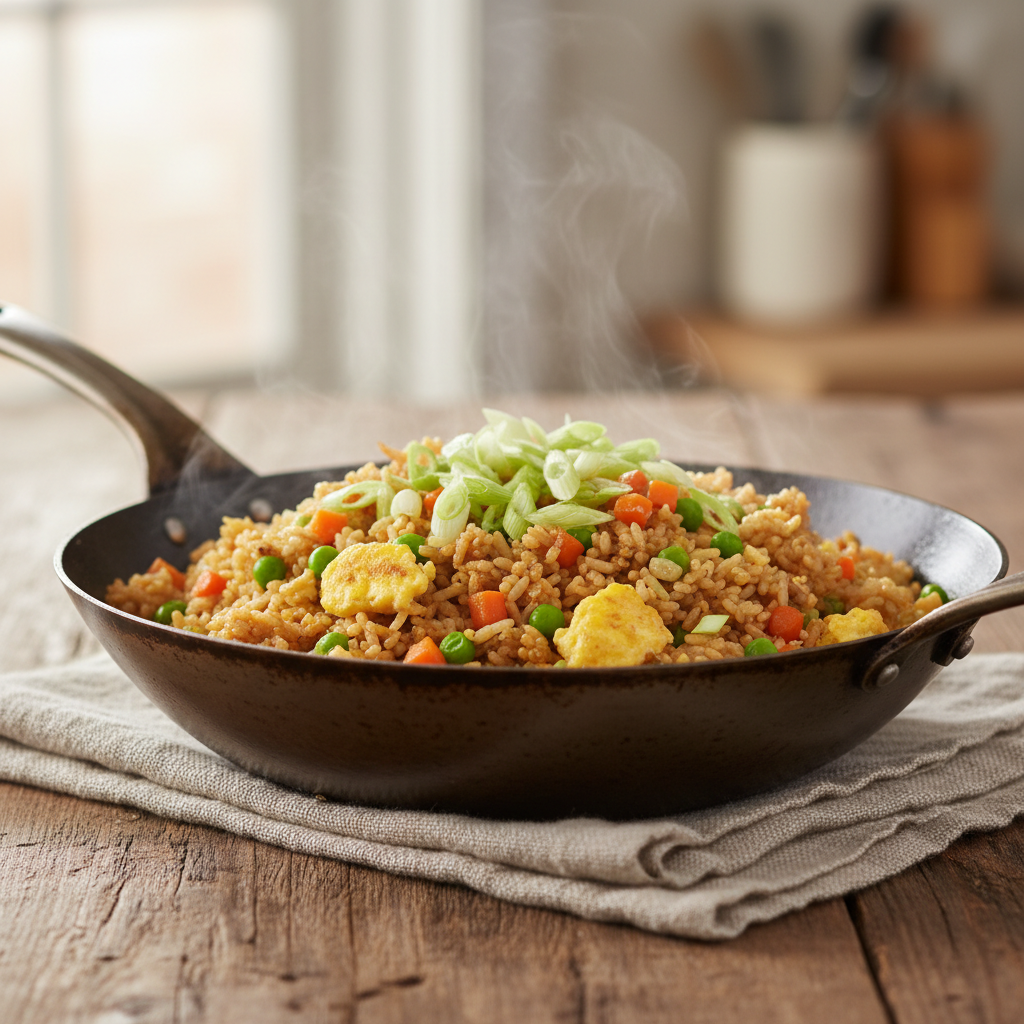
Cauliflower Fried "Rice"
All the flavor of takeout fried rice, none of the grain.
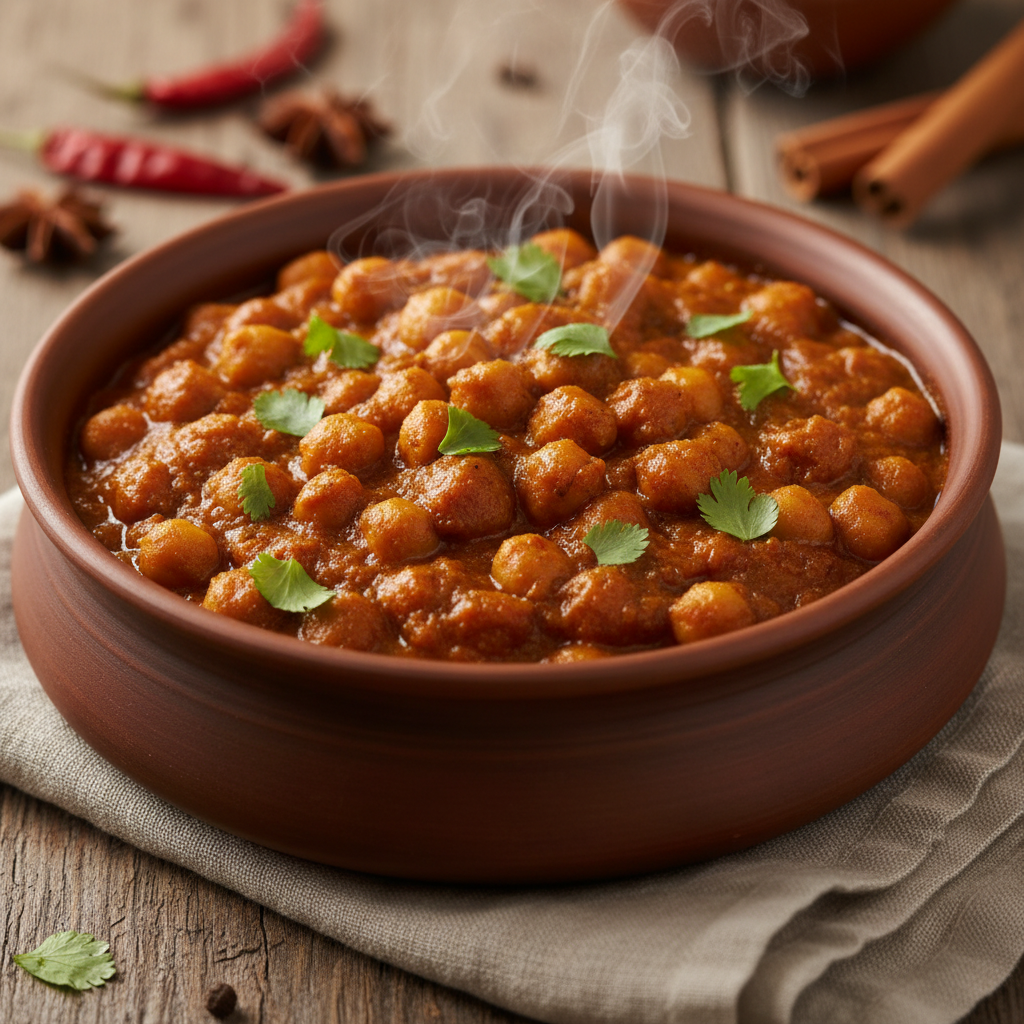
Chana Masala (Chickpea Curry)
Tempering the whole cumin seeds in hot oil until they sizzle and pop, right at the start, is a technique called tadka that extracts far more flavor than adding ground spice alone.
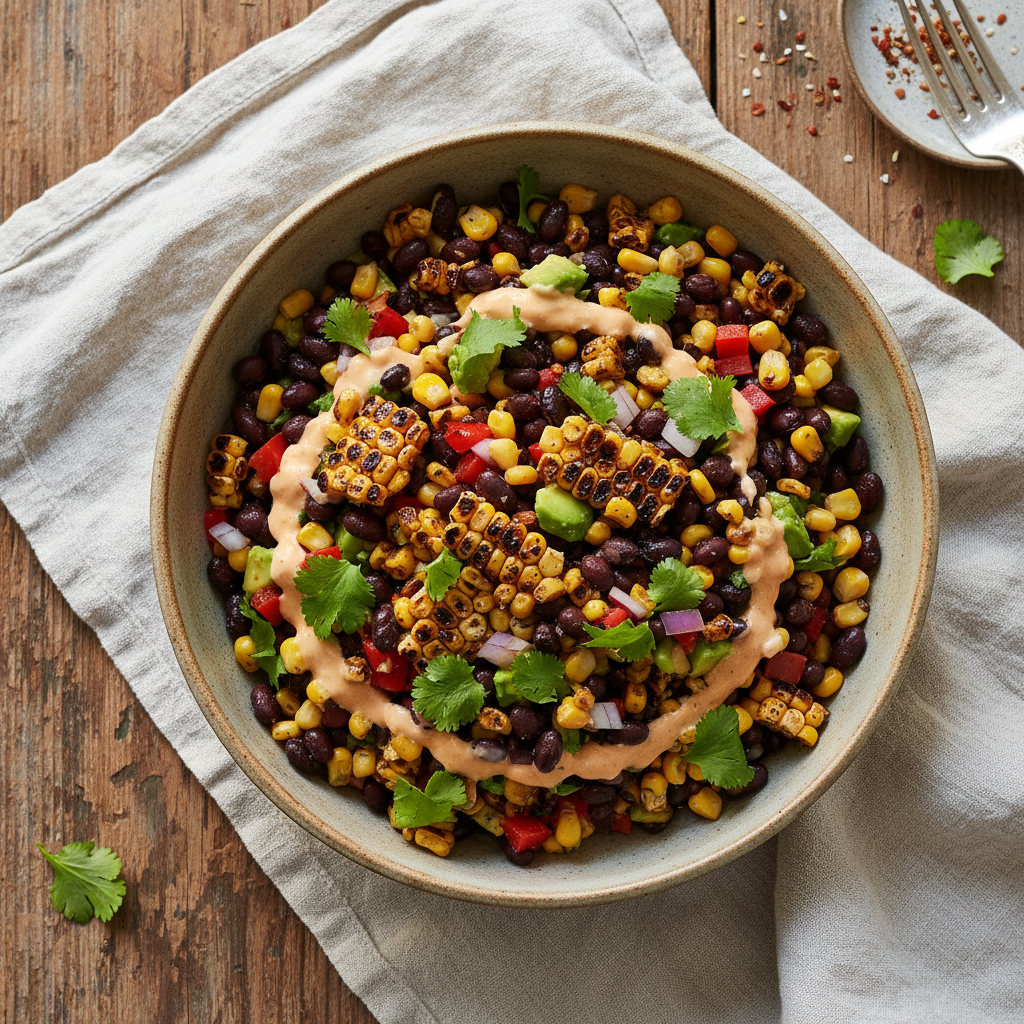
Charred Corn & Black Bean Salad
Charring the corn directly over a hot, dry skillet — not boiled or steamed — is what gives it that smoky, grilled flavor without needing an actual grill.
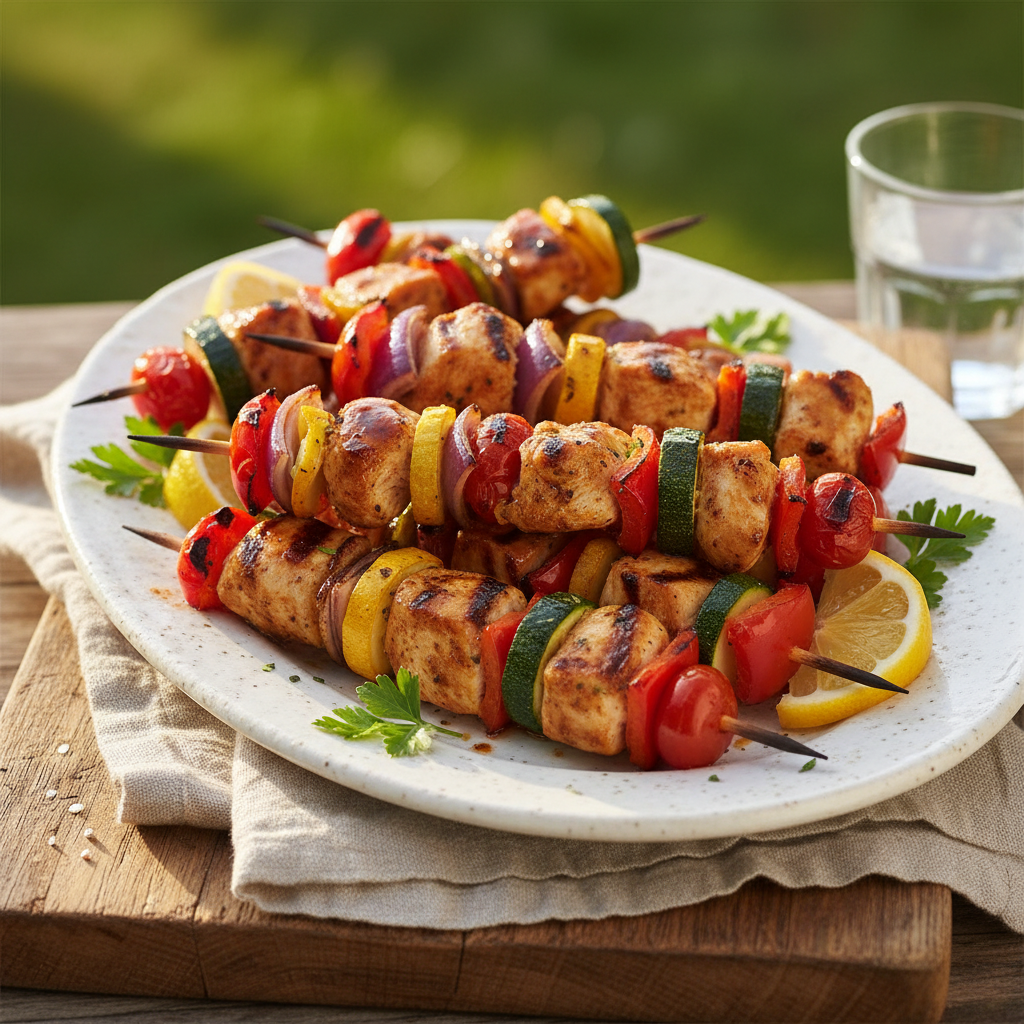
Chicken & Vegetable Kabobs
Cutting the chicken and vegetables into uniform, similarly sized pieces is what keeps everything on the skewer finishing at the same time.
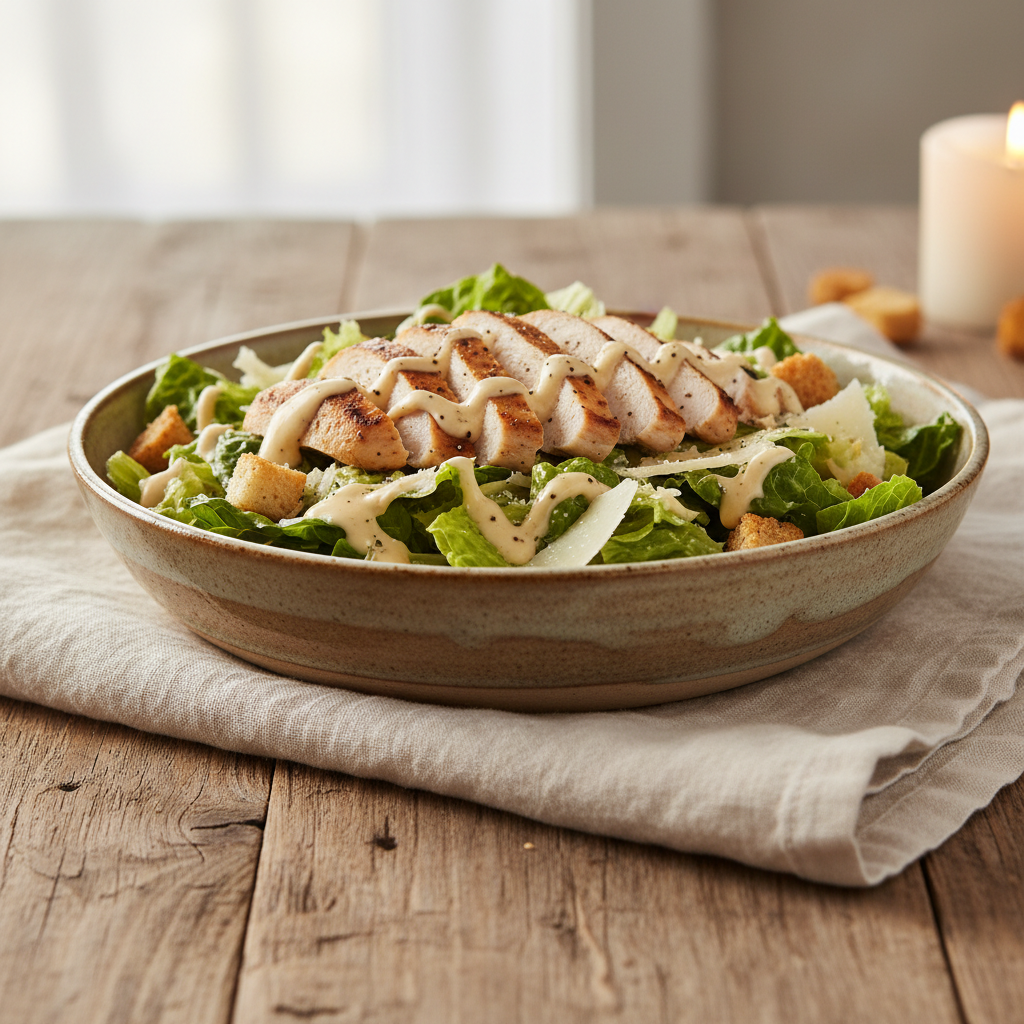
Chicken Caesar Salad (Dairy-Free)
Making the dressing in a slow, steady drizzle while whisking is what keeps a real vinaigrette emulsified instead of separating into oil and vinegar.
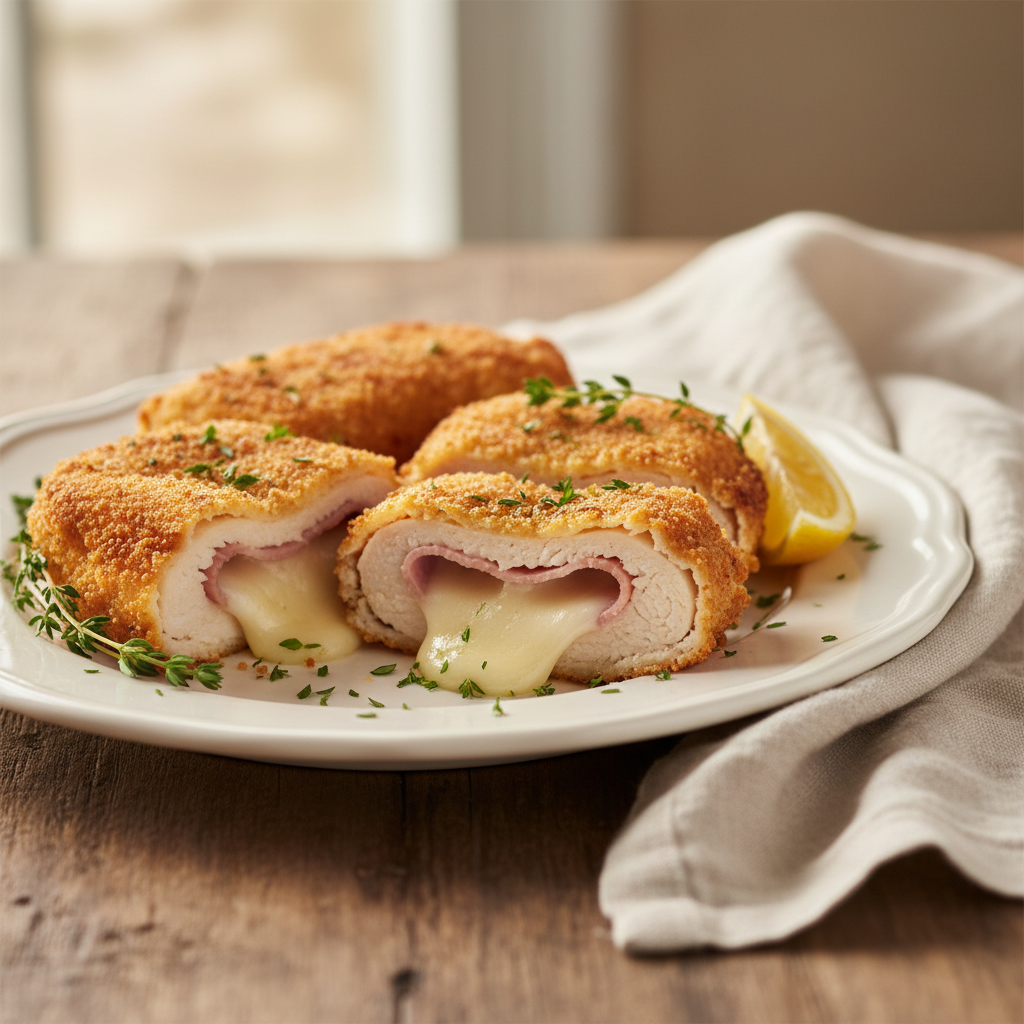
Chicken Cordon Bleu (Dairy-Free, Gluten-Free)
Chilling the stuffed chicken for 20 minutes before breading and cooking is what keeps the filling from leaking out as it cooks.
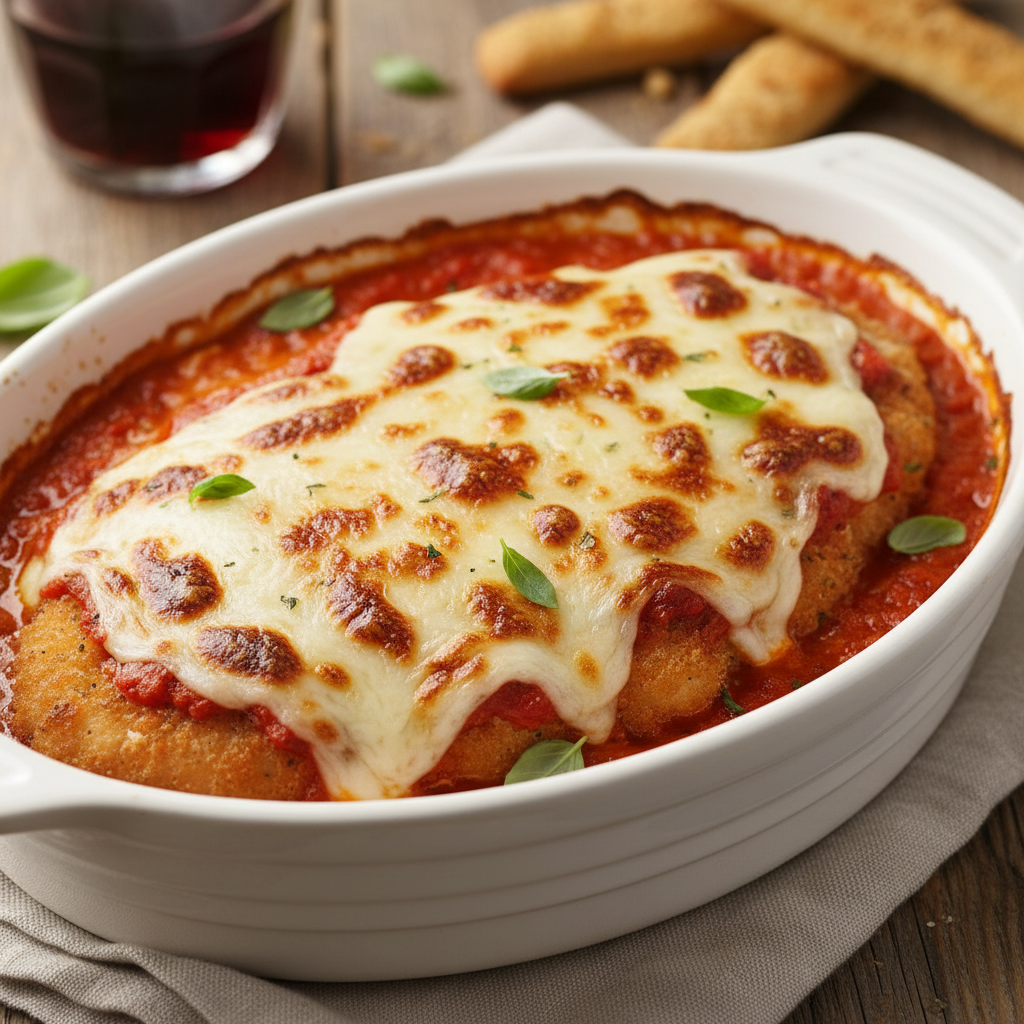
Chicken Parmesan (Dairy-Free)
Letting the breaded chicken rest on a rack for 10 minutes before frying helps the coating set, so it doesn't slide off the second it hits the oil.
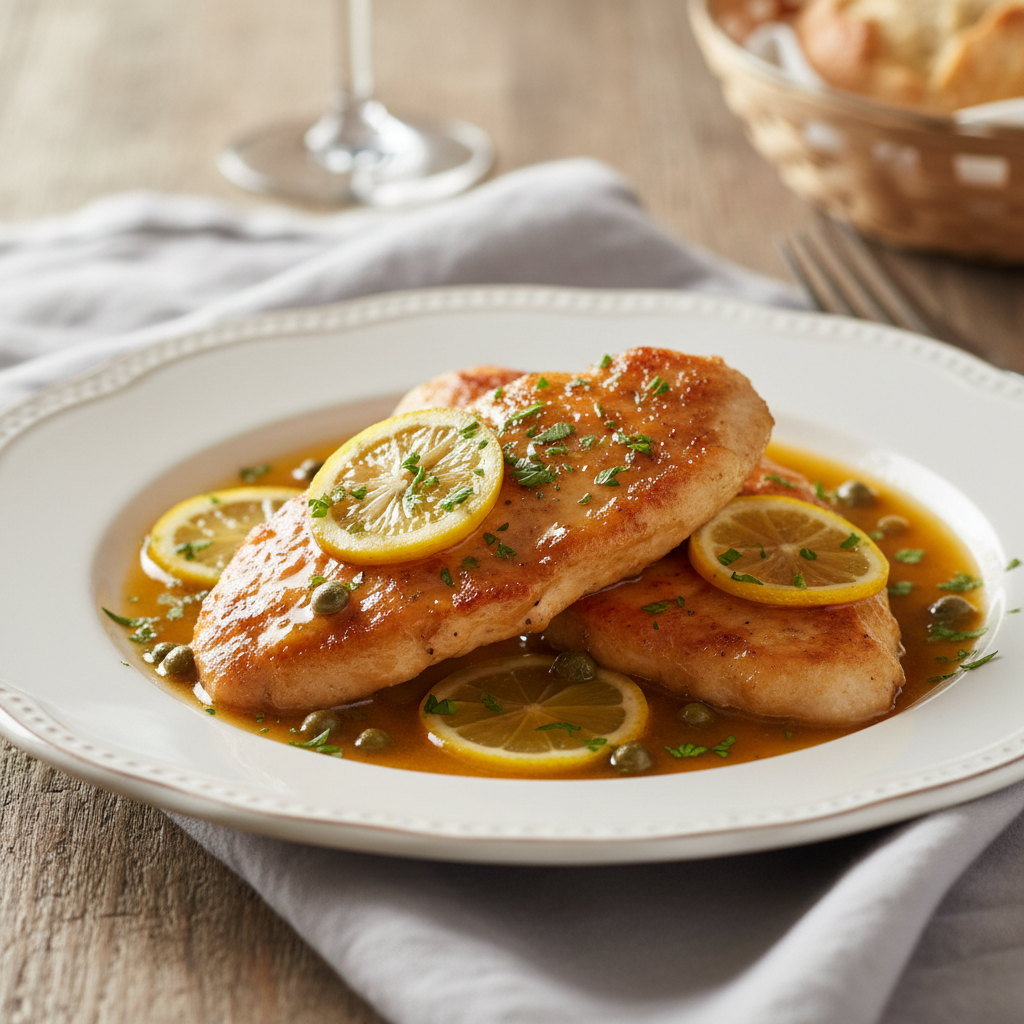
Chicken Piccata
Reducing the lemon-caper pan sauce until it coats the back of a spoon is what makes it cling to the chicken instead of pooling thin around the plate.
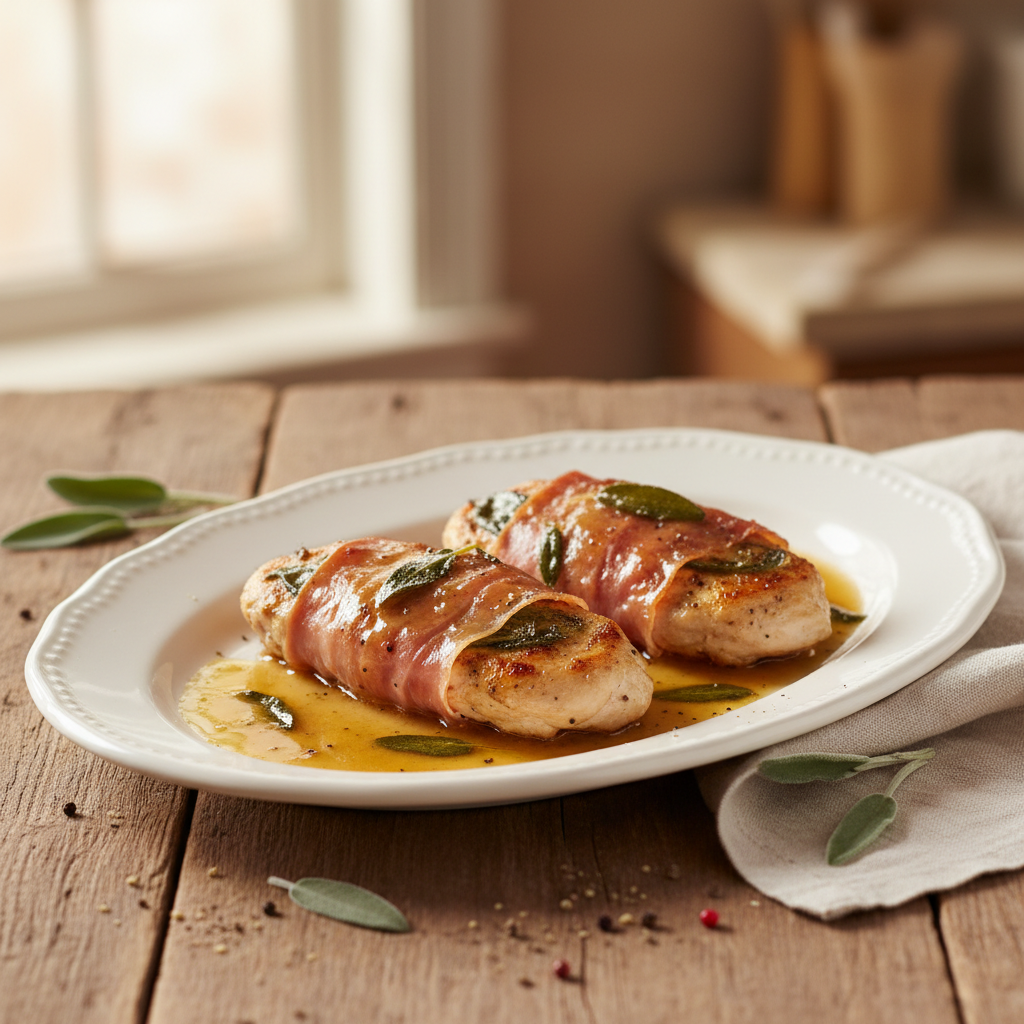
Chicken Saltimbocca (Dairy-Free)
Pressing the sage leaf directly onto the chicken before wrapping it in prosciutto is what keeps the herb from sliding off during cooking.
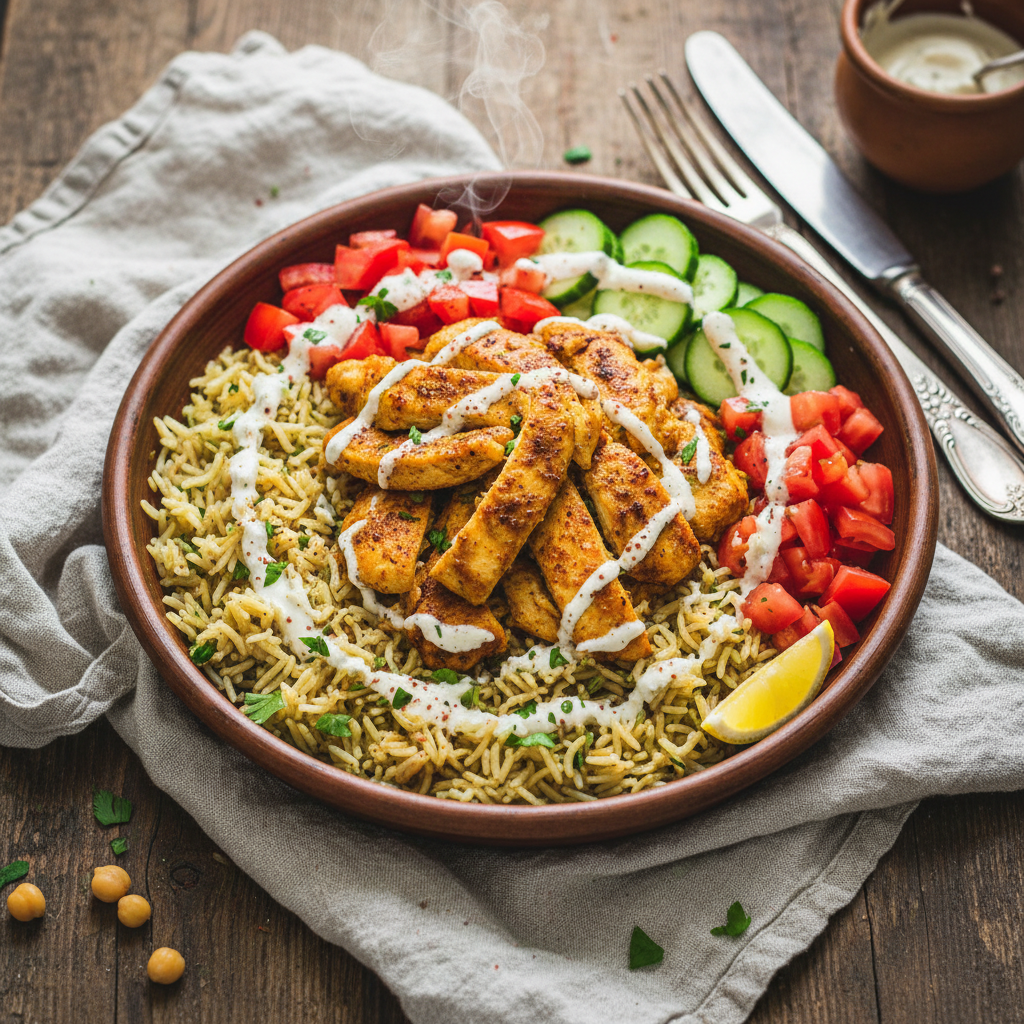
Chicken Shawarma Bowls
Toasting the shawarma spice blend in a dry pan for 30 seconds before it touches the chicken deepens the flavor far more than adding the spices raw.
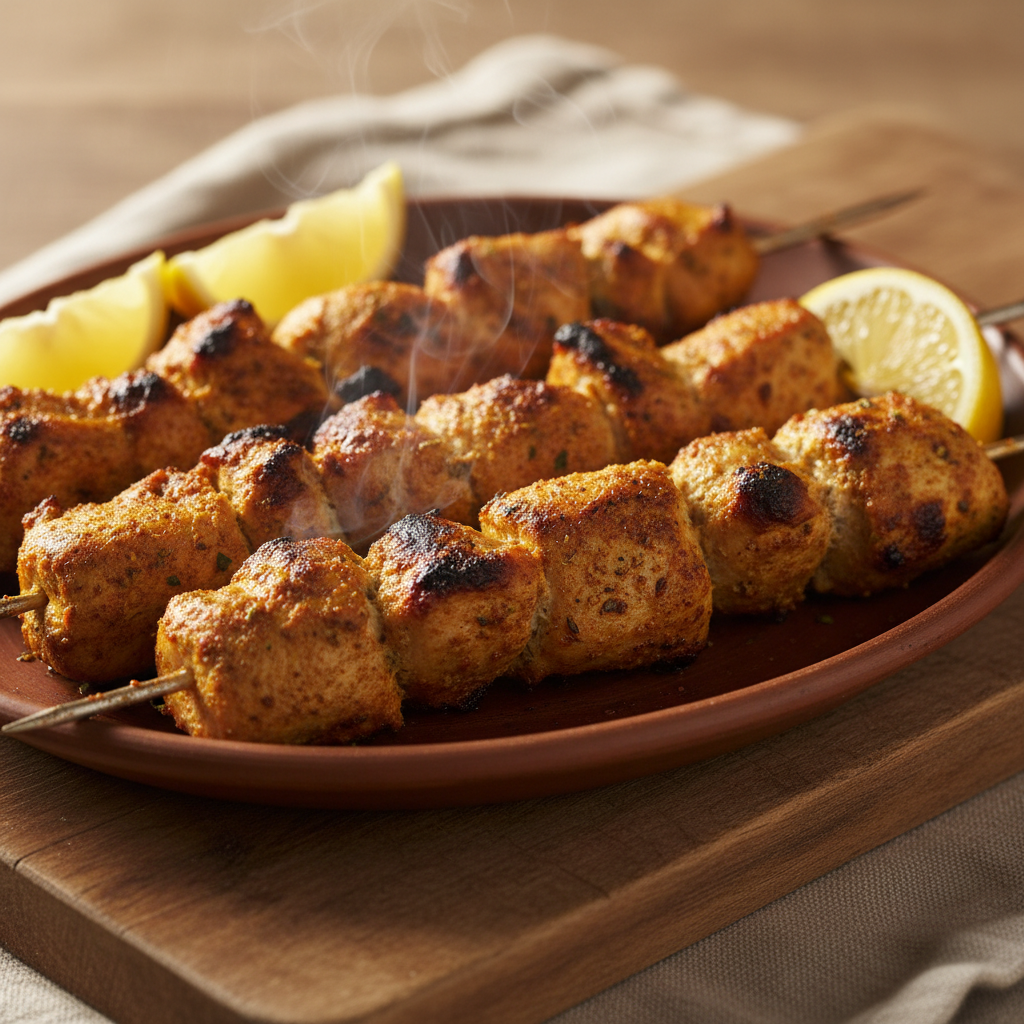
Chicken Tikka Skewers
Marinating the chicken in acidic coconut yogurt overnight is what tenderizes it — the acid gently breaks down the muscle fibers the same way a longer cook time would.
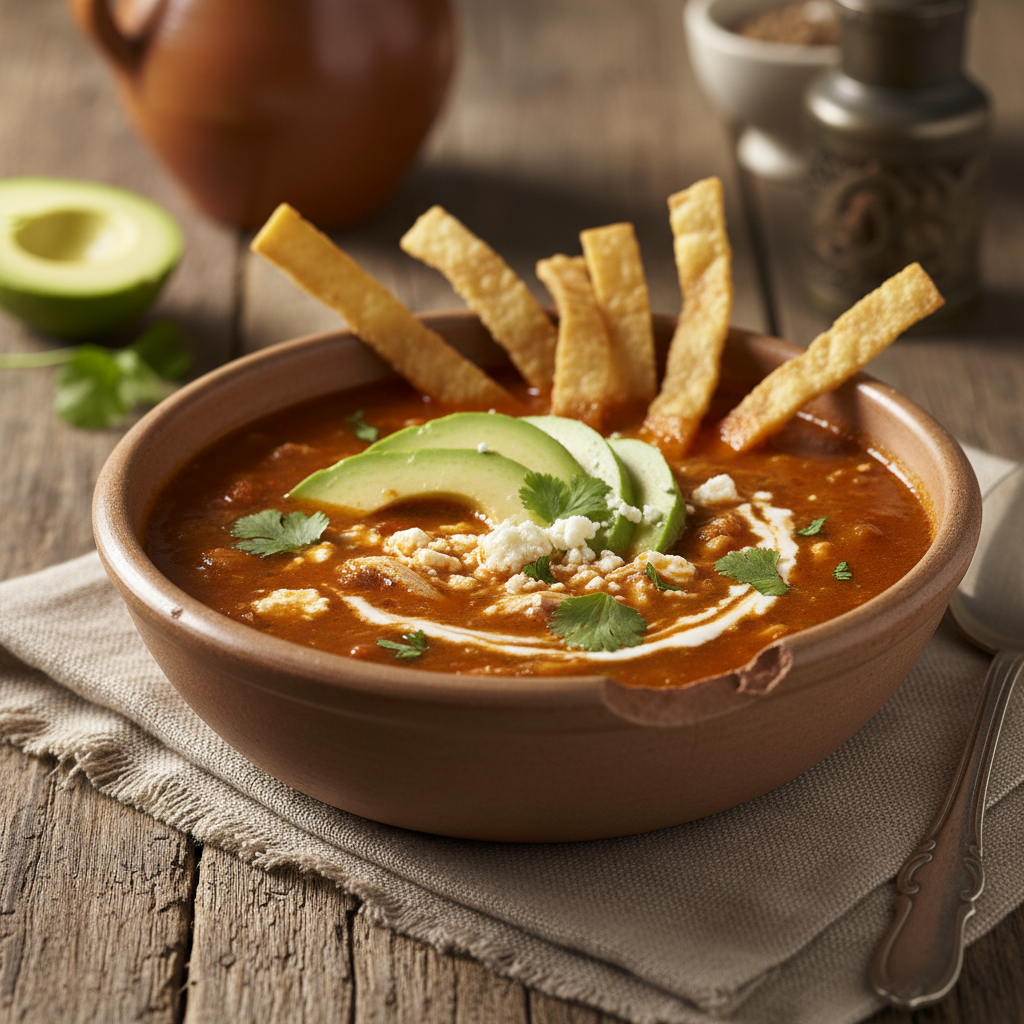
Chicken Tortilla Soup (GF)
Charring the onion and jalapeño under the broiler before they go into the pot adds a smoky depth that raw sautéed vegetables can't match.
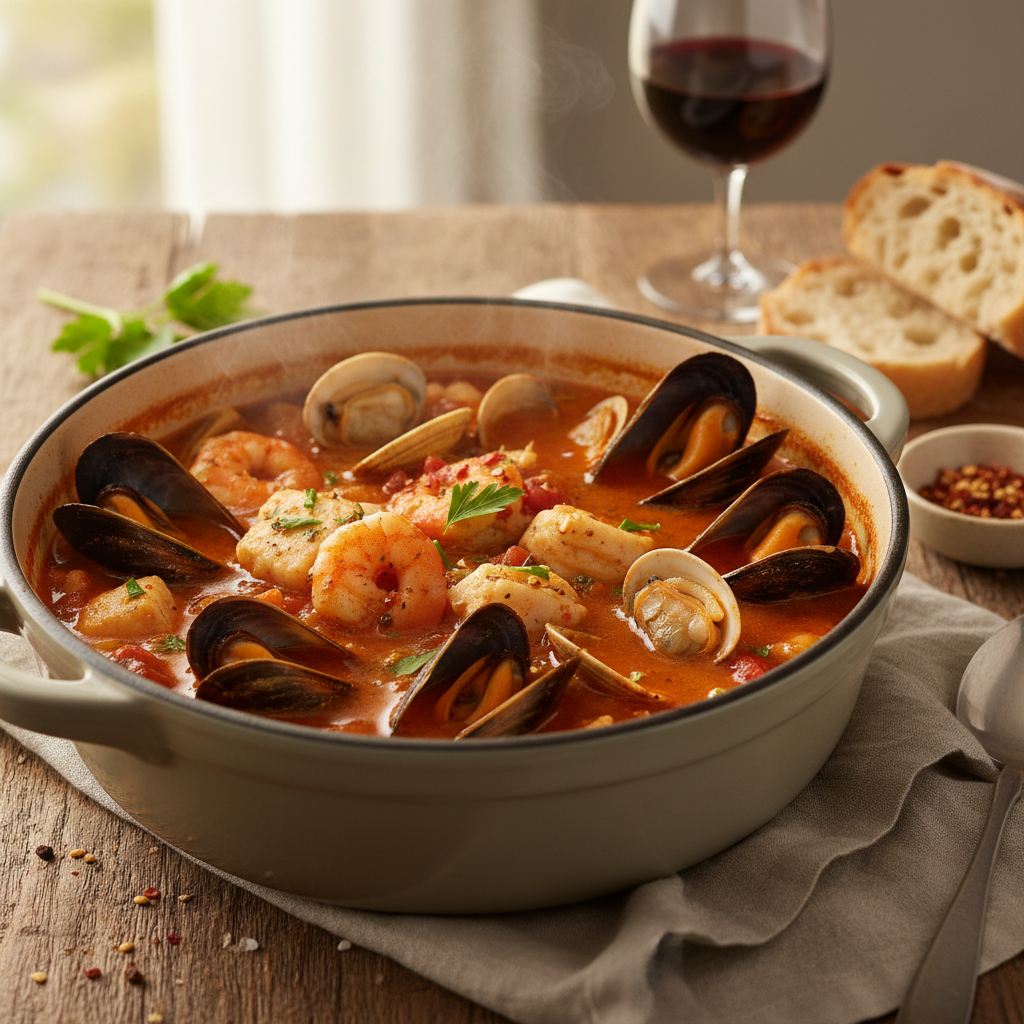
Cioppino (Seafood Stew)
Adding the seafood in stages, by how quickly each cooks — clams and mussels first, then fish, then shrimp and scallops last — keeps everything from turning rubbery at the same time.
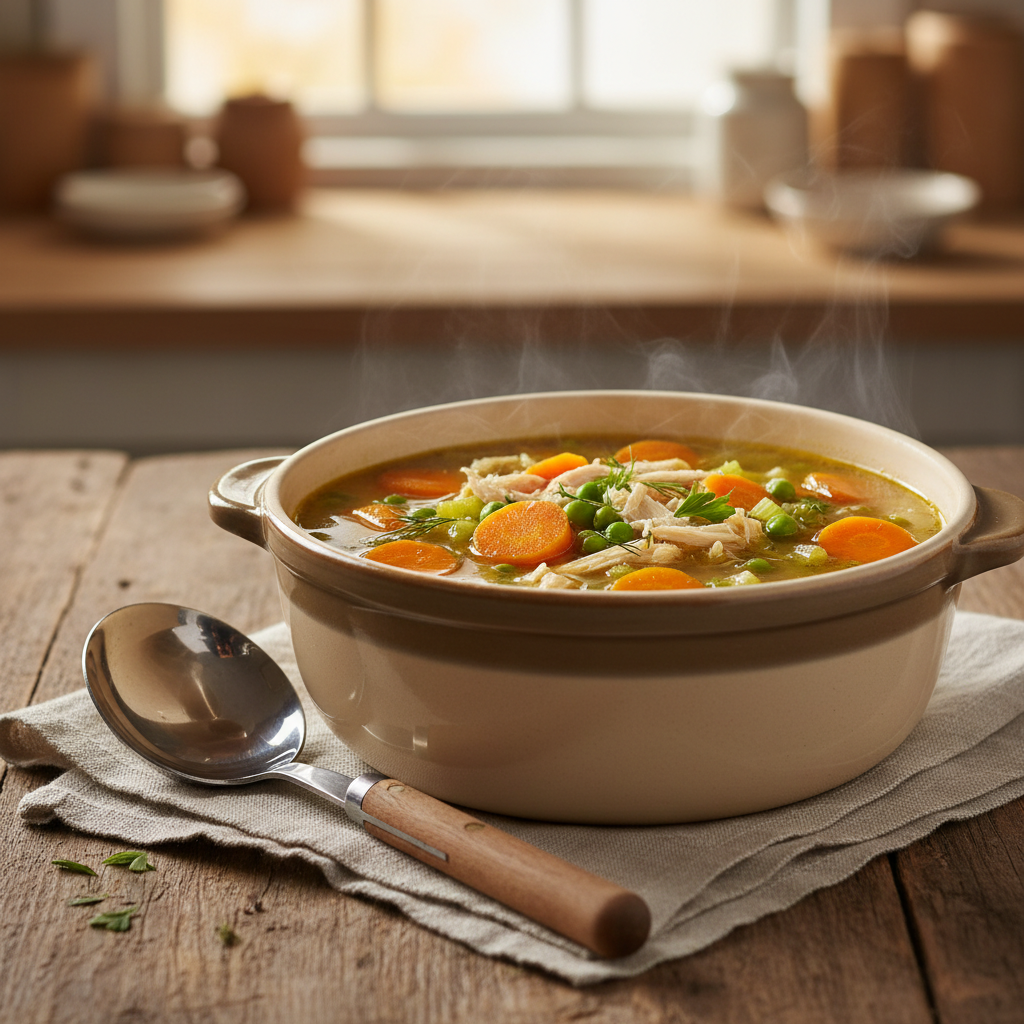
Classic Chicken & Vegetable Soup
Searing the chicken pieces before adding broth, then deglazing the pot, builds a homemade-tasting base that boiling raw chicken in water never gets.
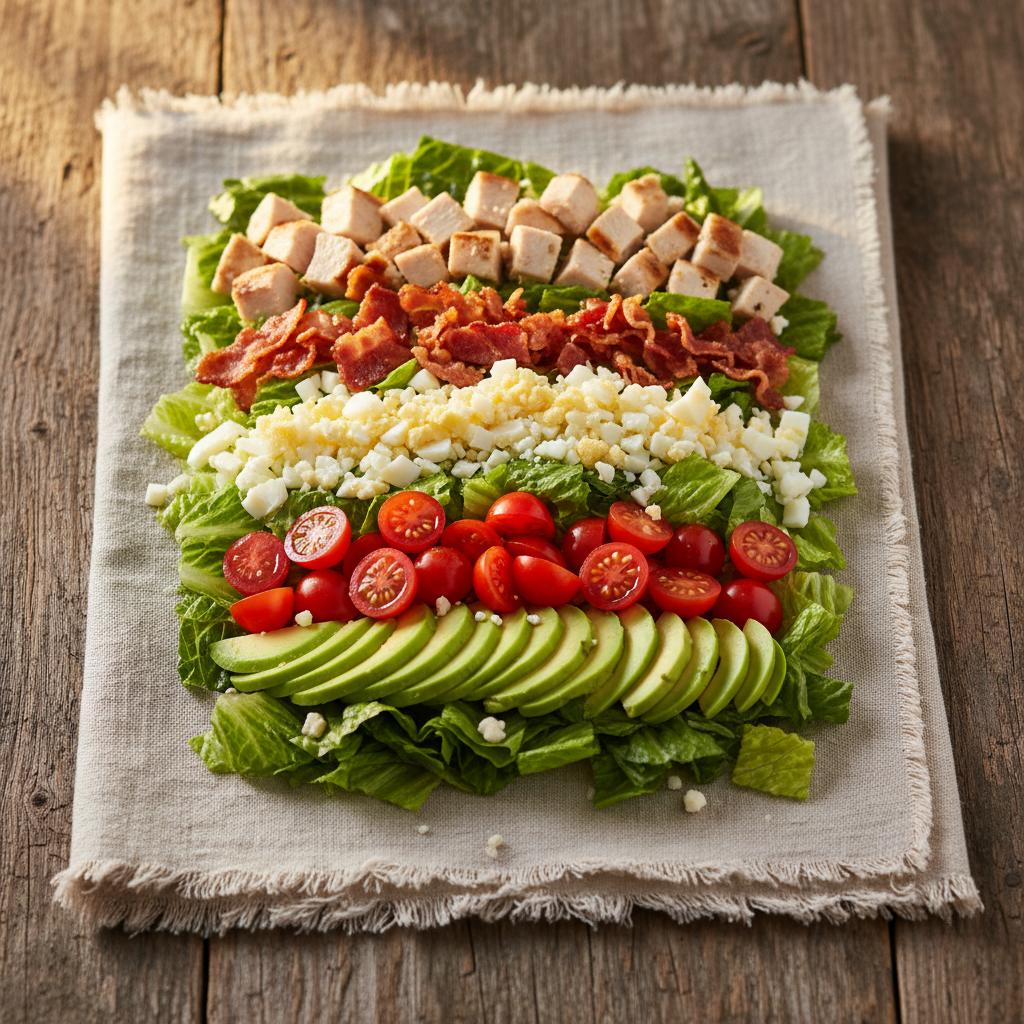
Cobb Salad with Avocado Dressing
Arranging the ingredients in distinct rows, instead of tossing everything together, is what makes a Cobb salad and keeps every bite balanced.
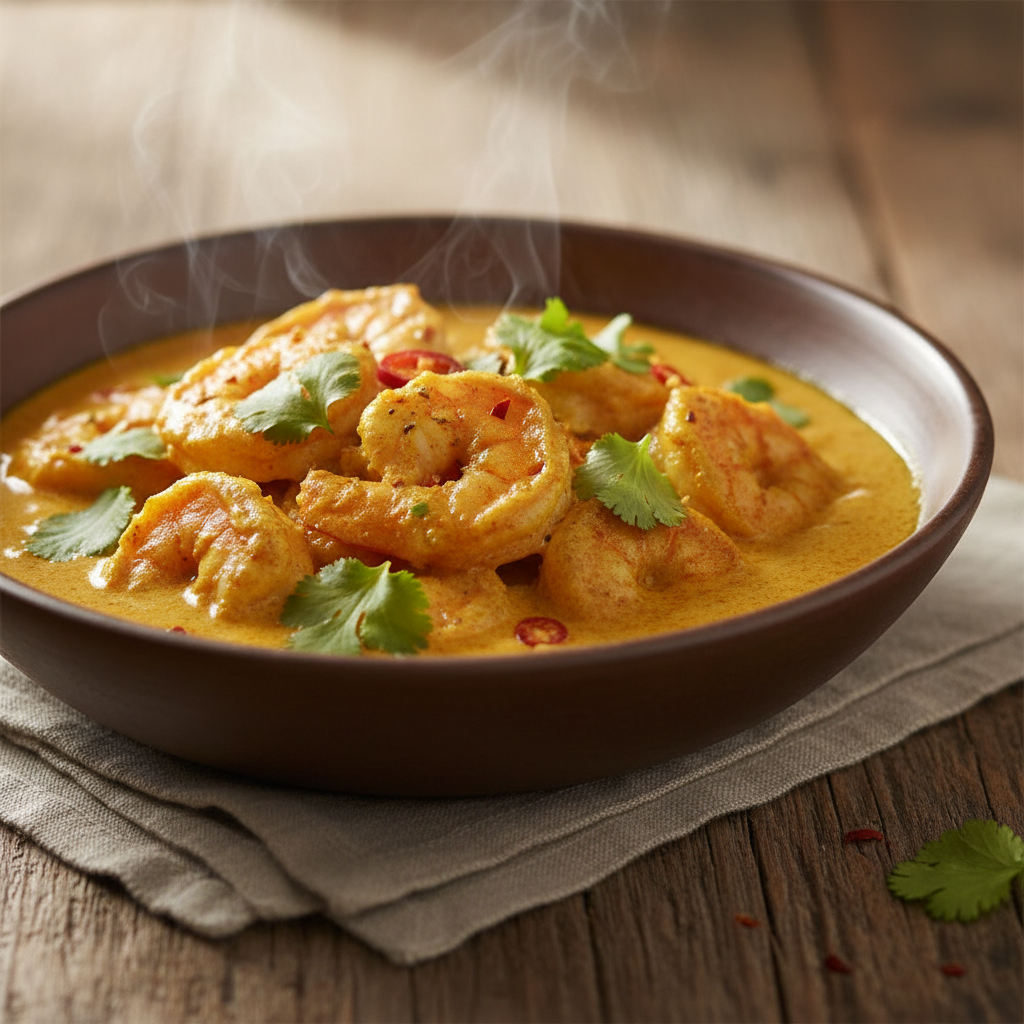
Coconut Curry Shrimp
A one-pot curry with deep, warm spices.
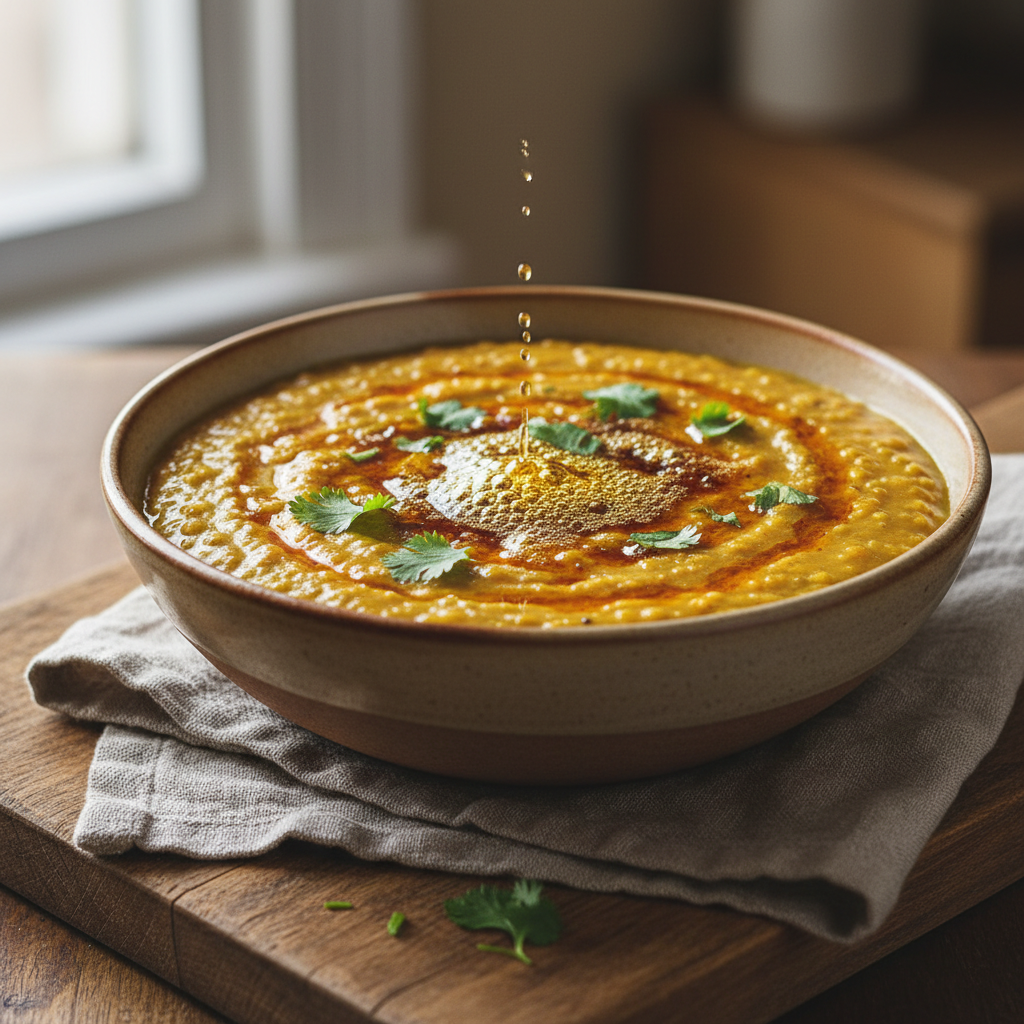
Coconut Lentil Dal
Pouring the sizzling tempered spice oil over the finished dal right before serving, rather than stirring it in early, keeps that fried-spice aroma vivid instead of muted.
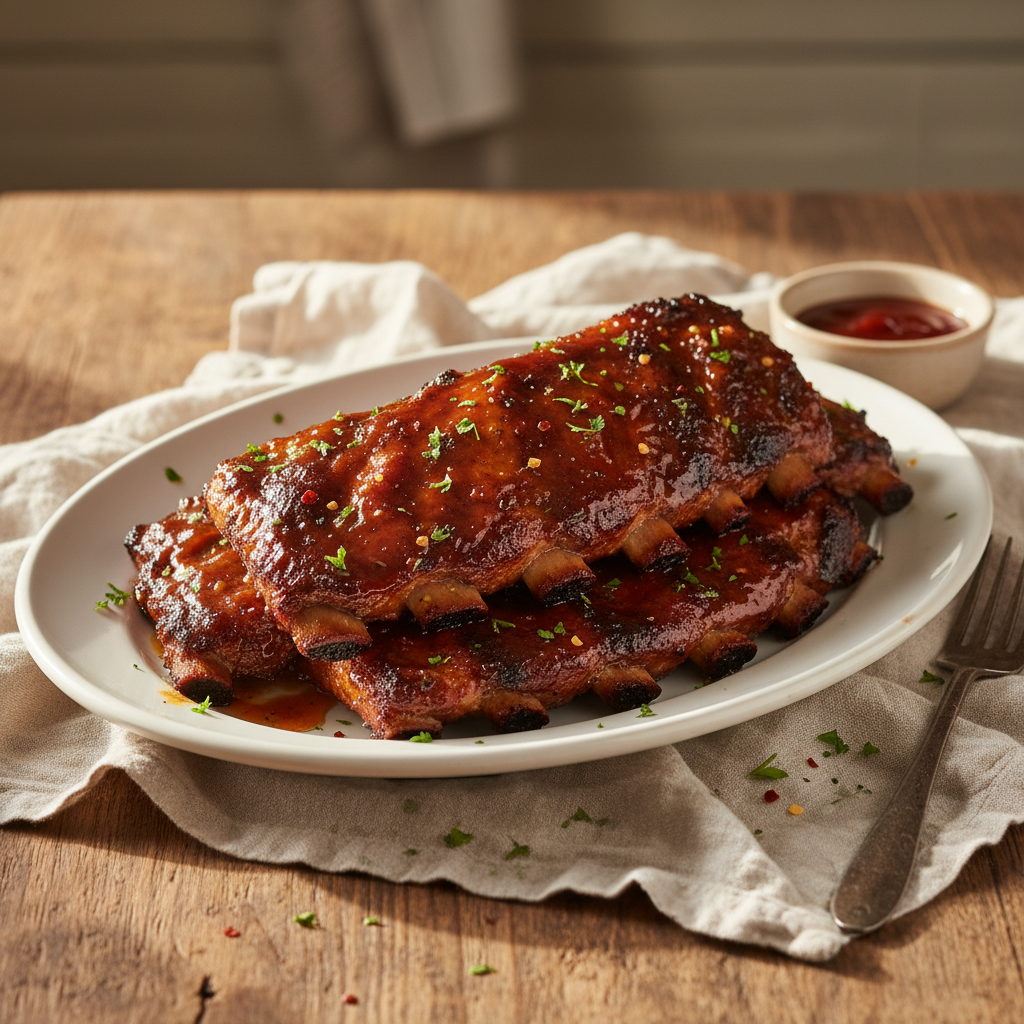
Country-Style Pork Ribs with BBQ Glaze
Braising the ribs low and slow, covered, before glazing and broiling is what makes them fall-apart tender — going straight to the grill leaves them tough and chewy.
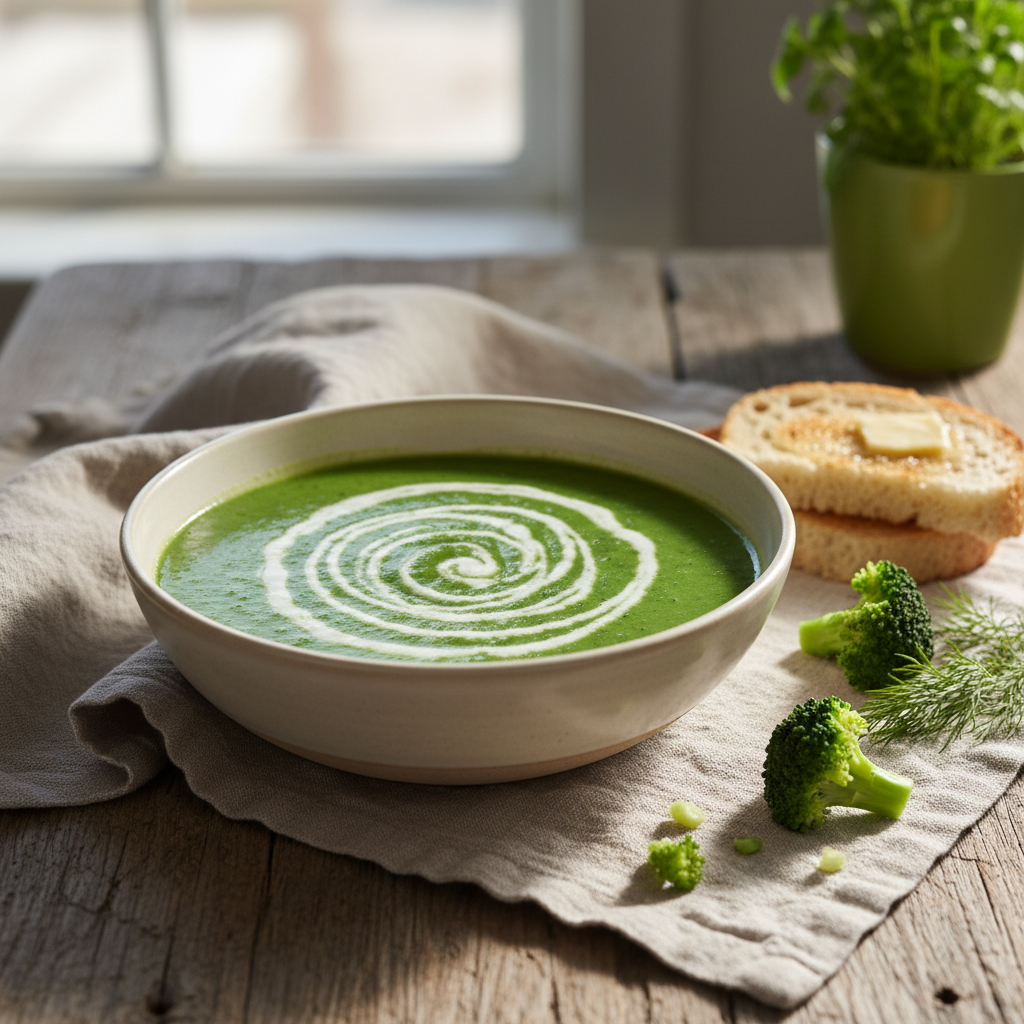
Creamy Broccoli Soup (Dairy-Free)
Shocking the blanched broccoli in ice water before blending is what locks in its bright green color instead of a dull, army-green soup.
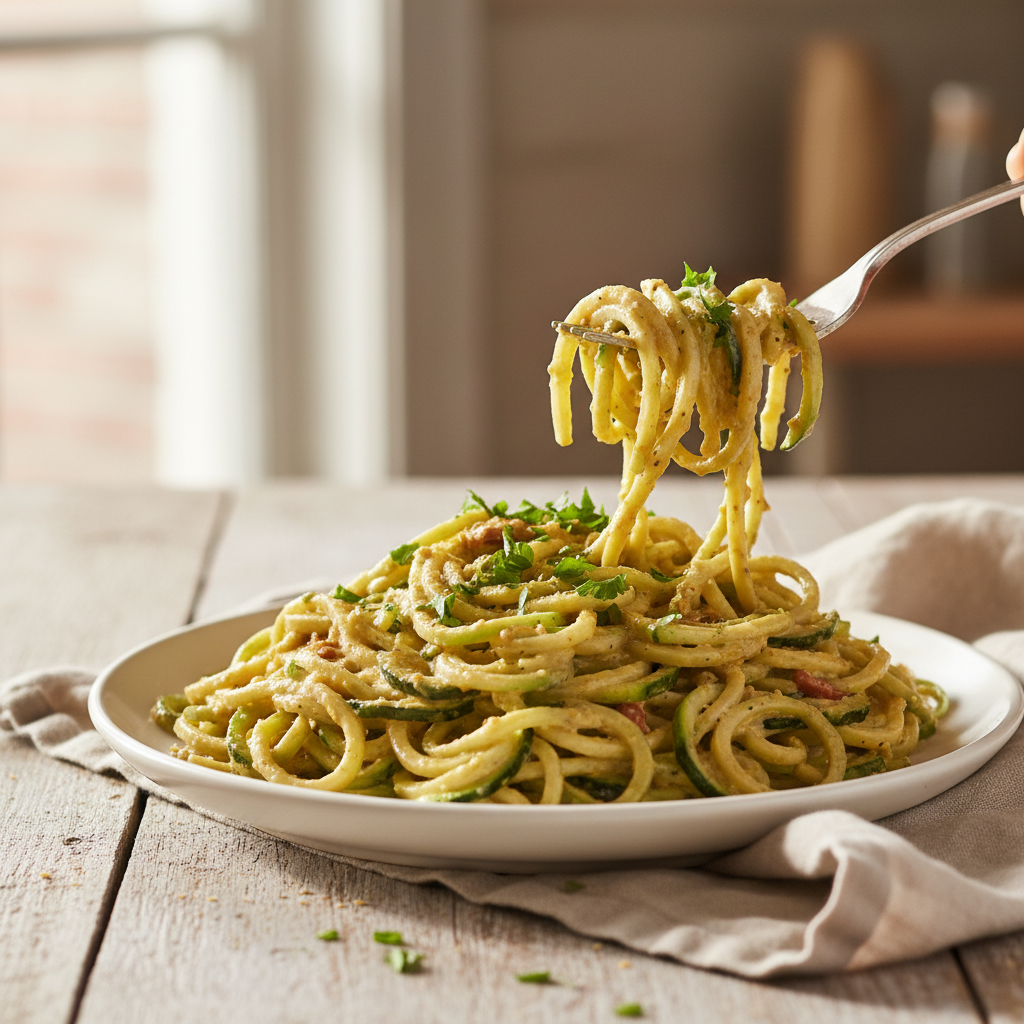
Creamy Cashew Alfredo with Zucchini Noodles
Rich and creamy, without a drop of dairy.
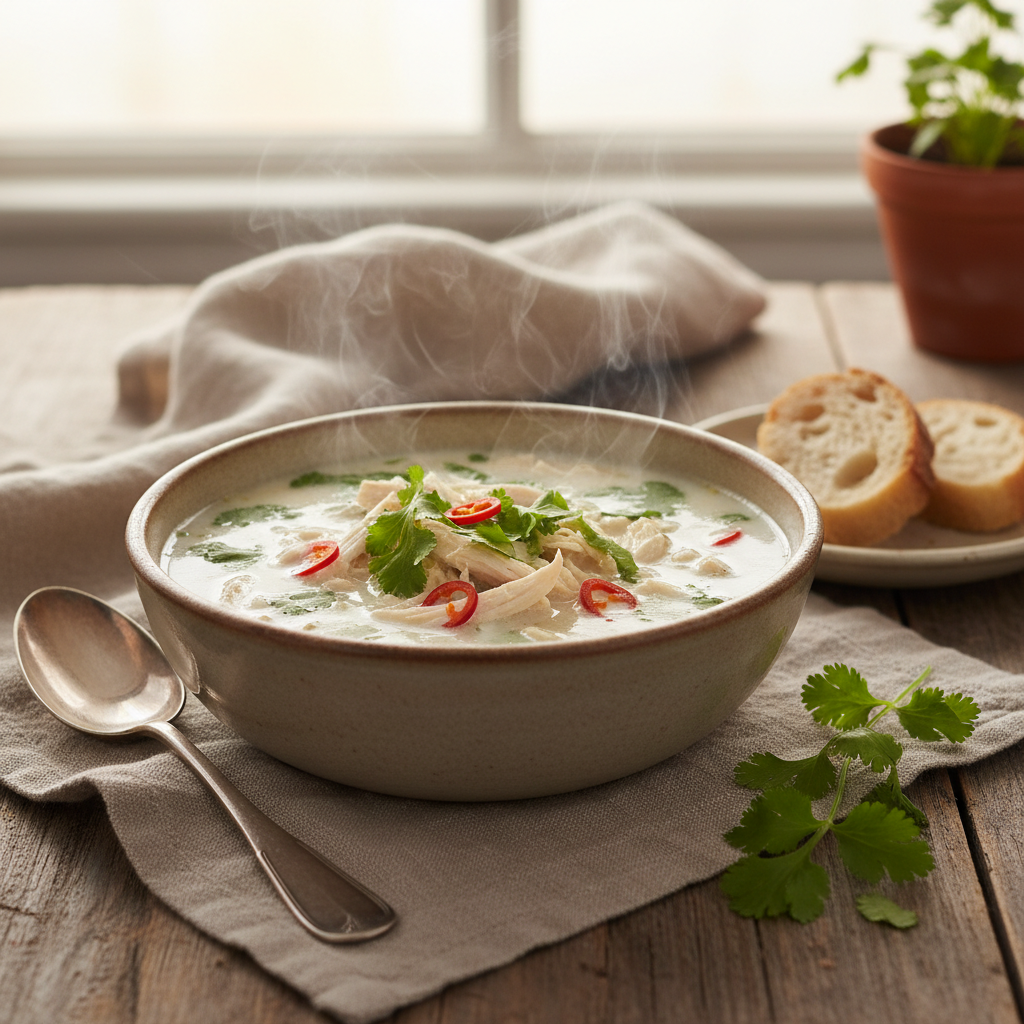
Creamy Coconut Chicken Soup
Cozy, warming, and completely dairy-free.
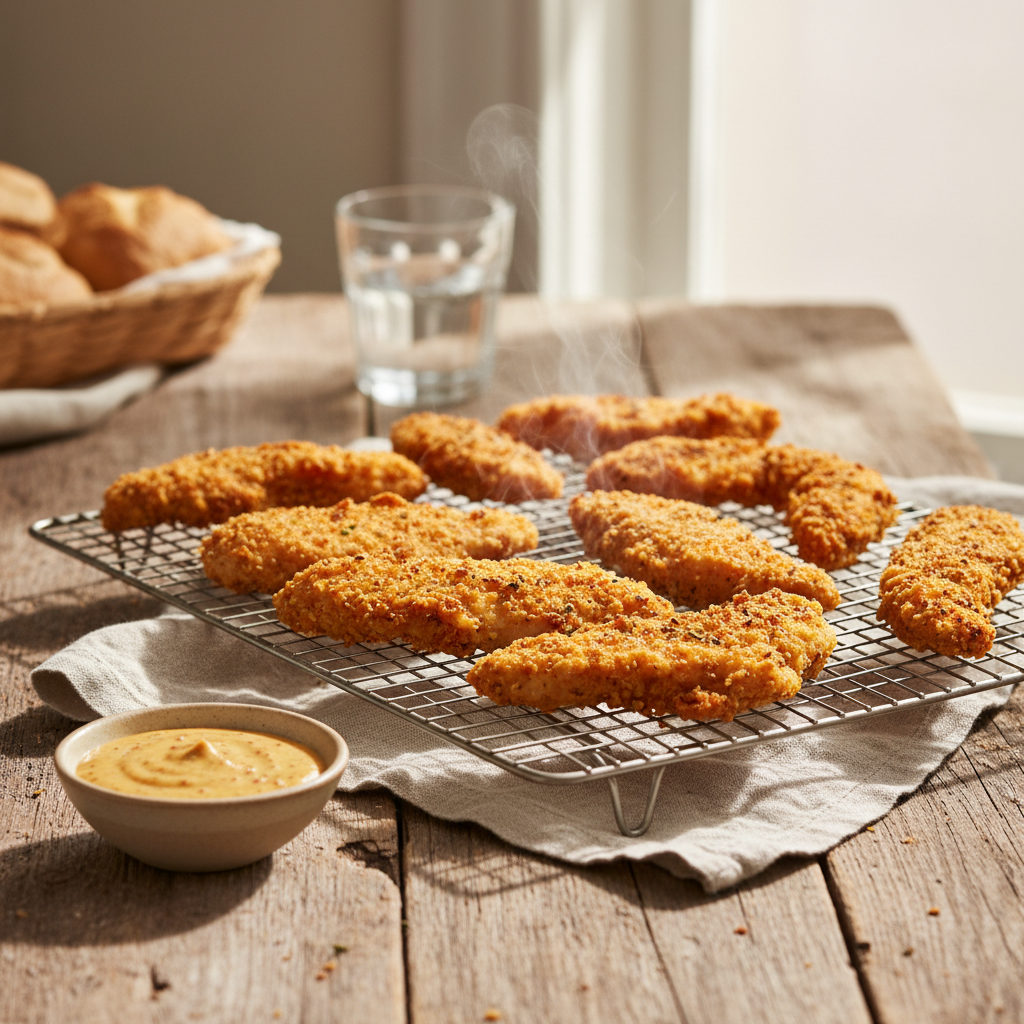
Crispy Baked Chicken Tenders
All the crunch, none of the gluten.
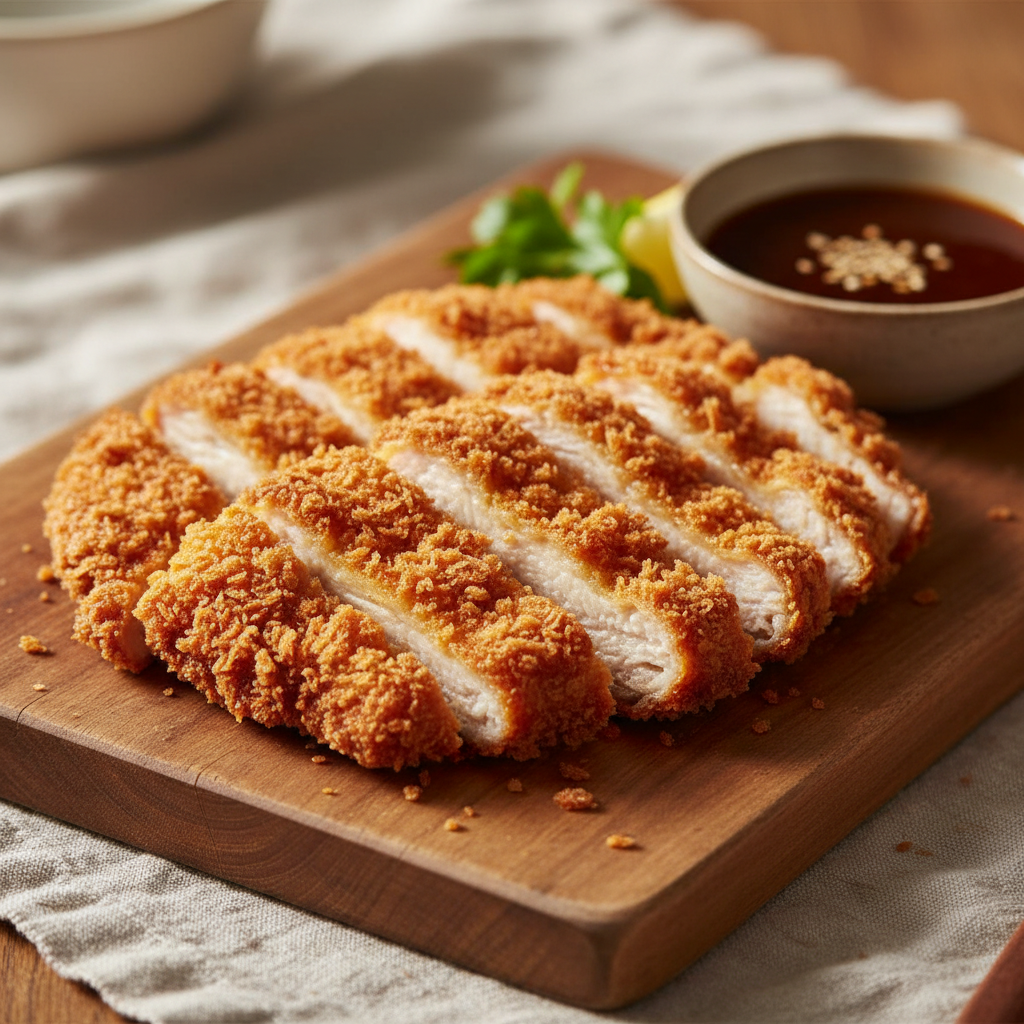
Crispy Chicken Katsu with Tonkatsu-Style Sauce
Double-dredging the chicken — flour, then egg, then a second coat of the almond flour crumb — builds a shell thick enough to actually stay crisp after frying.
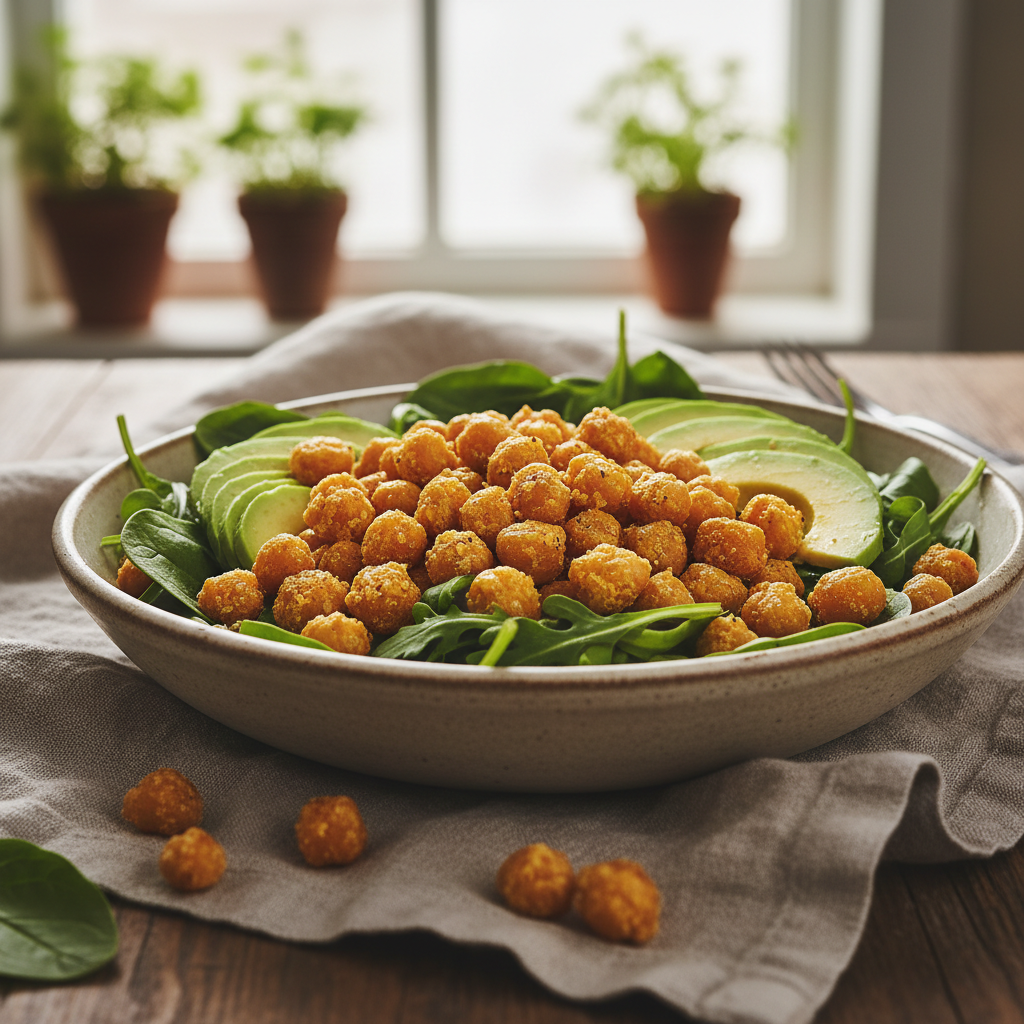
Crispy Chickpea & Avocado Bowl
Patting the chickpeas completely dry before roasting is the difference between shatteringly crisp and just soft and steamed.
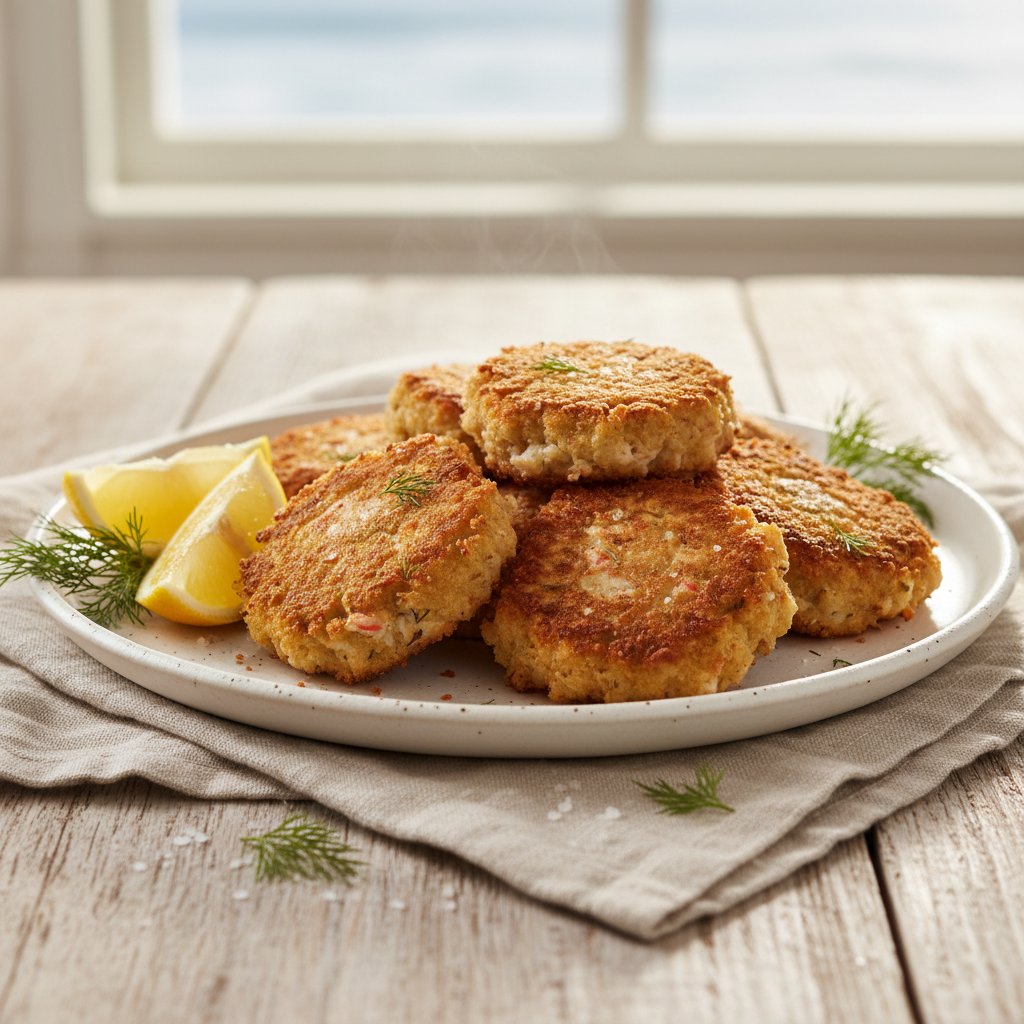
Crispy Crab Cakes (Gluten-Free)
Chilling the formed patties for at least 30 minutes before frying is what holds them together in the pan instead of falling apart into loose crab and crumbs.
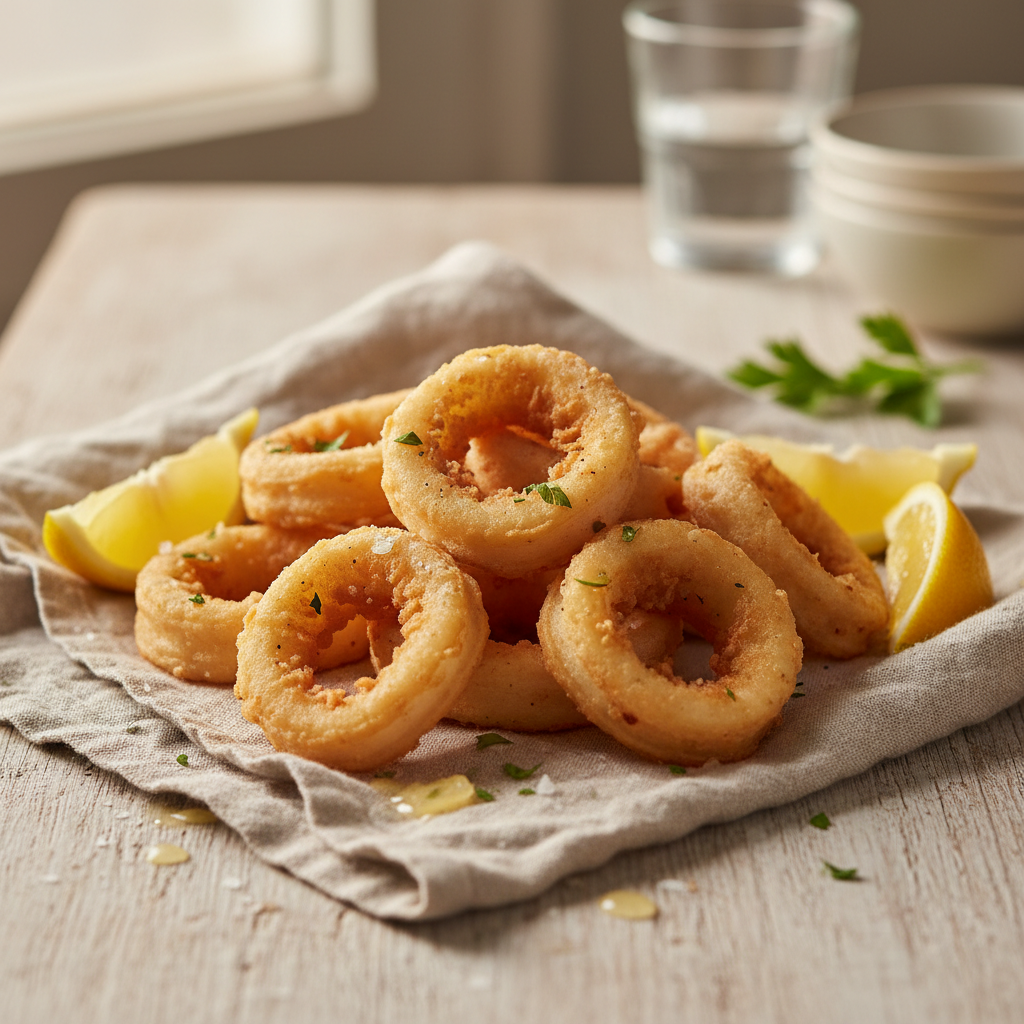
Crispy Fried Calamari (Gluten-Free)
Frying the calamari for no more than 90 seconds is the difference between tender rings and rubbery bands — every extra minute in the oil makes it tougher, not more done.
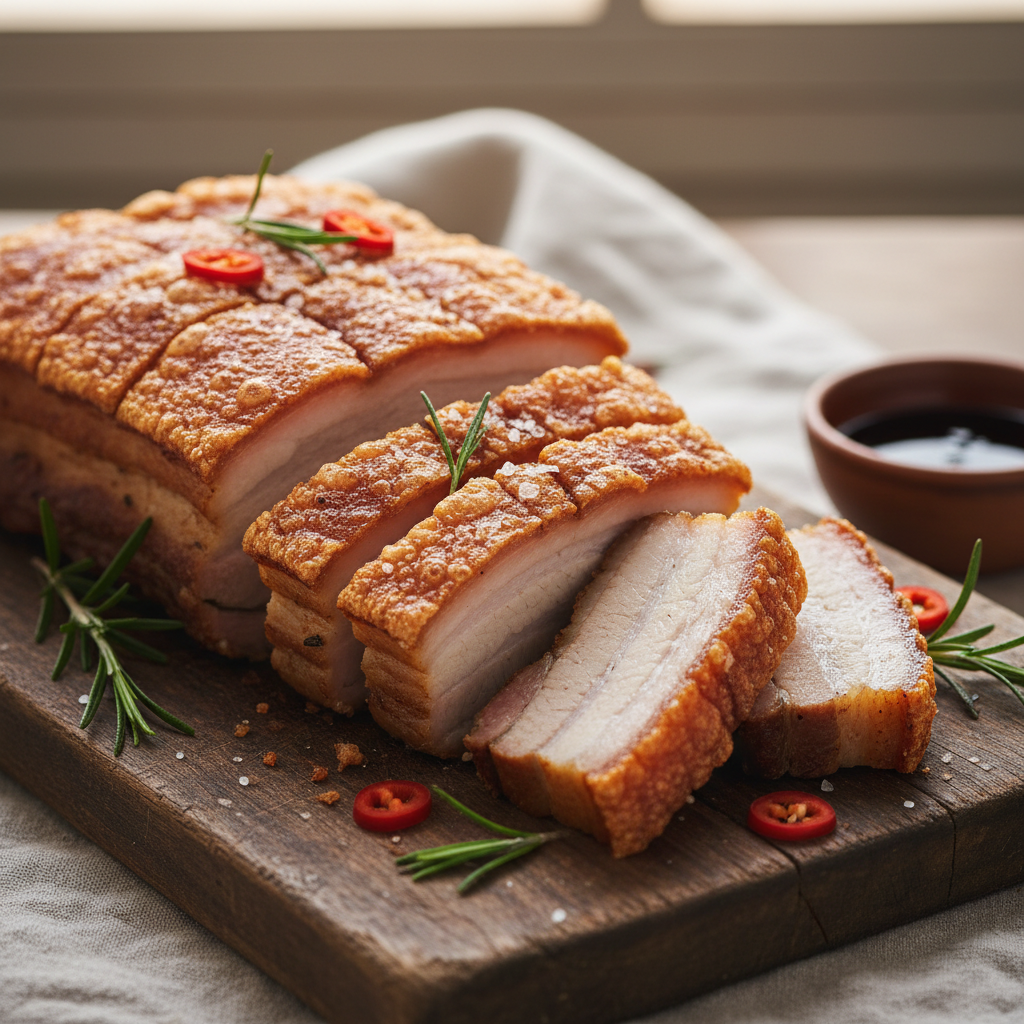
Crispy Pork Belly with Cracklings
Scoring the skin in a tight crosshatch pattern, without cutting into the fat below, is what lets the skin blister and crackle instead of staying rubbery.
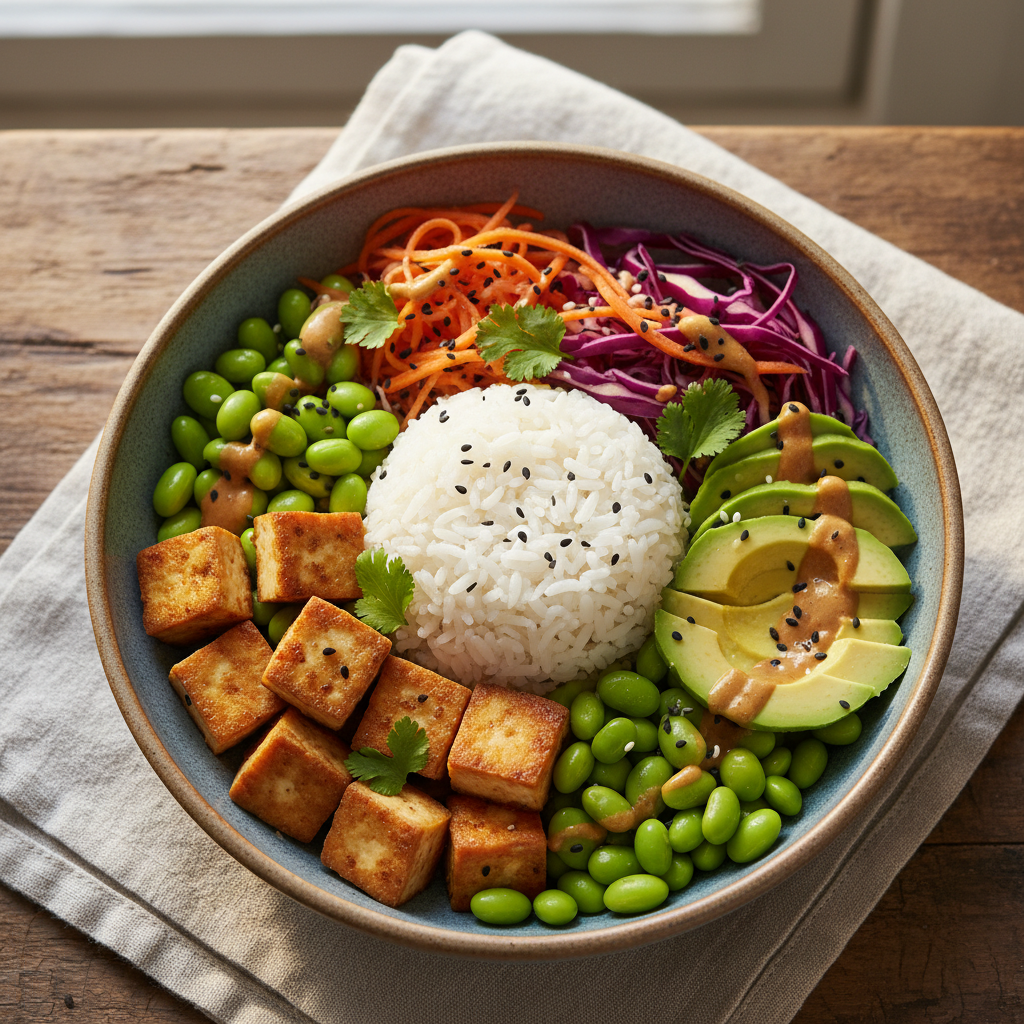
Crispy Tofu Buddha Bowl with Ginger Dressing
Pressing the tofu for at least 15 minutes squeezes out the water that would otherwise steam it in the pan instead of letting it crisp.
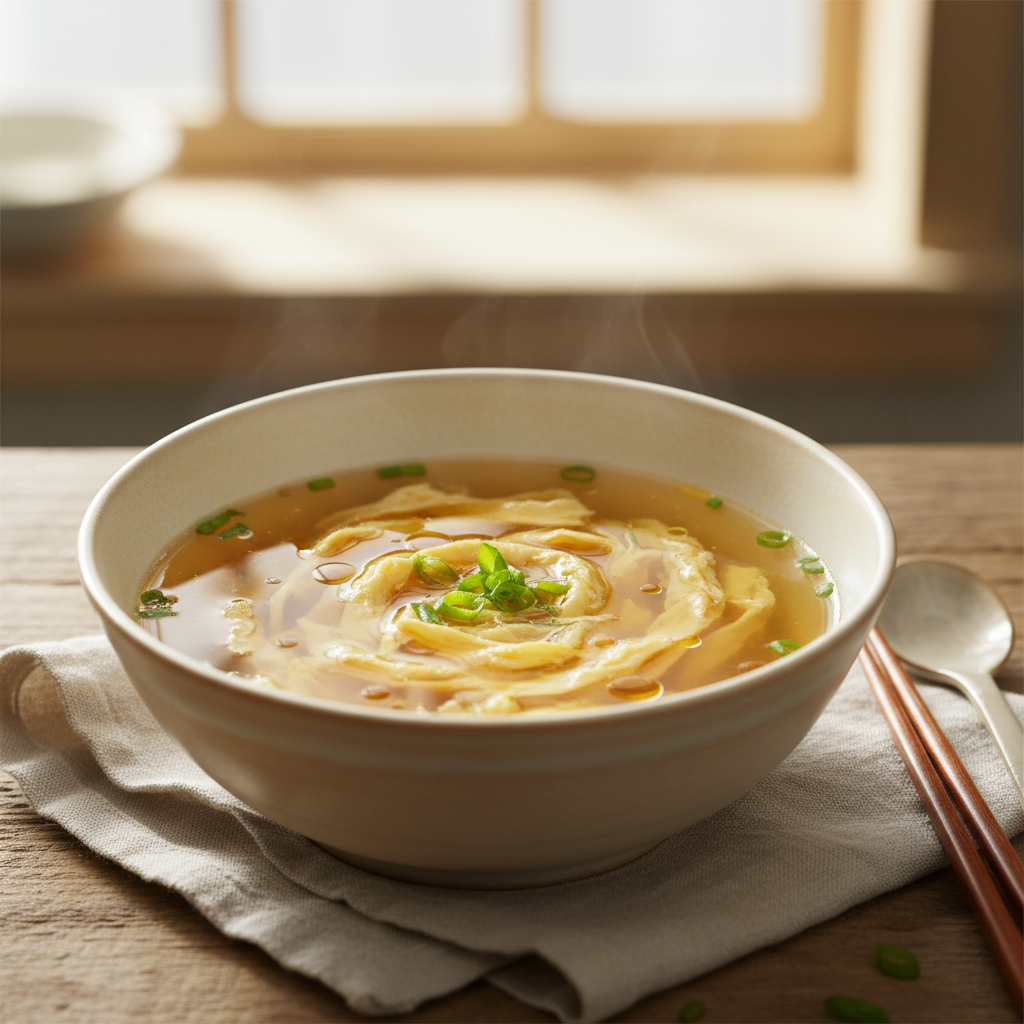
Egg Drop Soup
Drizzling the beaten egg into the broth while stirring in a slow, steady circle is what creates silky ribbons instead of clumps.
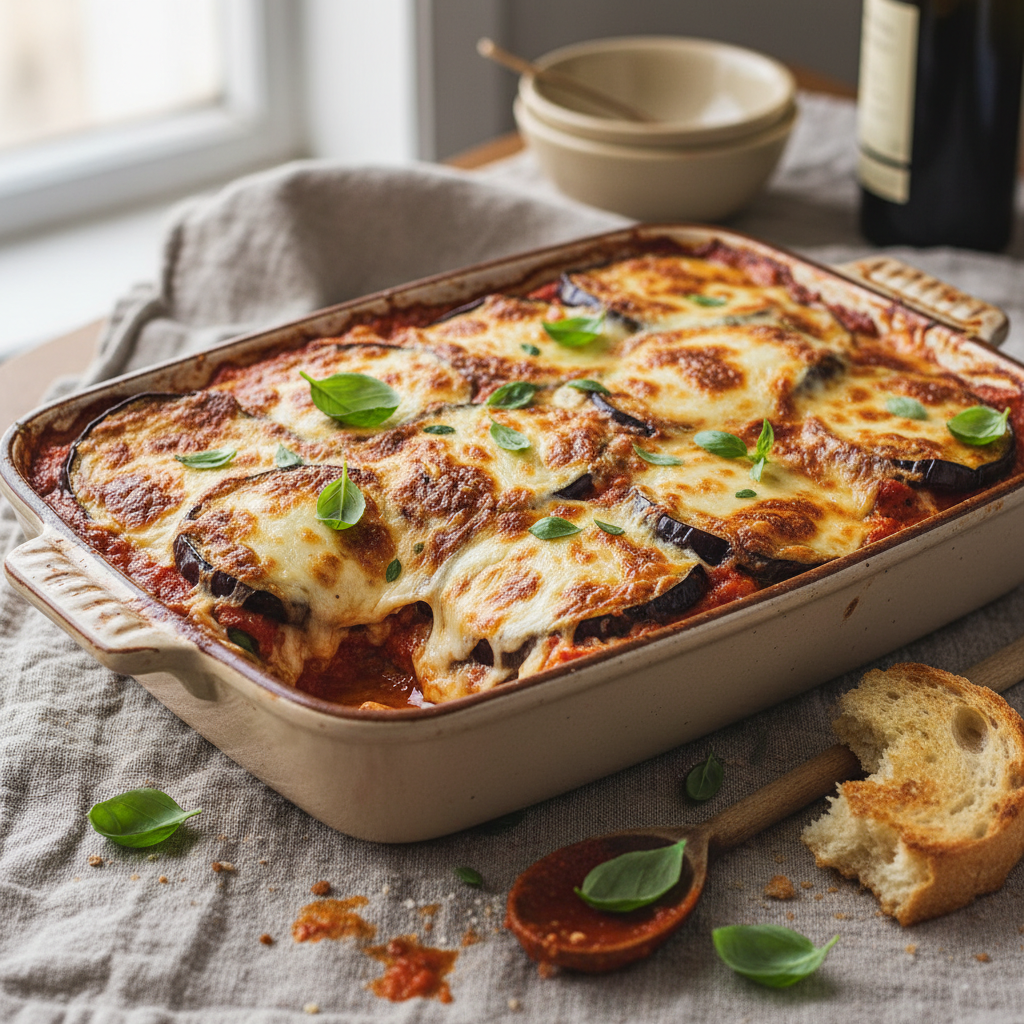
Eggplant Parmesan (Dairy-Free)
Salting the eggplant slices and letting them sweat for 30 minutes draws out both the bitterness and the excess water that would otherwise make the dish soggy.
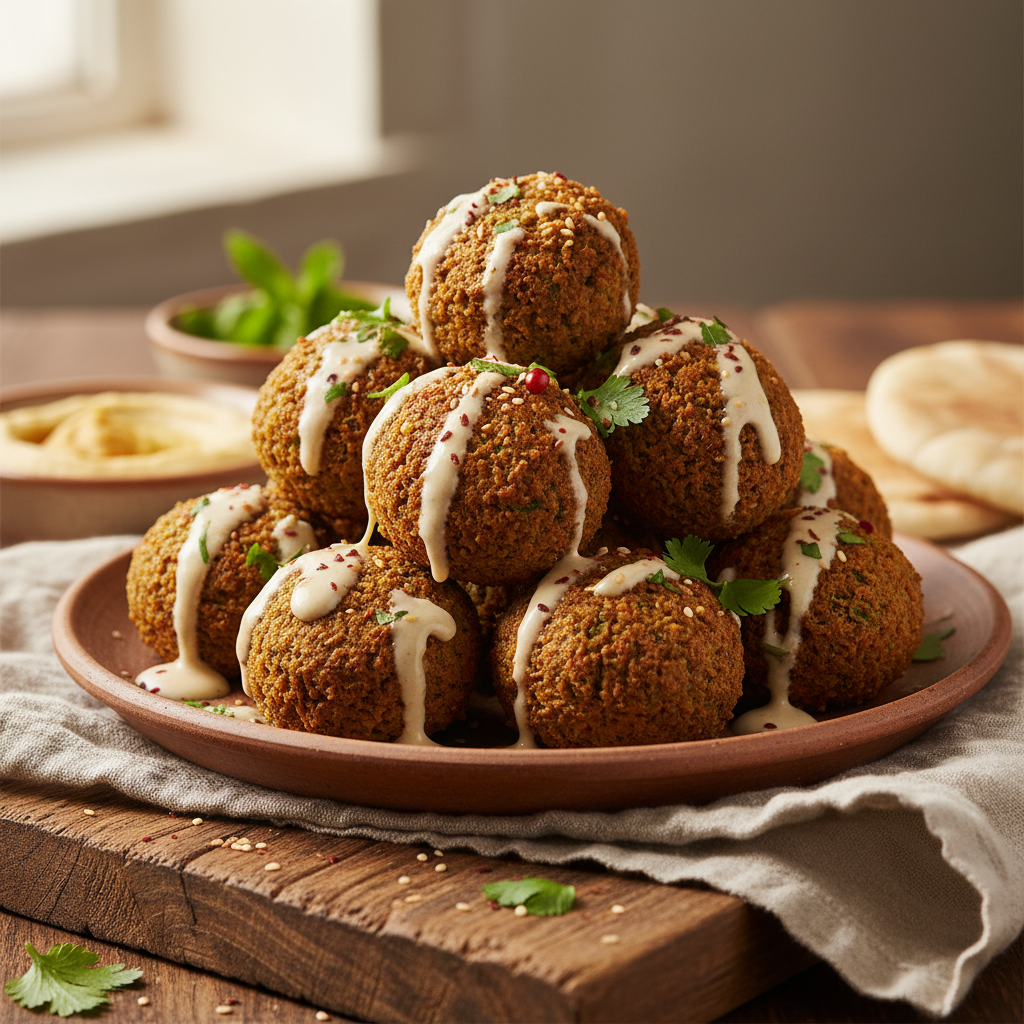
Falafel with Tahini Sauce
Using dried chickpeas soaked overnight, never canned or pre-cooked ones, is the real secret to falafel that holds together and stays fluffy instead of falling apart or turning gummy.
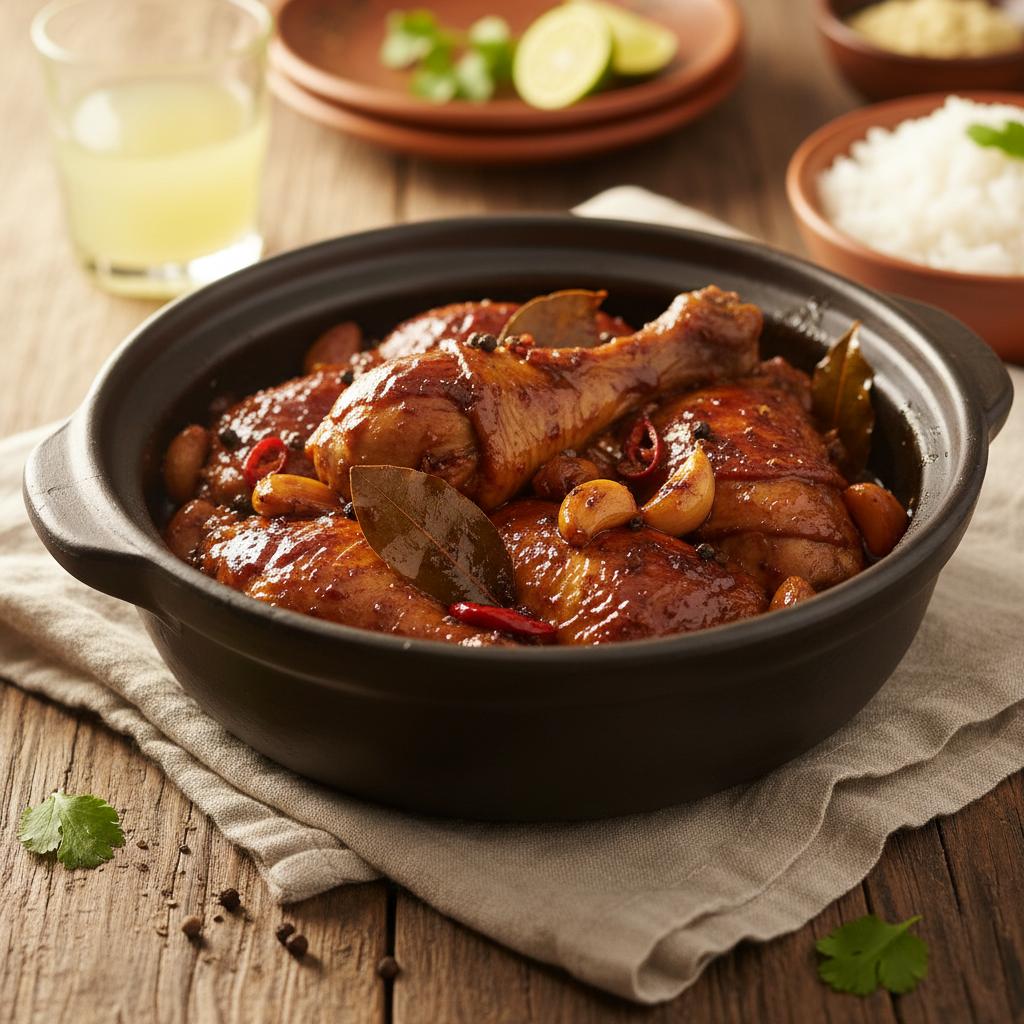
Filipino-Style Chicken Adobo
Simmering the chicken uncovered for the last 10 minutes lets the braising liquid reduce into a thick, clingy glaze instead of staying thin and soupy.
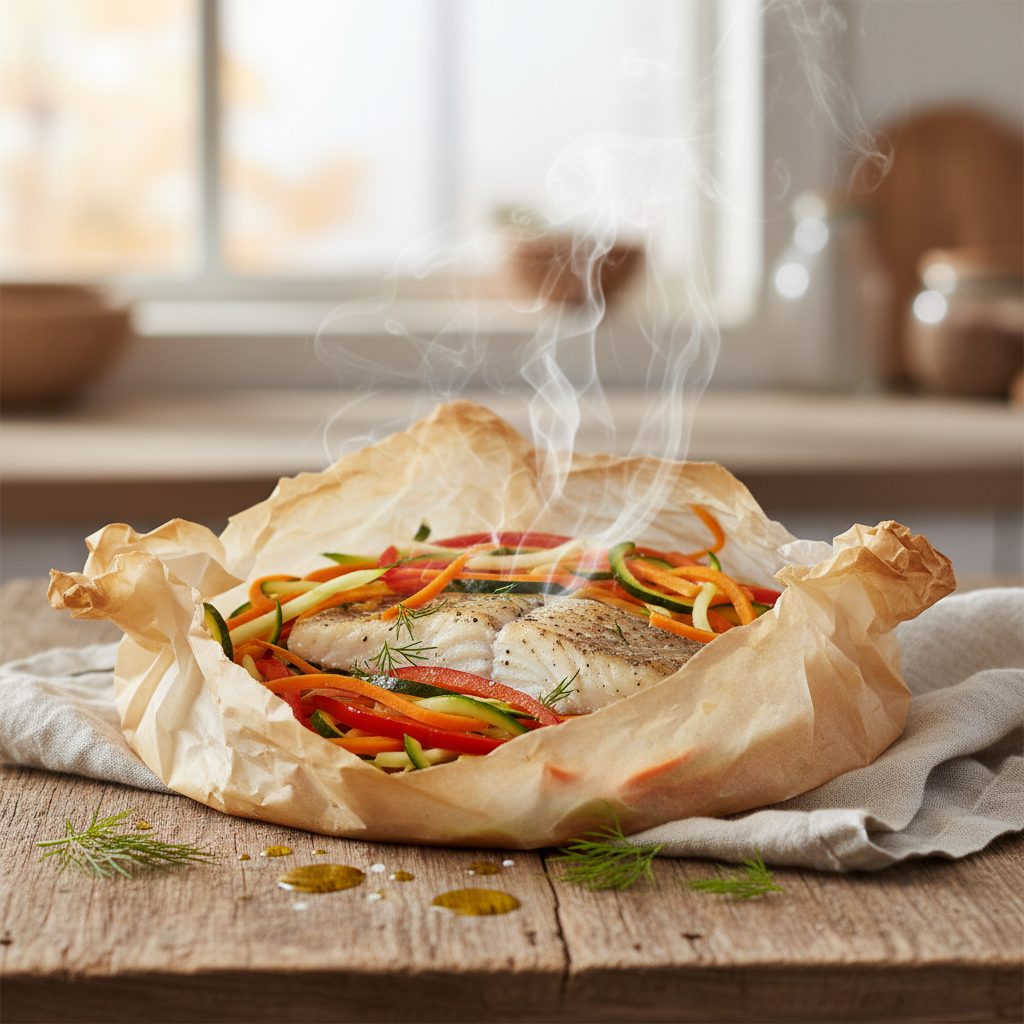
Fish en Papillote with Vegetables
Sealing the fish and vegetables inside a folded parchment packet traps steam so everything cooks in its own juices, staying moist without any added fat.
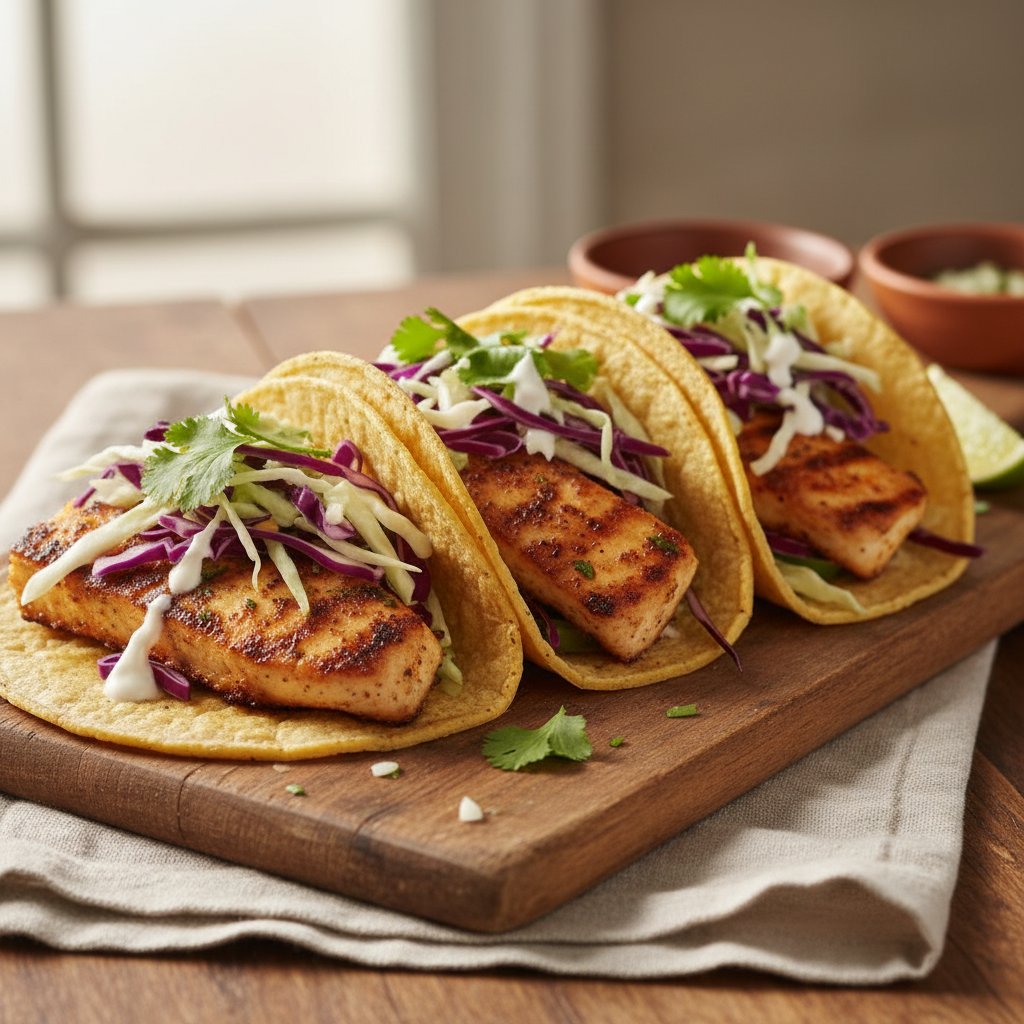
Fish Tacos with Blackened Mahi Mahi
Letting the skillet get fully hot before the fish goes in is what actually chars the blackening spice into a real crust — a lukewarm pan just steams the seasoning off.
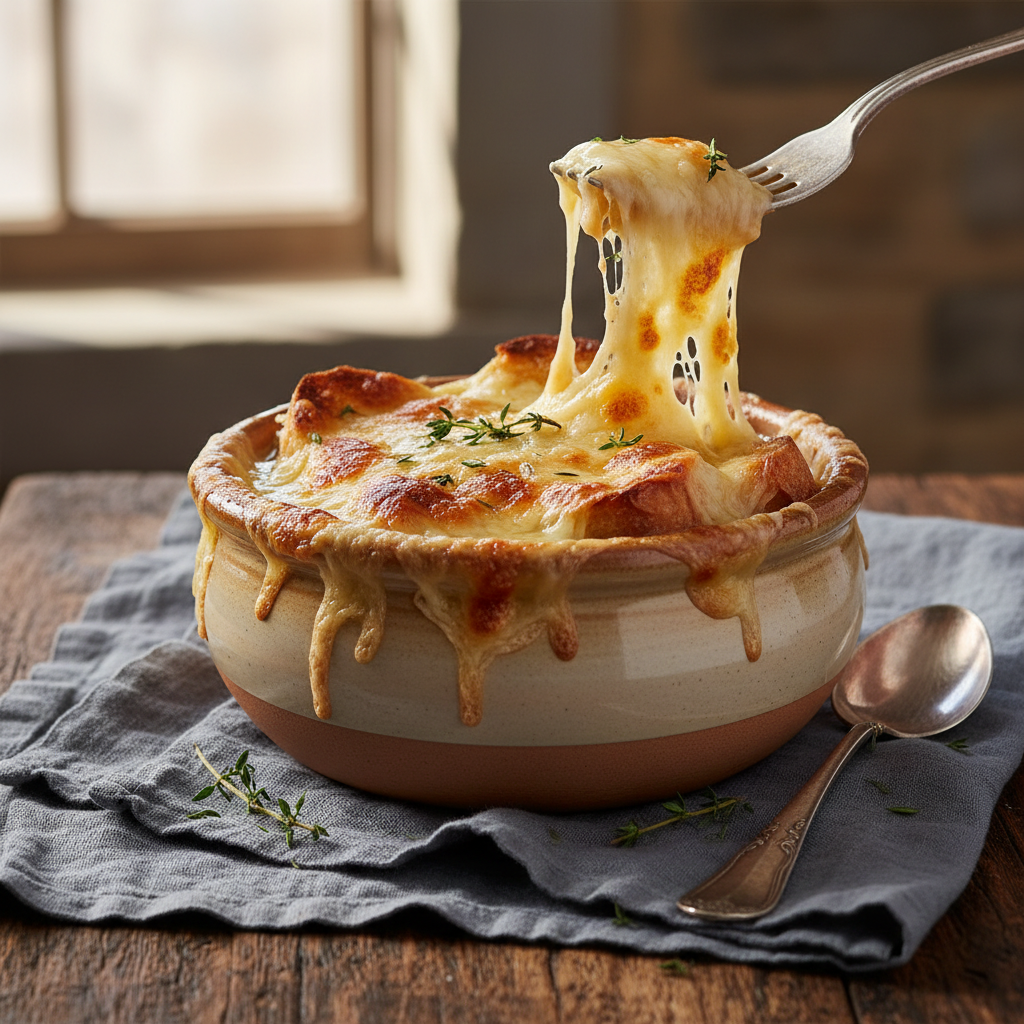
French Onion Soup (Dairy-Free, GF)
Caramelizing the onions low and slow for a full 45 minutes, not rushing it on high heat, is what builds the soup's signature deep sweetness.
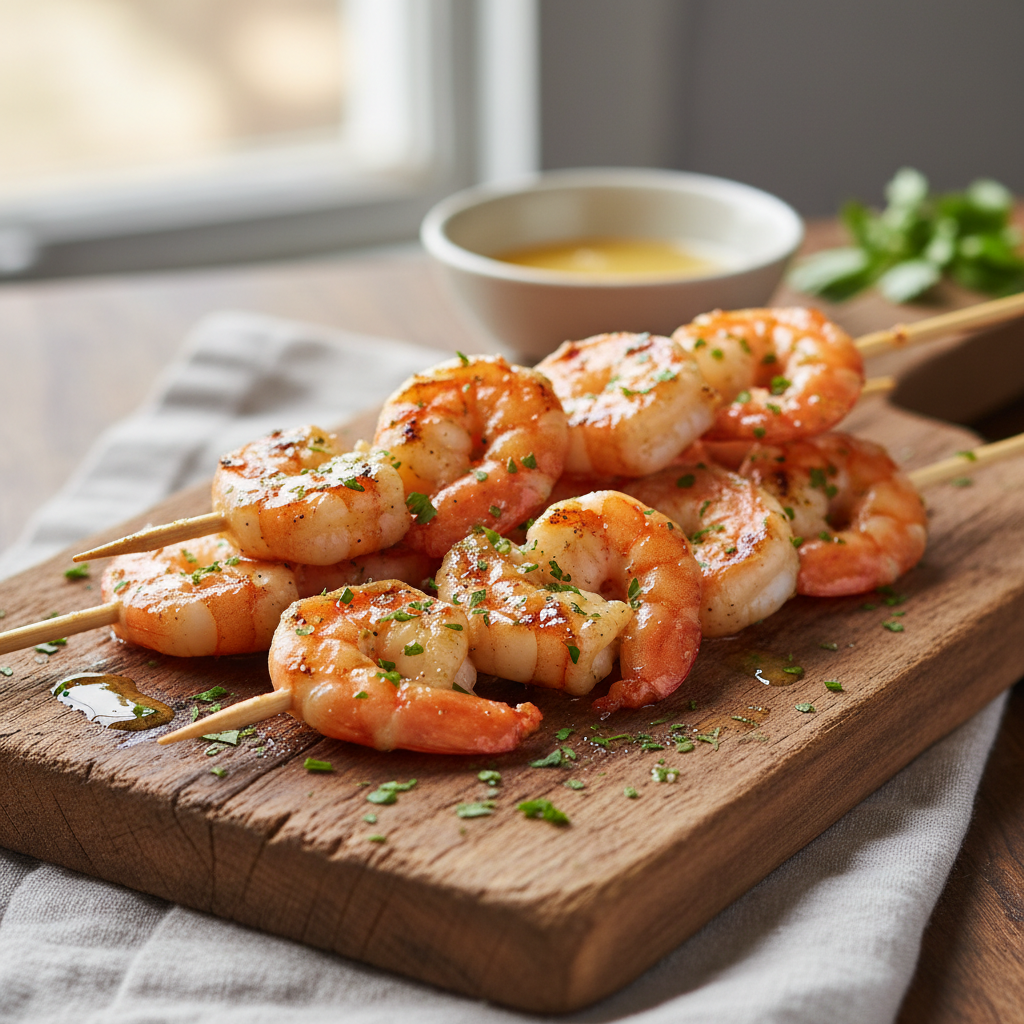
Garlic Butter Shrimp Skewers
Threading the shrimp through both the head and tail end, not just once through the middle, keeps them from spinning on the skewer when you flip it.
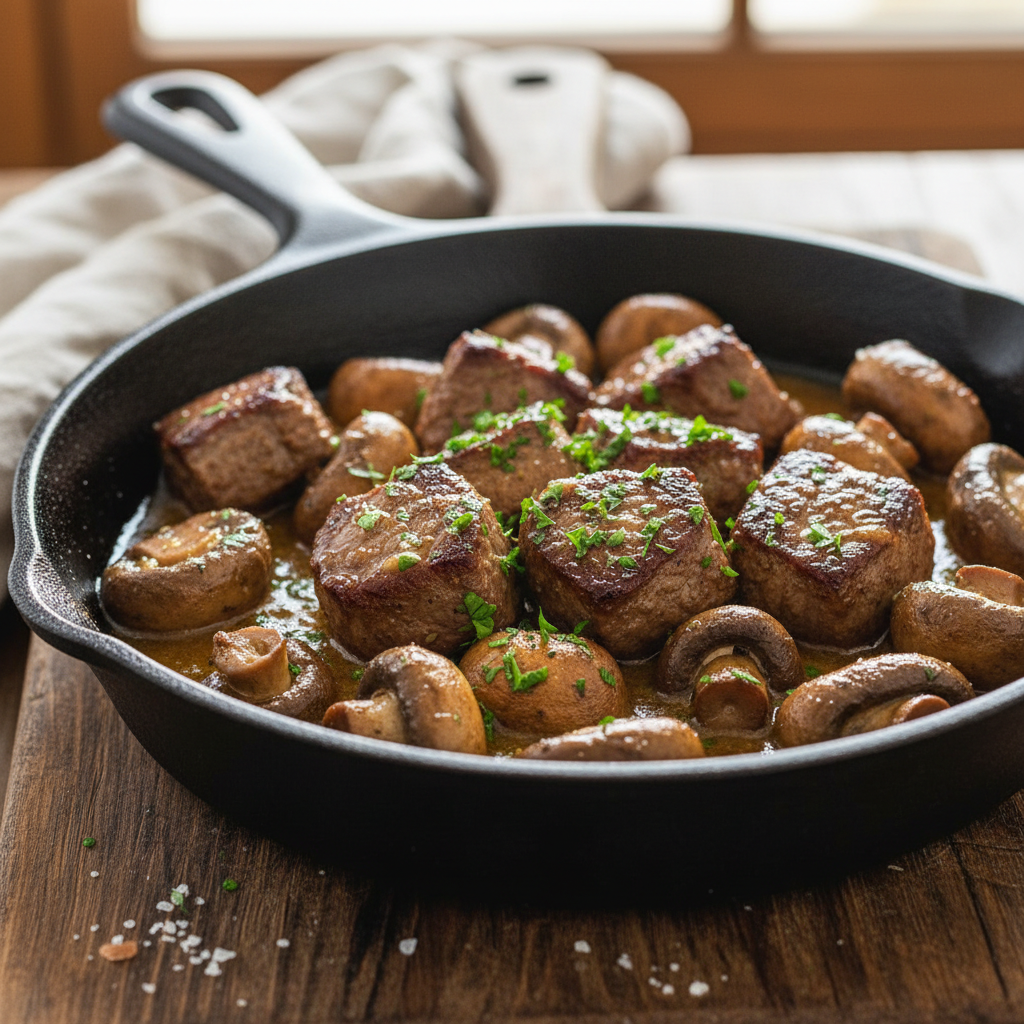
Garlic Butter Steak Bites with Mushrooms
Restaurant-quality, ready in 20 minutes.
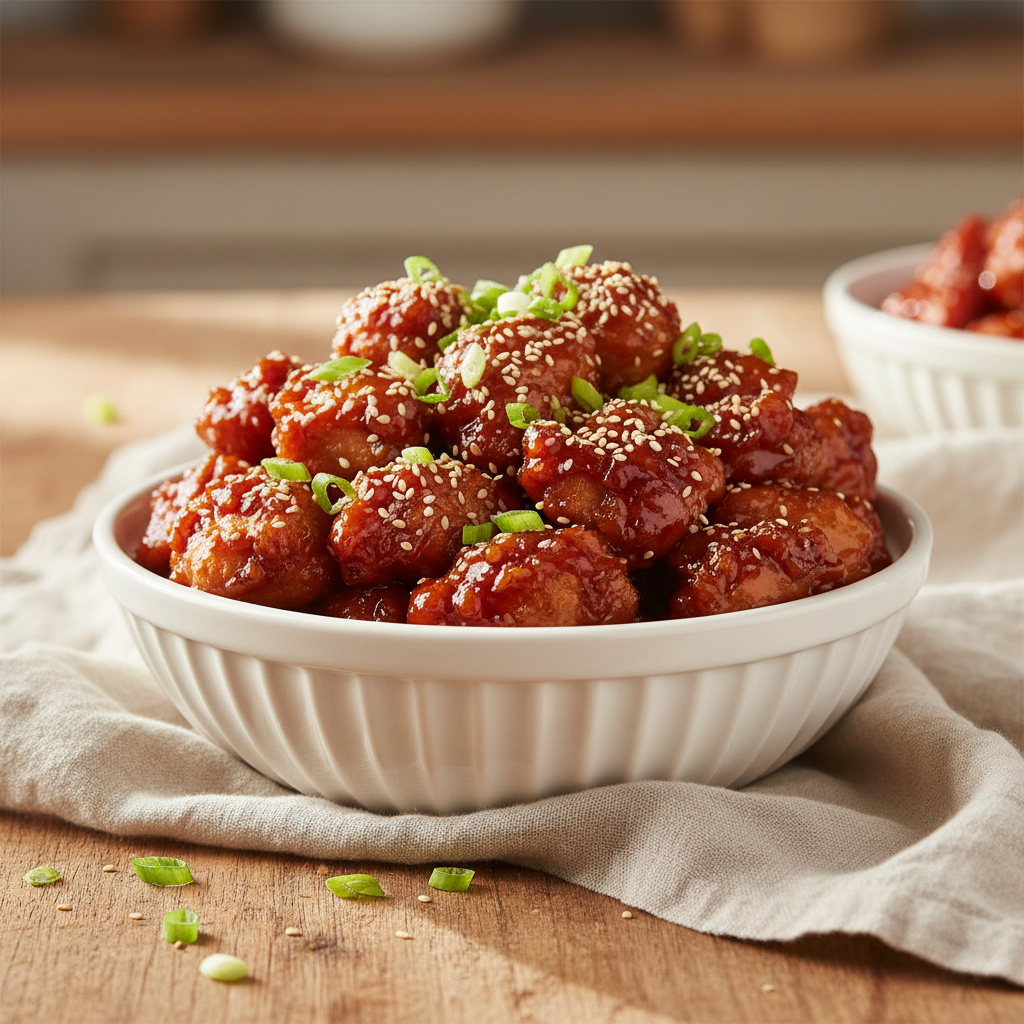
General Tso's Chicken (Gluten-Free, Sugar-Free)
Double-frying the chicken pieces — once to cook through, once to crisp — is the classic technique that keeps takeout-style fried chicken crunchy even after it's coated in sauce.
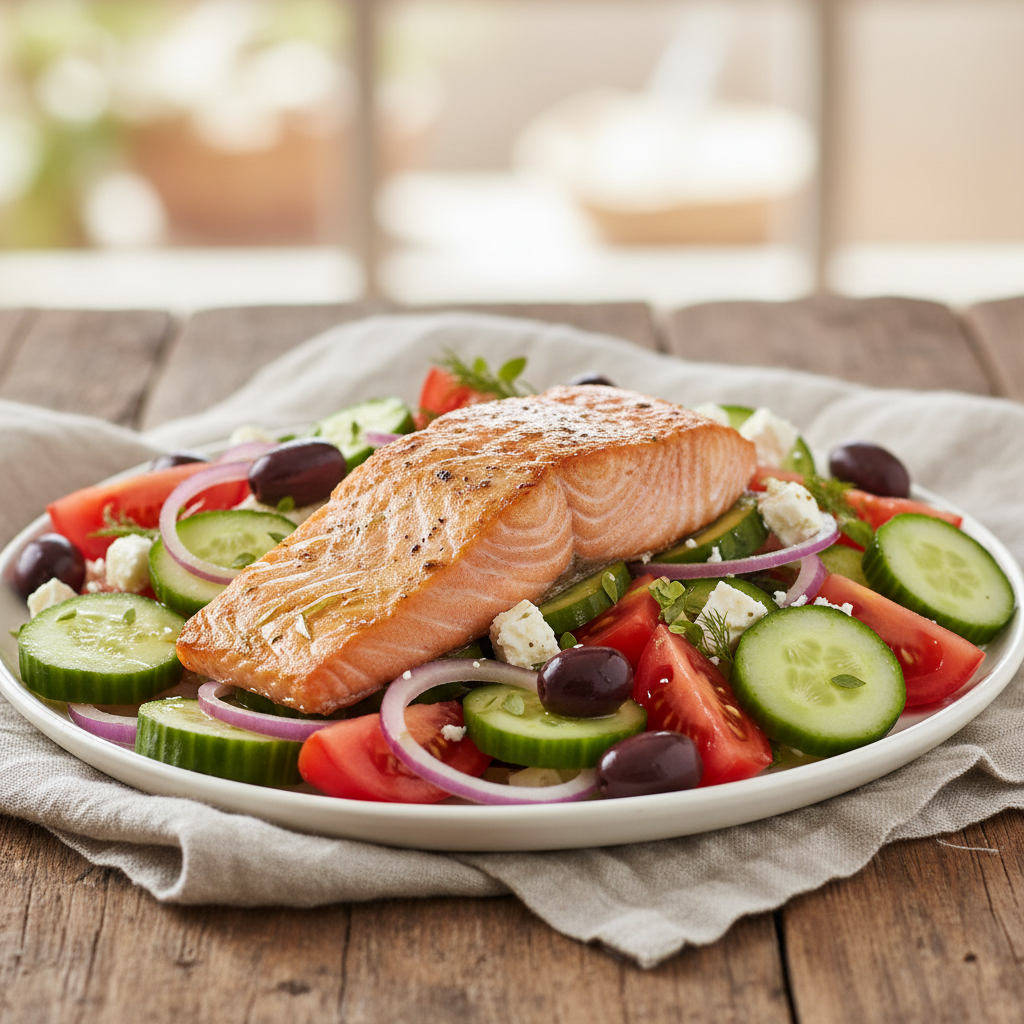
Greek-Style Salmon Salad
Mediterranean flavors, ready in 20 minutes.
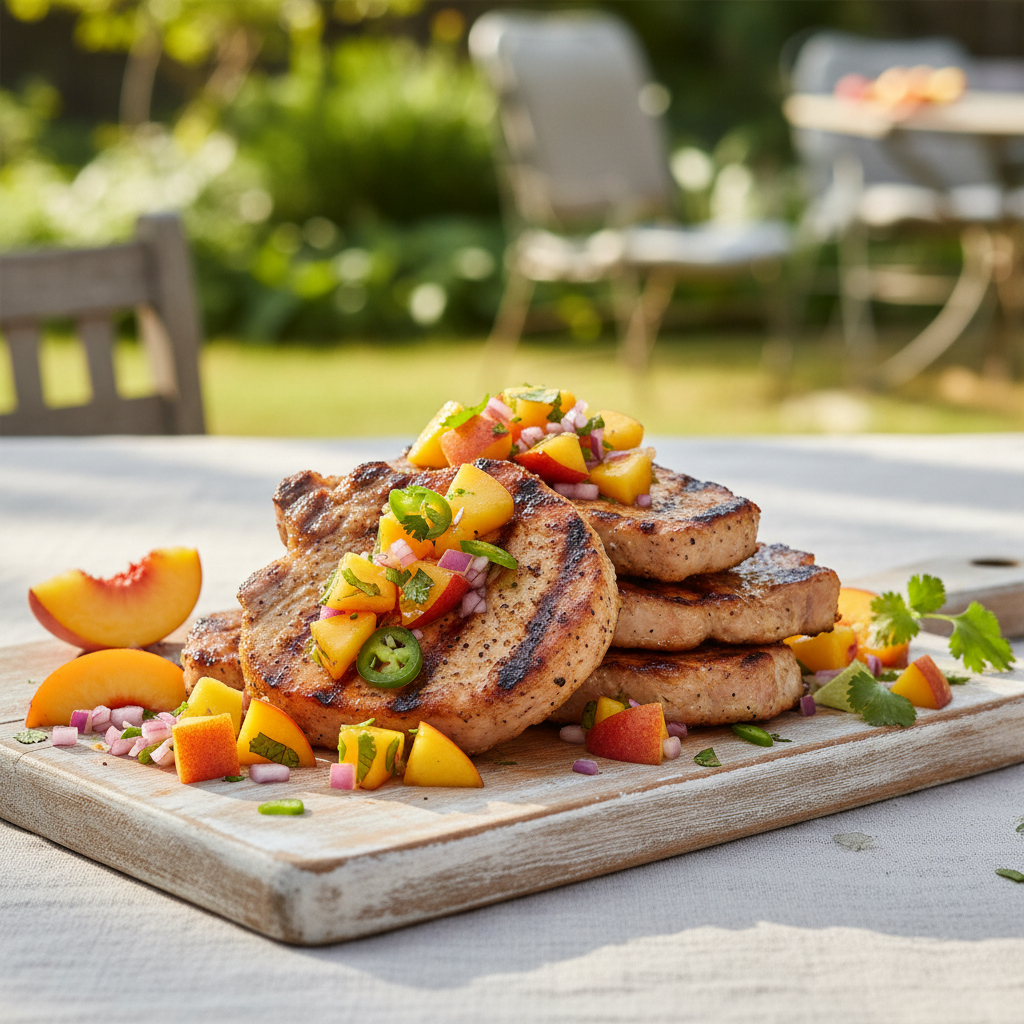
Grilled Pork Chops with Peach Salsa
Brining the pork chops in a simple saltwater solution for 30 minutes is what keeps this naturally lean cut juicy on the grill instead of drying out.
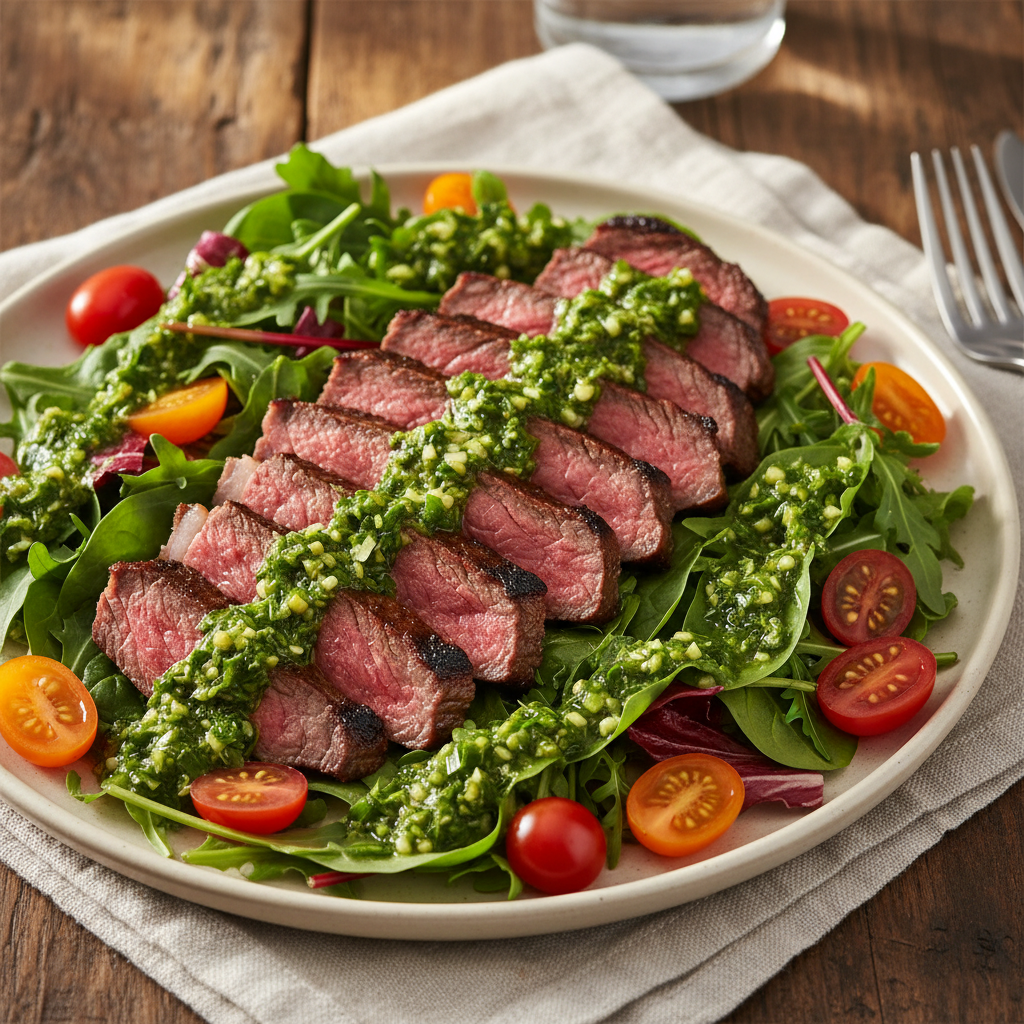
Grilled Steak & Chimichurri Salad
Resting the steak for a full 10 minutes before slicing lets the juices redistribute — slice too early and they all spill out onto the cutting board instead of staying in the meat.
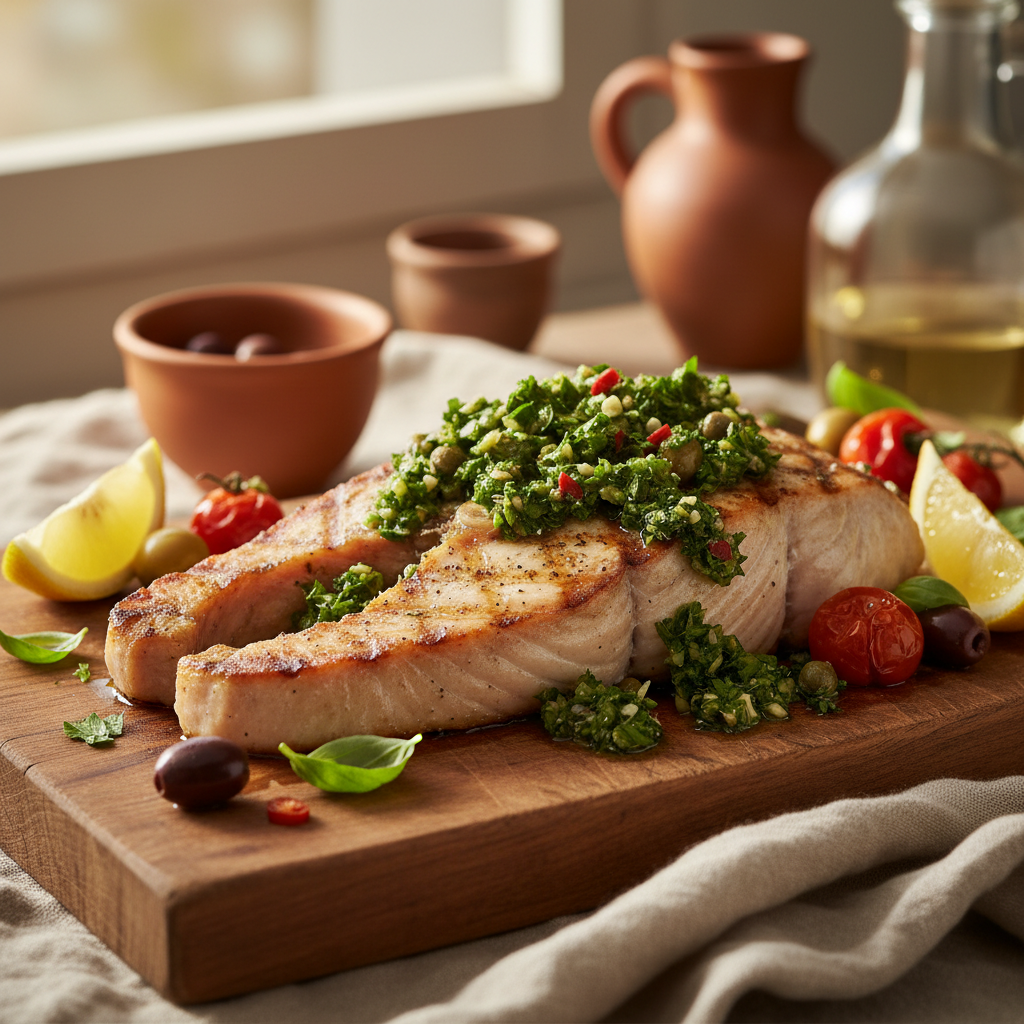
Grilled Swordfish with Salsa Verde
Marinating swordfish for no more than 30 minutes is enough — this dense, meaty fish doesn't need hours, and too long in an acidic marinade actually starts to break down its texture.
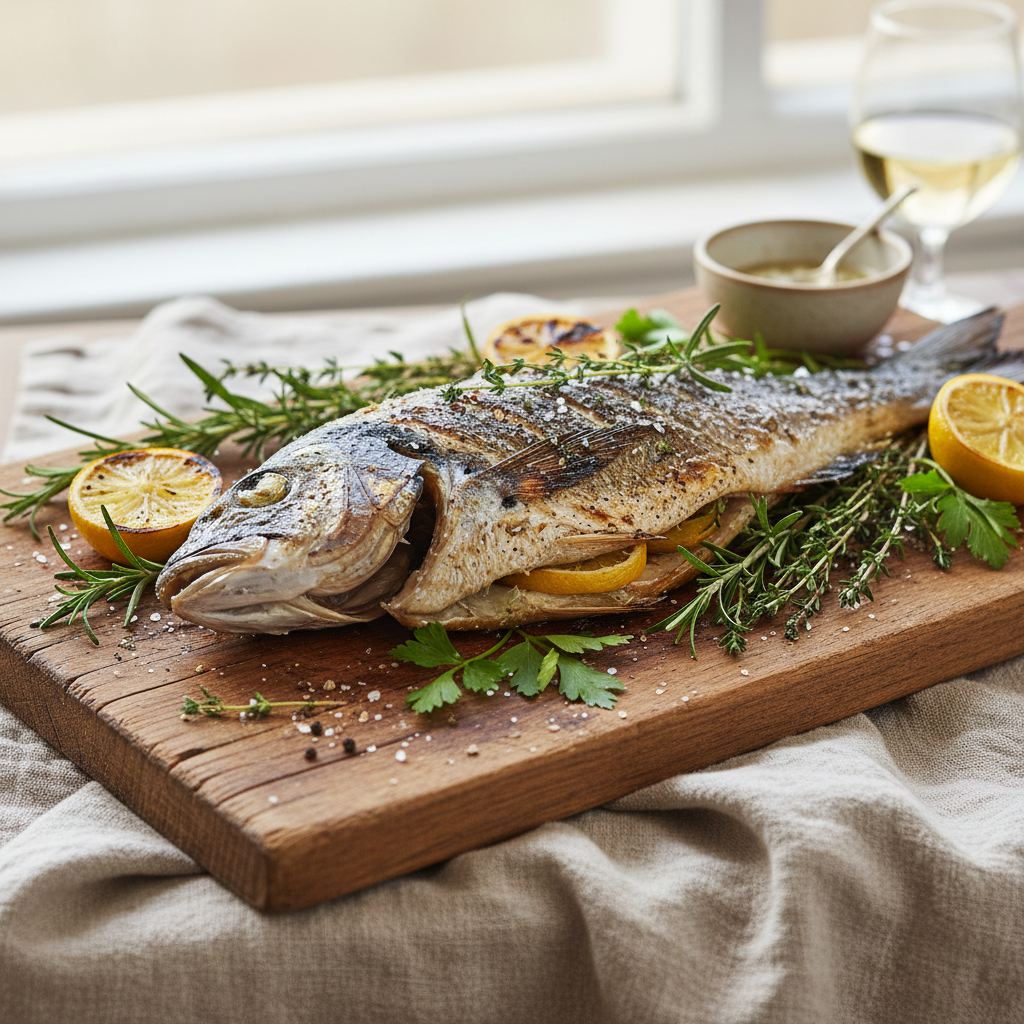
Grilled Whole Branzino
Scoring the fish's skin in a few diagonal cuts before grilling lets heat and seasoning reach the thickest part of the flesh faster and more evenly.
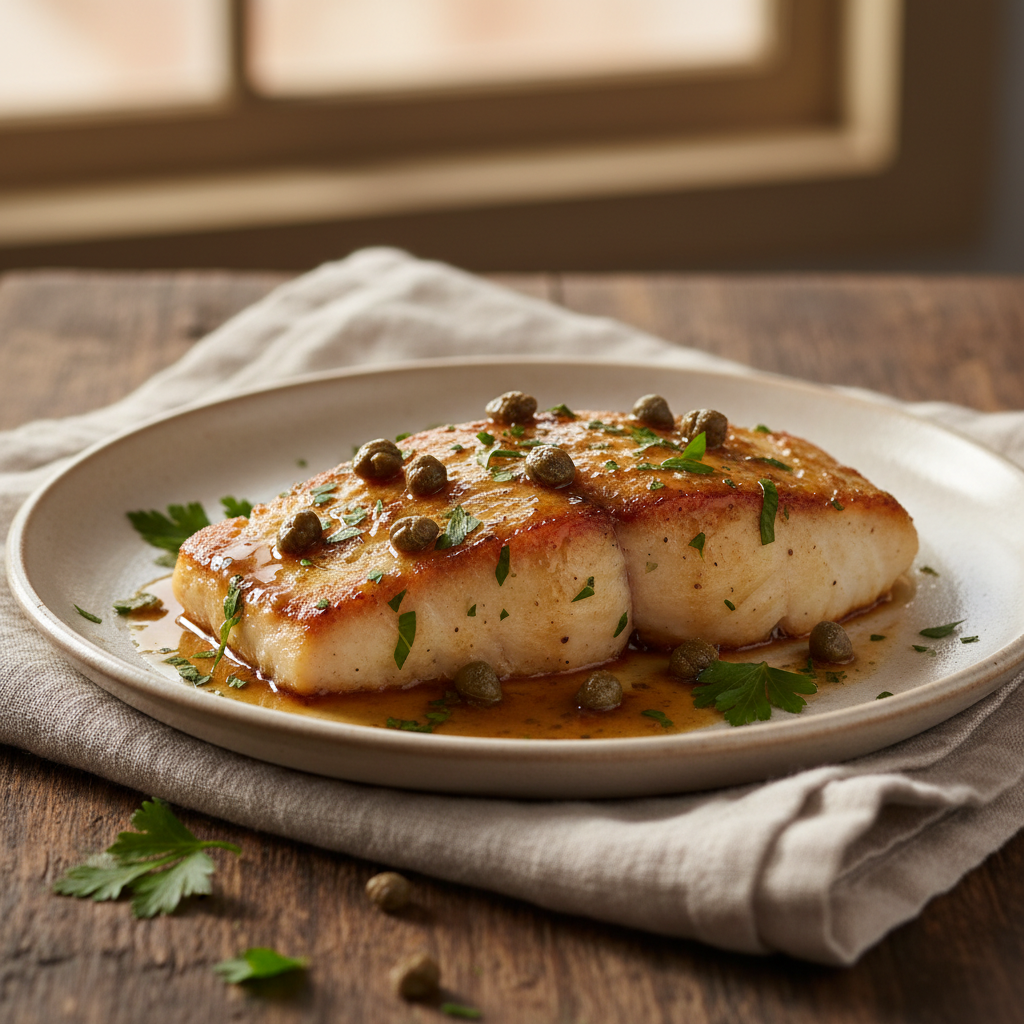
Halibut with Brown Butter Caper Sauce
Browning the dairy-free butter until it smells nutty and turns light amber, watching it closely, is what separates a real brown butter sauce from just melted butter.
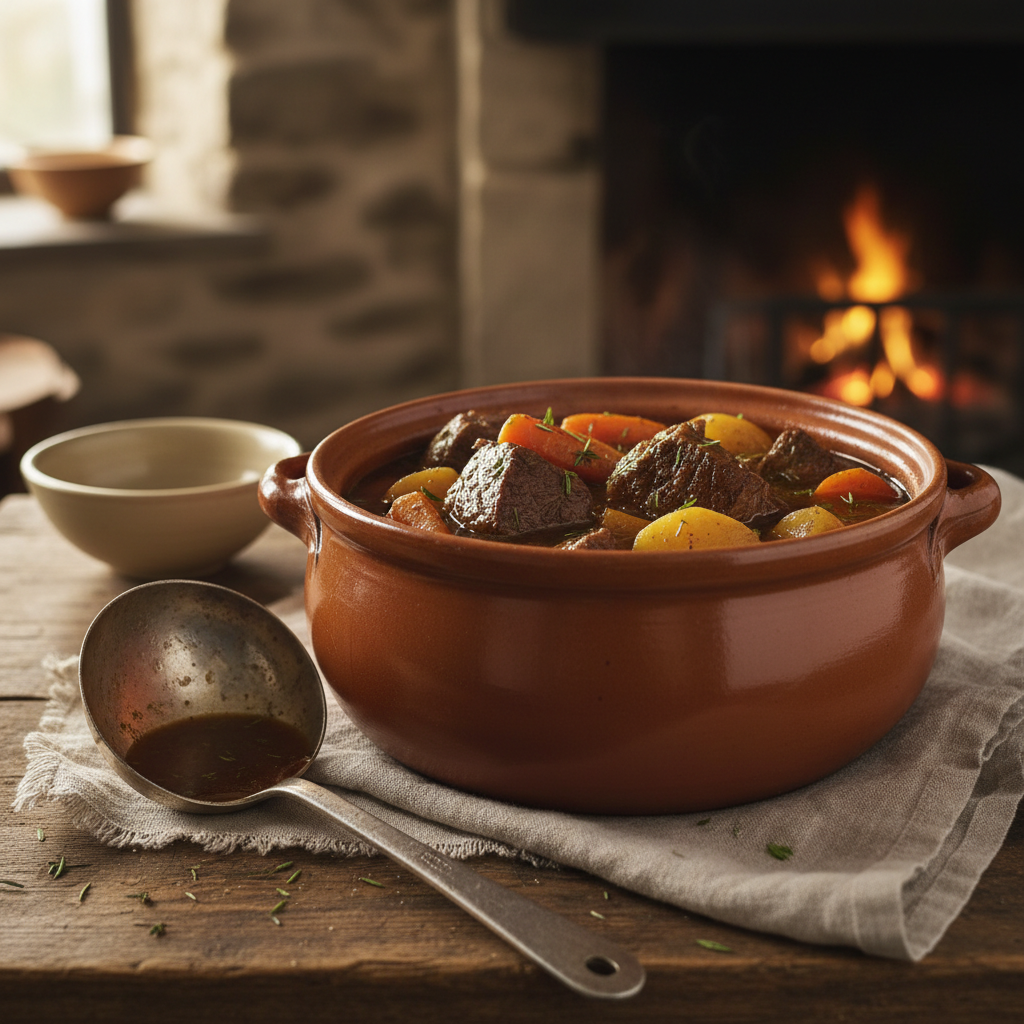
Hearty Beef & Vegetable Stew
Slow-simmered comfort in a bowl.
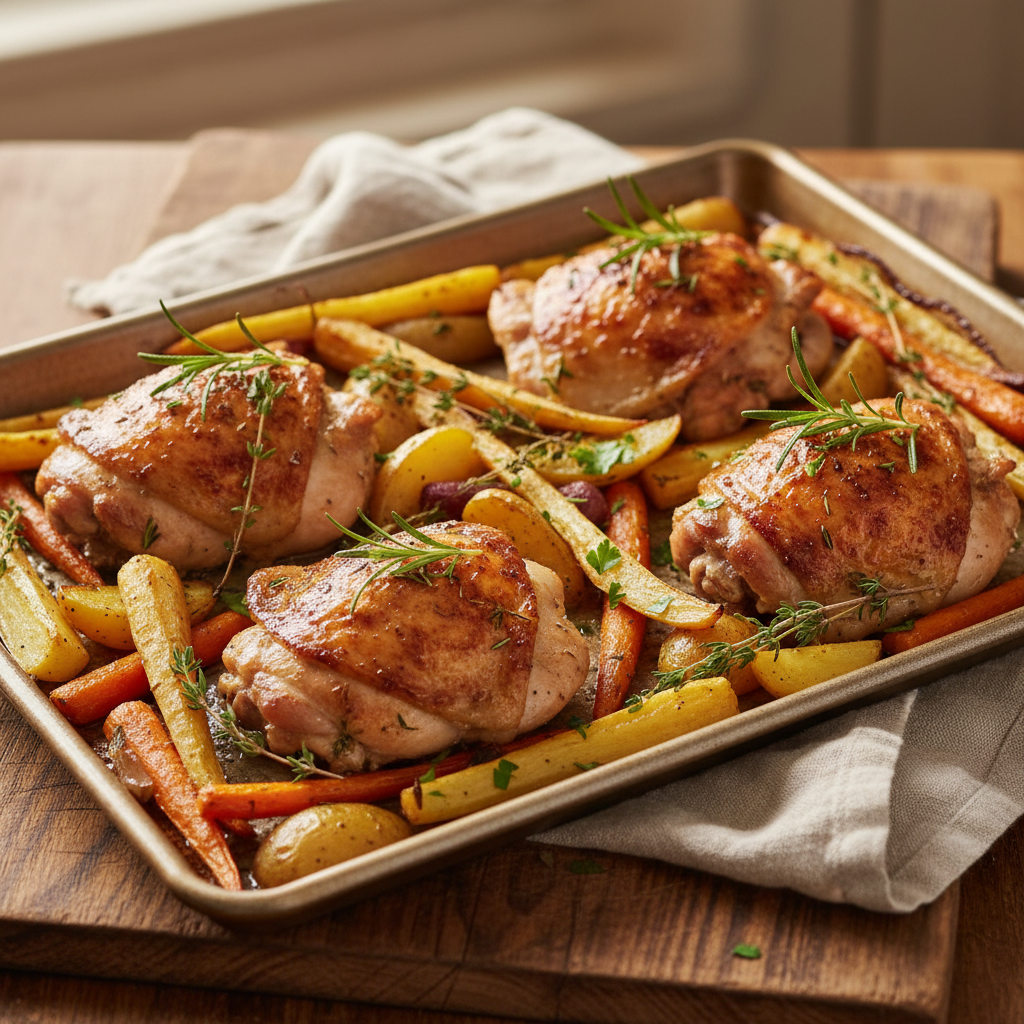
Herb-Roasted Chicken Thighs with Root Vegetables
A full dinner that roasts itself.
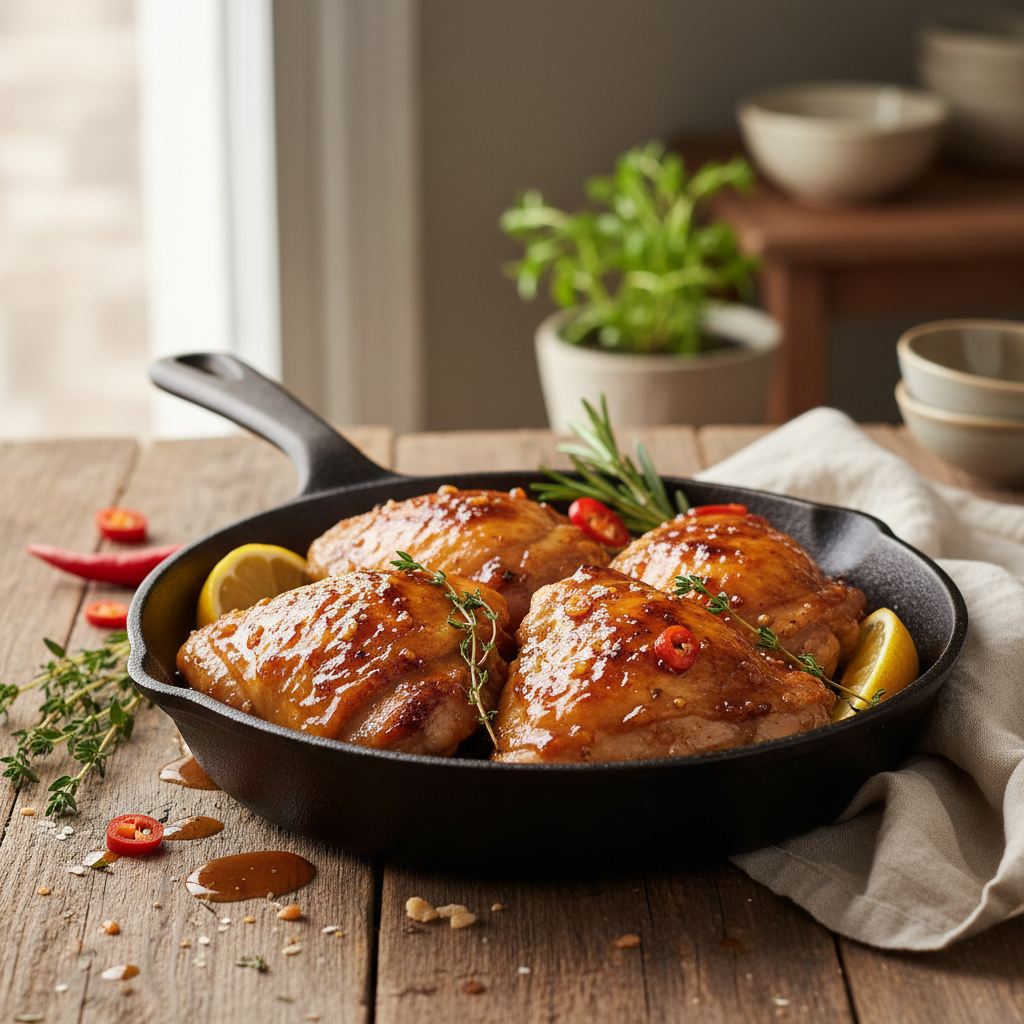
Honey Mustard Glazed Chicken Thighs
Sweet, tangy, and caramelized without sugar.
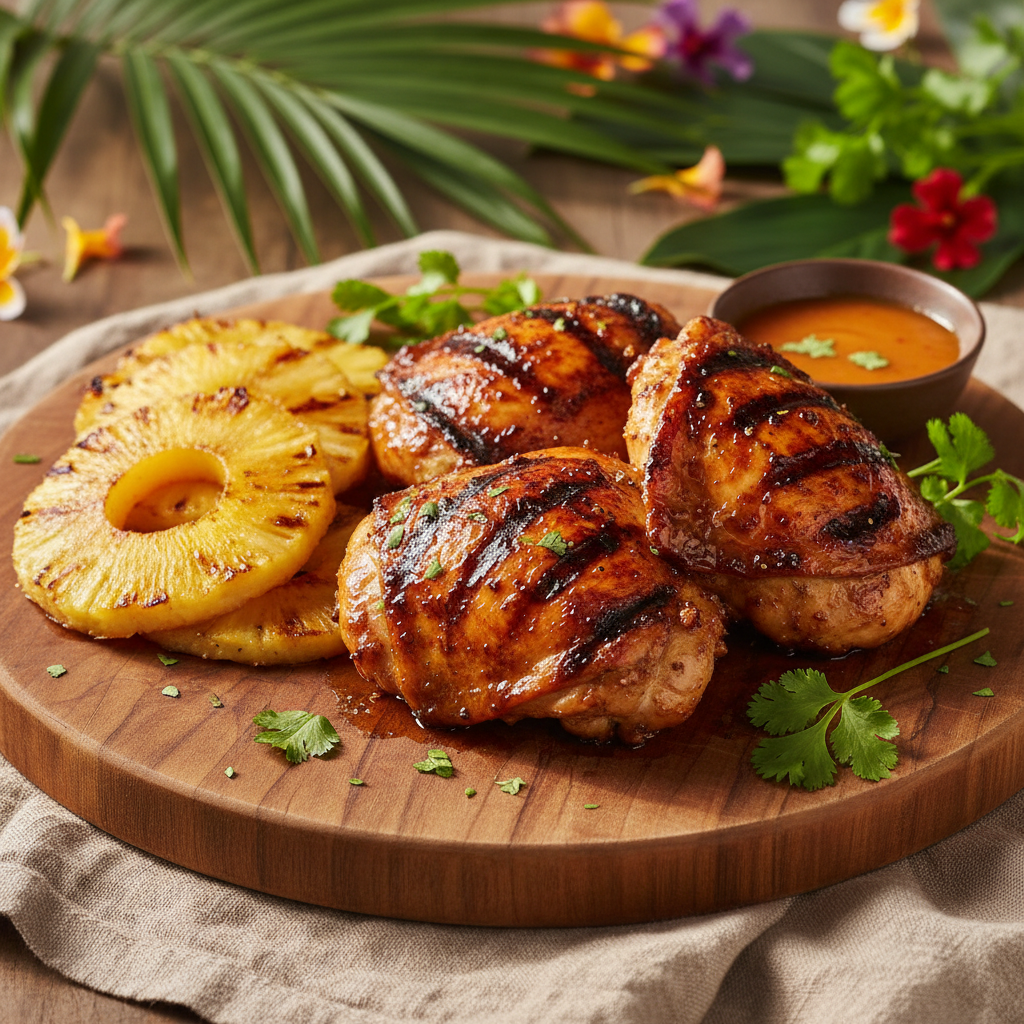
Huli Huli Grilled Chicken
Basting the chicken with the glaze during the last few minutes of grilling, not the whole time, keeps the sugars in the glaze from burning over direct heat.
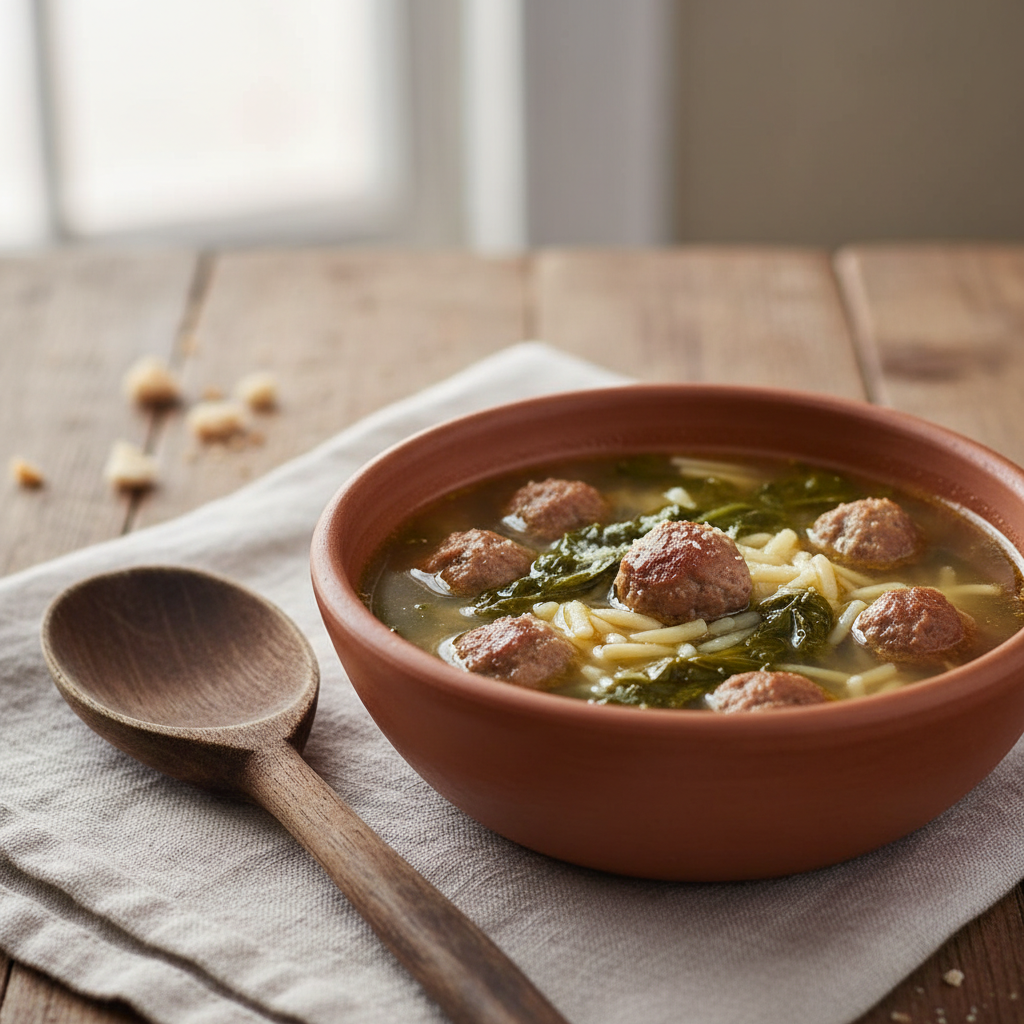
Italian Wedding Soup (GF)
Simmering the tiny meatballs directly in the broth, the same way as a skillet sauce, keeps them tender instead of dry.
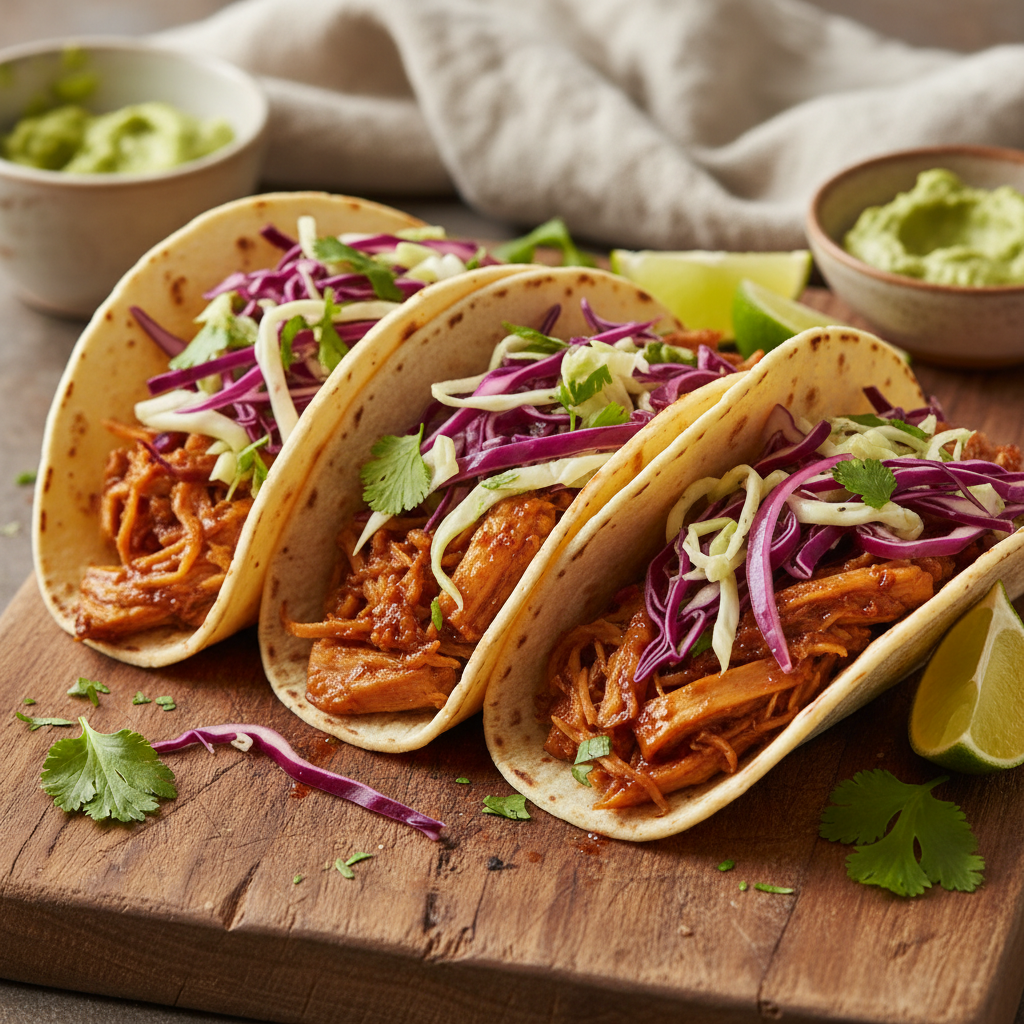
Jackfruit "Pulled Pork" Tacos
Shredding the young jackfruit with two forks before it hits the pan, not after, is what lets every strand soak up the sauce instead of just the outer layer.
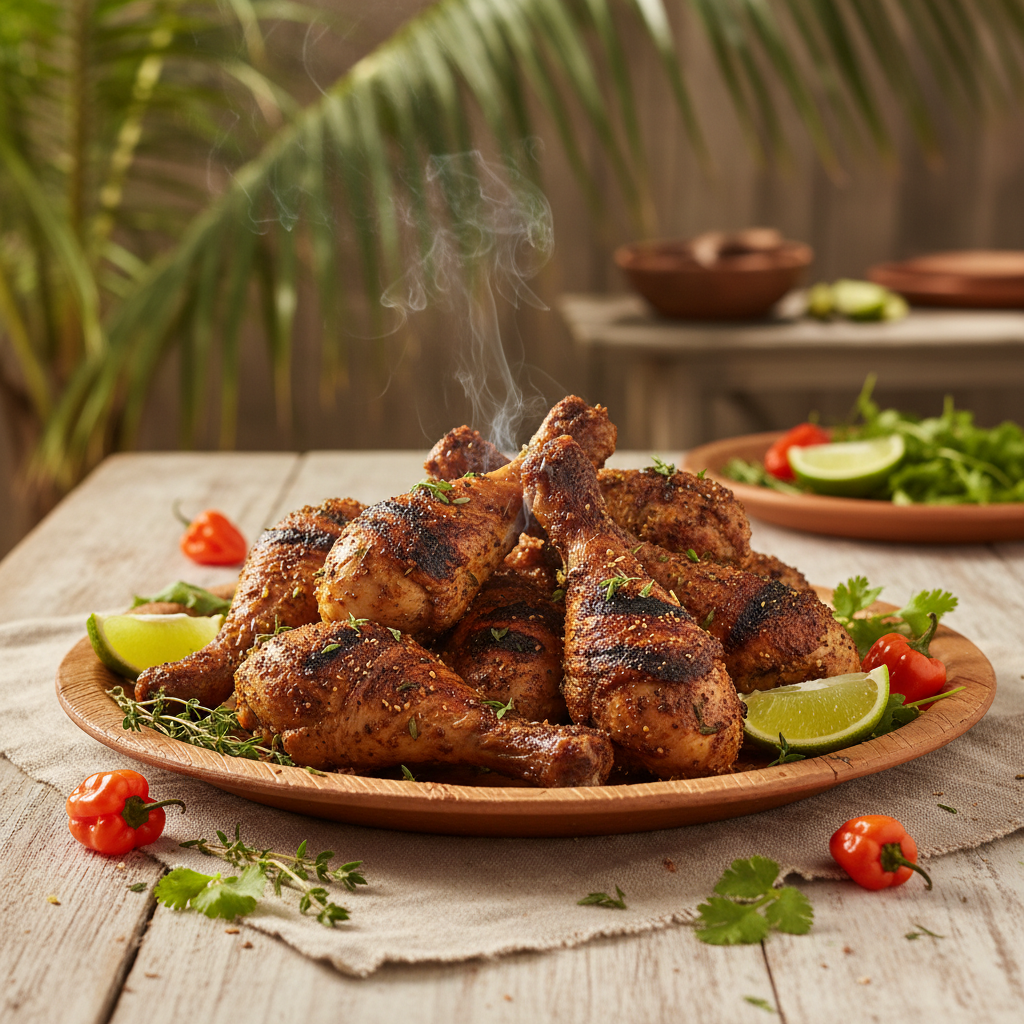
Jerk Chicken Drumsticks
Marinating the chicken for at least 4 hours, ideally overnight, is what gets the jerk seasoning's heat and warmth all the way to the bone, not just on the skin.
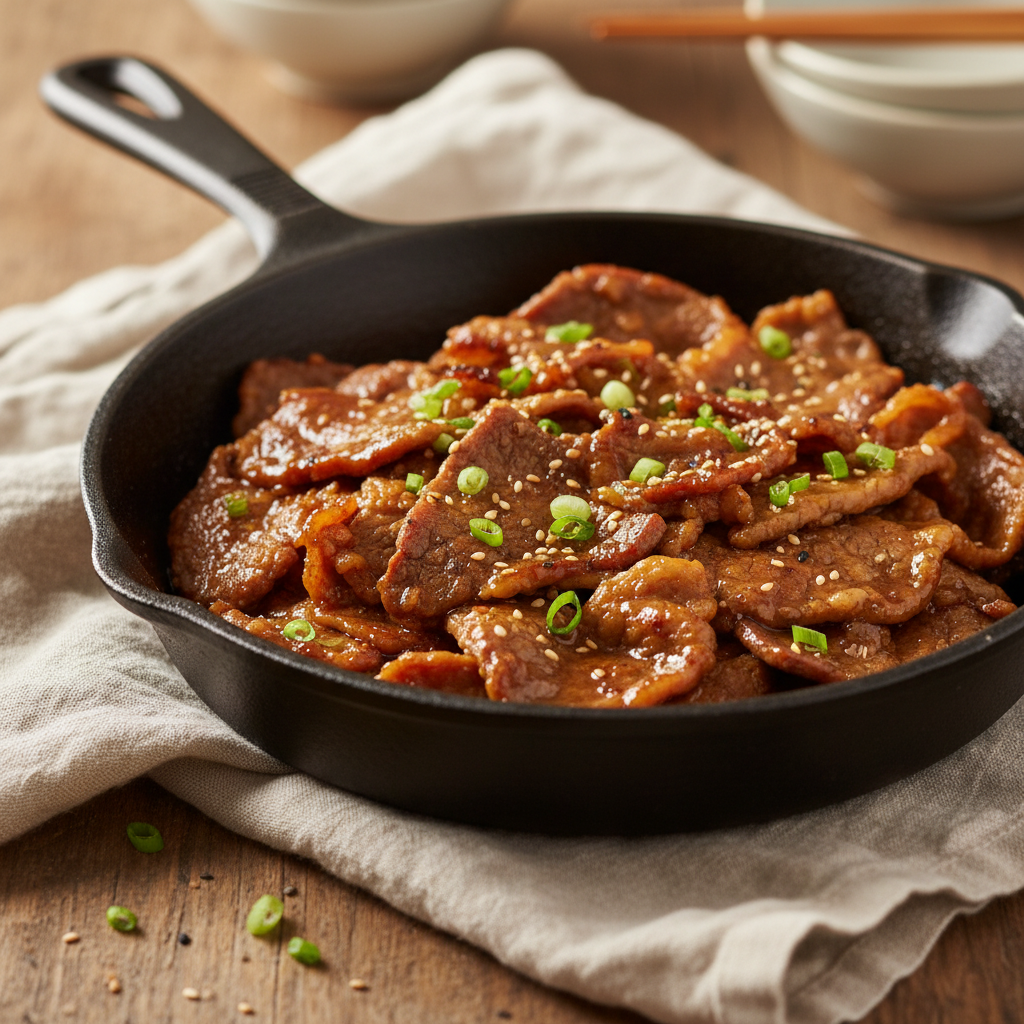
Korean-Style Beef Bulgogi
Slicing the beef while it's still slightly frozen is what makes paper-thin, uniform slices possible — fully thawed meat is too soft to cut that thin evenly.
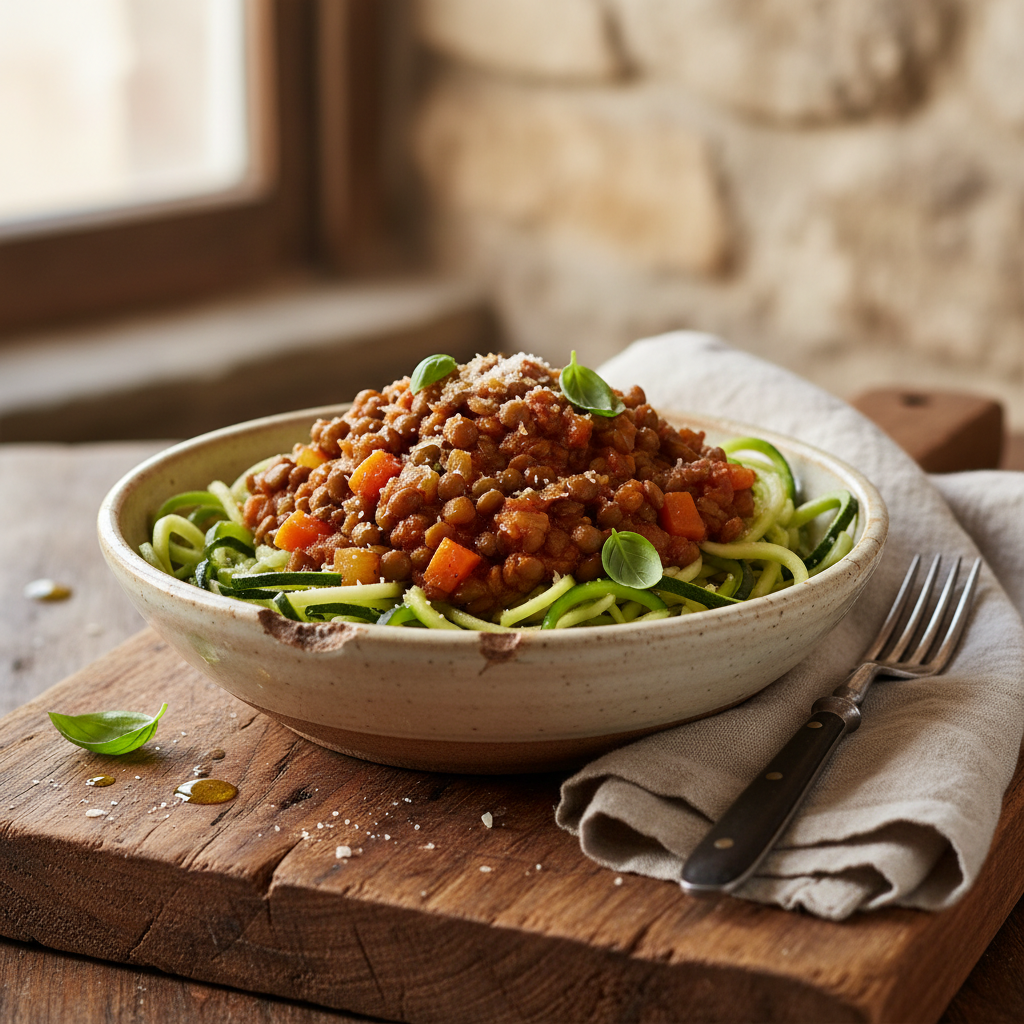
Lentil Bolognese over Zucchini Noodles
Browning the tomato paste in the pan before adding any liquid caramelizes its sugars and deepens the whole sauce — stirring it straight into liquid just tastes raw and tinny.
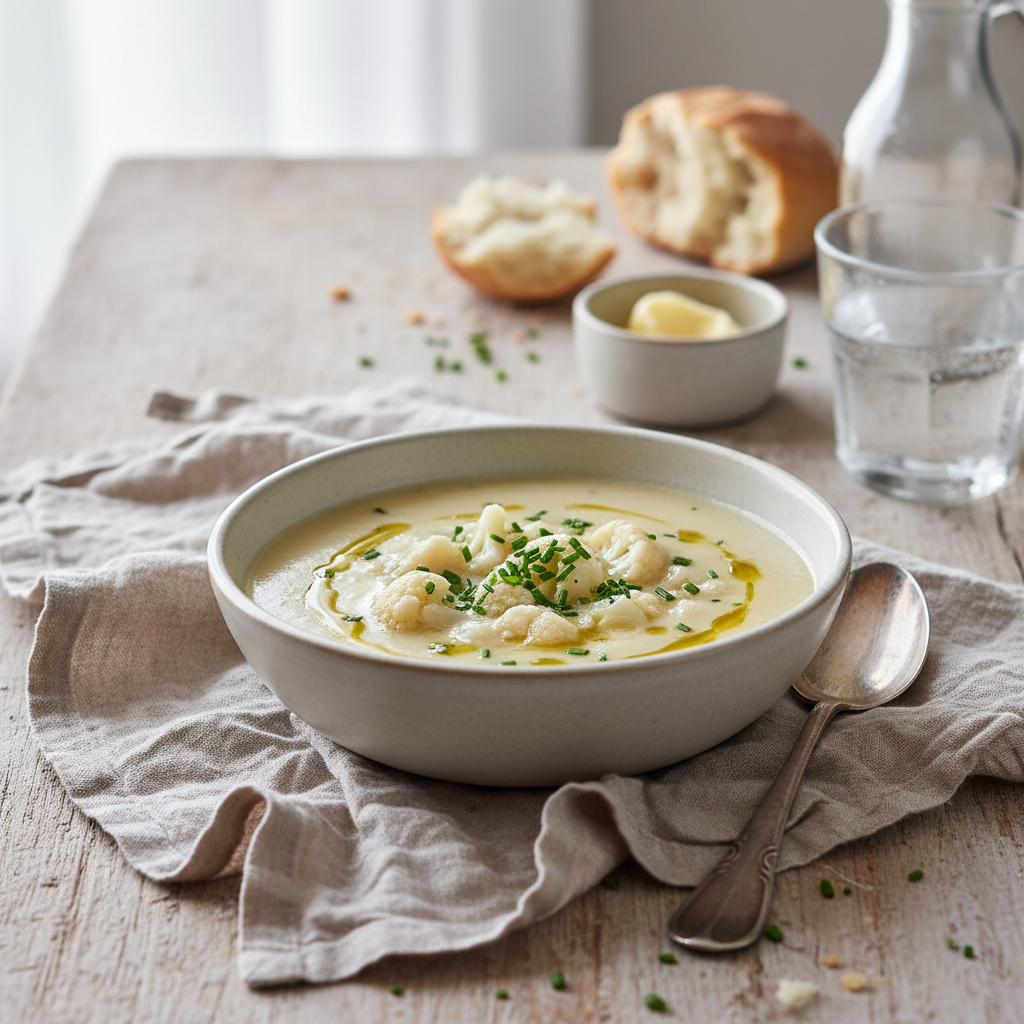
Loaded Cauliflower "Potato" Soup (Dairy-Free)
Blending only half the soup, and leaving the rest chunky, gives it a creamy body without losing all its texture.
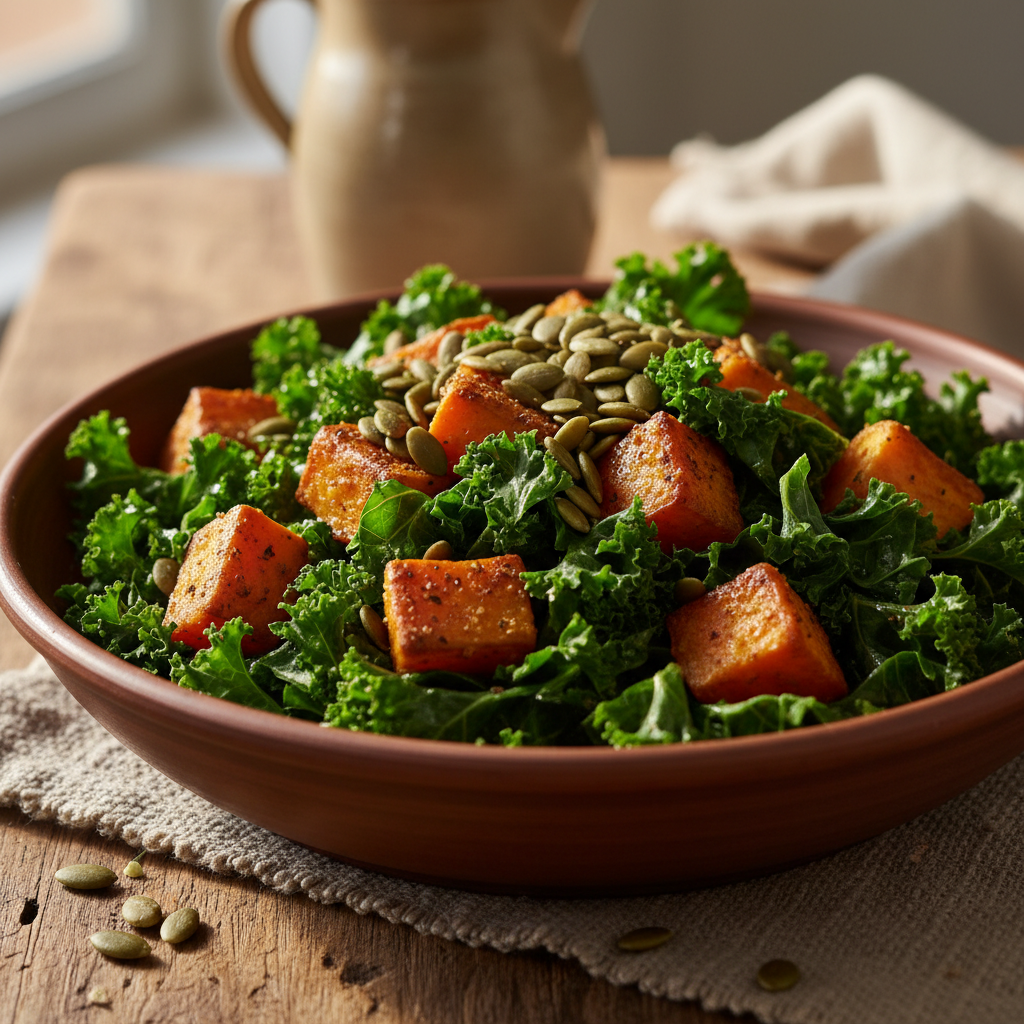
Massaged Kale Salad with Roasted Sweet Potato
Massaging the kale with oil and a bit of salt for a full two minutes breaks down its tough cell walls, turning it tender instead of leaving it chewy and bitter.
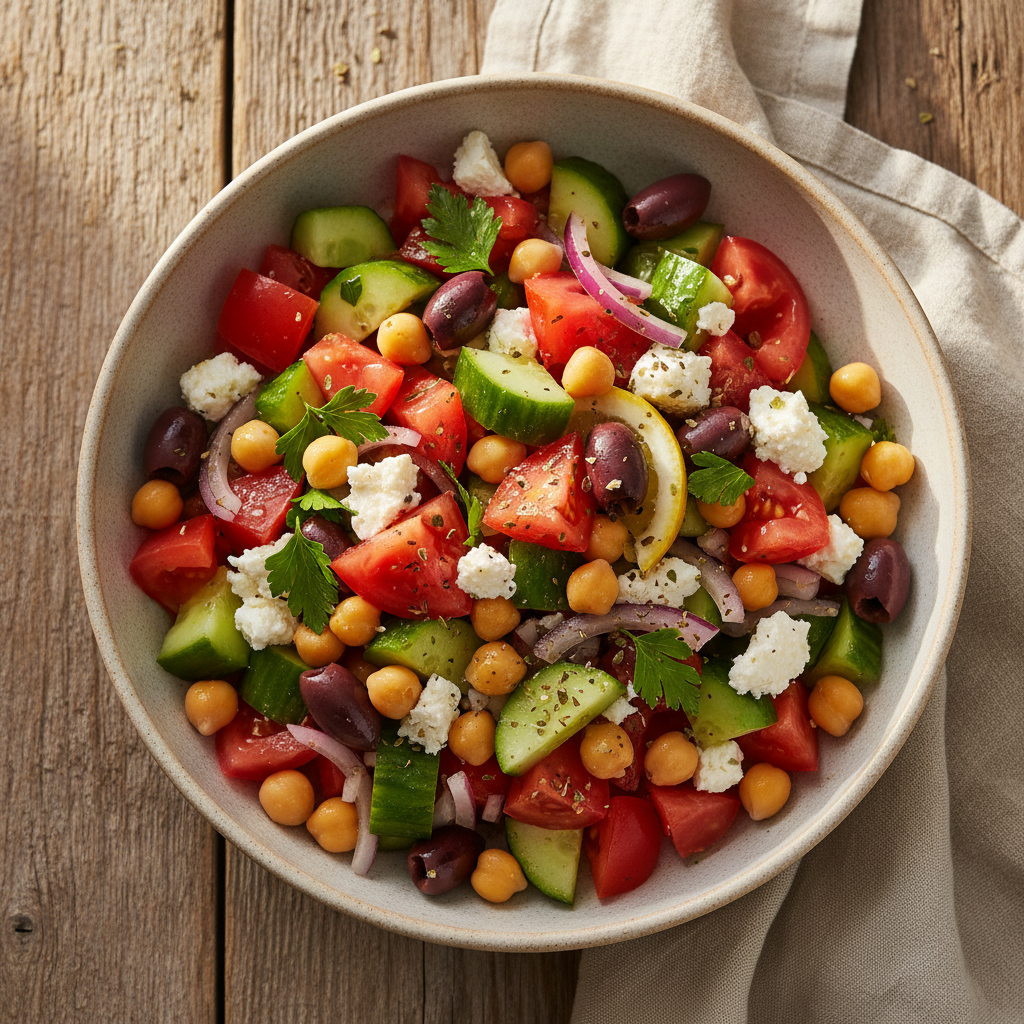
Mediterranean Chopped Salad
Salting and draining the cucumber for 10 minutes before adding it is what keeps this salad crisp instead of watery by the time it's served.
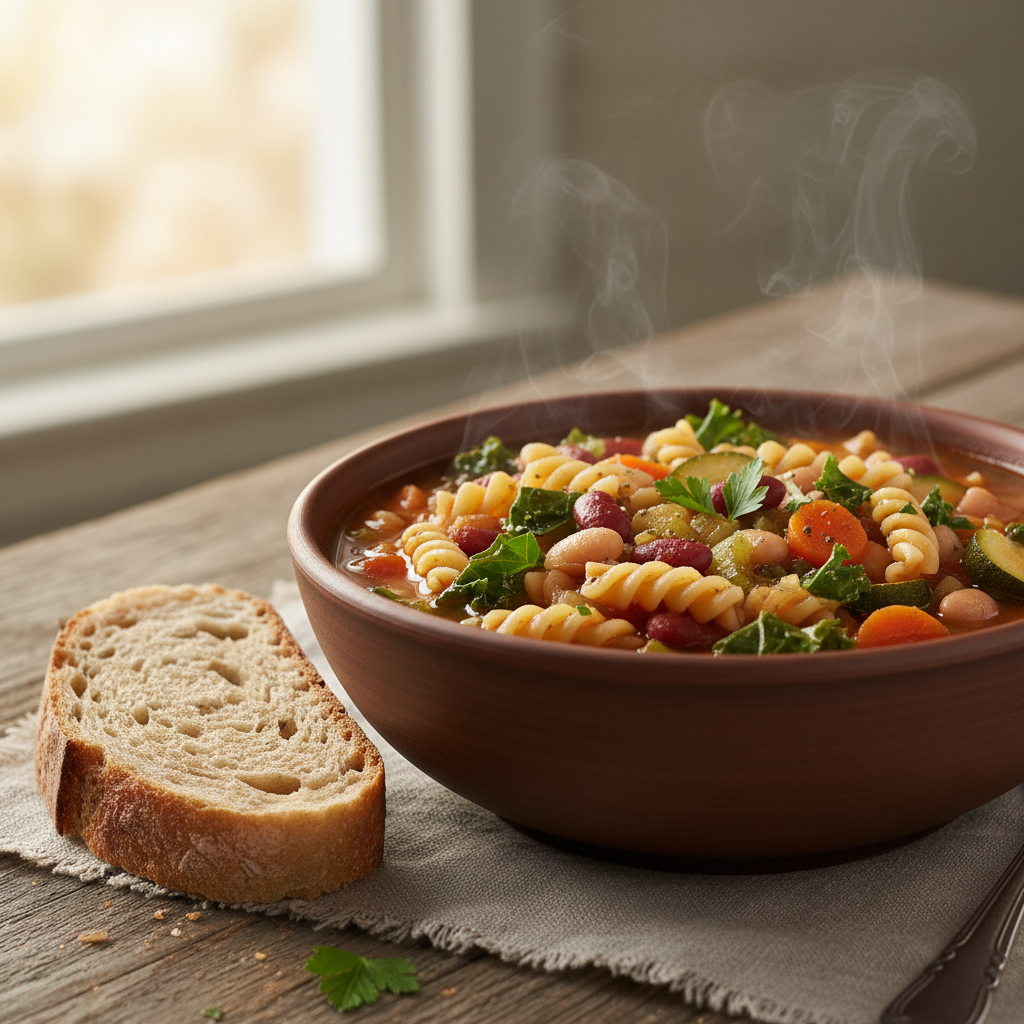
Minestrone Soup (GF)
Adding the gluten-free pasta in only the last few minutes keeps it from soaking up all the broth and turning to mush.
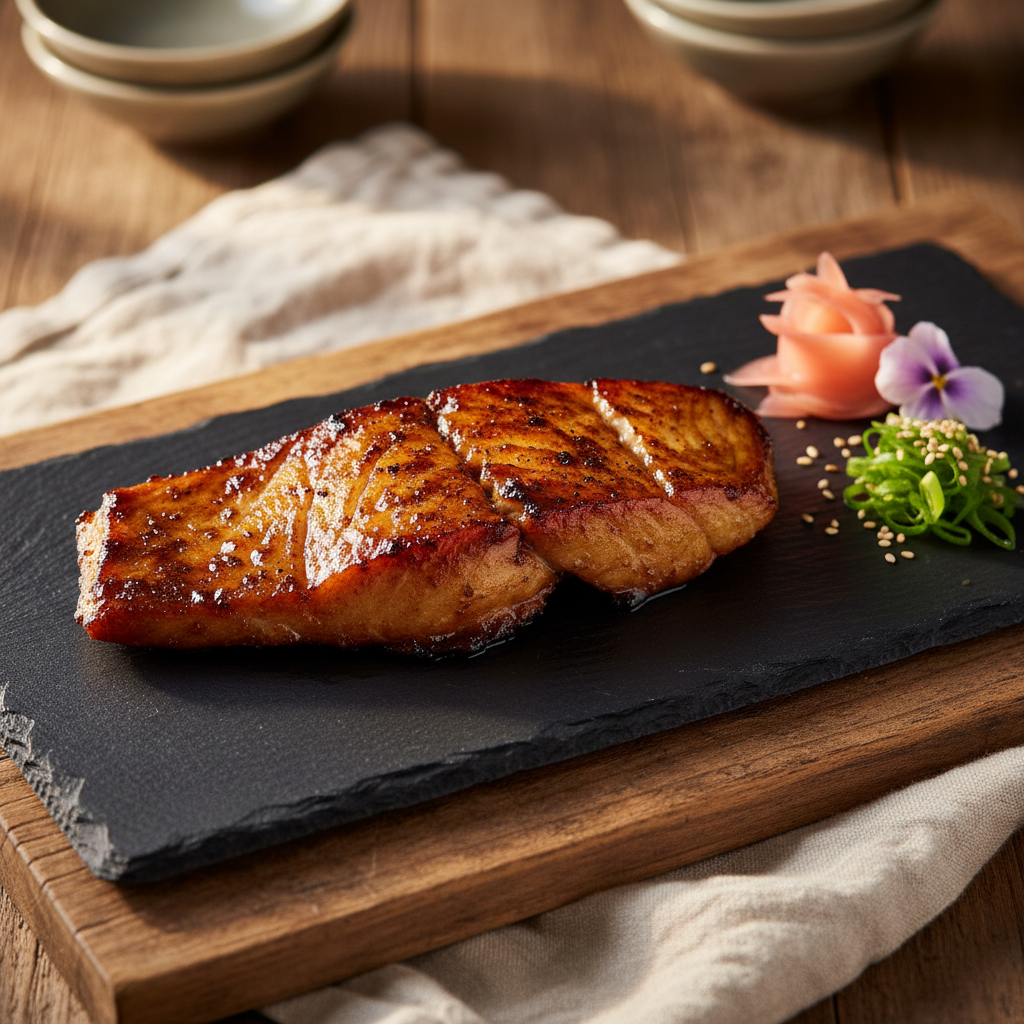
Miso-Glazed Black Cod
Marinating the fish in the miso mixture for at least 24 hours is what gives it that deep, lacquered flavor — a quick marinade barely penetrates the surface.
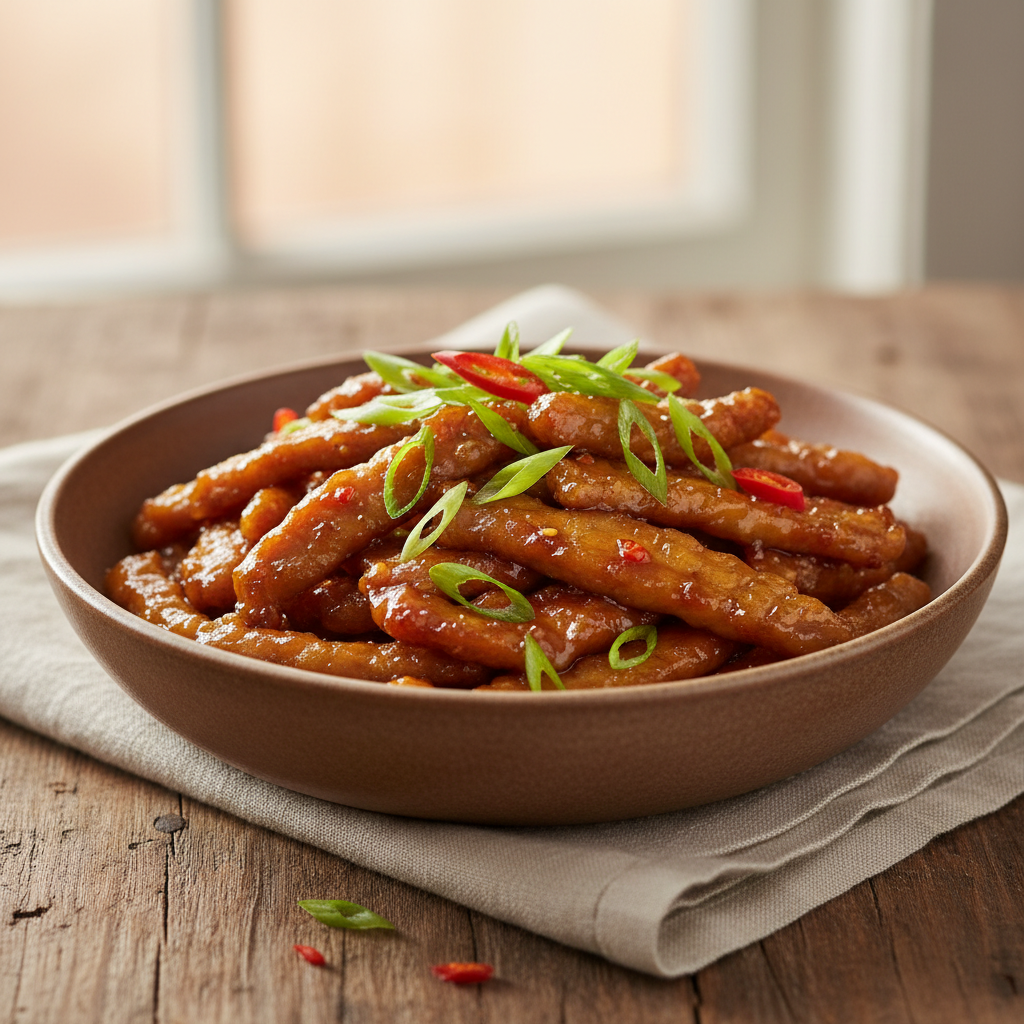
Mongolian Beef (Gluten-Free, Sugar-Free)
Frying the cornstarch-coated beef in small batches, without crowding the pan, is what makes each piece crisp instead of steaming together in a soggy clump.
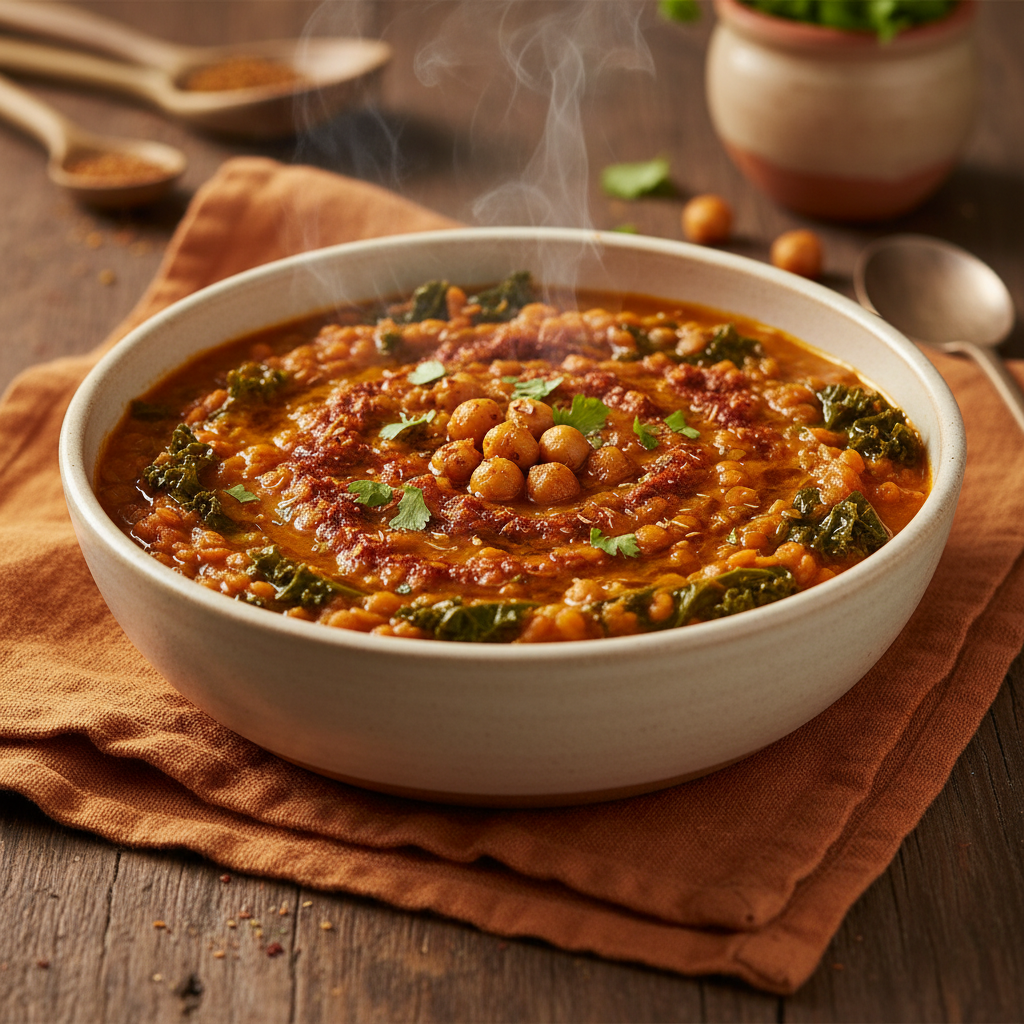
Moroccan-Spiced Lentil Stew
Toasting the cumin, cinnamon, and turmeric in oil before anything else is what makes this stew taste layered instead of flat.
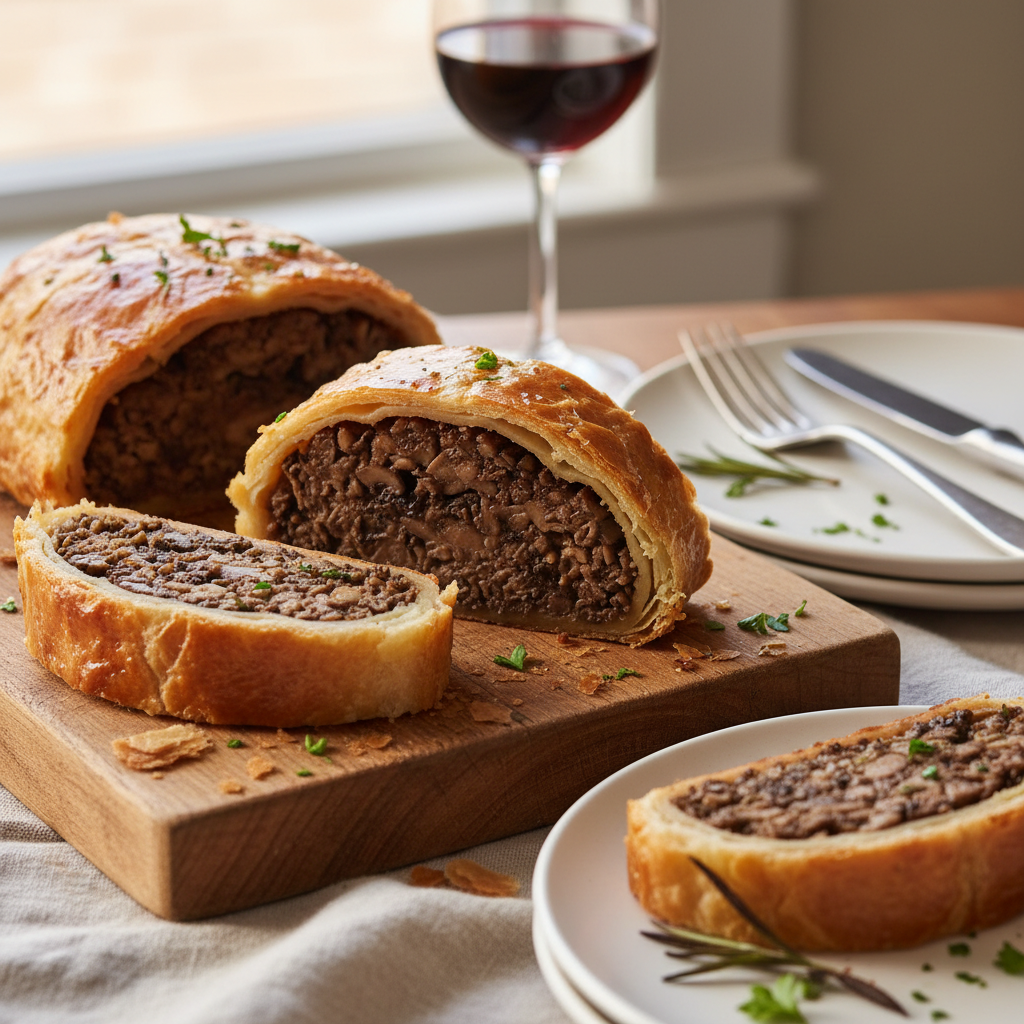
Mushroom Duxelles Wellington (Gluten-Free)
Cooking the finely minced mushrooms until every trace of visible moisture has evaporated from the pan is what makes a real duxelles instead of a wet mushroom mush that soaks through the crust.
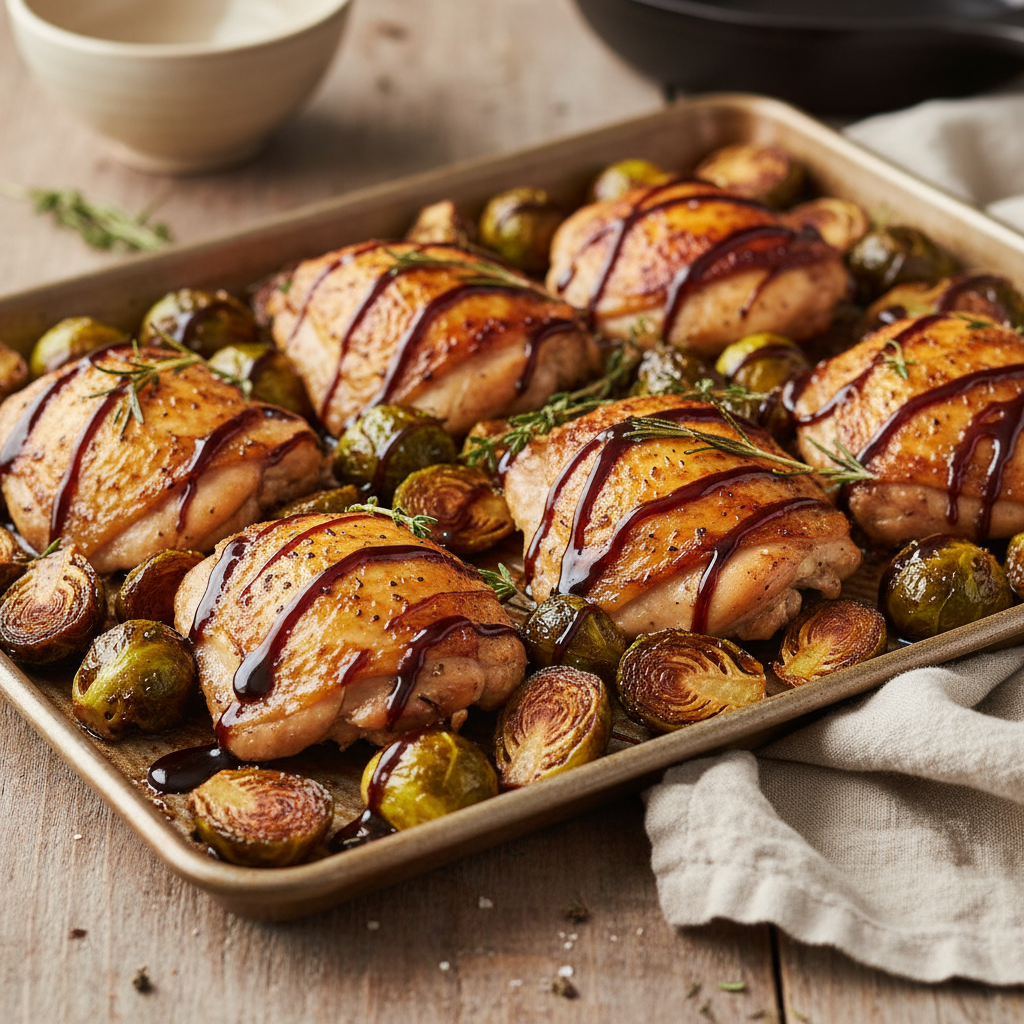
One-Pan Balsamic Chicken & Brussels Sprouts
Cutting the Brussels sprouts in half, cut-side down on the pan, is what gets them deeply caramelized instead of just steamed and mushy.
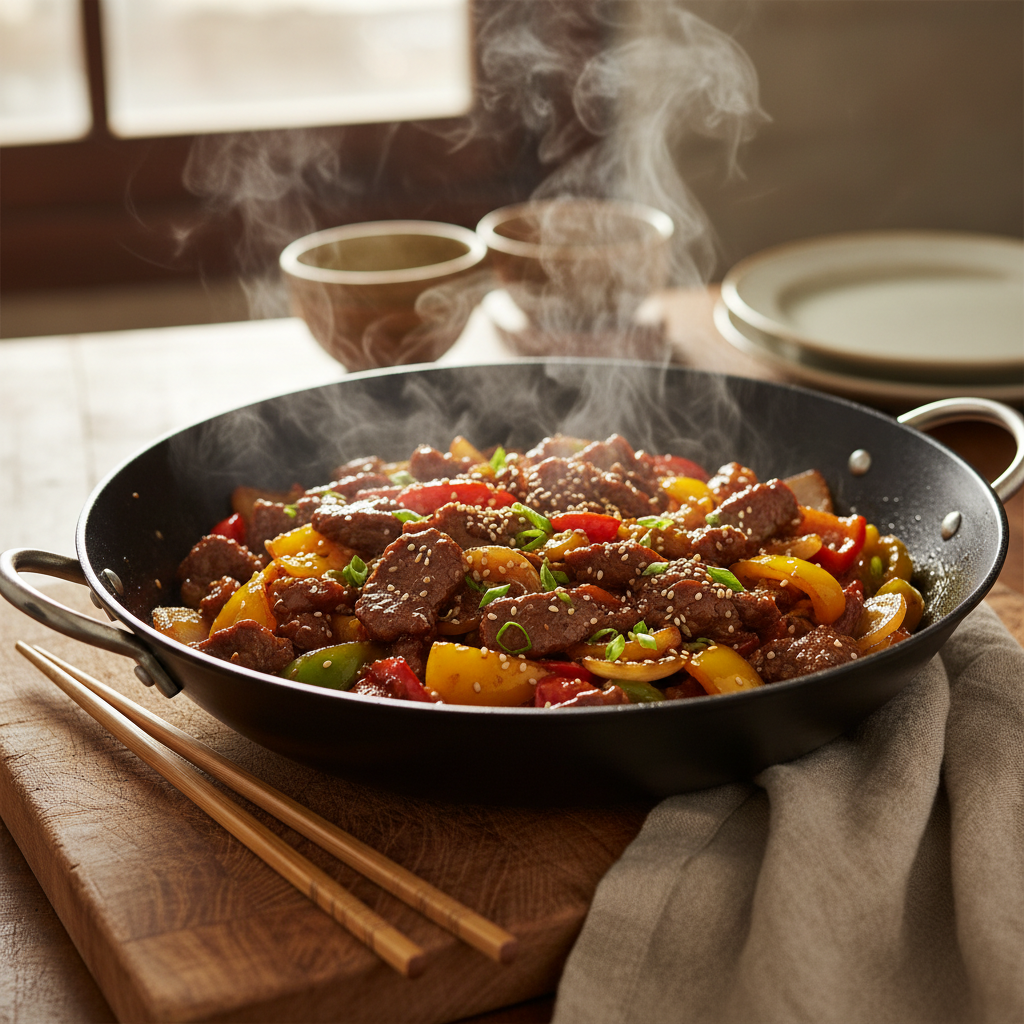
One-Pan Beef & Pepper Stir-Fry
Velveting the beef in a light cornstarch coating before cooking is a classic stir-fry technique that keeps it tender instead of tough.
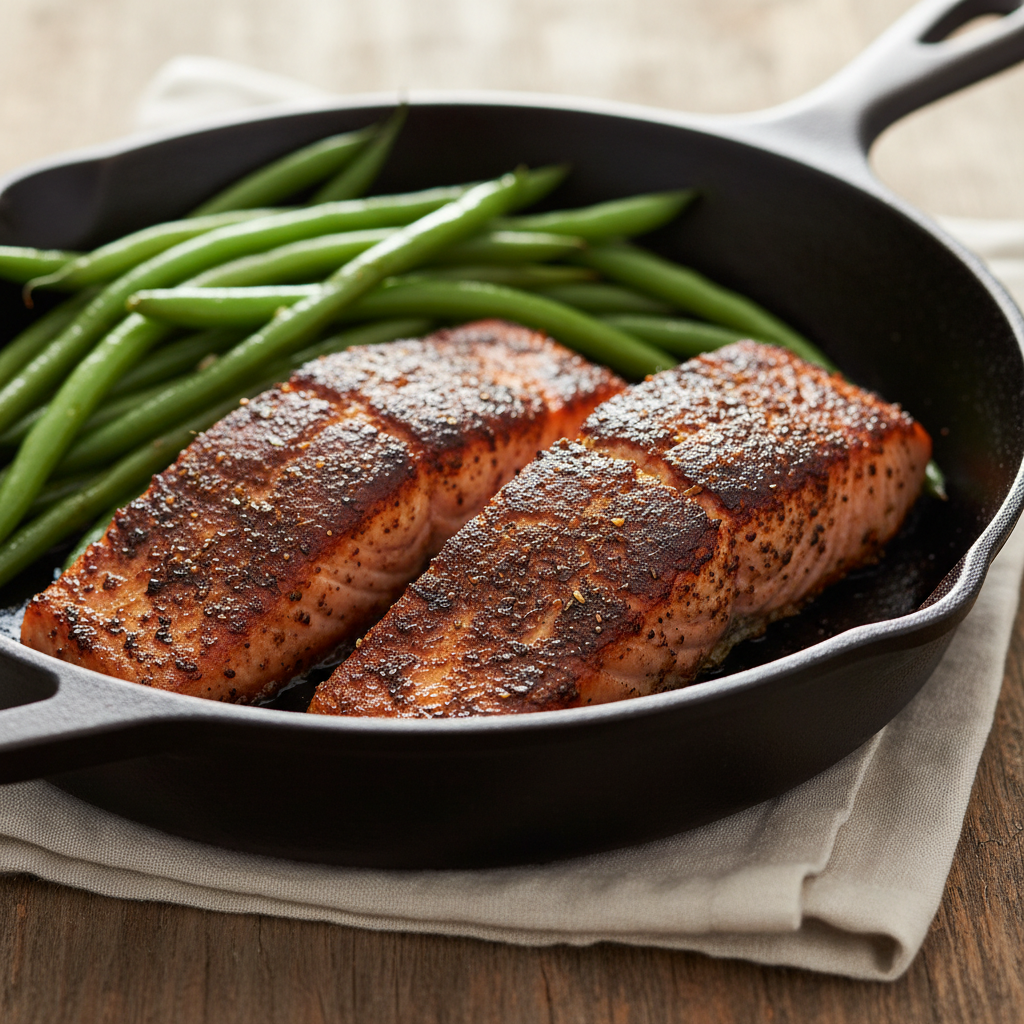
One-Pan Blackened Salmon & Green Beans
A very hot, dry pan is what actually 'blackens' the seasoning — a crowded or oiled-too-early pan just steams it instead.
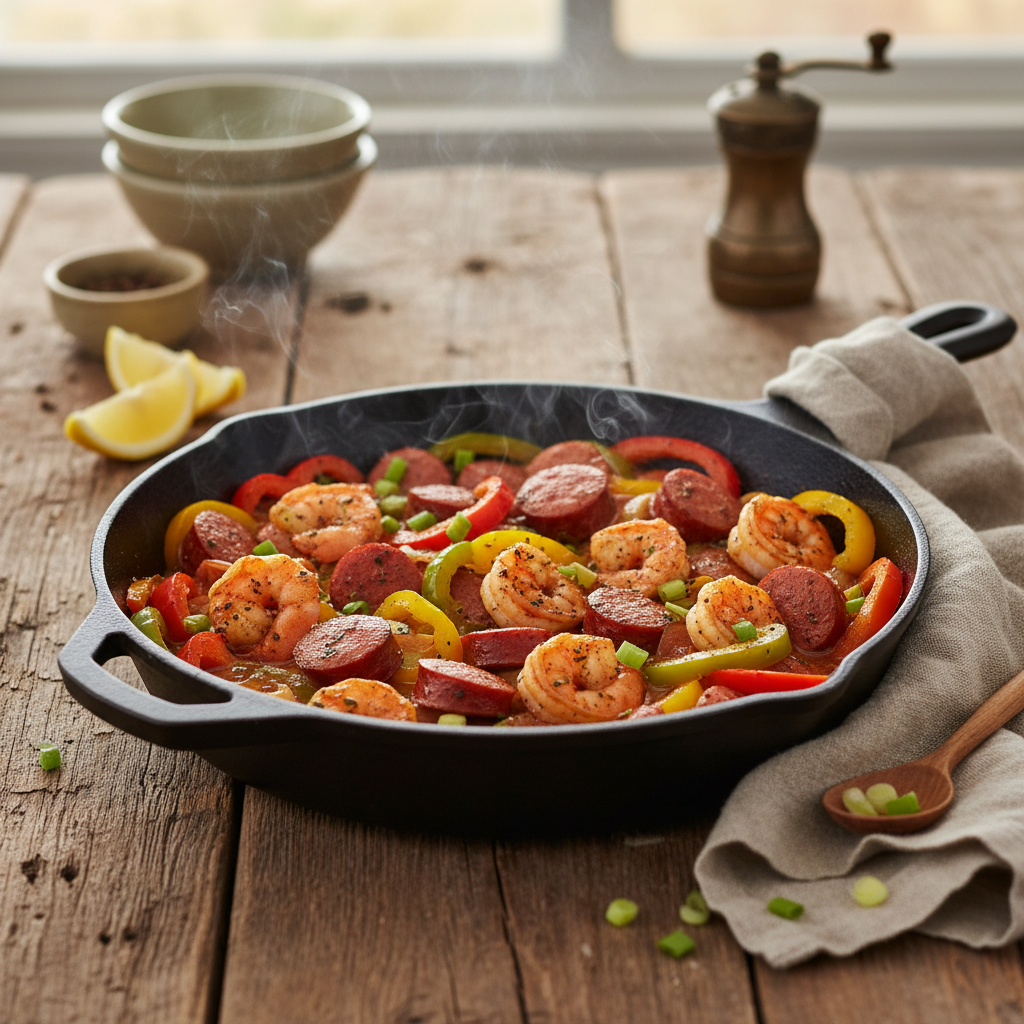
One-Pan Cajun Shrimp & Sausage
Cooking the sausage first and leaving its rendered fat in the pan is what seasons the shrimp and vegetables that go in after.
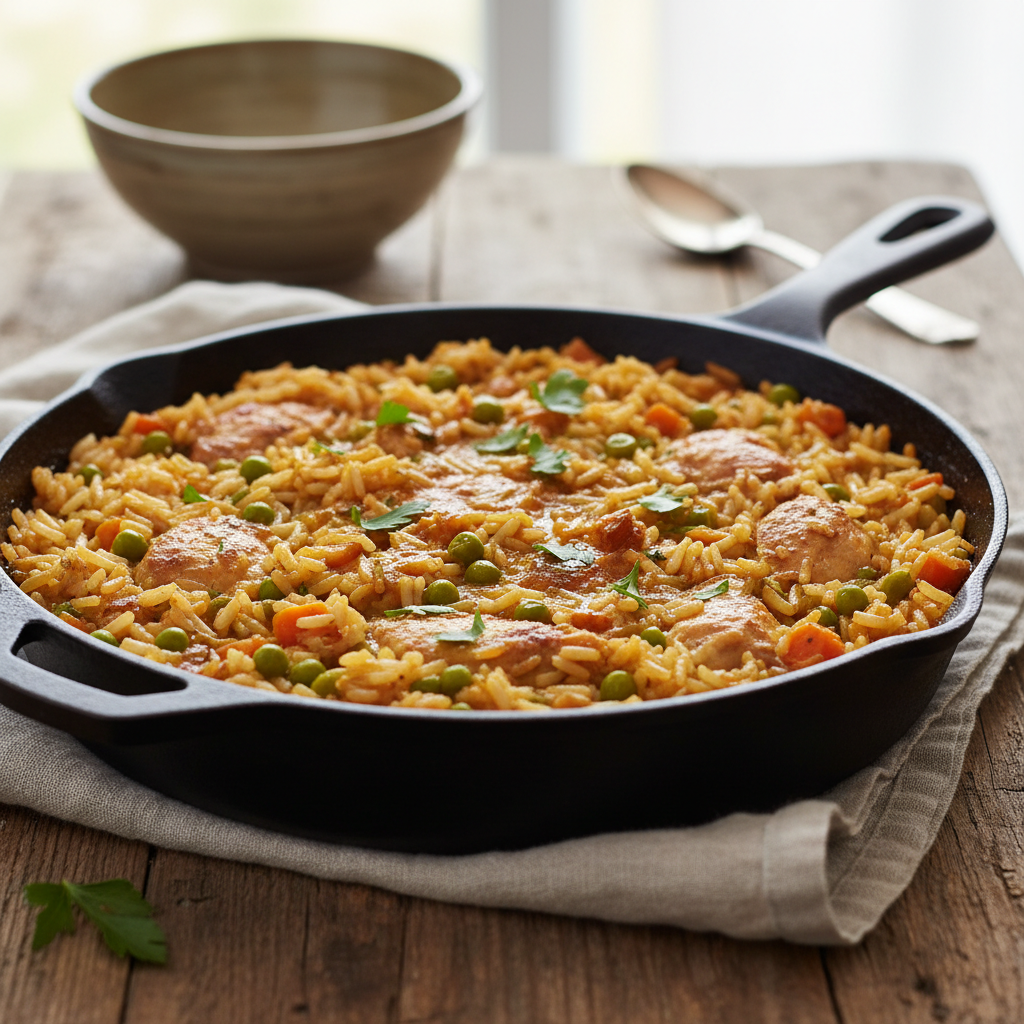
One-Pan Chicken & Rice Skillet
Toasting the rice in the pan drippings before adding liquid — the same way you'd start a pilaf — builds a nutty flavor plain boiled rice never gets.
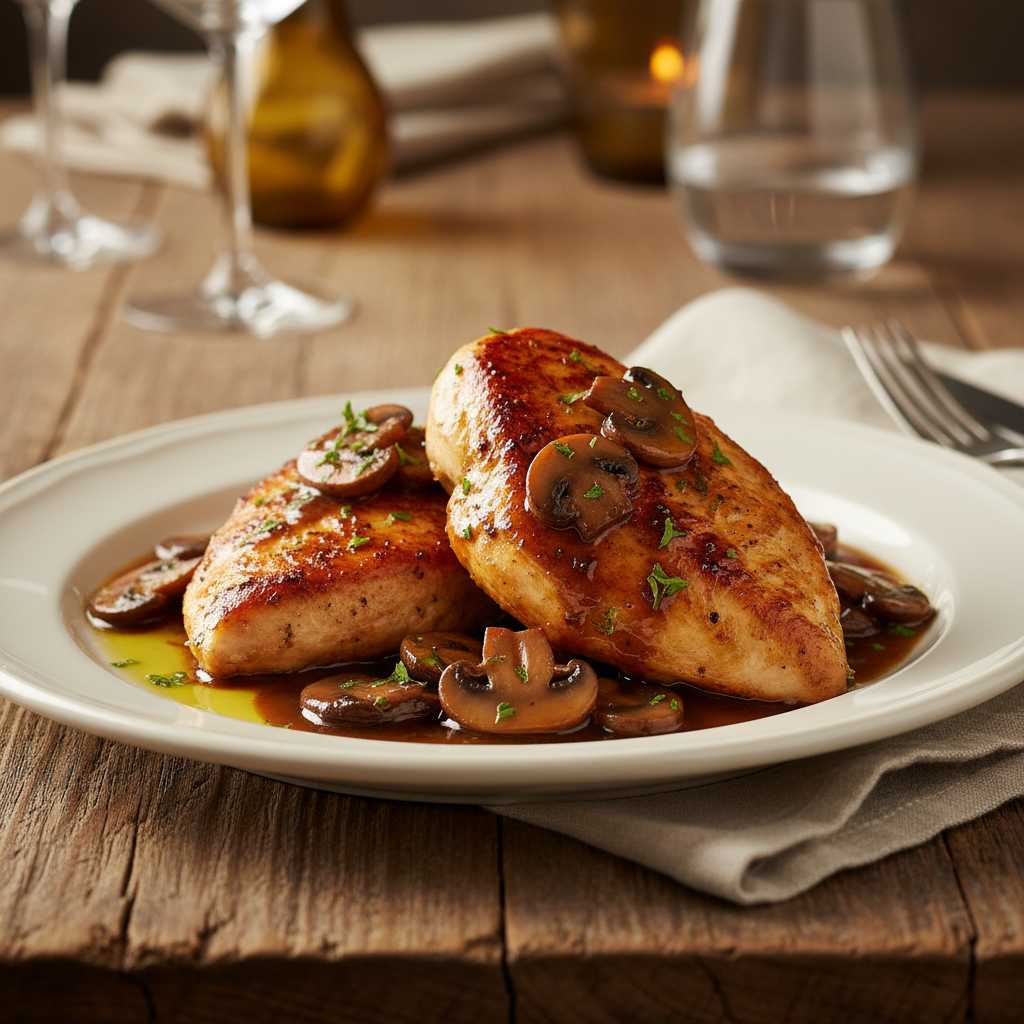
One-Pan Chicken Marsala (Dairy-Free)
Reducing the Marsala wine down before adding the broth concentrates its flavor — adding everything at once leaves a thin, boozy-tasting sauce.
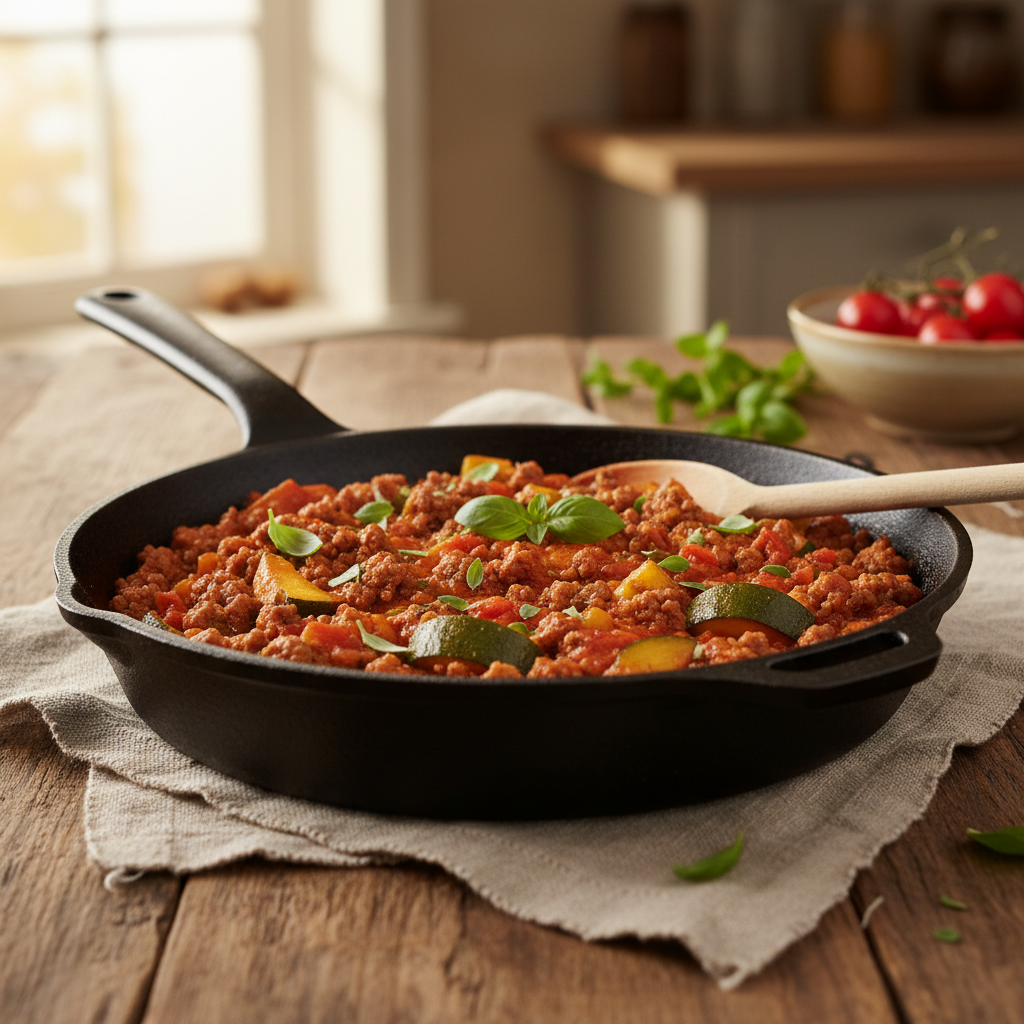
One-Pan Ground Beef & Zucchini Skillet
Salting the zucchini and letting it sit for 10 minutes draws out the moisture that would otherwise make the whole skillet watery.
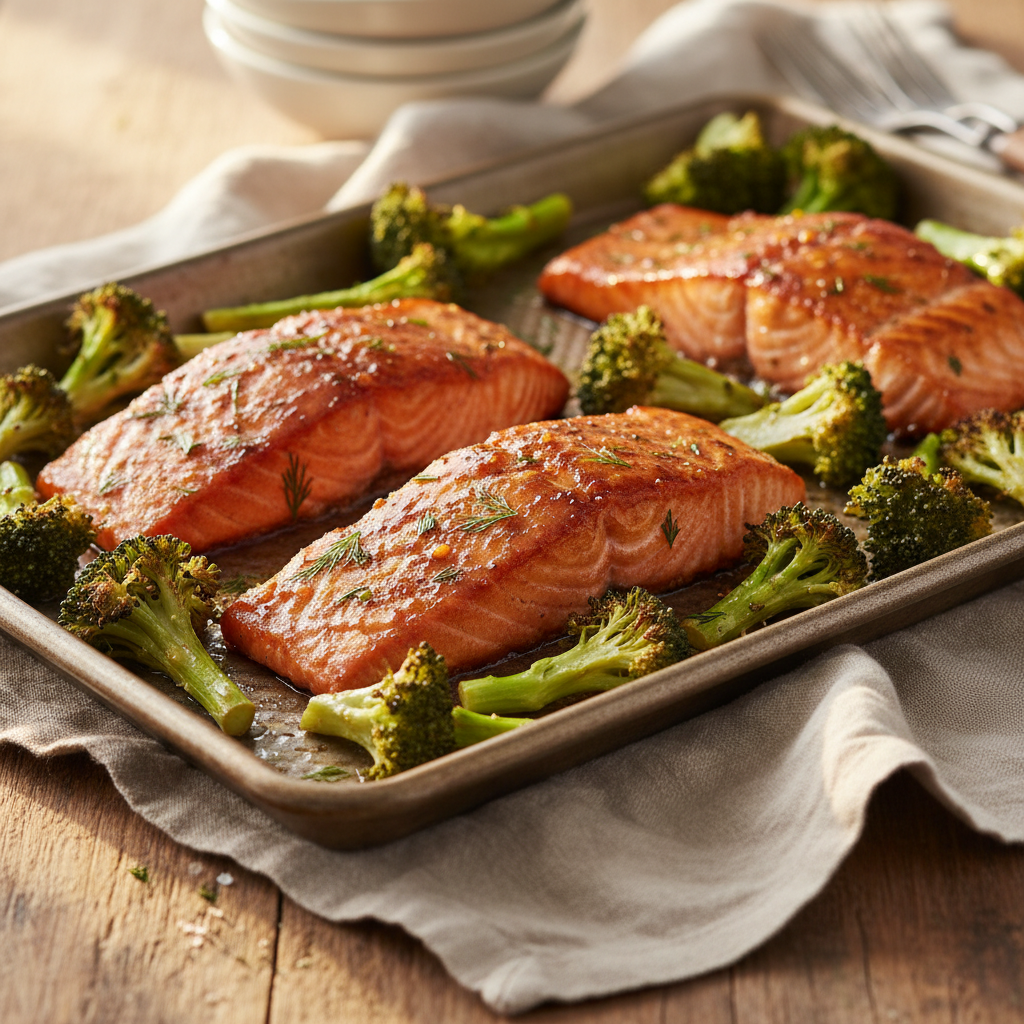
One-Pan Honey Garlic Salmon & Broccoli
Basting the salmon with the pan sauce as it cooks builds up layers of glaze instead of leaving it thin and separate.
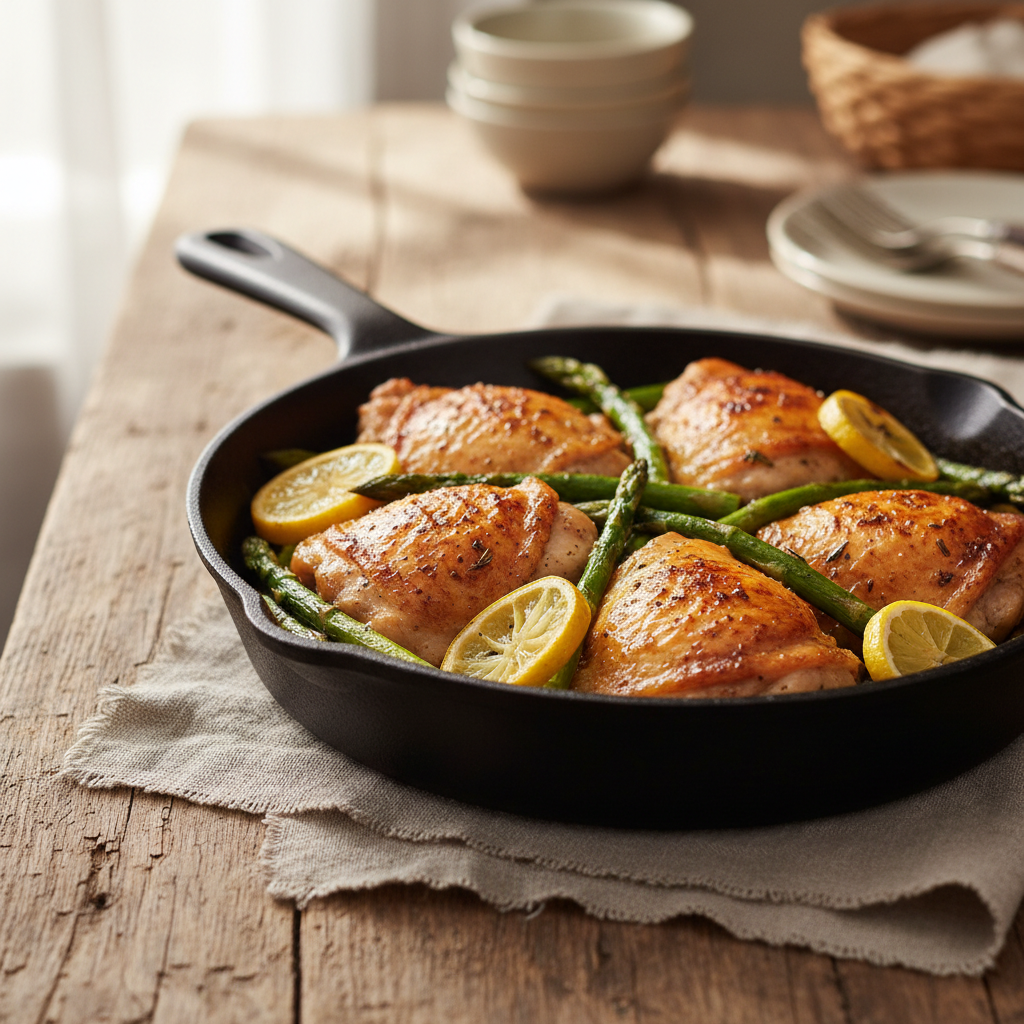
One-Pan Lemon Garlic Chicken & Asparagus
A weeknight dinner that cleans up in one pan.
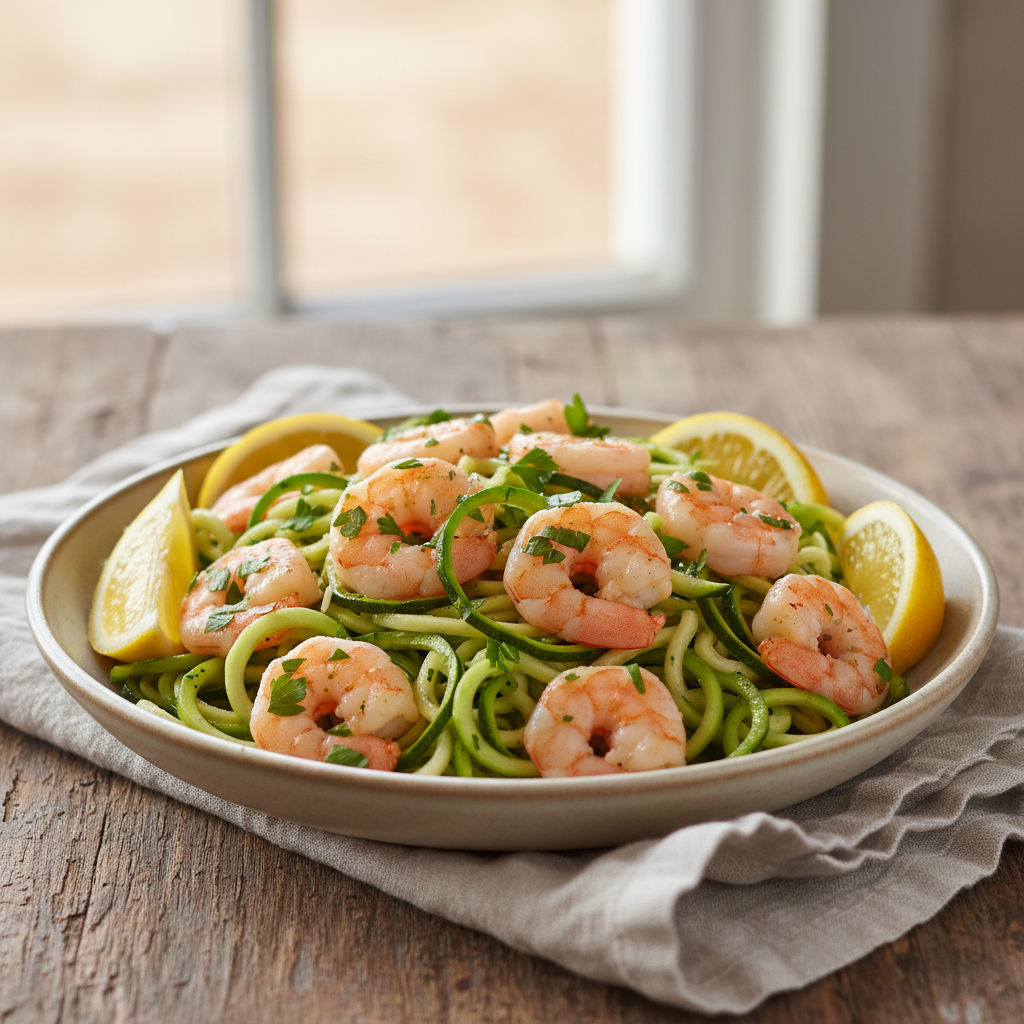
One-Pan Shrimp & Zucchini Noodles
Light, fast, and full of garlic flavor.
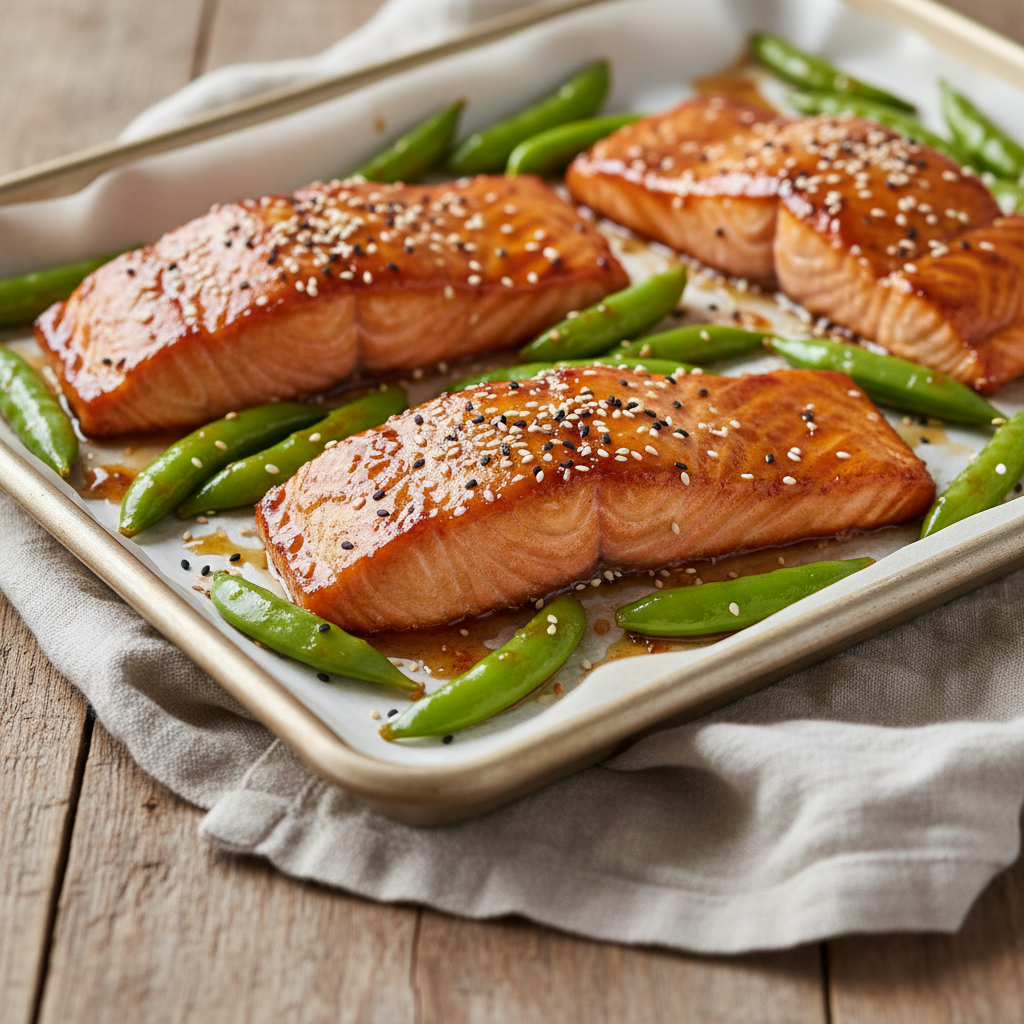
One-Pan Teriyaki Salmon & Snap Peas
Reducing the teriyaki sauce separately before glazing, rather than pouring it on raw, is what gives it that sticky, restaurant-style finish.
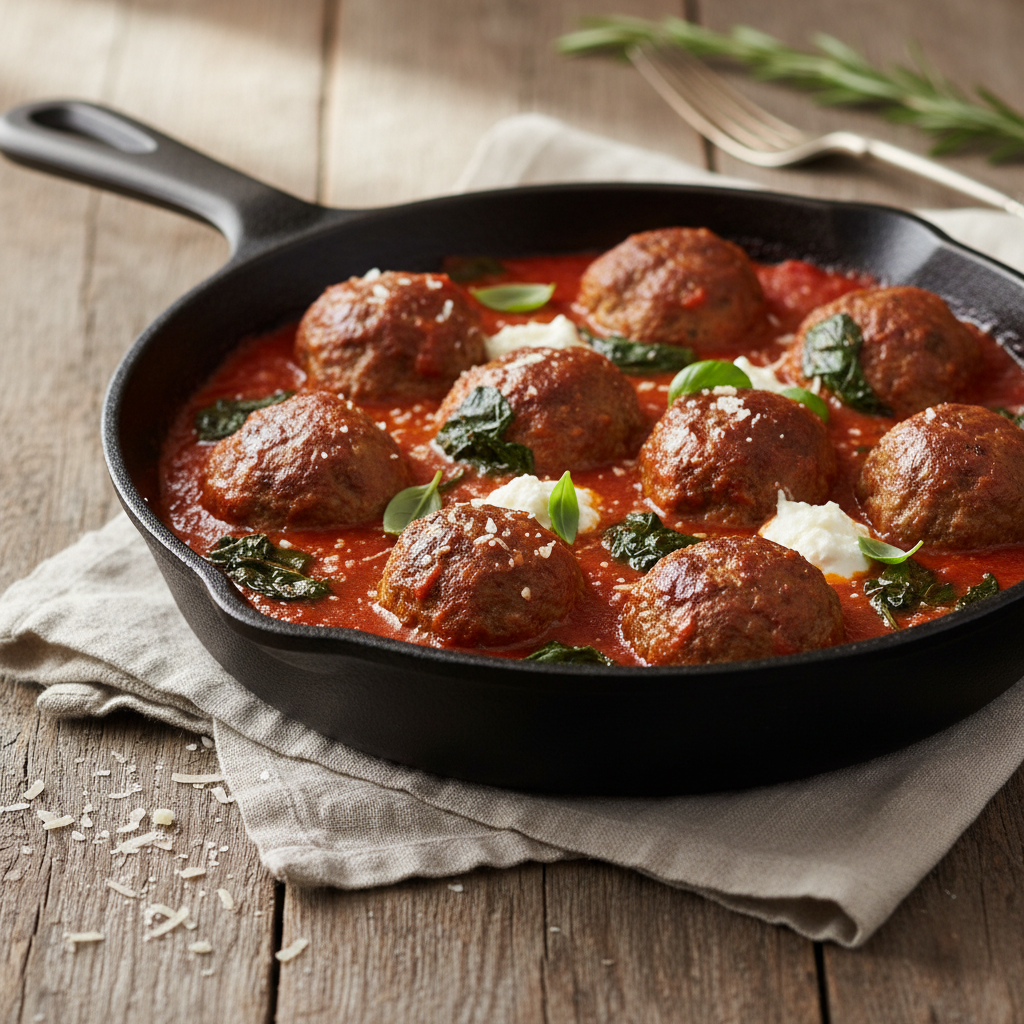
One-Pan Turkey Meatball Skillet with Spinach
Simmering the meatballs directly in the sauce, instead of baking them separately, is what keeps them from drying out.
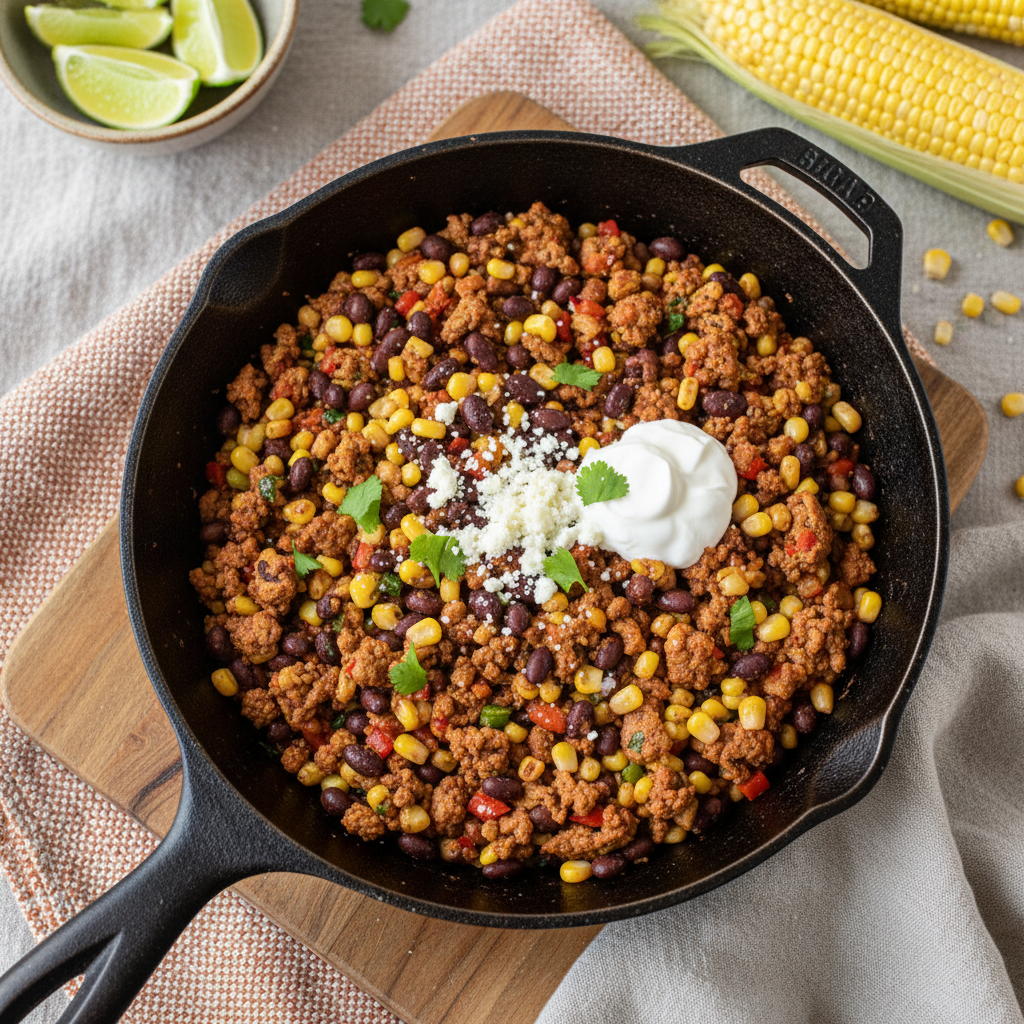
One-Pan Turkey Taco Skillet
Browning the turkey undisturbed for the first few minutes, instead of stirring right away, is what builds real fond at the bottom of the pan for flavor.
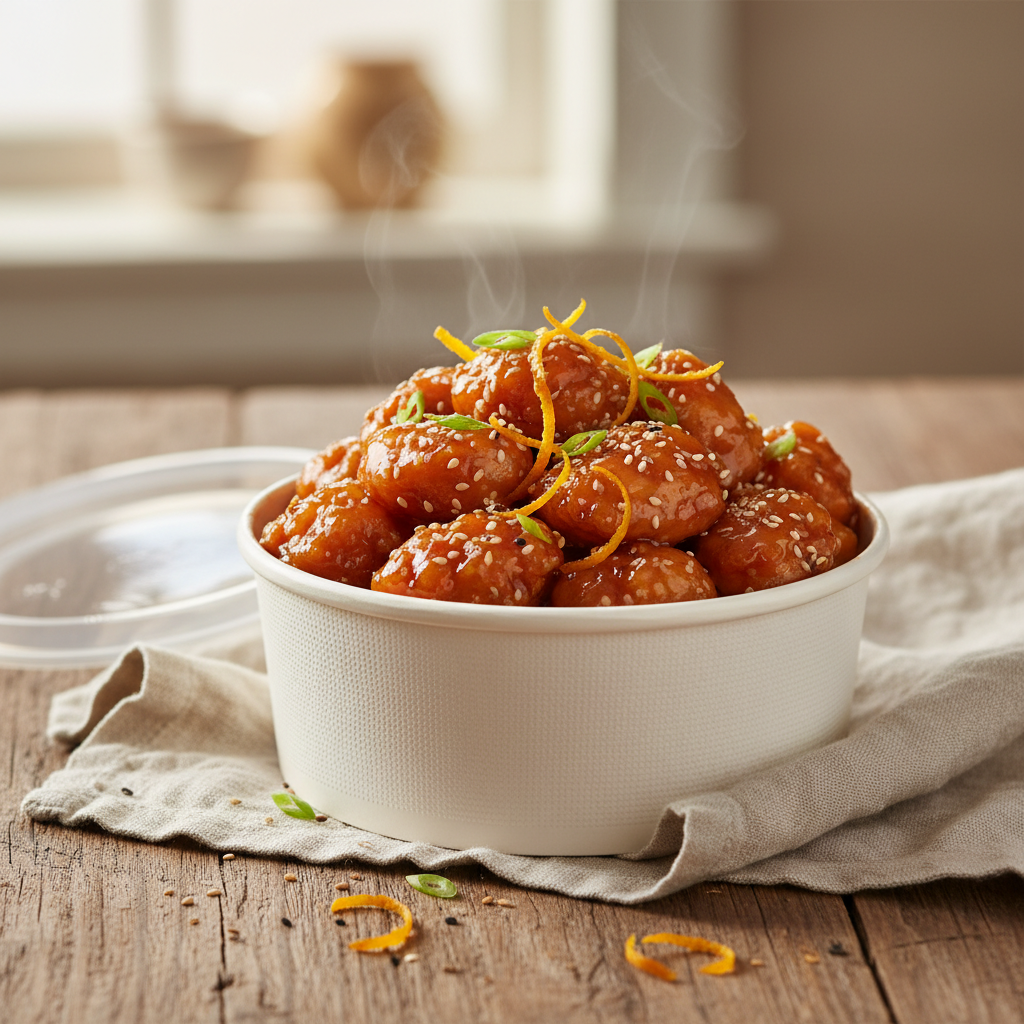
Orange Chicken (Gluten-Free, Sugar-Free)
Zesting the orange before juicing it — never after — is the only way to get its aromatic oils, since a squeezed peel has nothing left to zest.
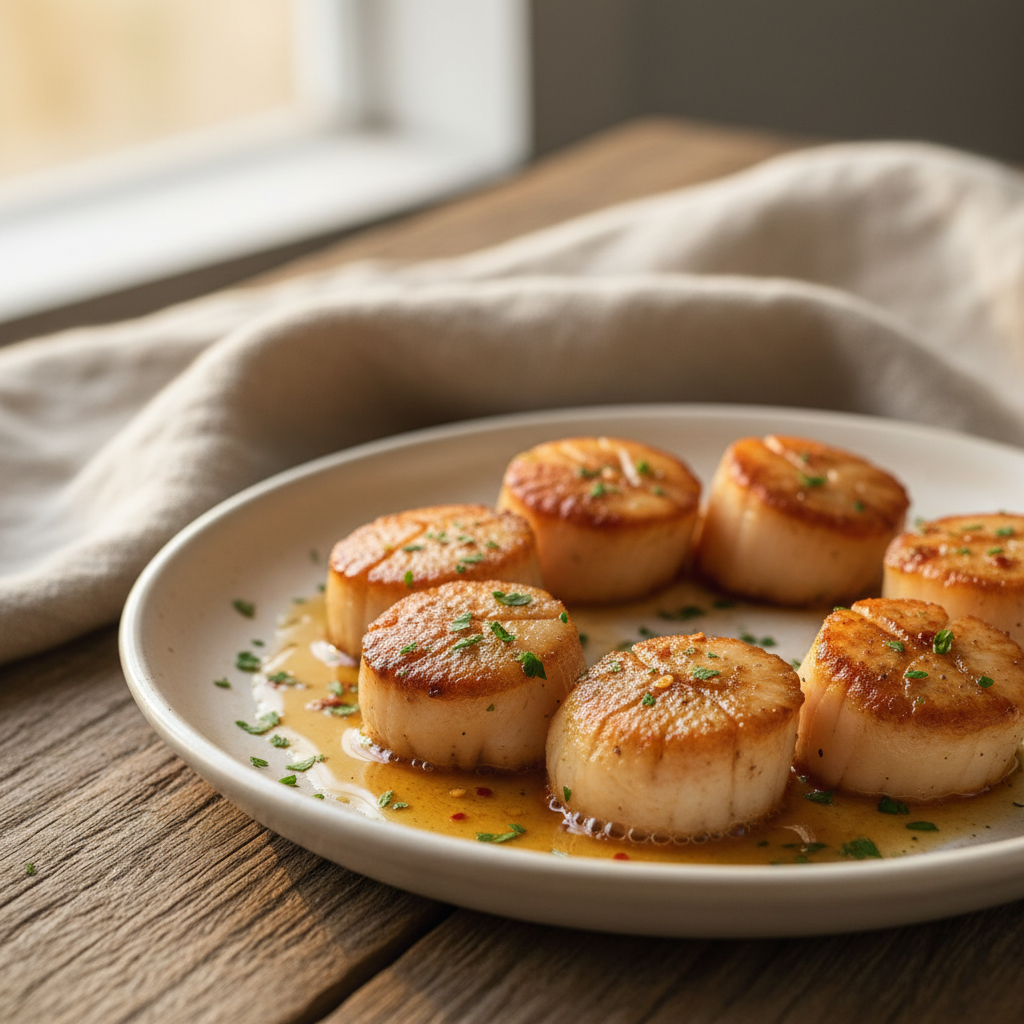
Pan-Seared Scallops with Brown Butter (Dairy-Free)
Patting the scallops completely dry and leaving them untouched in a screaming hot pan for a full two minutes is what builds that deep golden crust — moving them too soon tears it off.
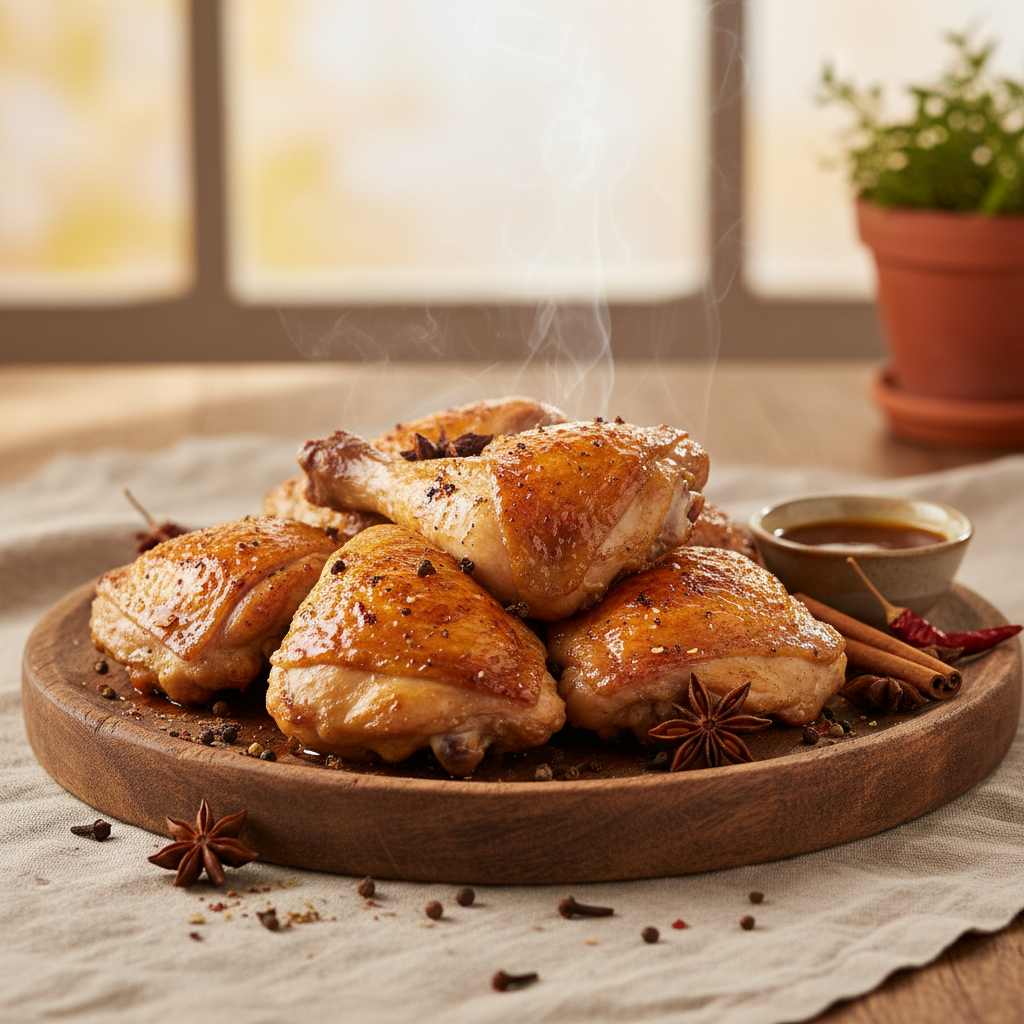
Peking-Style Crispy Chicken Thighs
Air-drying the chicken skin, uncovered in the fridge for a few hours, pulls out surface moisture that's the main reason skin doesn't get truly crisp.
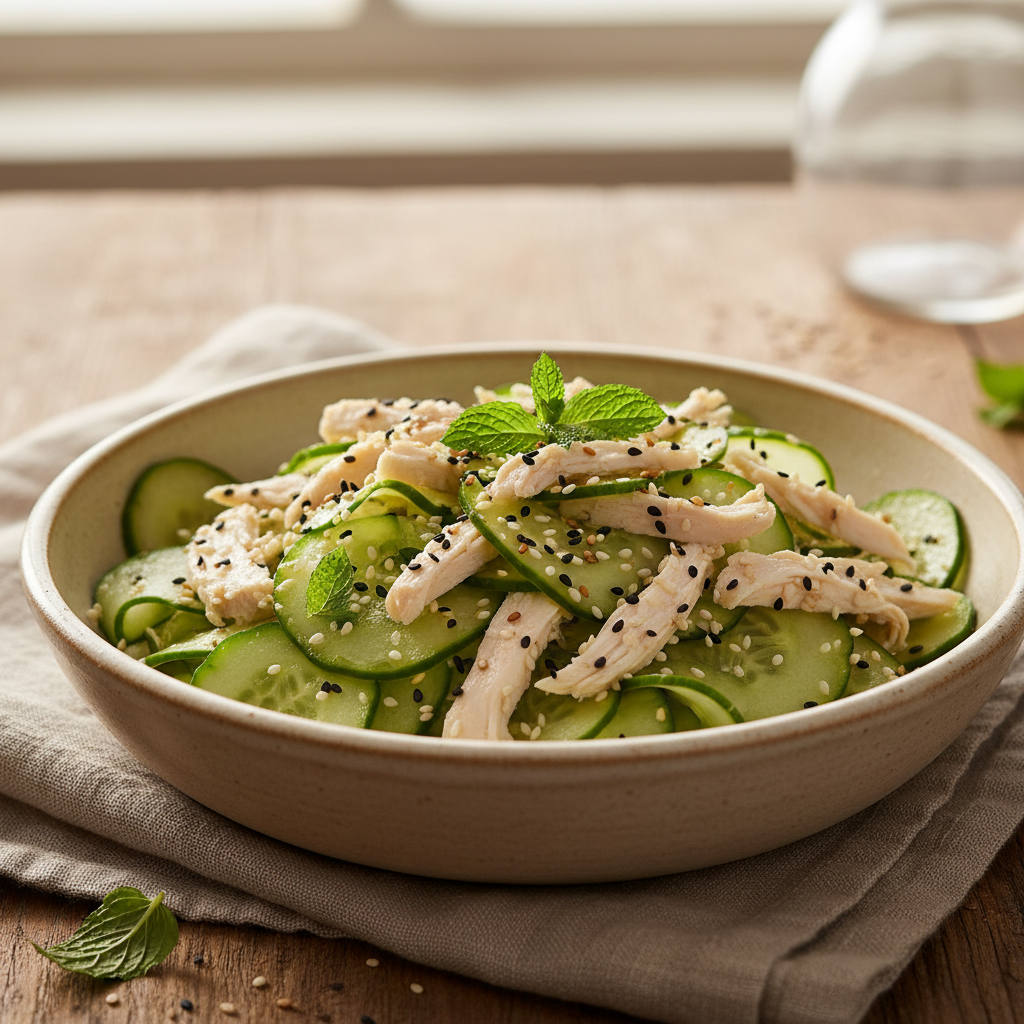
Poached Chicken & Cucumber Salad
Poaching the chicken at a bare, gentle simmer — never a hard boil — is what keeps it silky and moist instead of dry and stringy.
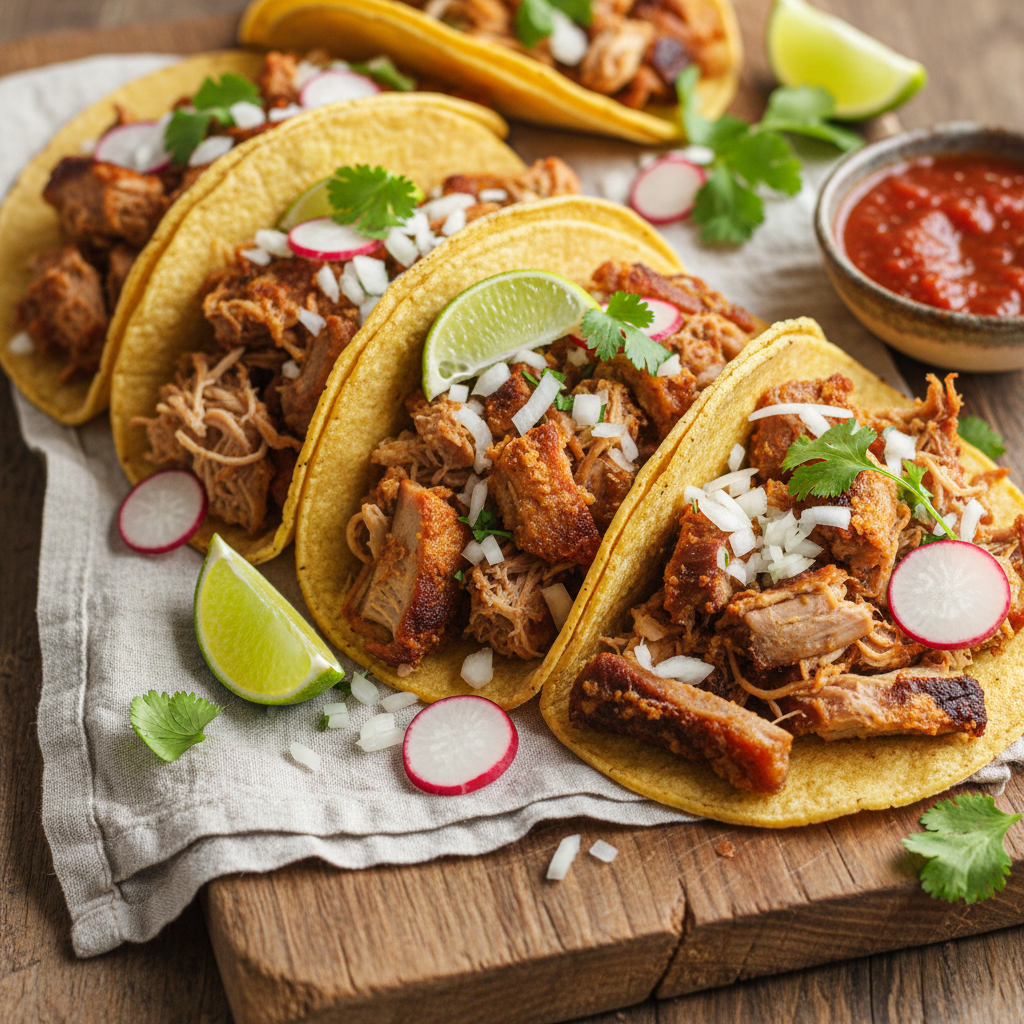
Pork Carnitas Tacos
Braising the pork low and slow in its own fat, then broiling it at the end, is what gives carnitas its signature two textures — tender inside, crisp and browned outside.
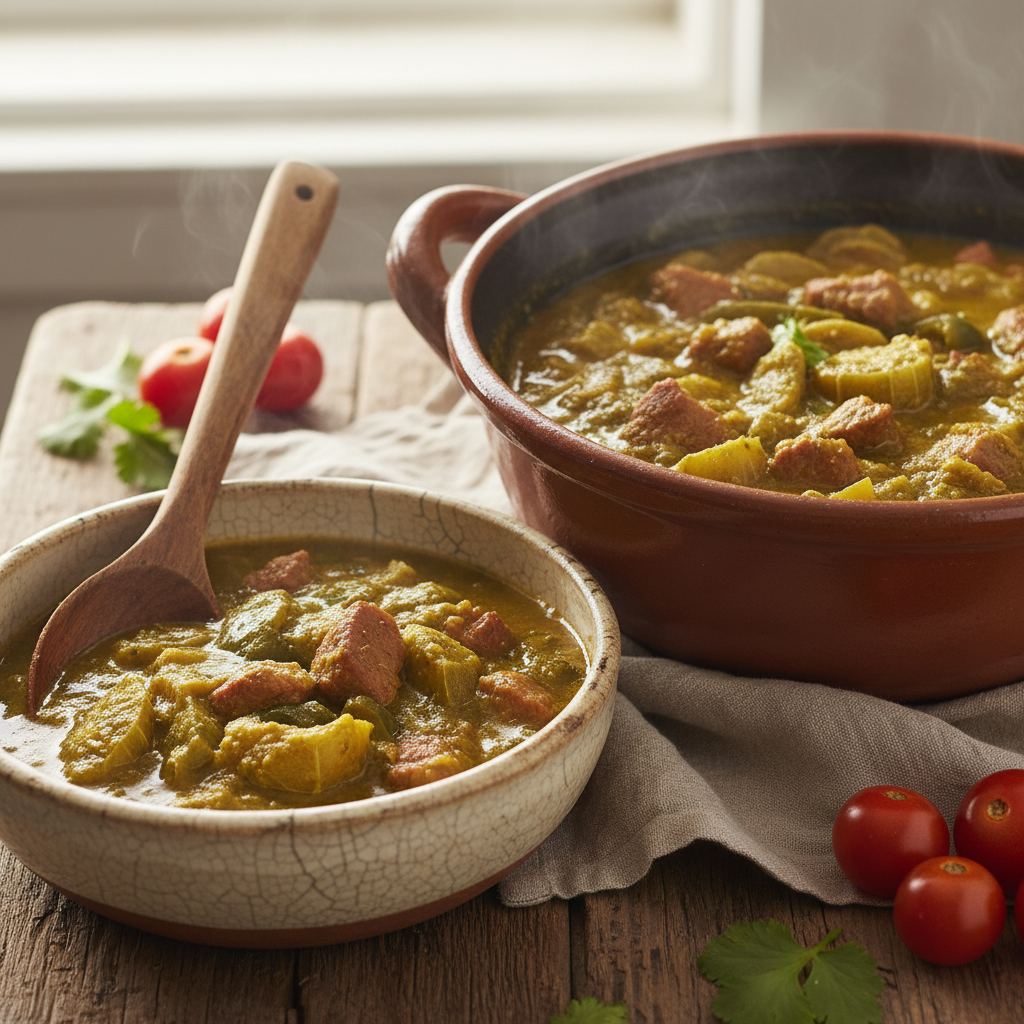
Pork Green Chili Stew (Chile Verde)
Charring the tomatillos and poblanos under the broiler before blending is what gives this stew its deep, smoky green sauce.
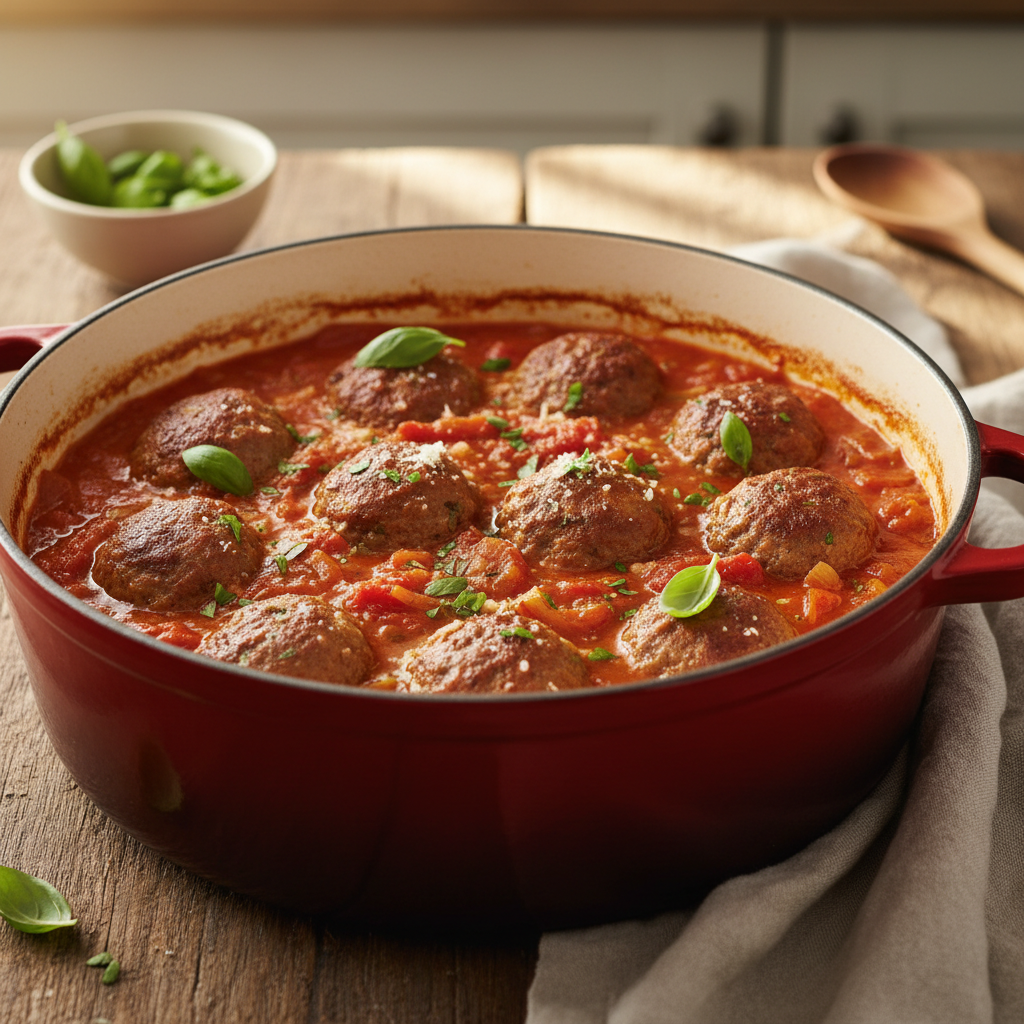
Pork Meatballs in Tomato-Fennel Sauce
Toasting the fennel seeds whole in the empty pot before the sauce goes in coaxes out an aroma that ground fennel straight from the jar just doesn't have.
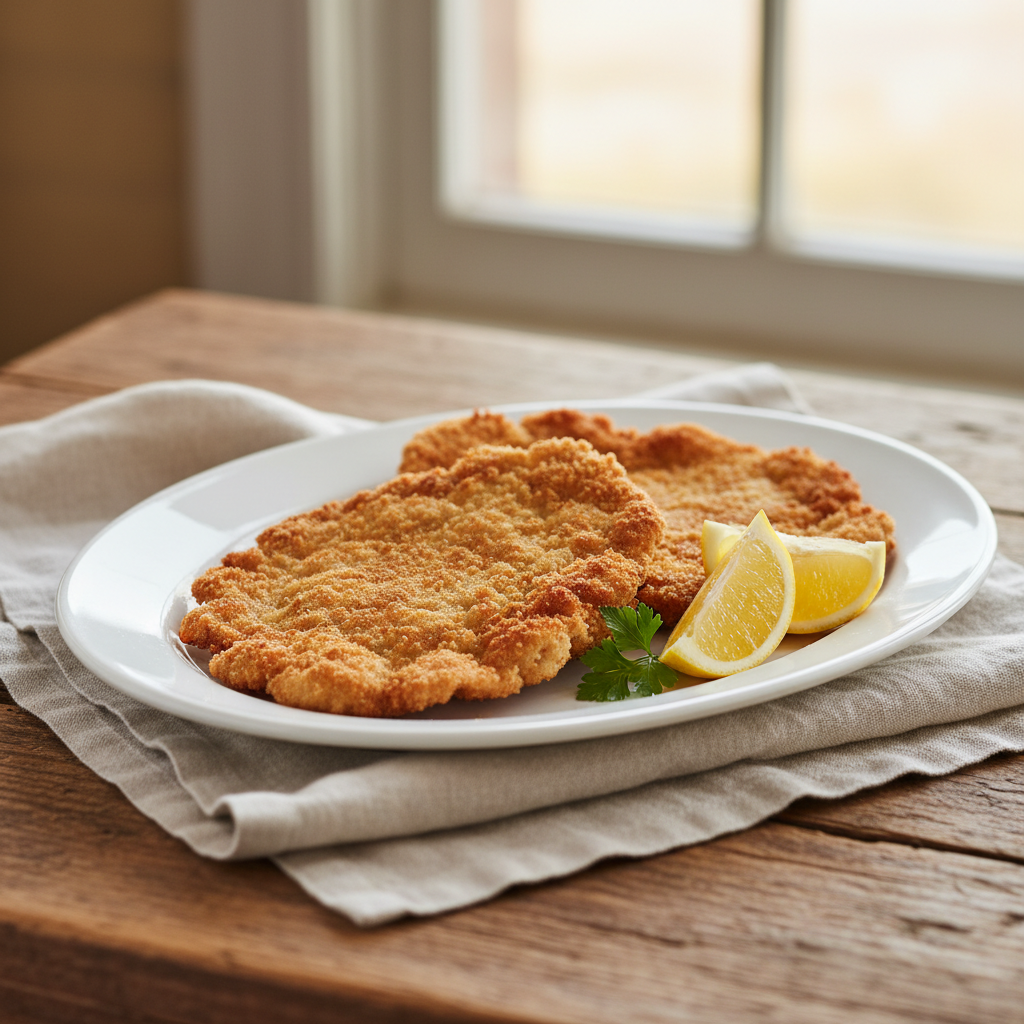
Pork Schnitzel (Gluten-Free)
Pounding the pork cutlets to an even, thin quarter-inch is what lets them cook through in just a couple of minutes without the coating burning.
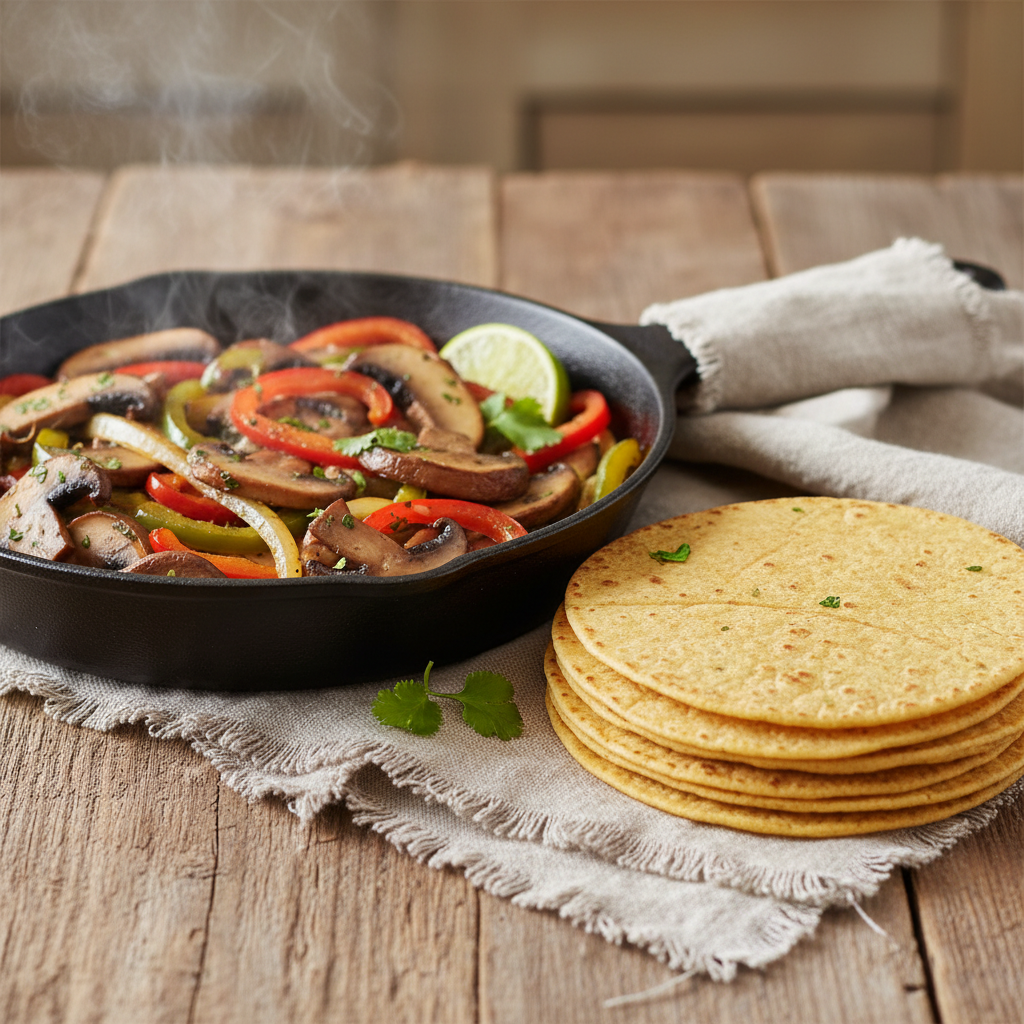
Portobello Fajitas
Slicing the mushrooms thick, not thin, keeps them meaty and substantial after cooking — thin slices shrink down to almost nothing in a hot pan.
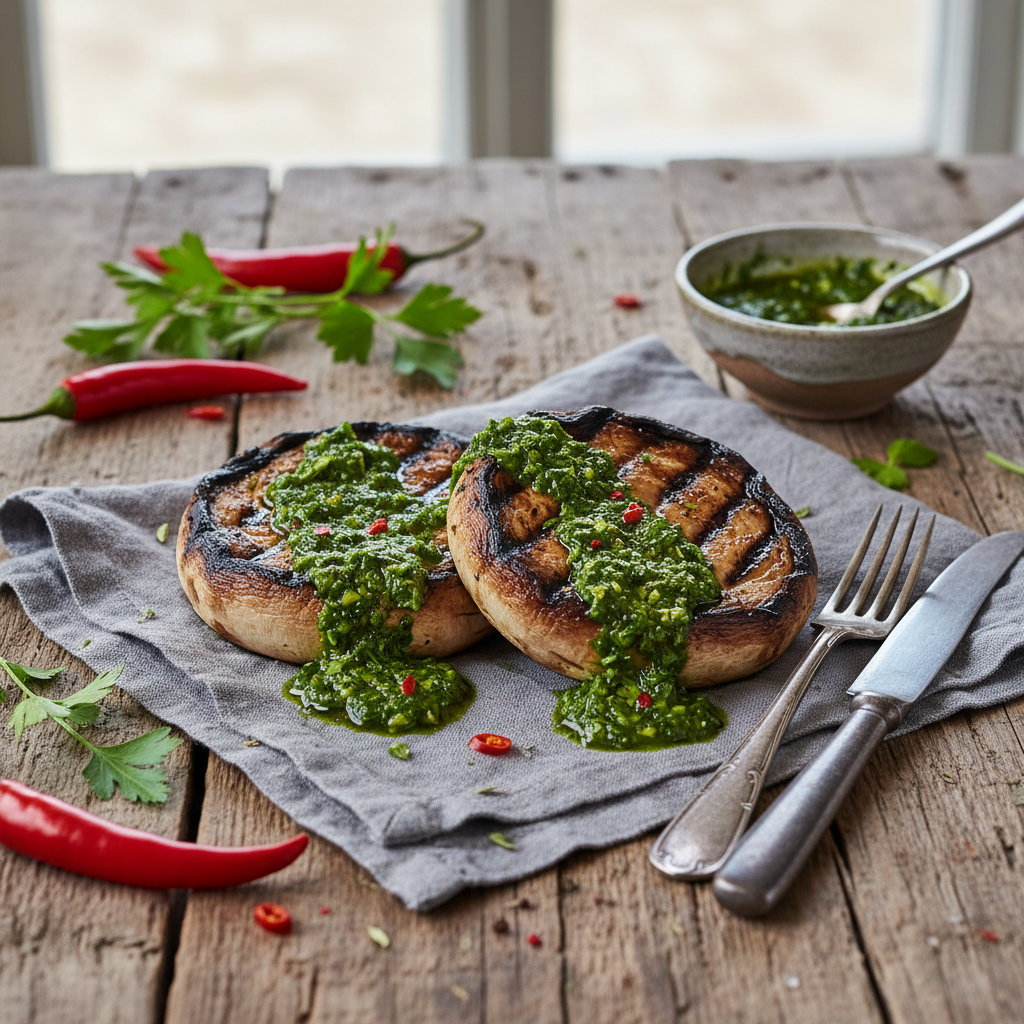
Portobello Mushroom Steaks with Chimichurri
Scraping out the dark gills underneath the mushroom cap before marinating is what keeps the marinade and finished dish from turning muddy and gray.
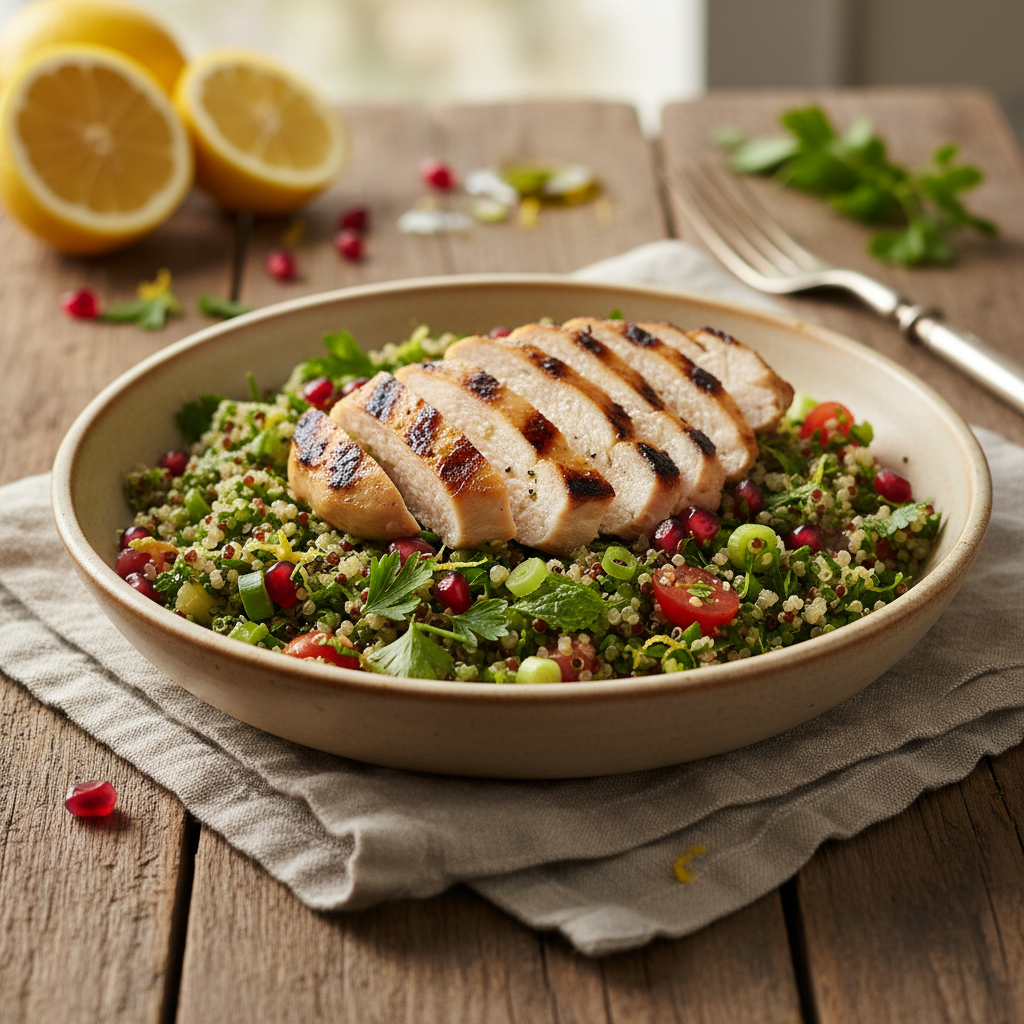
Quinoa Tabbouleh with Grilled Chicken
Fluffing the cooked quinoa with a fork and letting it cool completely before mixing in the herbs keeps it light instead of clumping into a dense, gummy mass.
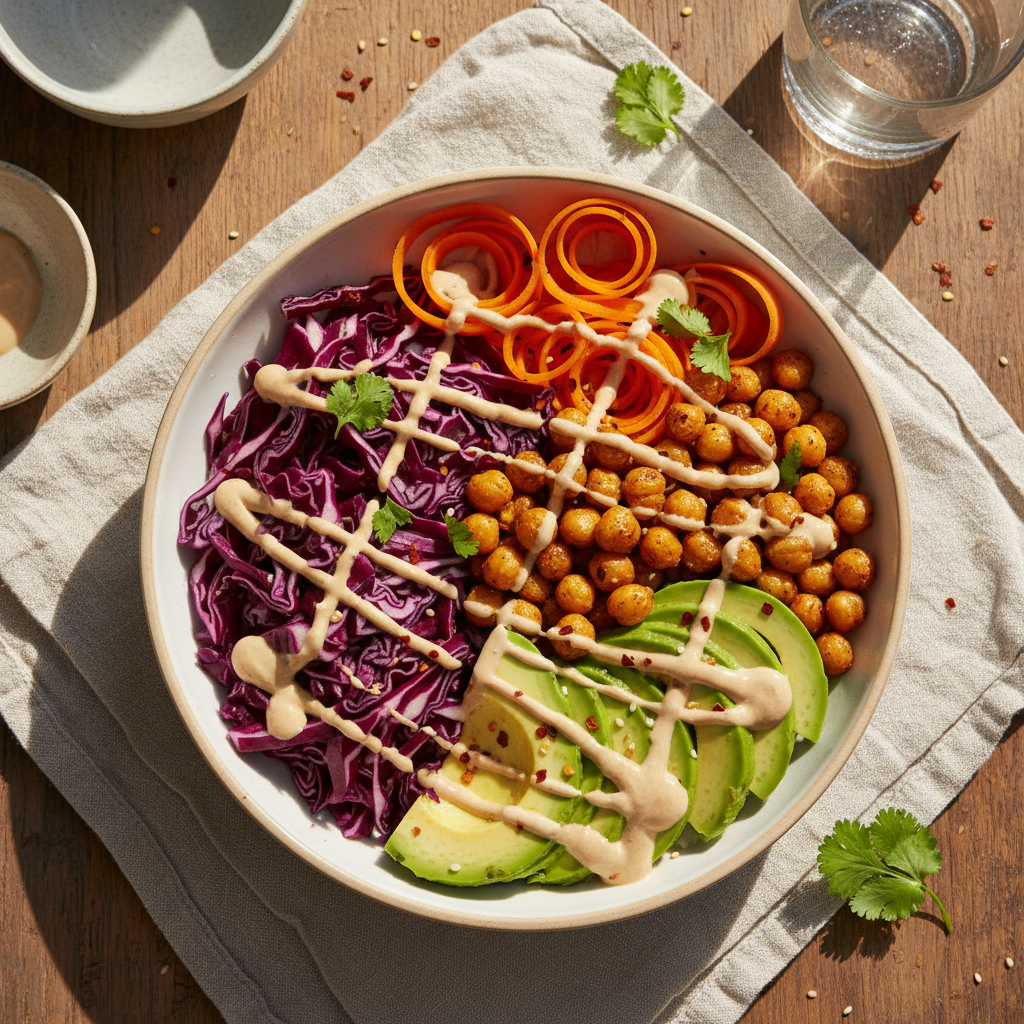
Rainbow Buddha Bowl with Tahini Dressing
A colorful plant-based bowl that keeps you full.
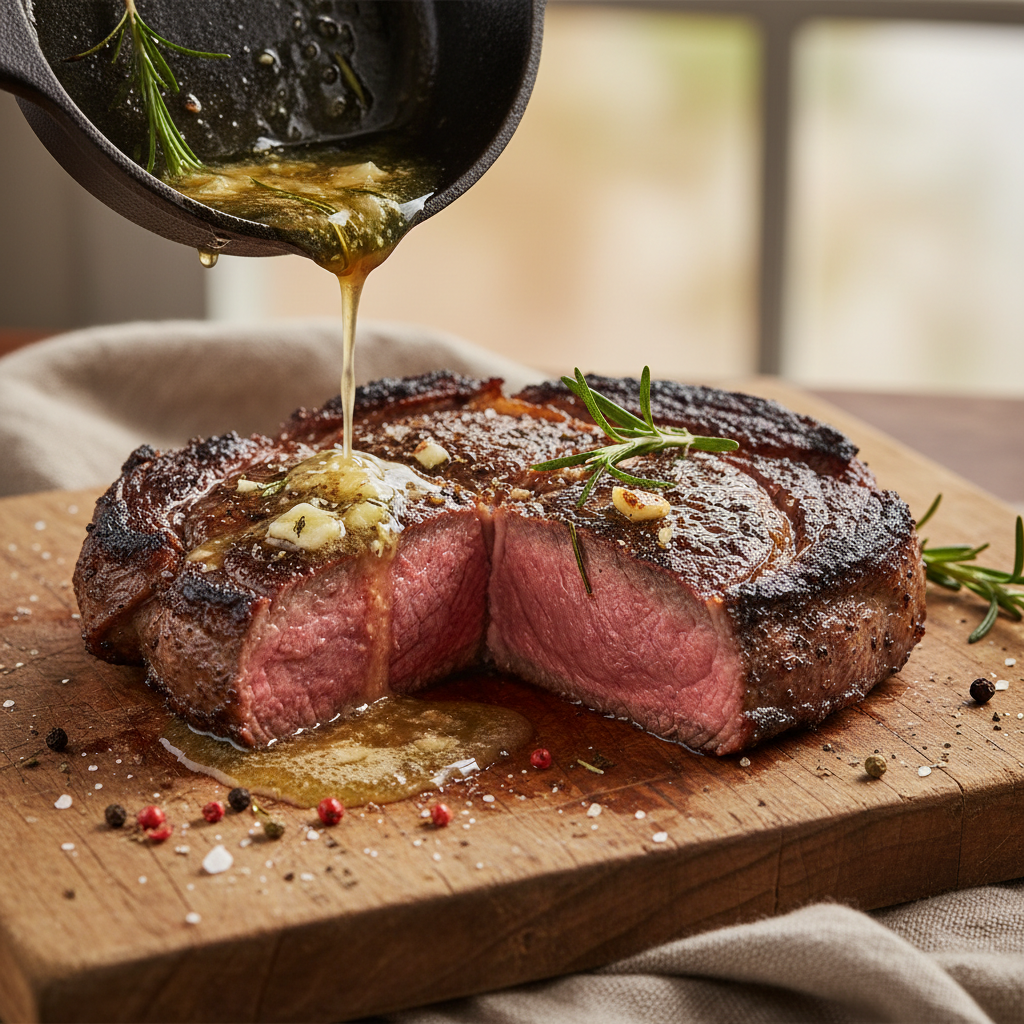
Reverse-Seared Ribeye Steak
Cooking the steak low and slow in the oven first, then finishing with a hard sear, gets it evenly pink edge to edge instead of a gray band under a charred crust.
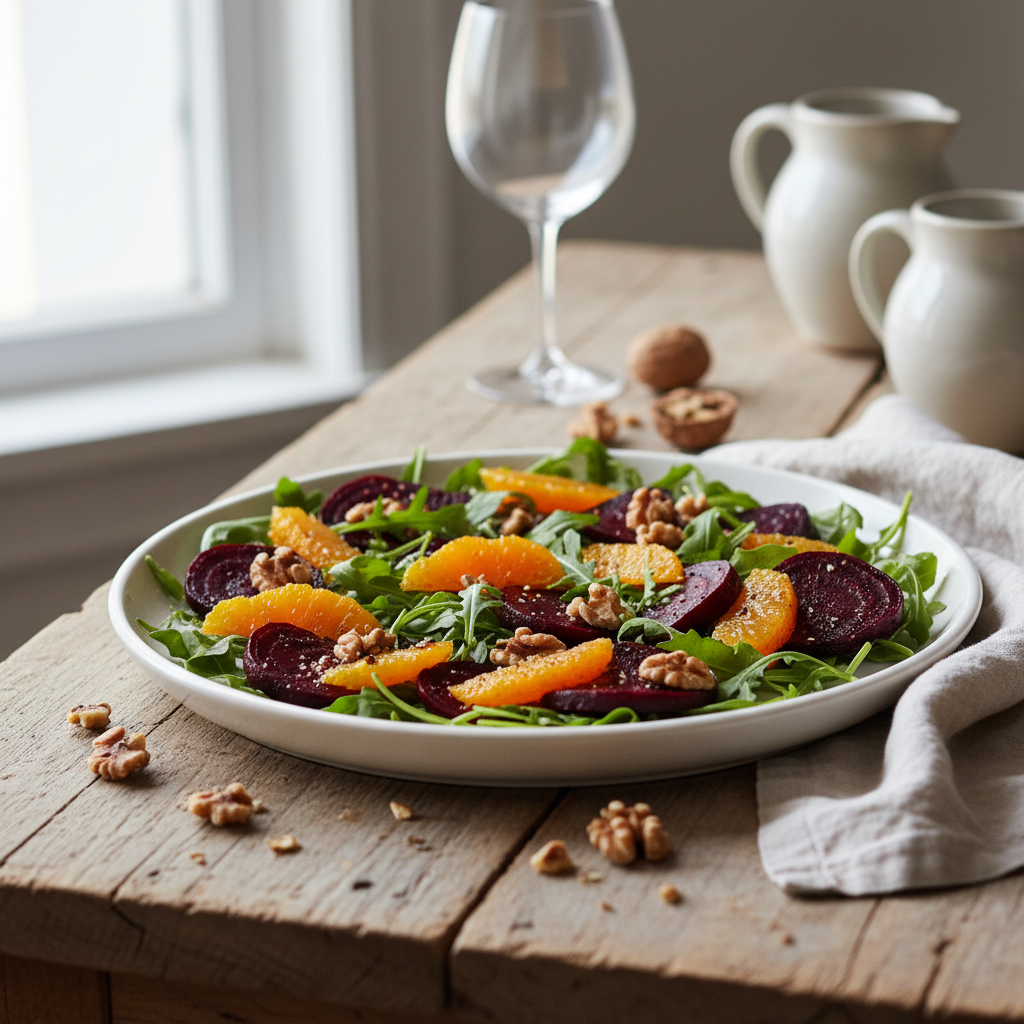
Roasted Beet & Citrus Salad
Cutting the orange into true segments, free of pith and membrane, keeps the salad from turning bitter the way a rough-chopped orange would.
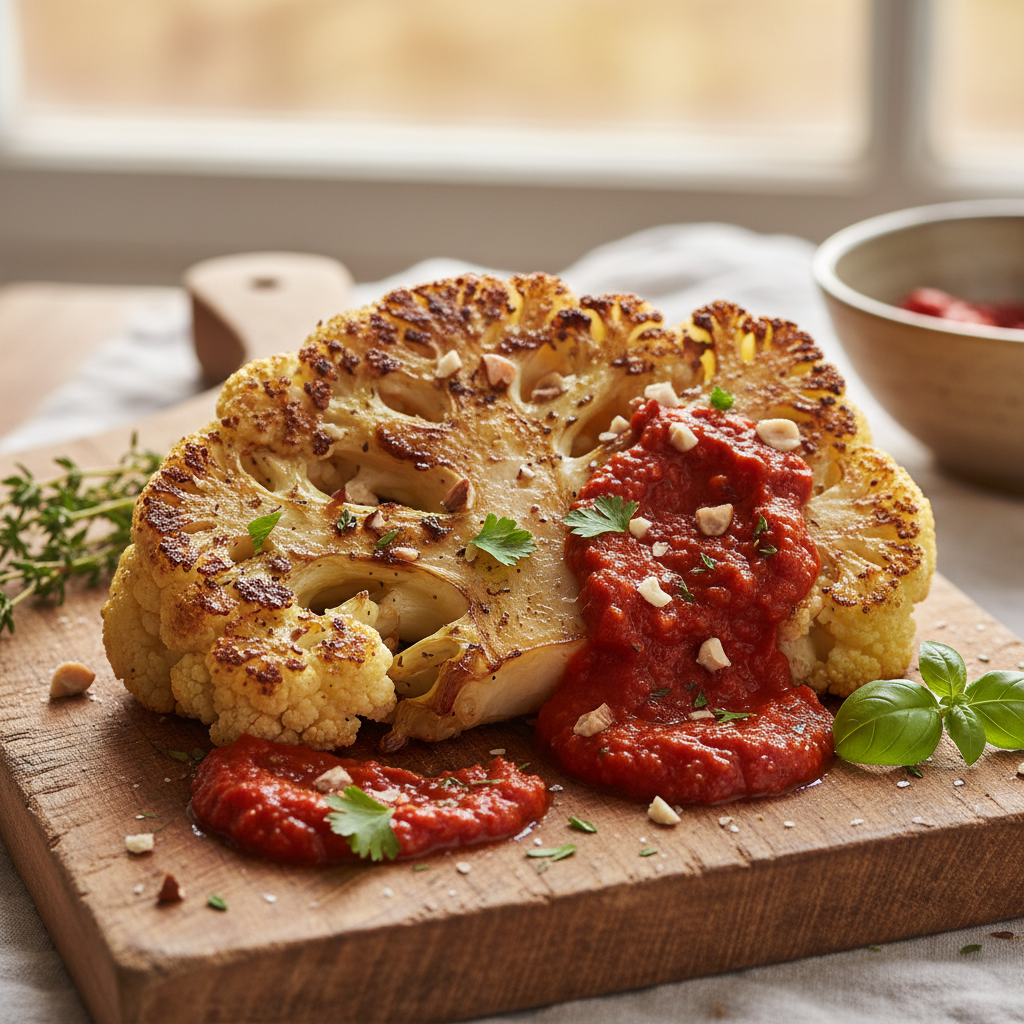
Roasted Cauliflower Steaks with Romesco
Cutting through the cauliflower's core, not around it, is what keeps thick slices intact as steaks instead of the florets crumbling apart into the pan.
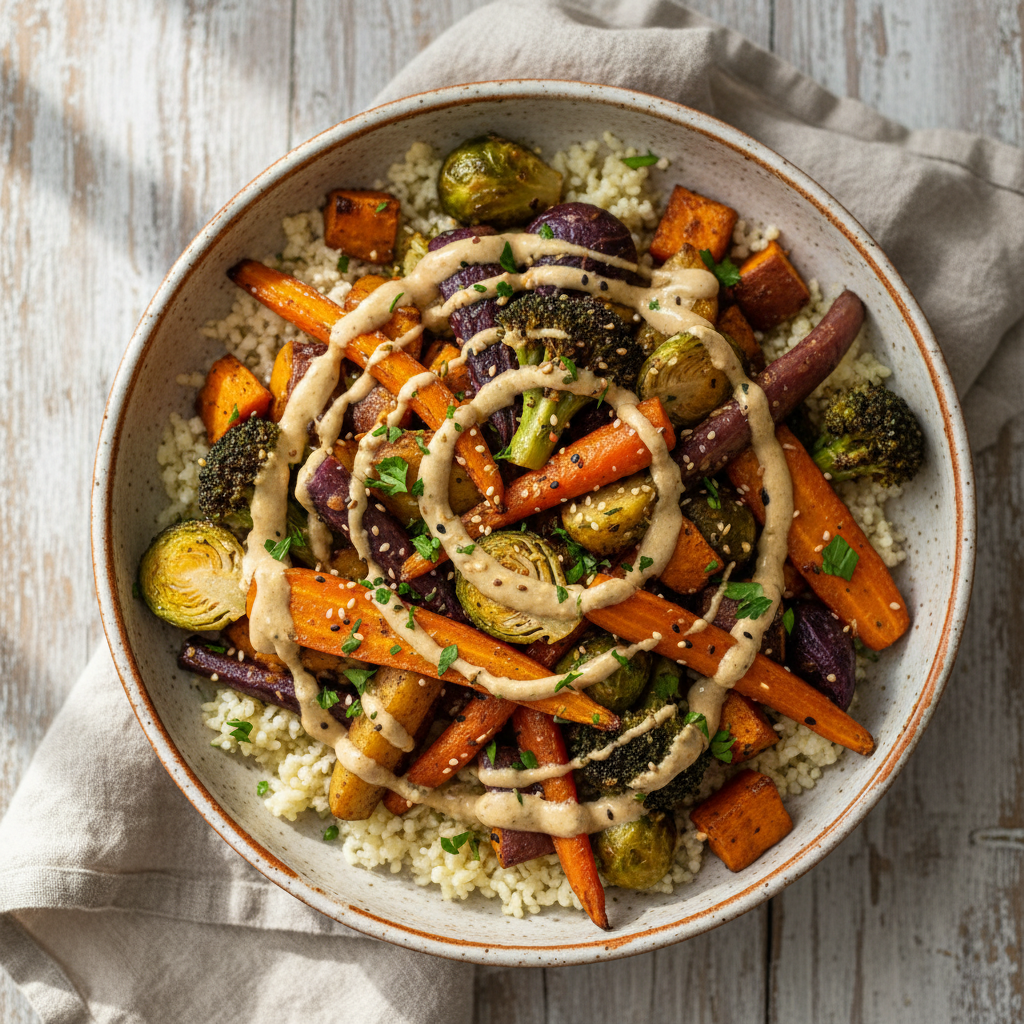
Roasted Vegetable Grain Bowl with Cauliflower Rice
Roasting each vegetable on its own section of the pan, sorted by cook time, keeps the quick-cooking ones from turning mushy before the slow ones finish.
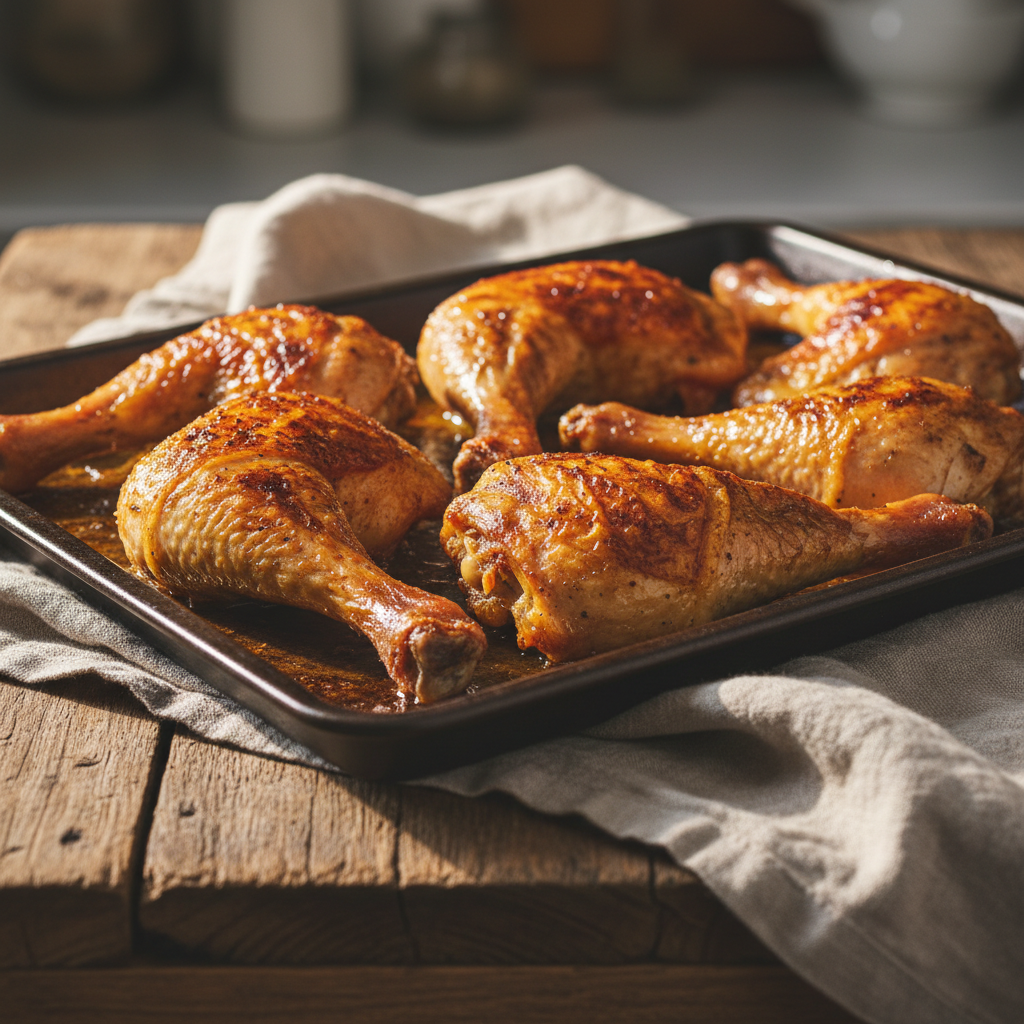
Rotisserie-Style Roast Chicken Legs
Dry brining the chicken legs — salting them uncovered in the fridge overnight — draws out moisture that then reabsorbs seasoned, giving deeper flavor than a wet brine or no brine at all.
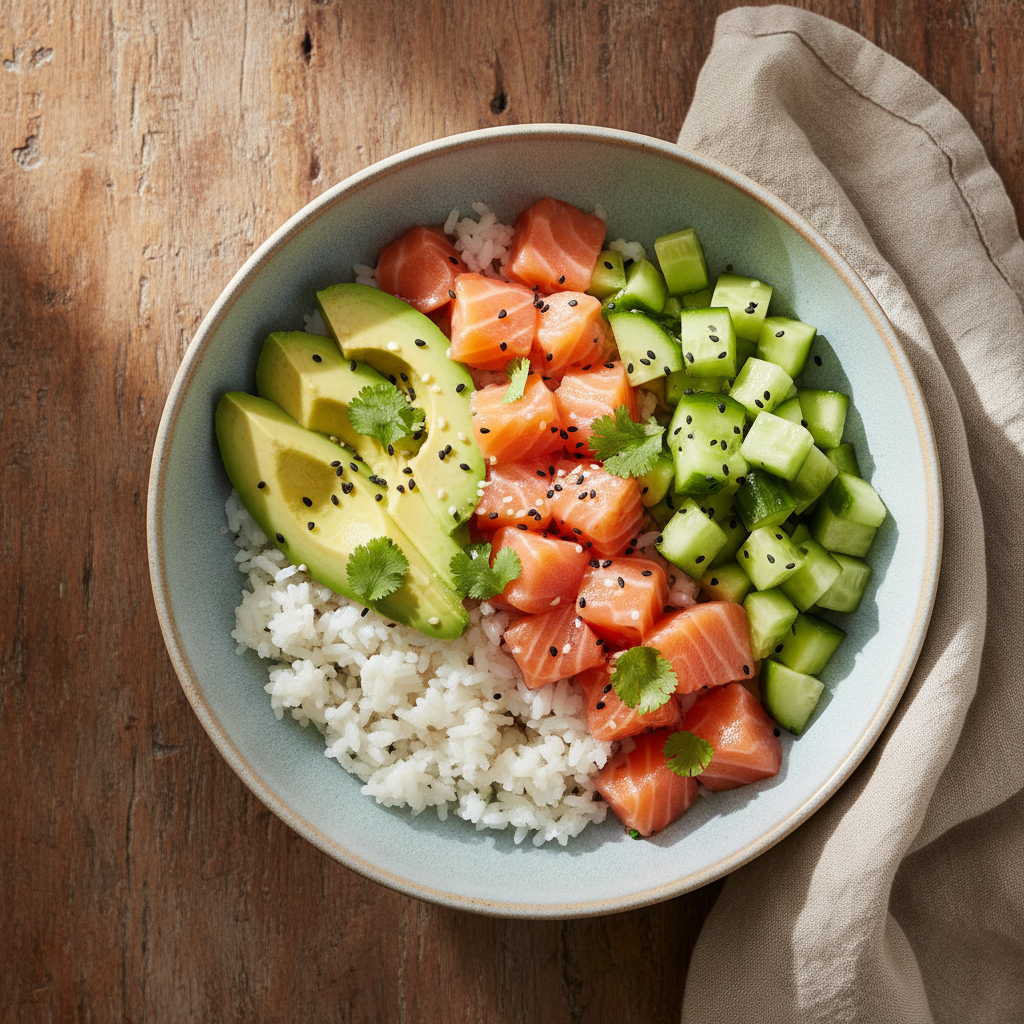
Salmon Poke Bowl
Cutting the raw salmon into small, uniform cubes, rather than large chunks, is what lets the marinade actually reach and flavor every piece.
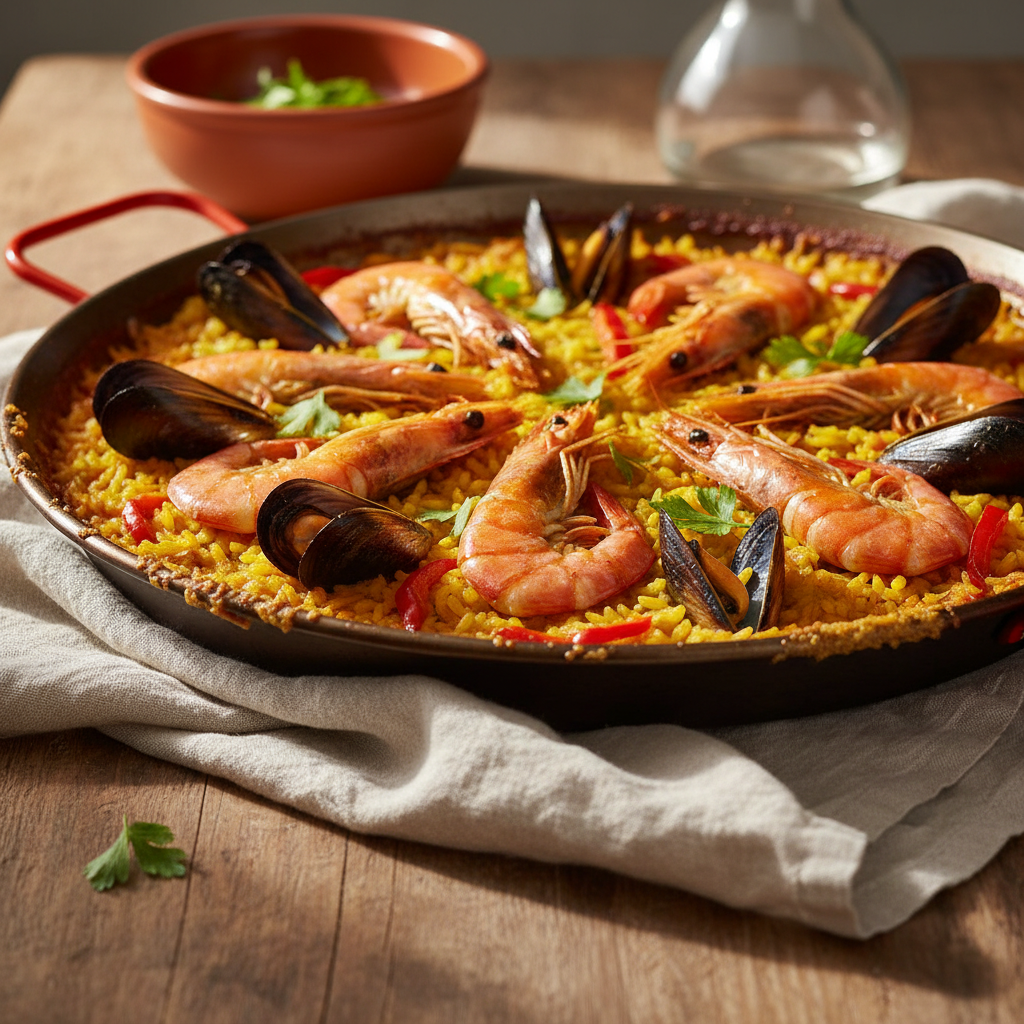
Seafood Paella
Resisting the urge to stir the rice once the broth is added is what lets the socarrat — the prized crispy, caramelized layer at the bottom — actually form.
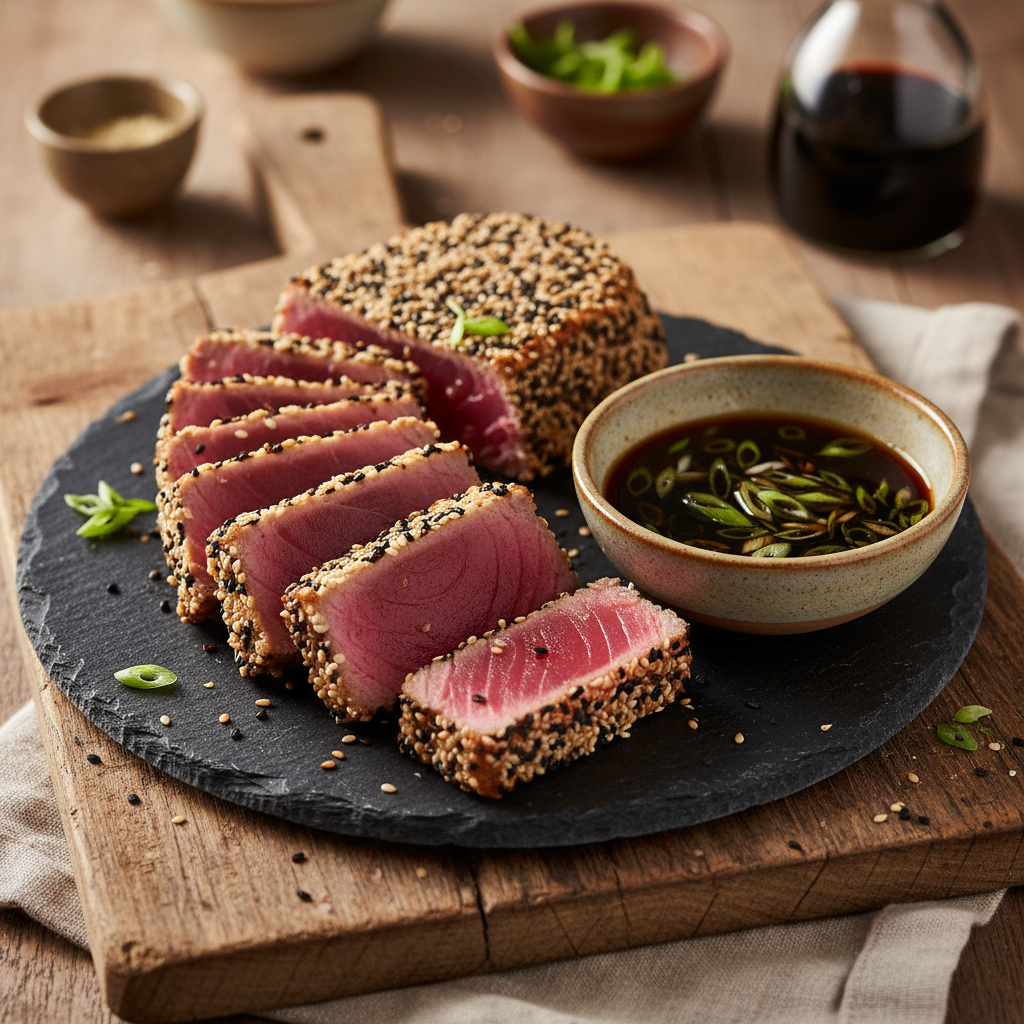
Seared Ahi Tuna with Sesame Crust
Searing the tuna for just 60-90 seconds per side over very high heat keeps the center raw and cool — any longer and it cooks through like a regular steak instead of staying rare.
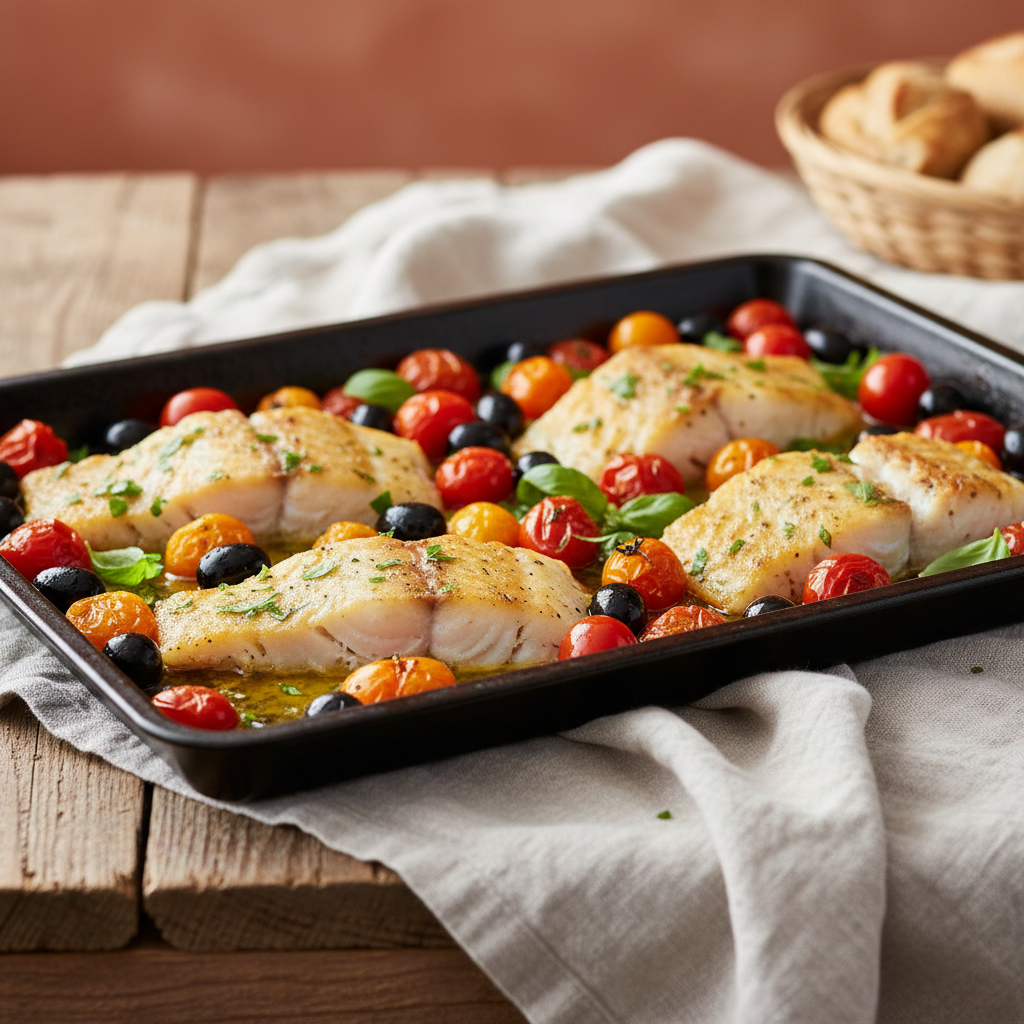
Sheet-Pan Cod with Cherry Tomatoes & Olives
Roasting the tomatoes alongside the fish, rather than as a separate sauce, lets them burst and release their juices right where the fish can soak them up.
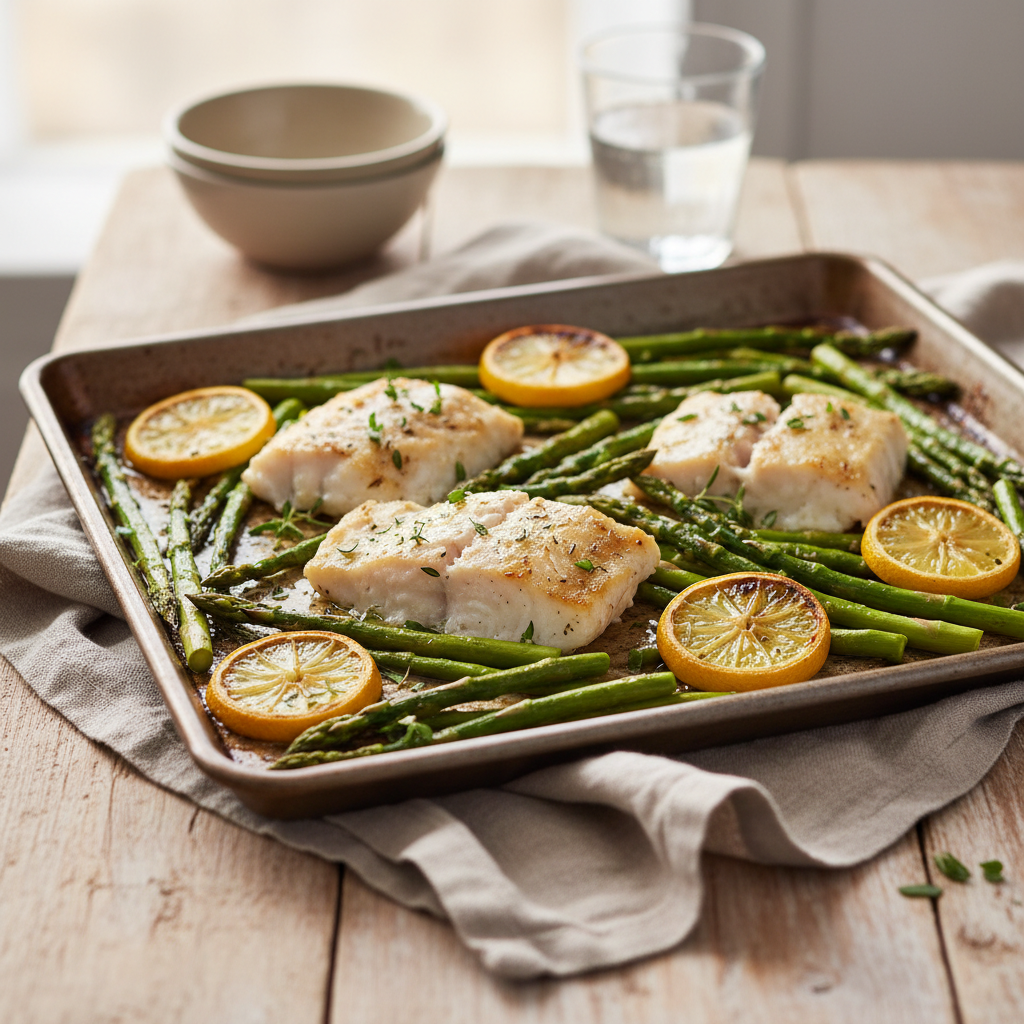
Sheet-Pan Fish & Asparagus with Lemon
Roasting the asparagus on its own for a few minutes first keeps it from overcooking by the time the delicate fish is done.
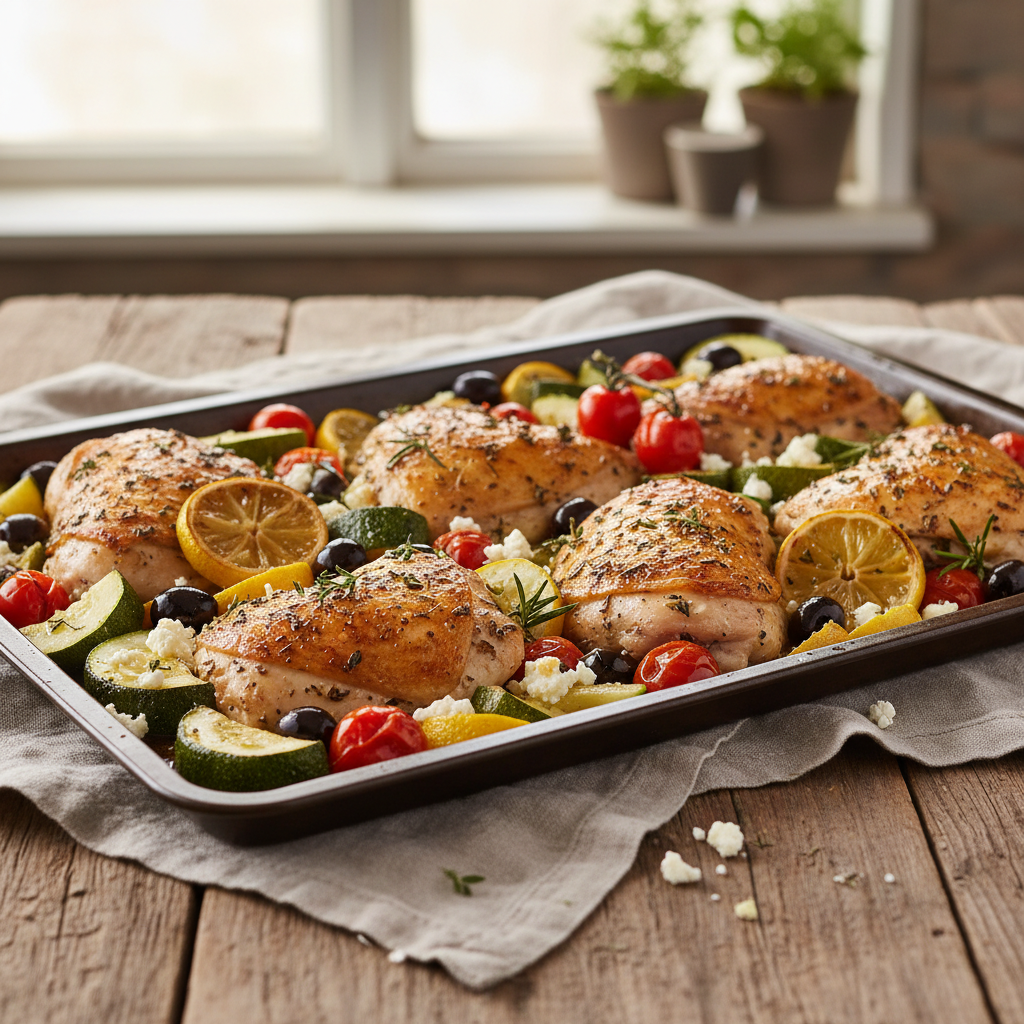
Sheet-Pan Greek Chicken with Vegetables
Marinating the chicken for even just 30 minutes before roasting lets the lemon and oregano actually penetrate, instead of just sitting on the surface.
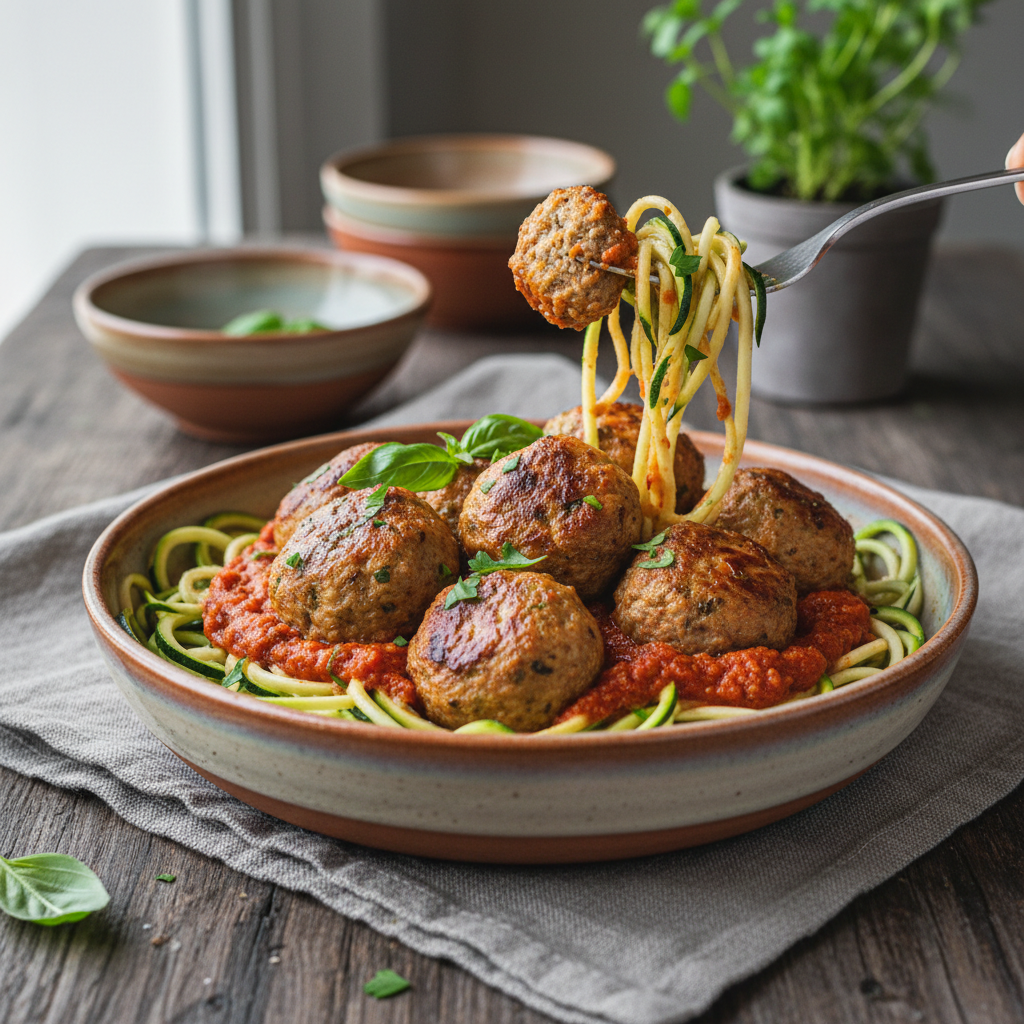
Sheet-Pan Meatballs with Marinara & Zucchini Noodles
Baking the meatballs on a rack, not directly on the pan, lets the fat drip away instead of the meatballs sitting and frying in it.
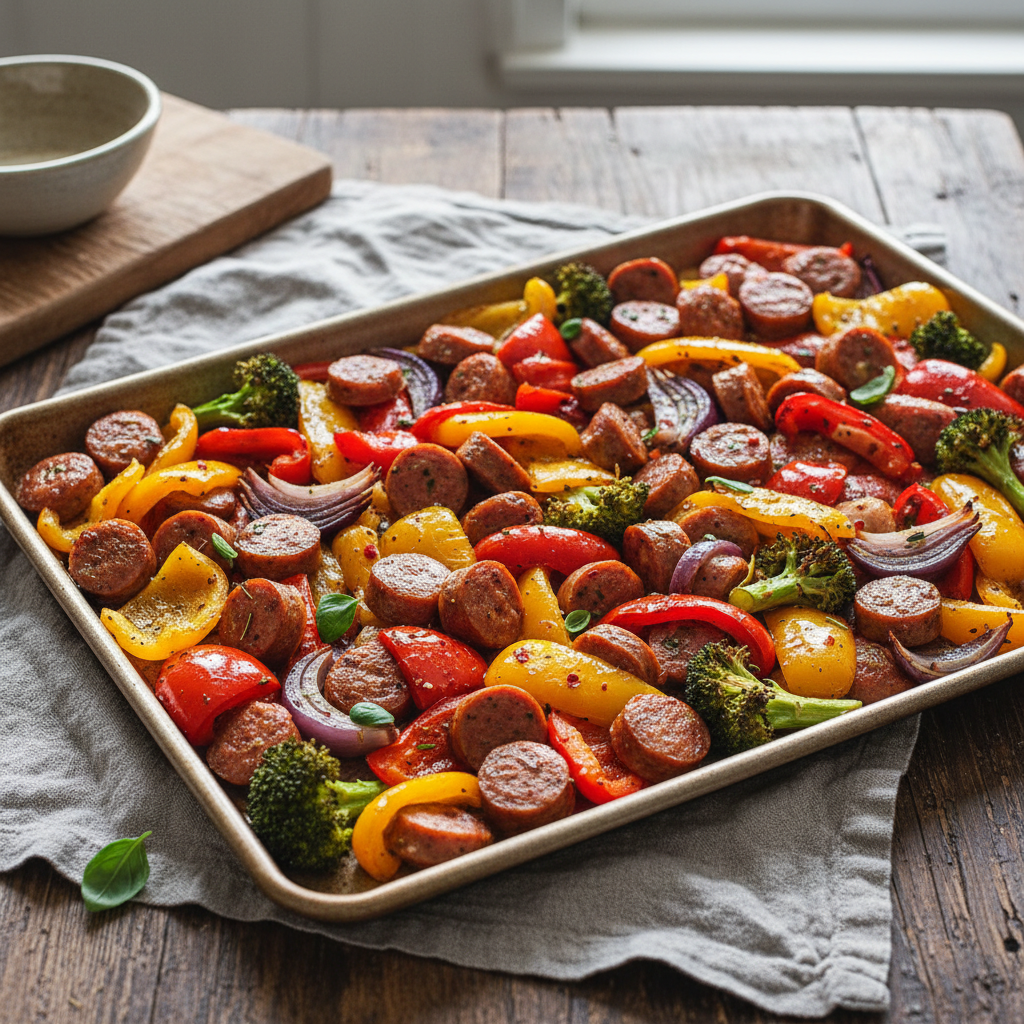
Sheet-Pan Sausage & Rainbow Veggies
Colorful, simple, and ready in half an hour.
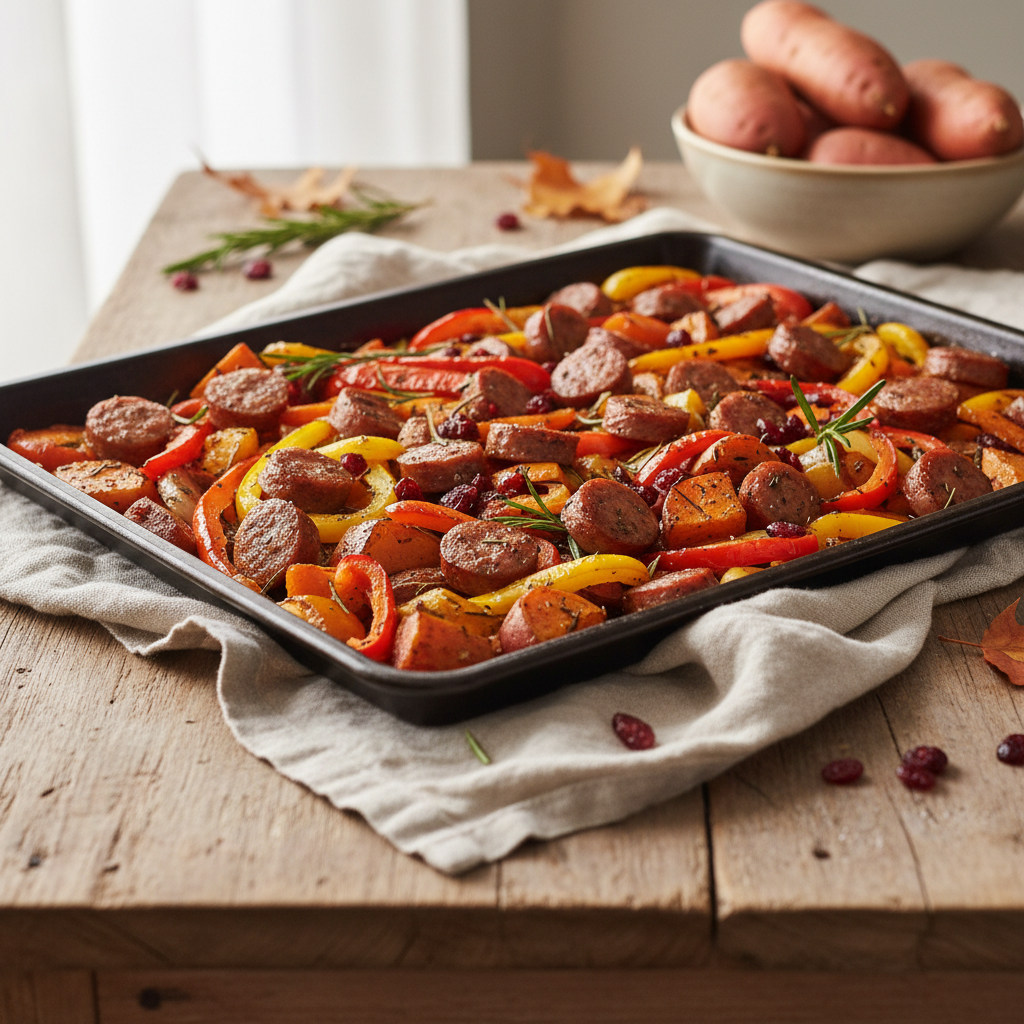
Sheet-Pan Sausage, Peppers & Sweet Potatoes
Giving the sweet potatoes a five-minute head start in the oven keeps them from being underdone while the sausage and peppers are already finished.
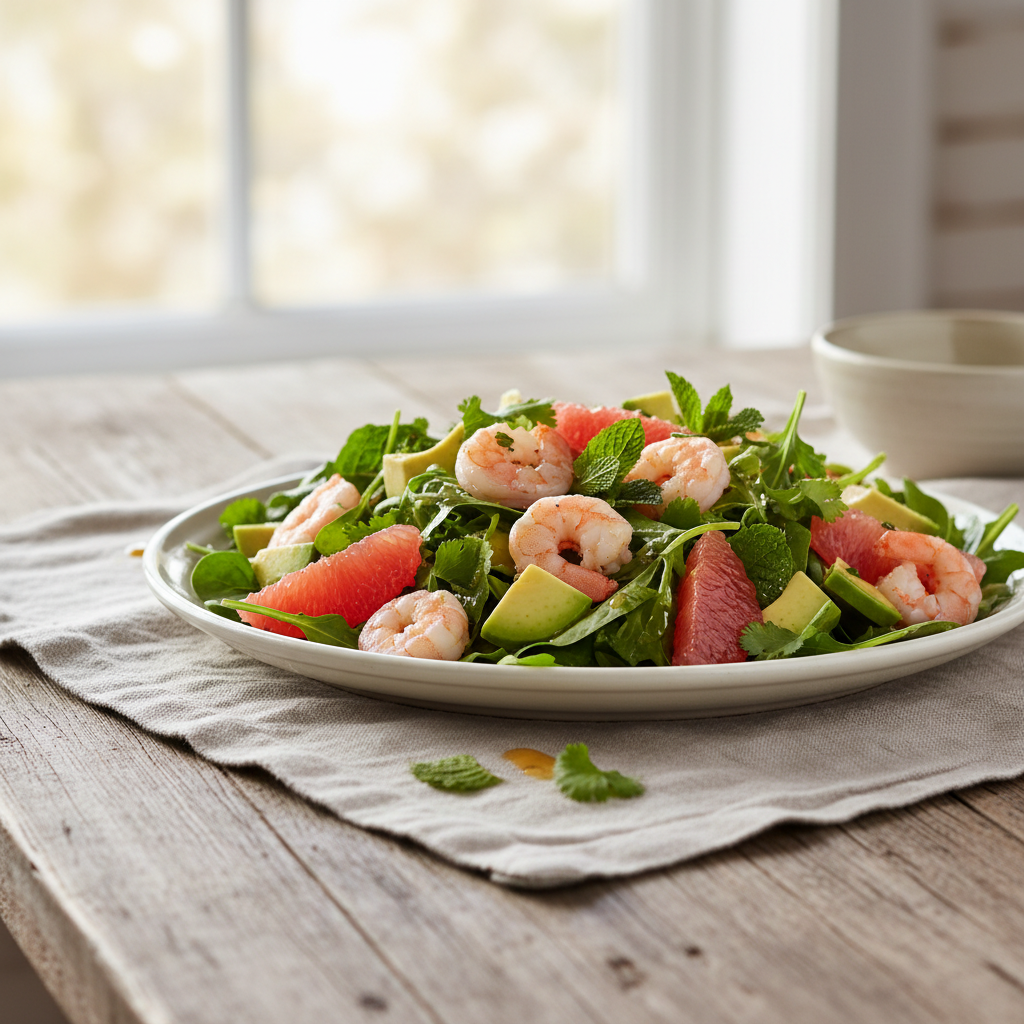
Shrimp & Avocado Citrus Salad
Tossing the diced avocado with lime juice the moment it's cut is what keeps it from browning before the salad is served.
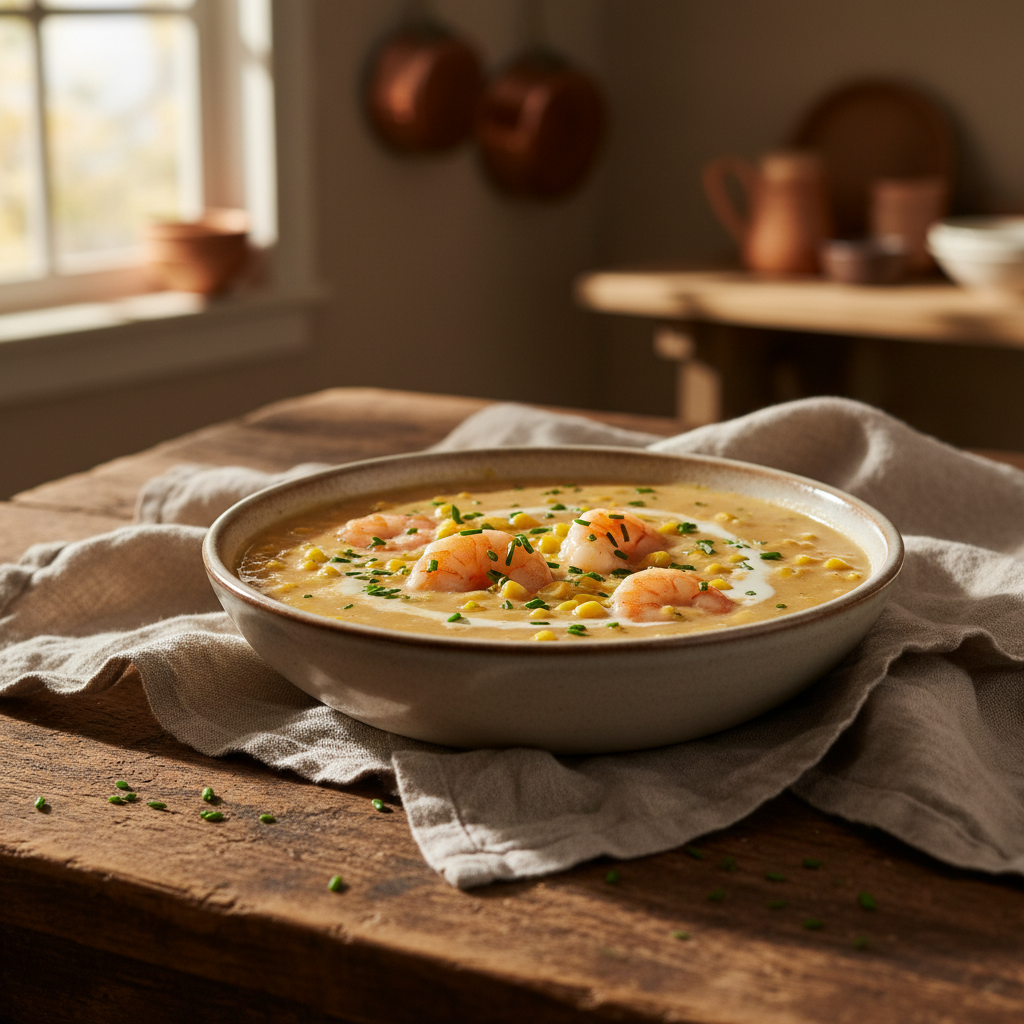
Shrimp & Corn Chowder (Dairy-Free)
Simmering the scraped corn cobs in the broth before removing them pulls out extra corn flavor that just using the kernels alone misses.
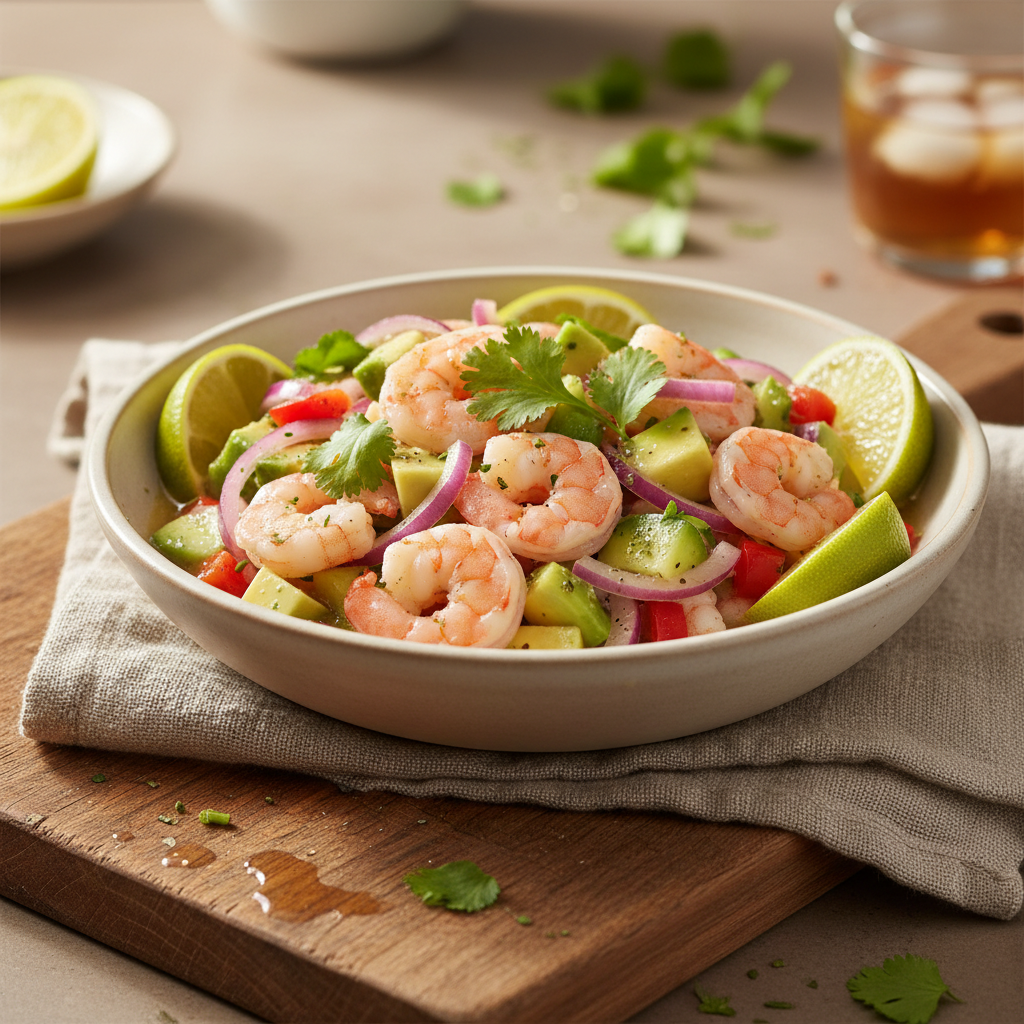
Shrimp Ceviche
Dicing the shrimp uniformly small and letting it sit in citrus juice until fully opaque is what 'cooks' it through acid instead of heat — uneven pieces cook unevenly.
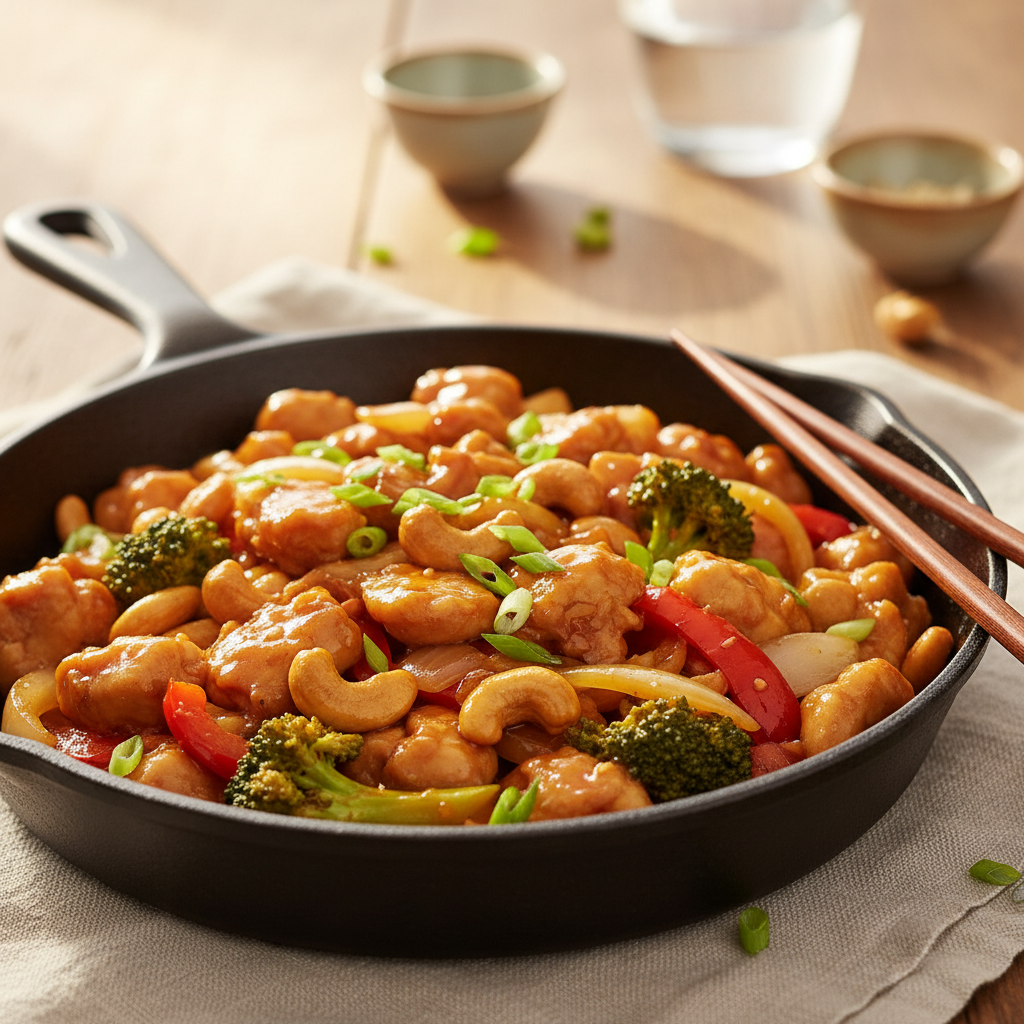
Skillet Cashew Chicken with Tamari Glaze
Takeout flavor, made safe at home.
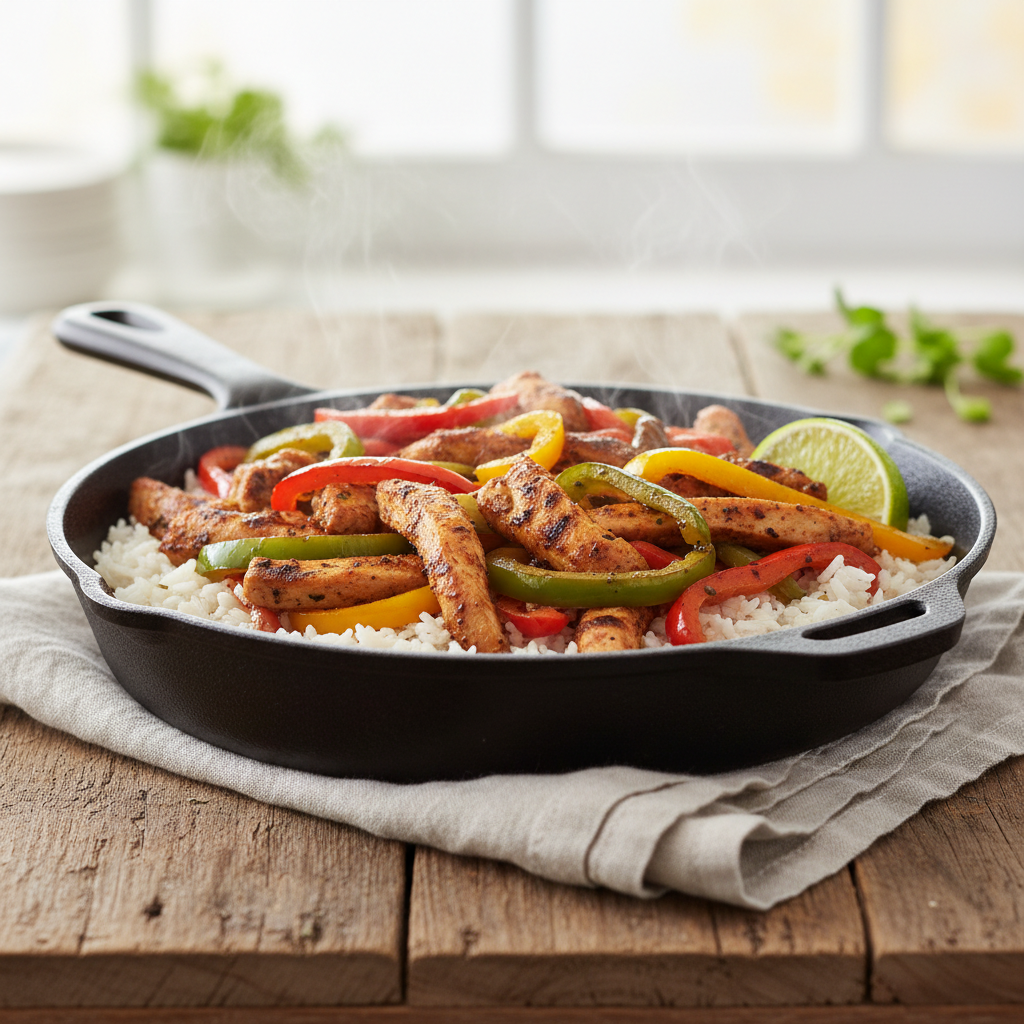
Skillet Chicken Fajita Bowl
Searing the chicken in a hot, mostly-dry pan first — before the vegetables go in — is what gives it a real char instead of steaming it.
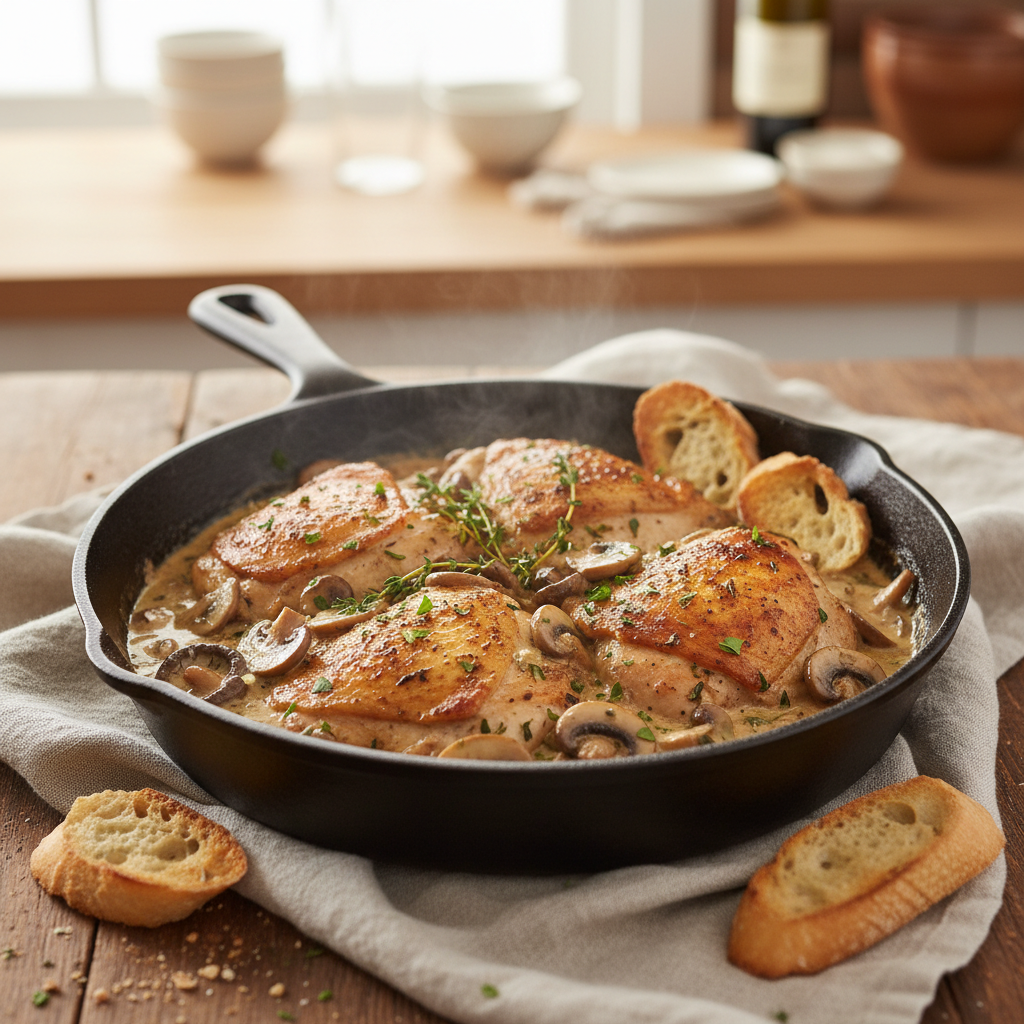
Skillet Chicken Thighs with Mushroom Sauce
Deglazing the pan with broth after searing the chicken pulls up all the browned bits stuck to the bottom — that's where most of the flavor is.
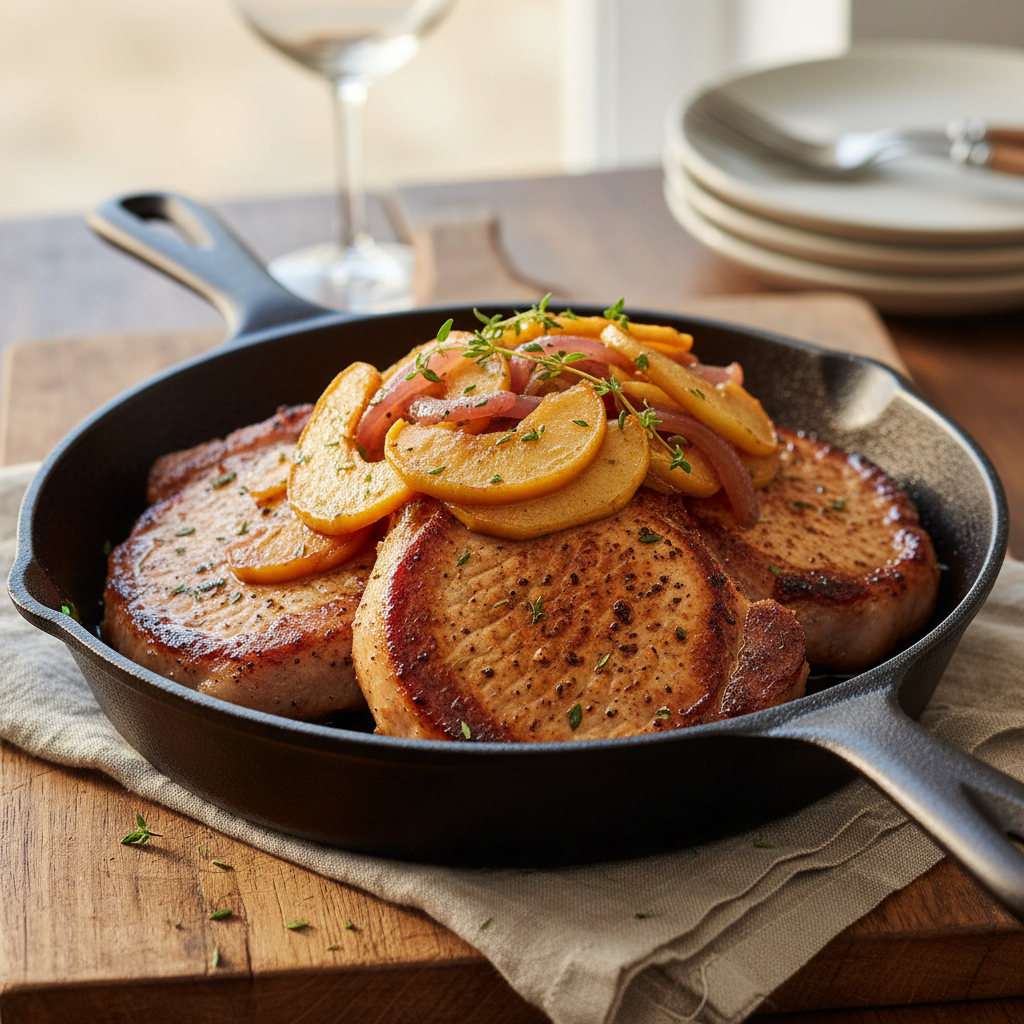
Skillet Pork Chops with Apples & Onions
Letting the pork chops rest at room temperature for 15 minutes before cooking helps them cook more evenly instead of staying cold in the center.
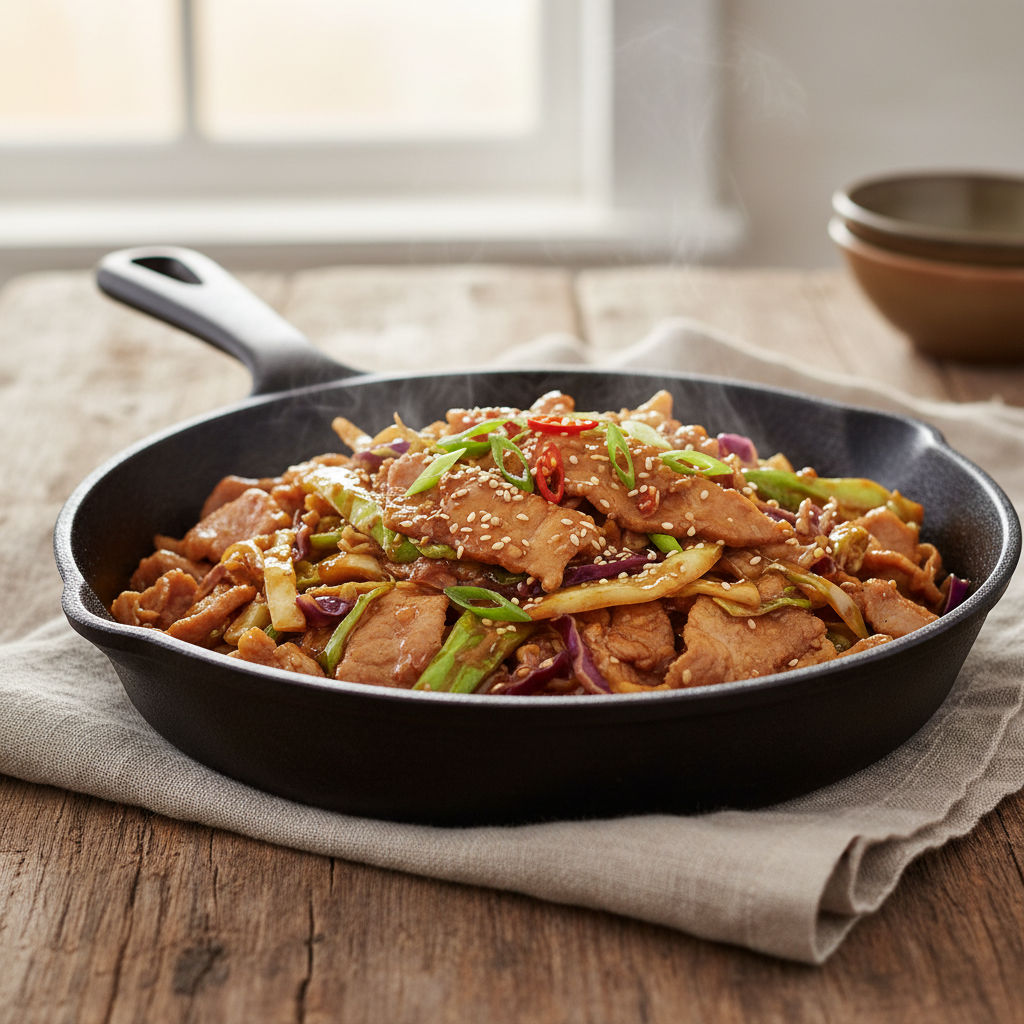
Skillet Pork Stir-Fry with Cabbage
Shredding the cabbage thin and adding it last, off the heat almost, keeps it crisp instead of turning it into a soggy pile.
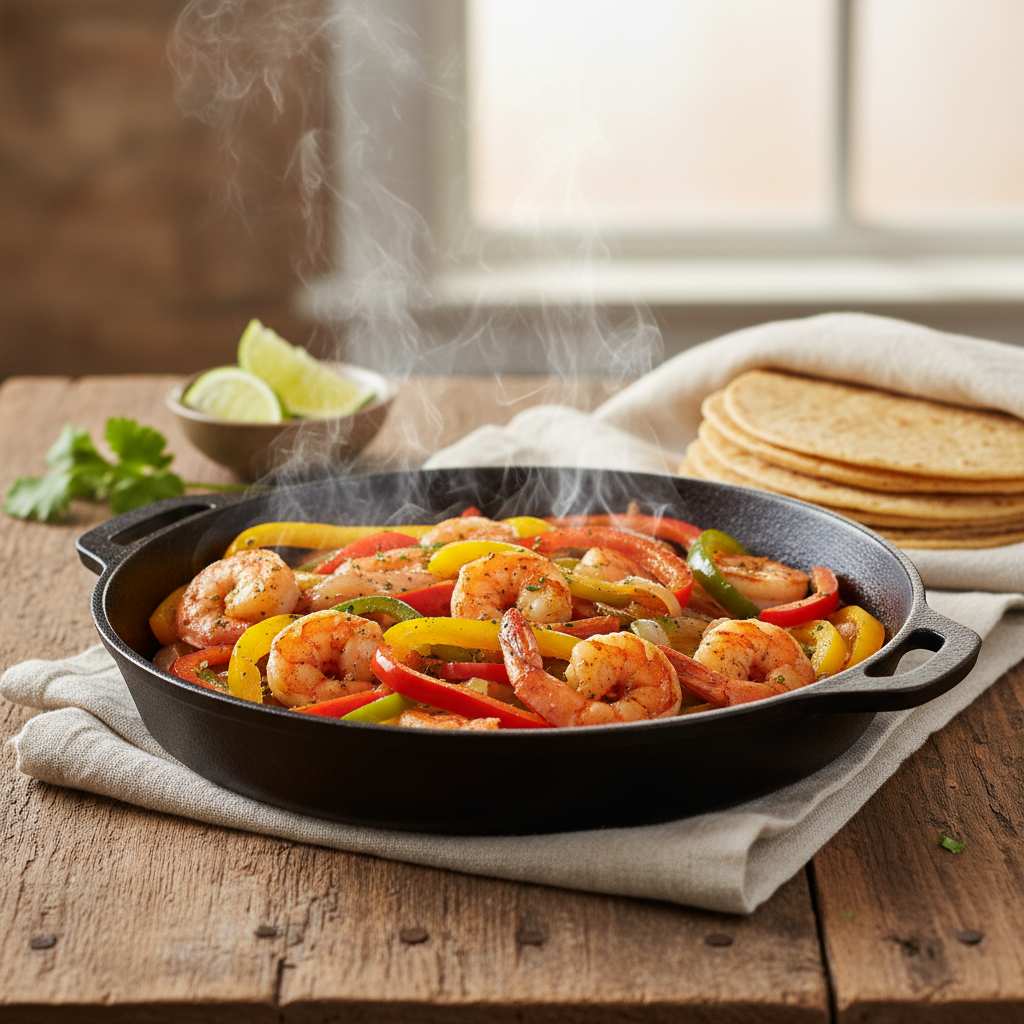
Skillet Shrimp Fajitas
Shrimp cook in just a few minutes, so they go in last — added too early, they turn rubbery by the time everything else is done.
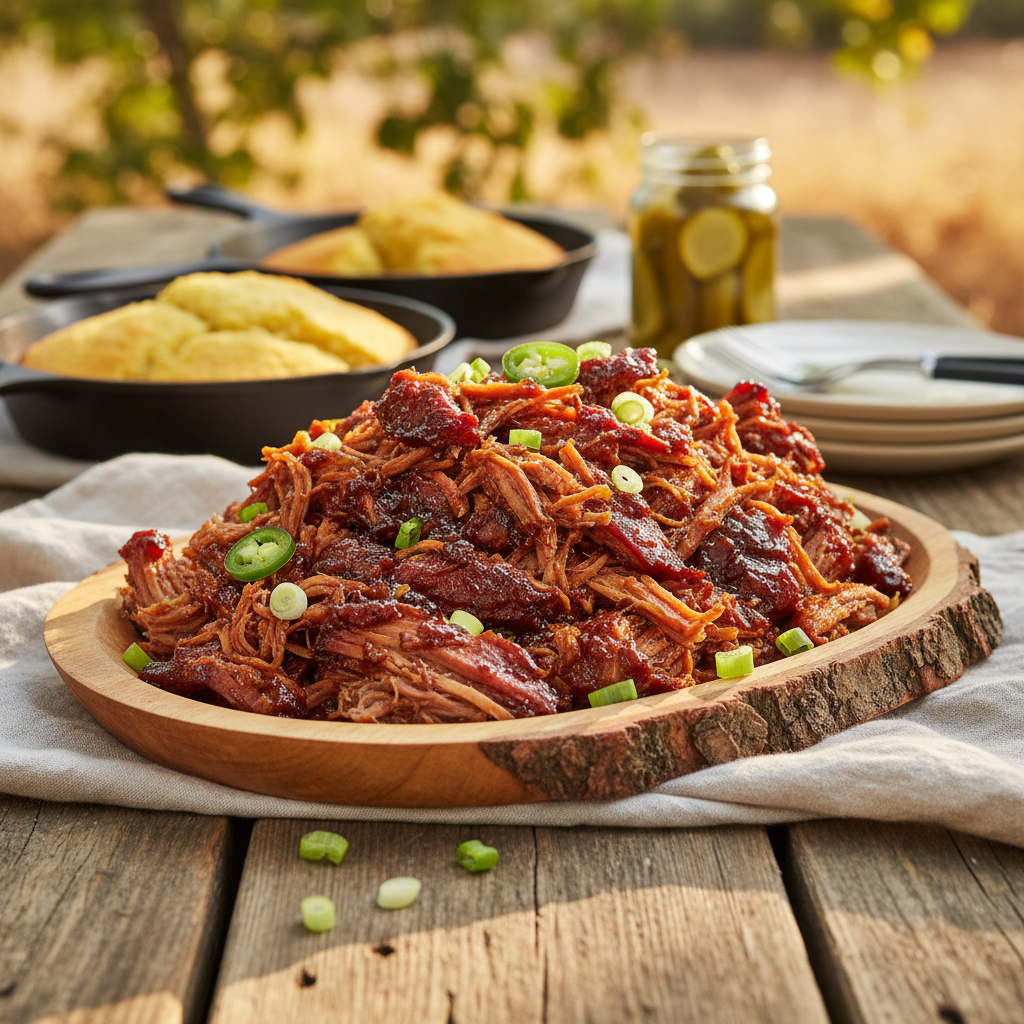
Slow Cooker Pulled Pork with Tangy BBQ Sauce
Set it, forget it, feast on it.
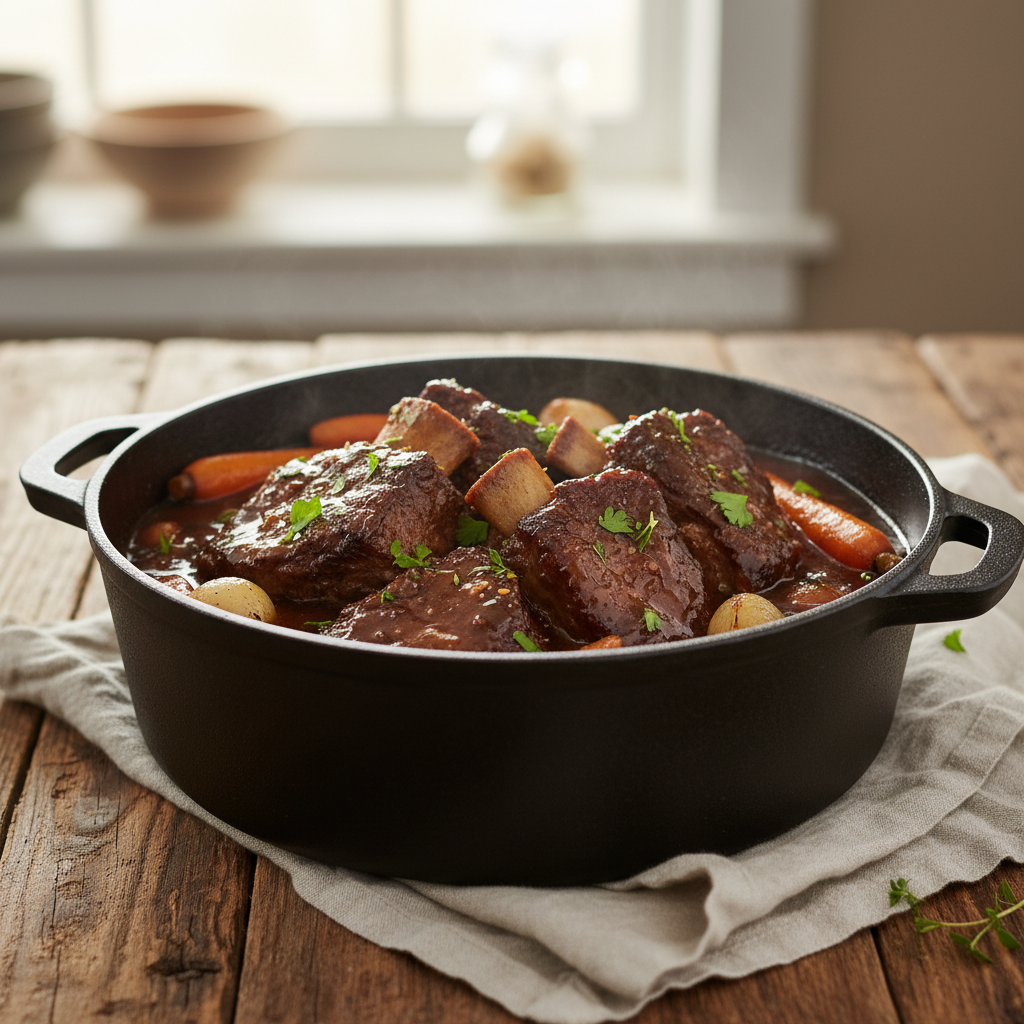
Slow-Braised Beef Short Ribs
Braising the ribs bone-in, submerged three-quarters of the way in liquid, lets the collagen around the bone slowly melt into the sauce instead of staying tough.
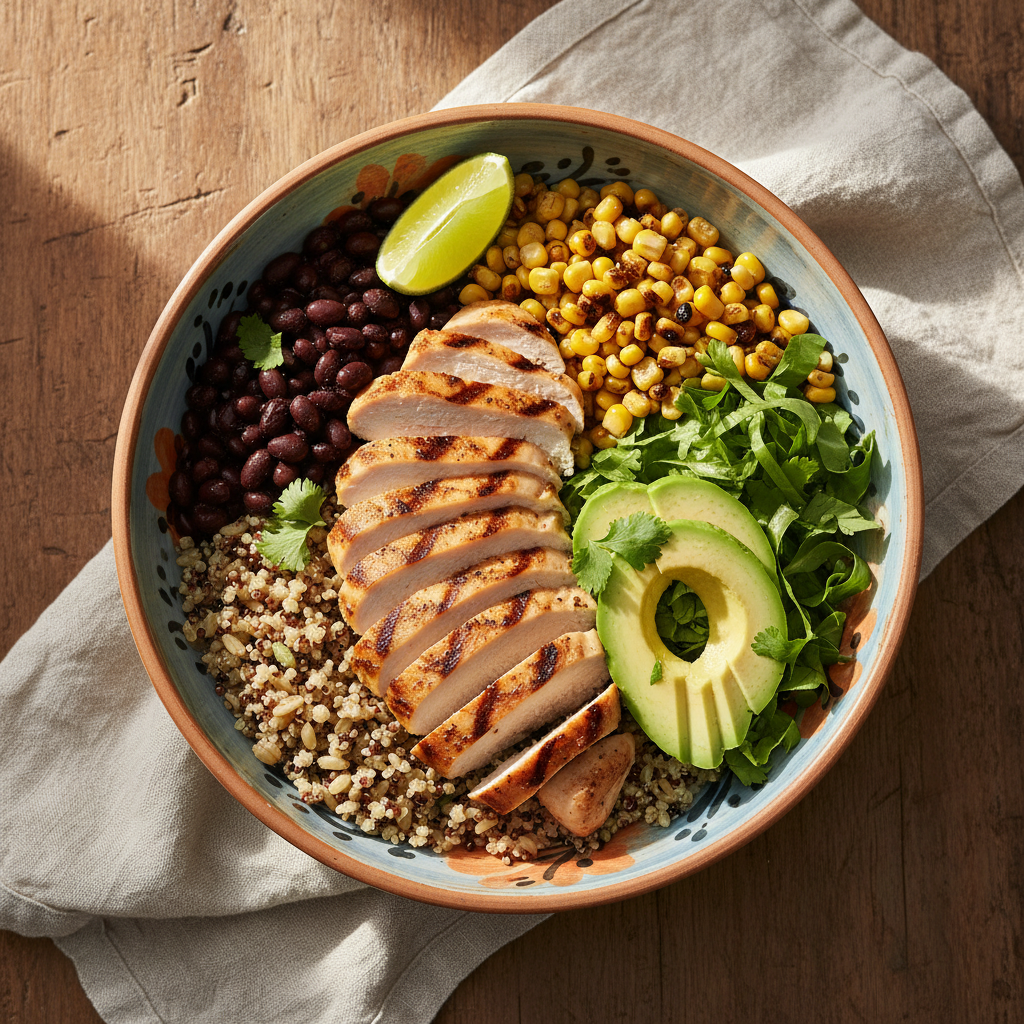
Southwest Chicken Power Bowl
Bright, filling, and endlessly customizable.
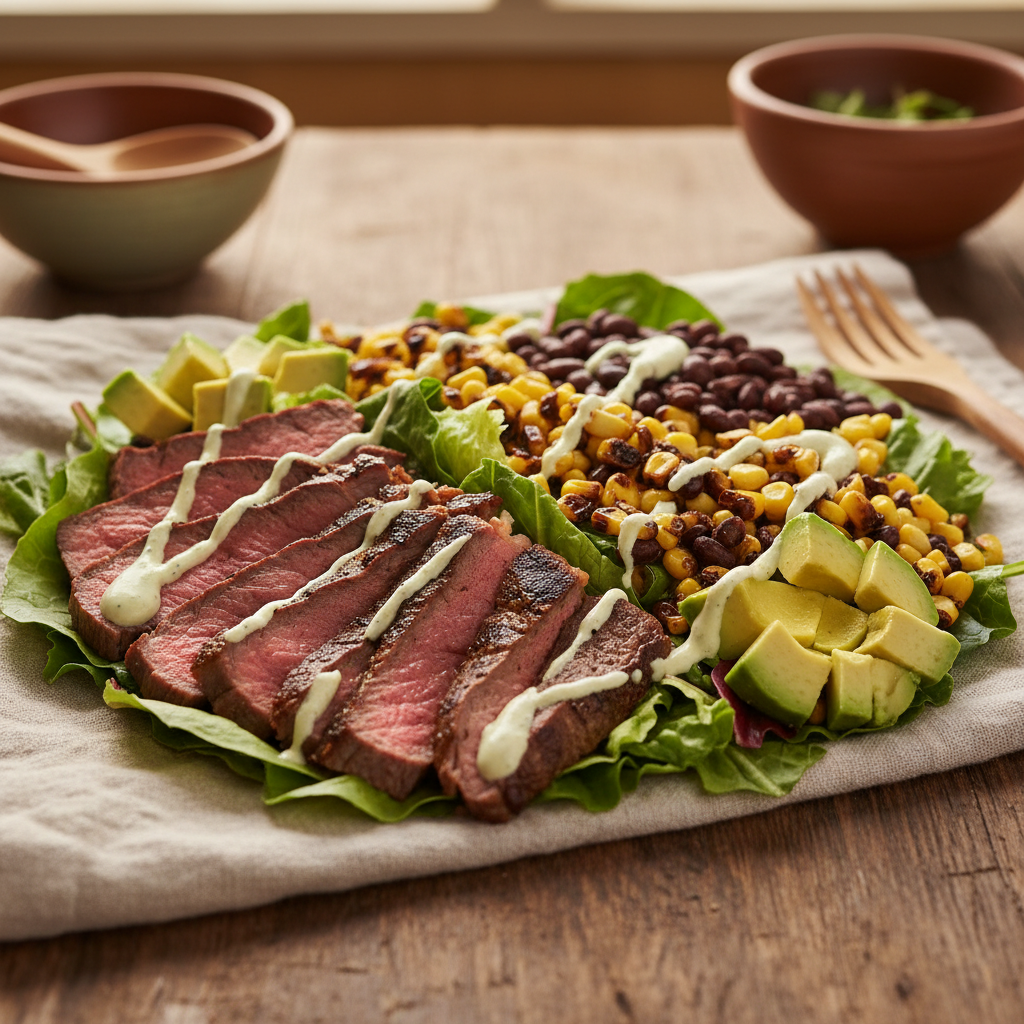
Southwest Steak Salad with Lime Crema
Blooming the cumin and chili powder in the oil used to sear the steak seasons the fond left in the pan, not just the meat's surface.
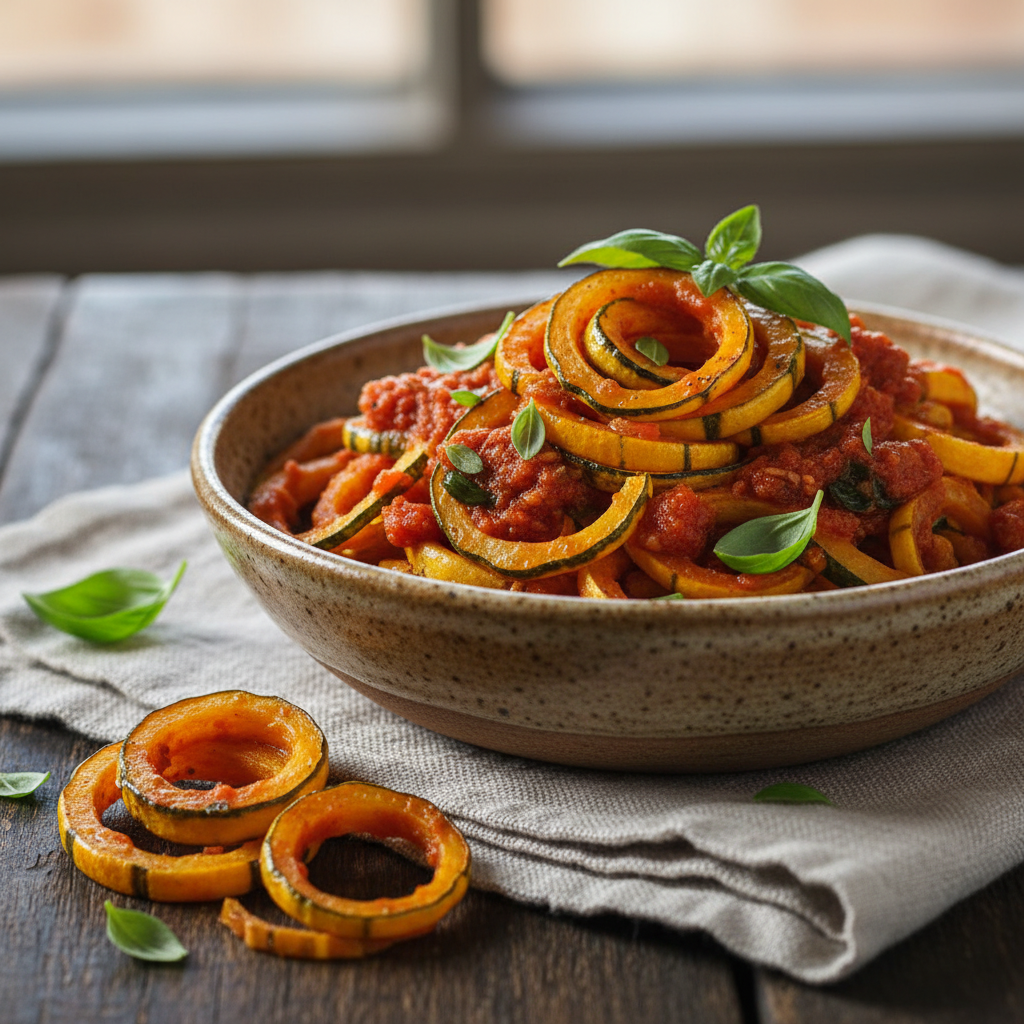
Spaghetti Squash with Marinara
Roasting the squash cut-side down, not up, is what steams out excess moisture into the pan instead of trapping it in the strands, keeping them from turning watery.
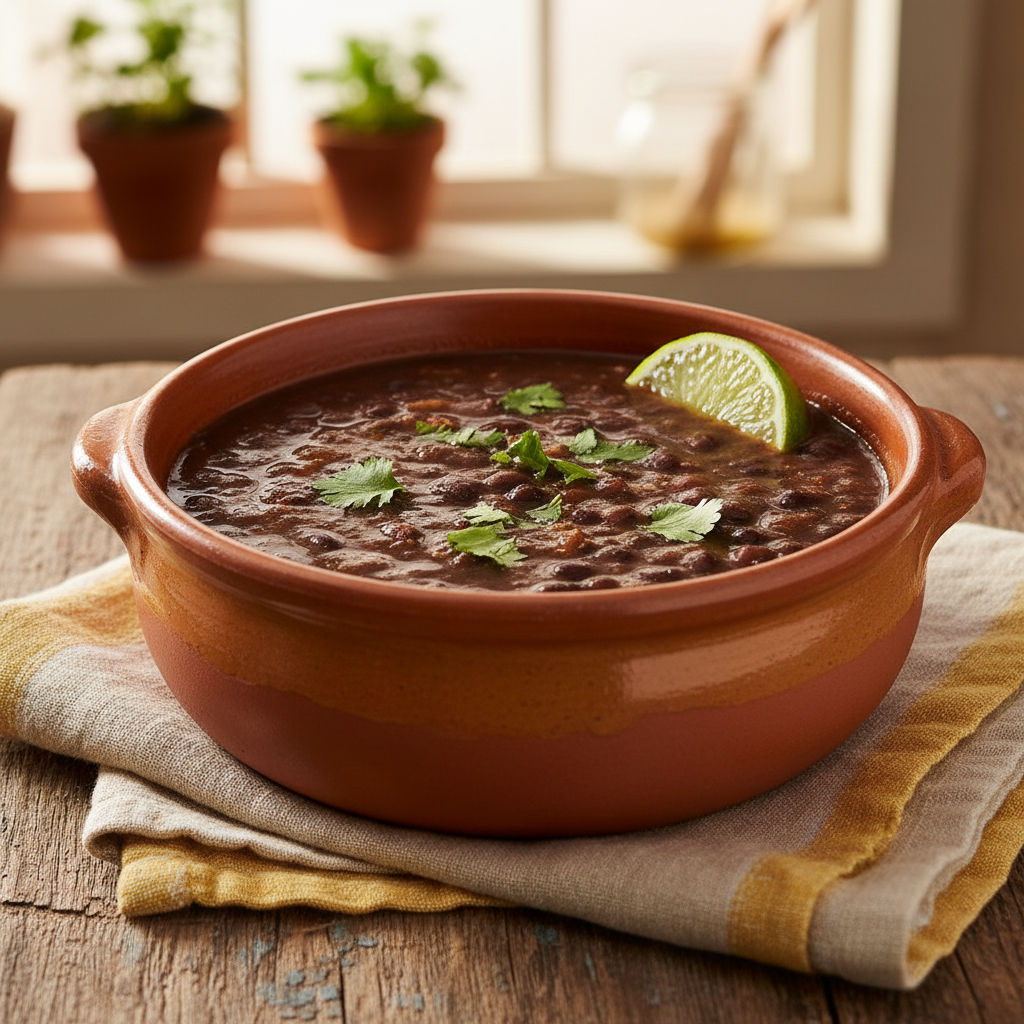
Spicy Black Bean Soup
Blooming the chili powder and cumin in oil before the liquid goes in wakes up their flavor far more than stirring them into broth alone.
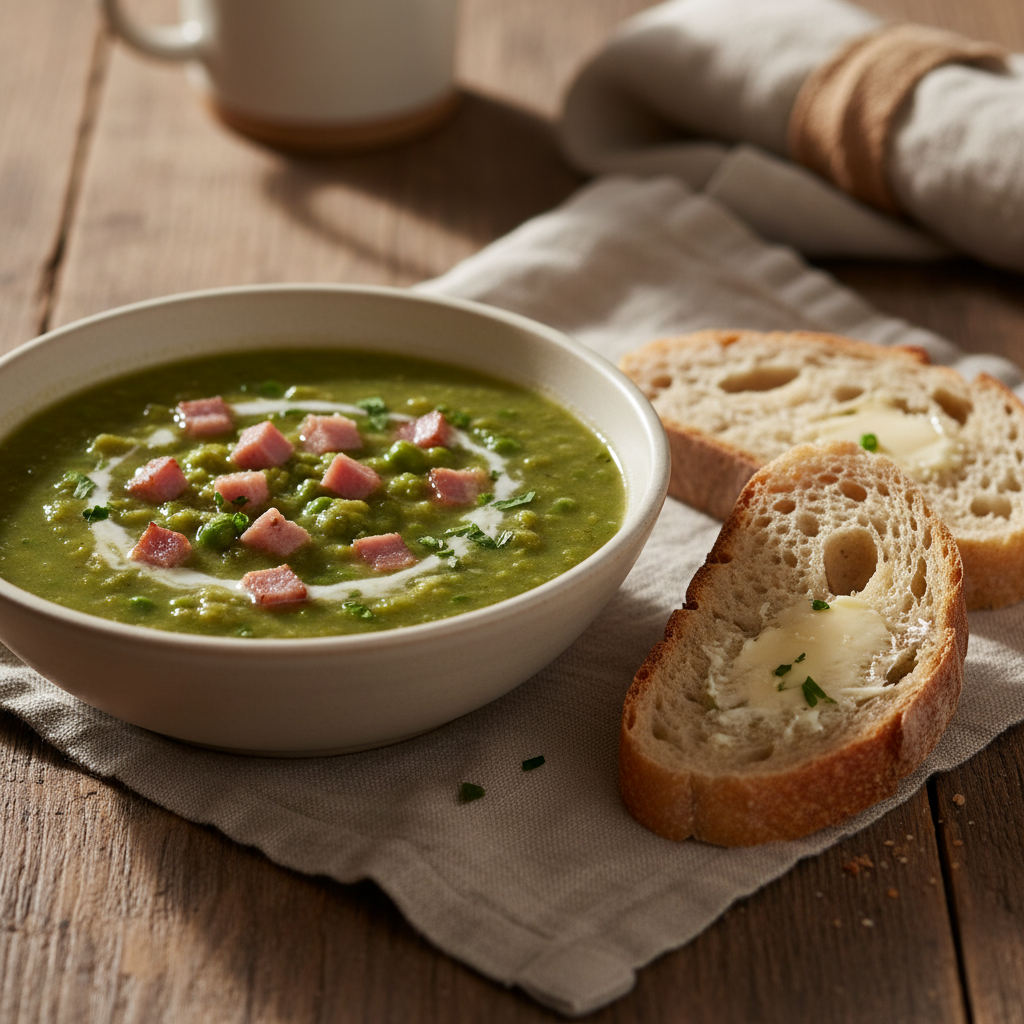
Split Pea Soup with Ham
Split peas break down and thicken the soup entirely on their own as they cook — no flour or cream needed.
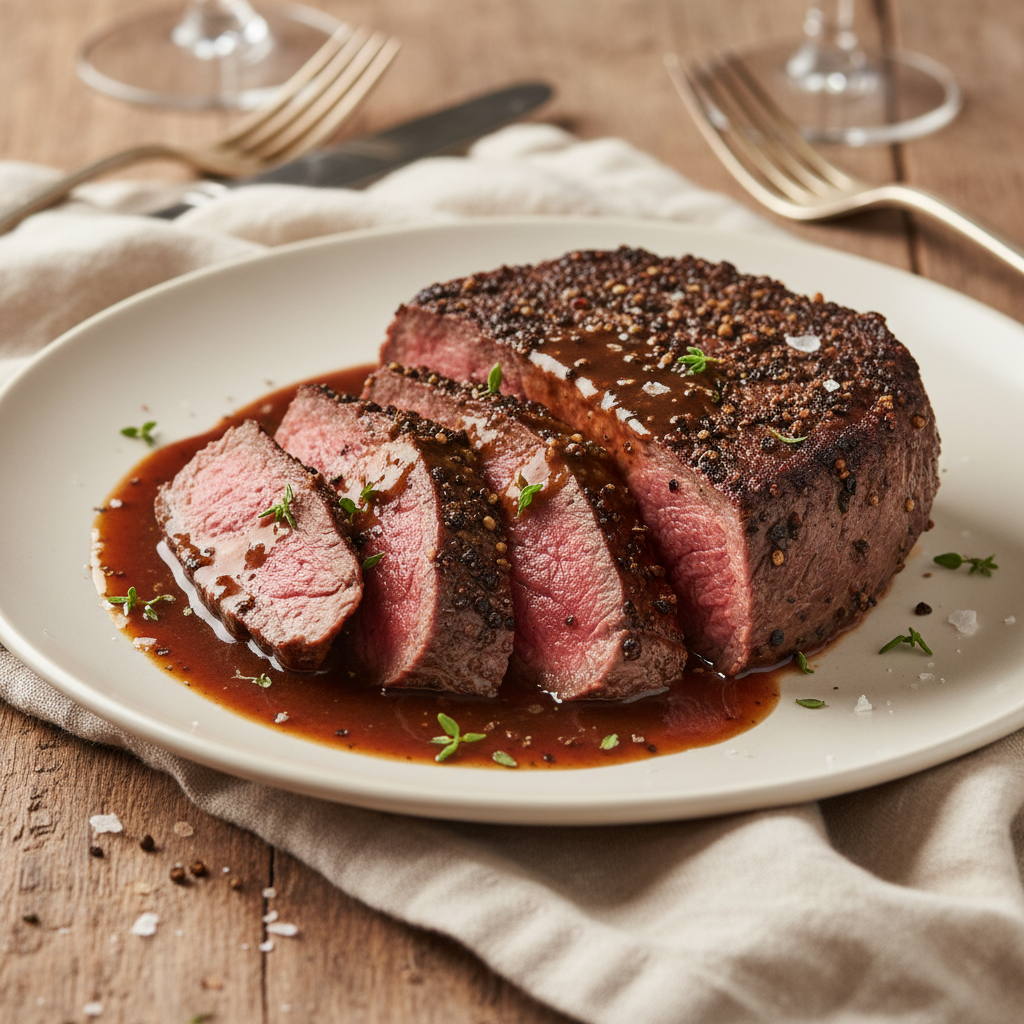
Steak au Poivre (Dairy-Free)
Pressing the cracked peppercorns firmly into the steak before it hits the pan is what builds the classic crust — sprinkling pepper on top afterward just falls off.
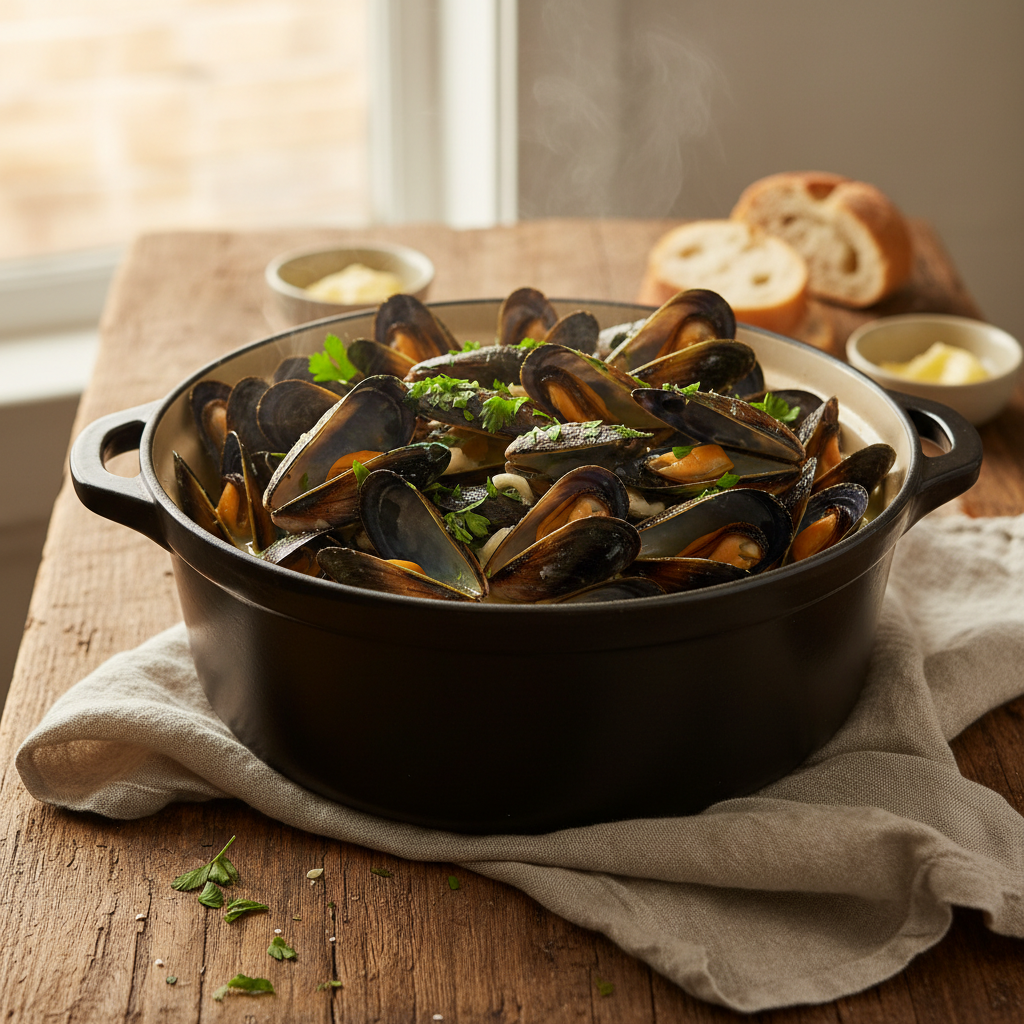
Steamed Mussels in White Wine Broth
Discarding any mussels that stay tightly closed after cooking, rather than forcing them open, is a food-safety rule — a mussel that won't open was dead before it hit the pot.
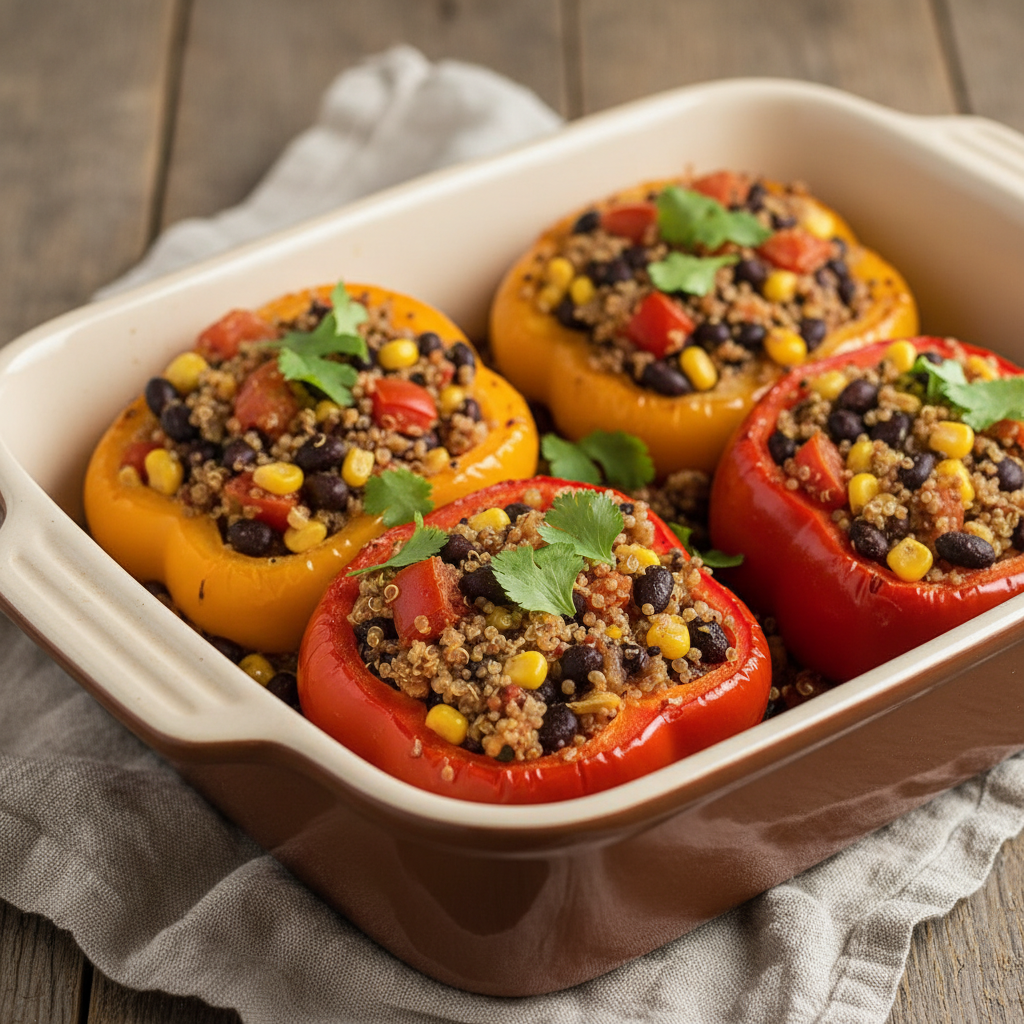
Stuffed Bell Peppers with Quinoa & Black Beans
A colorful, protein-packed vegetarian dinner.
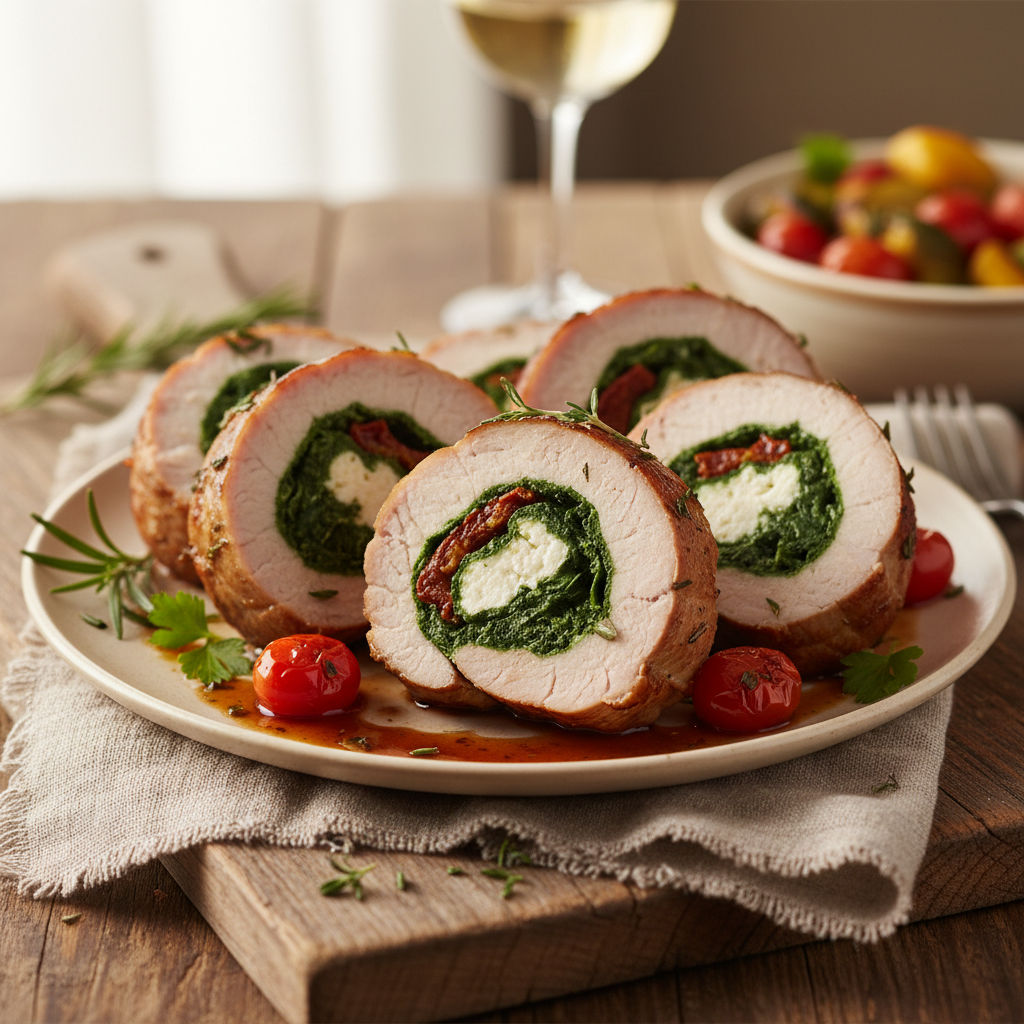
Stuffed Pork Tenderloin with Spinach & Garlic
Butterflying the tenderloin into one long, even sheet before stuffing is what lets it roll up tightly around the filling instead of falling apart.
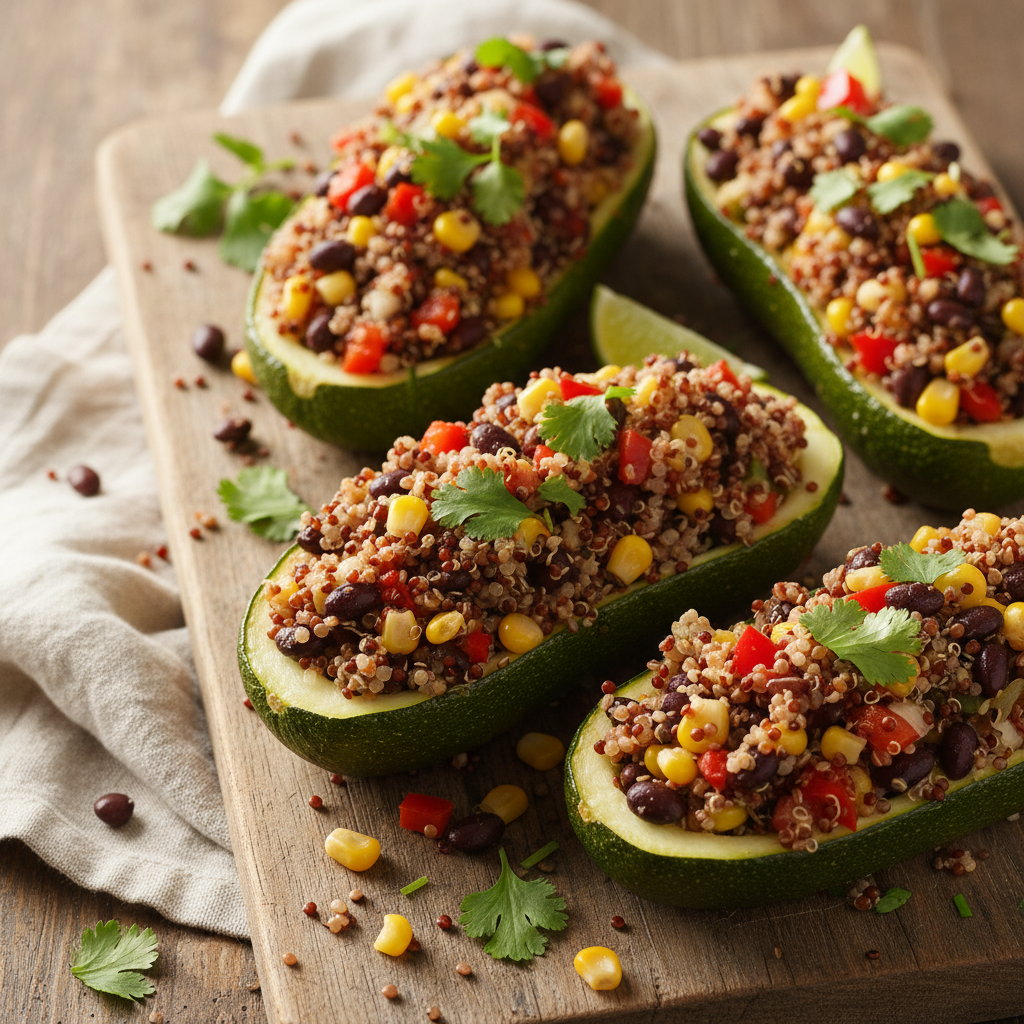
Stuffed Zucchini Boats
Salting the hollowed-out zucchini shells and letting them drain for 10 minutes before stuffing is what keeps the finished dish from pooling watery liquid on the plate.
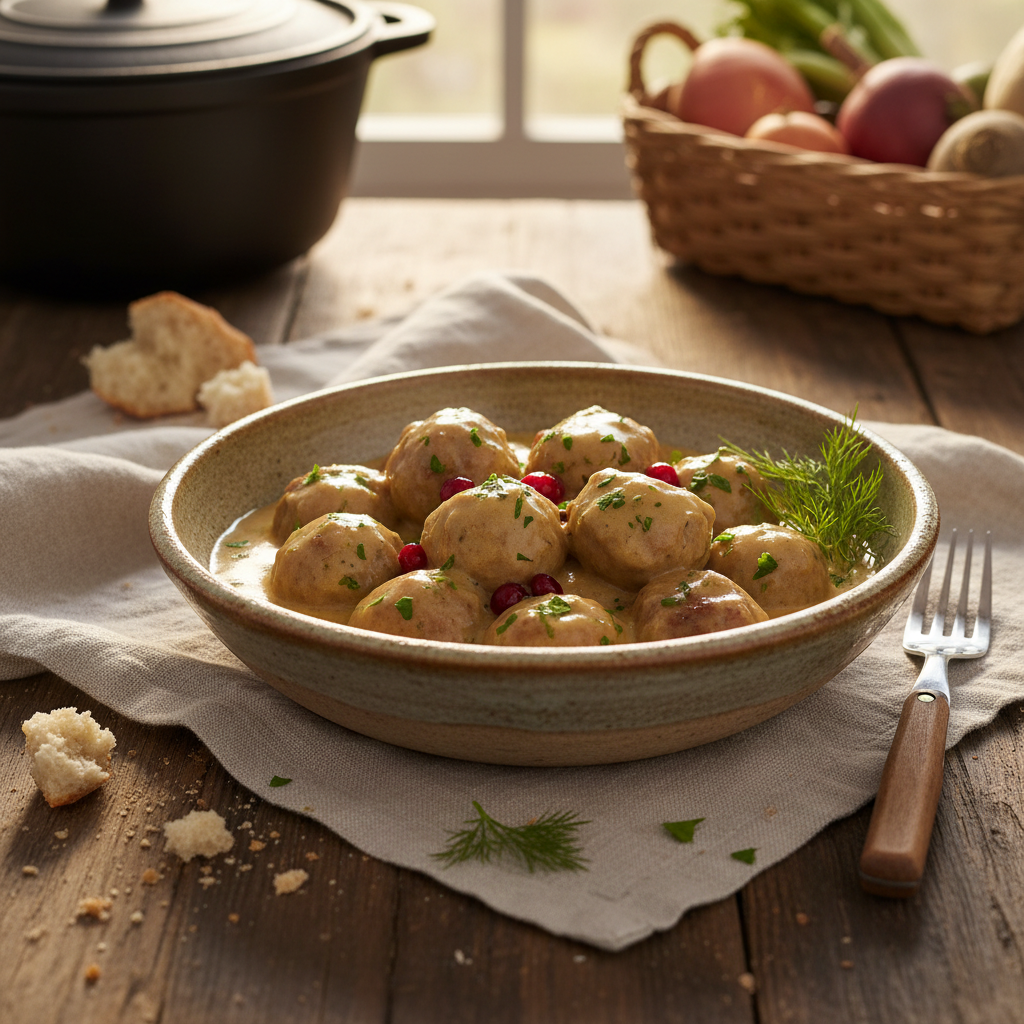
Swedish-Style Meatballs with Dairy-Free Gravy
Soaking the almond flour in the milk for a few minutes before mixing it into the meat — a classic panade technique — is what keeps the meatballs tender instead of dense.
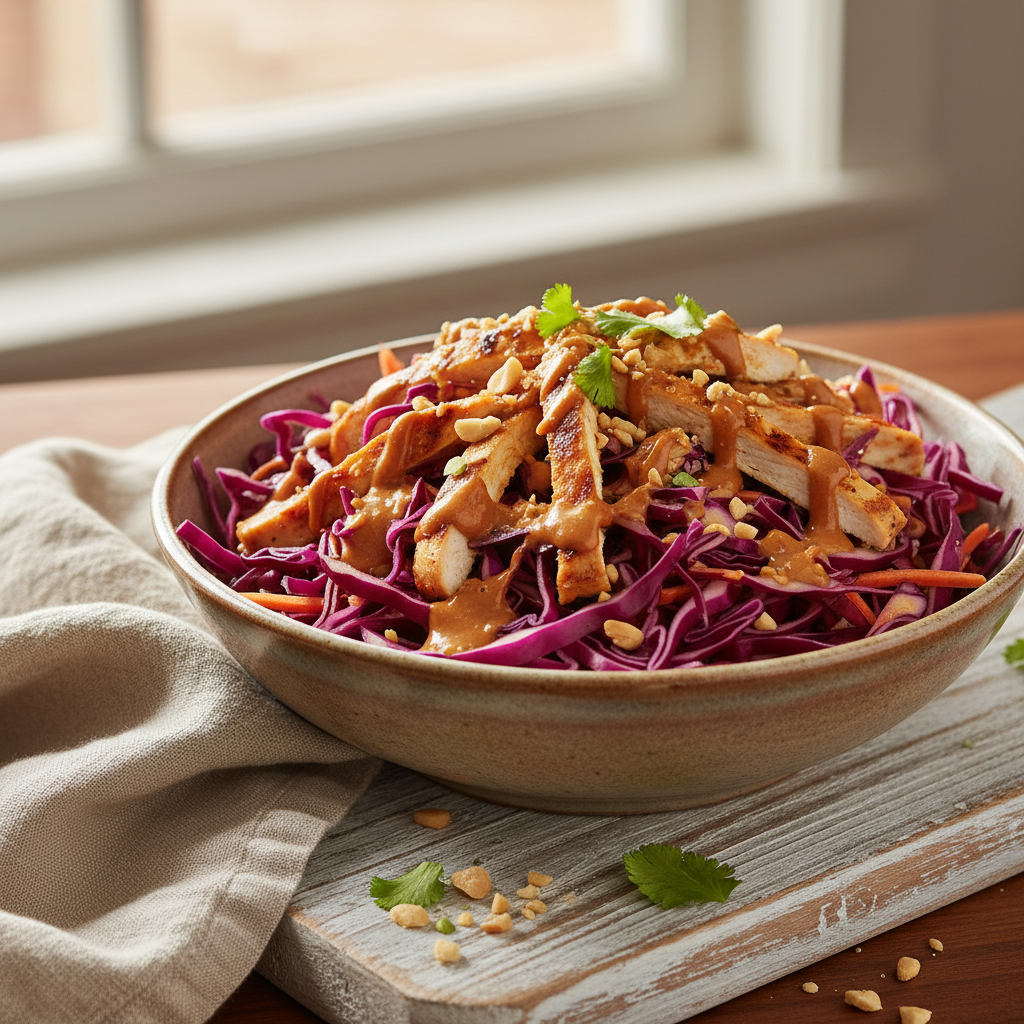
Thai Peanut Chicken Bowl
Whisking the peanut sauce with hot water, not cold, is what thins it to a pourable consistency without breaking the emulsion.
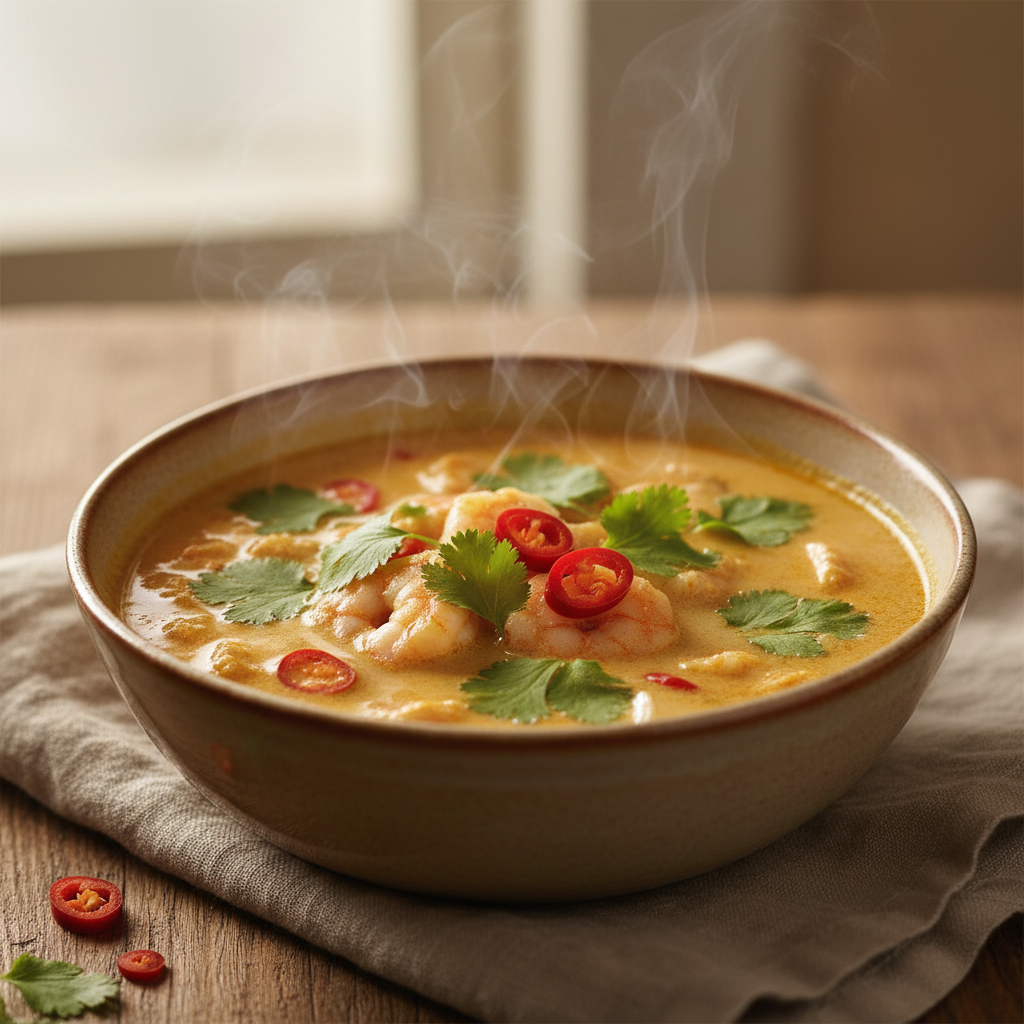
Thai-Style Coconut Shrimp Soup
Shrimp only need a couple of minutes, so they go in at the very end — simmered too long, they turn tough and rubbery.
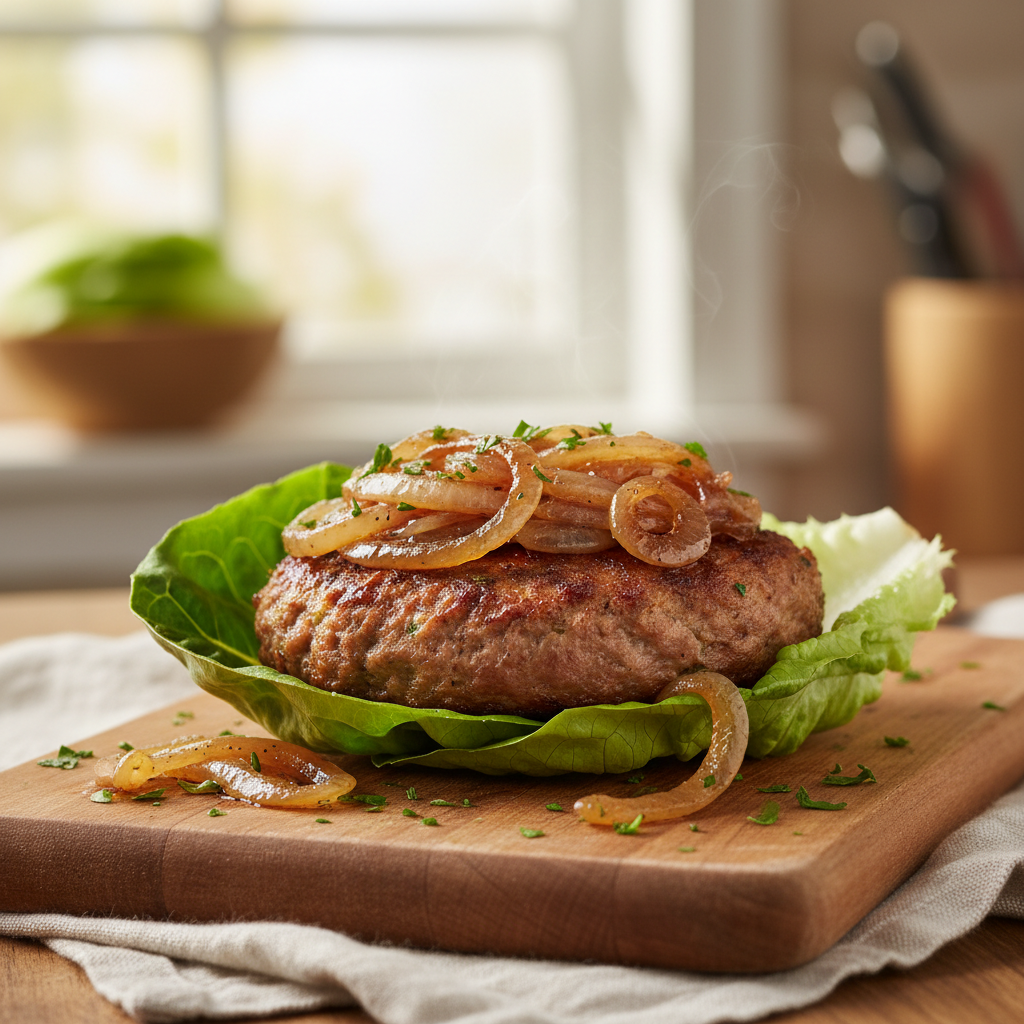
Turkey Burgers with Caramelized Onions
Chilling the formed patties for 15 minutes before cooking is what keeps lean ground turkey from falling apart on the grill or in the pan.
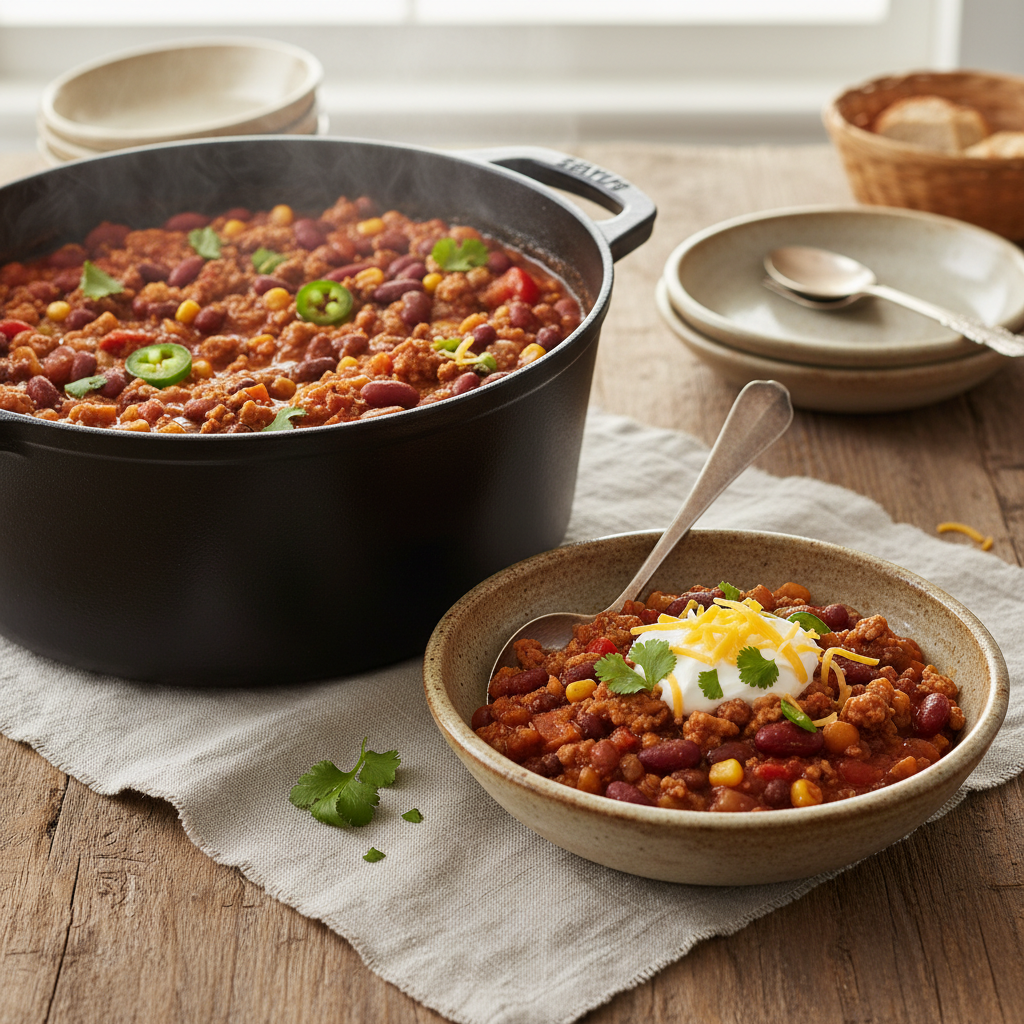
Turkey Chili
Browning the turkey undisturbed before breaking it apart builds a deeper base flavor than stirring it the second it hits the pot.
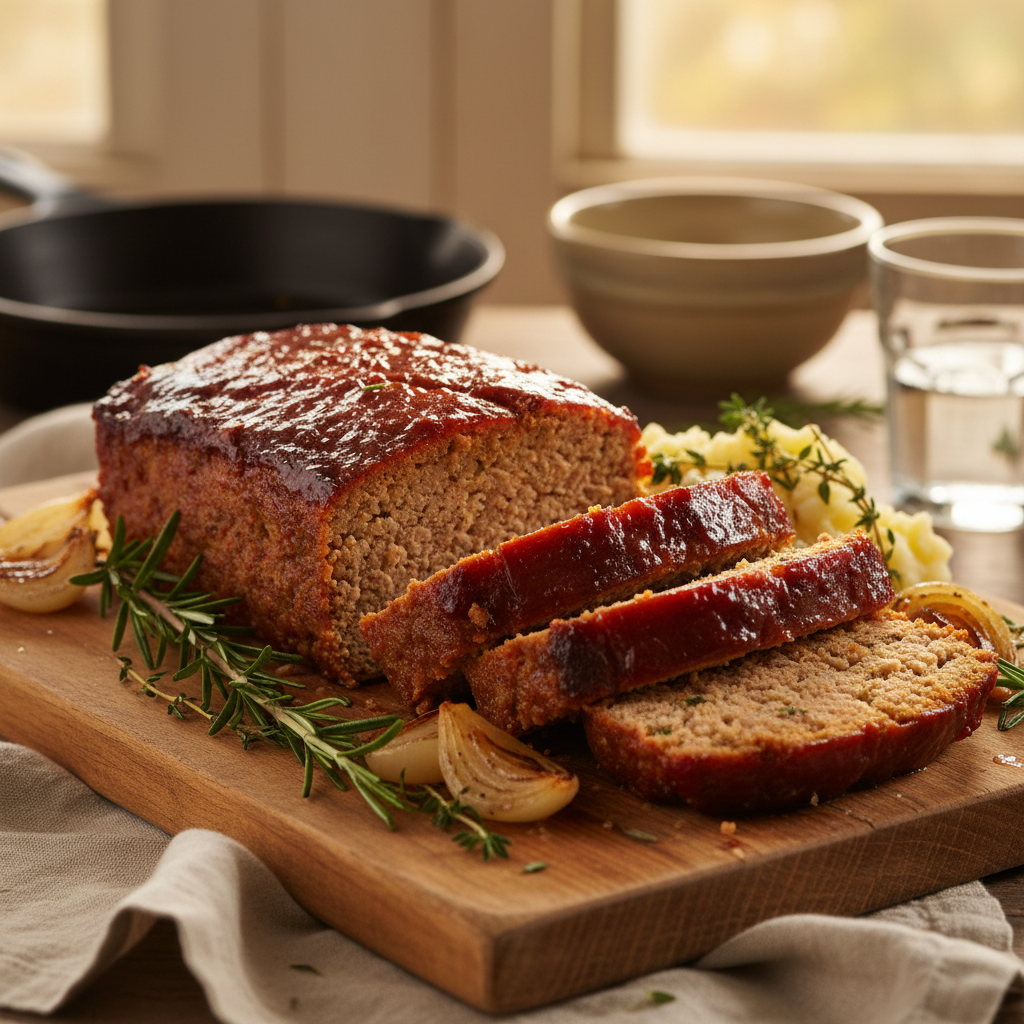
Turkey Meatloaf (Dairy-Free, Gluten-Free)
Letting the meatloaf rest for 10 minutes after baking is what keeps it from crumbling apart when you slice it — cut it too soon and it falls apart.
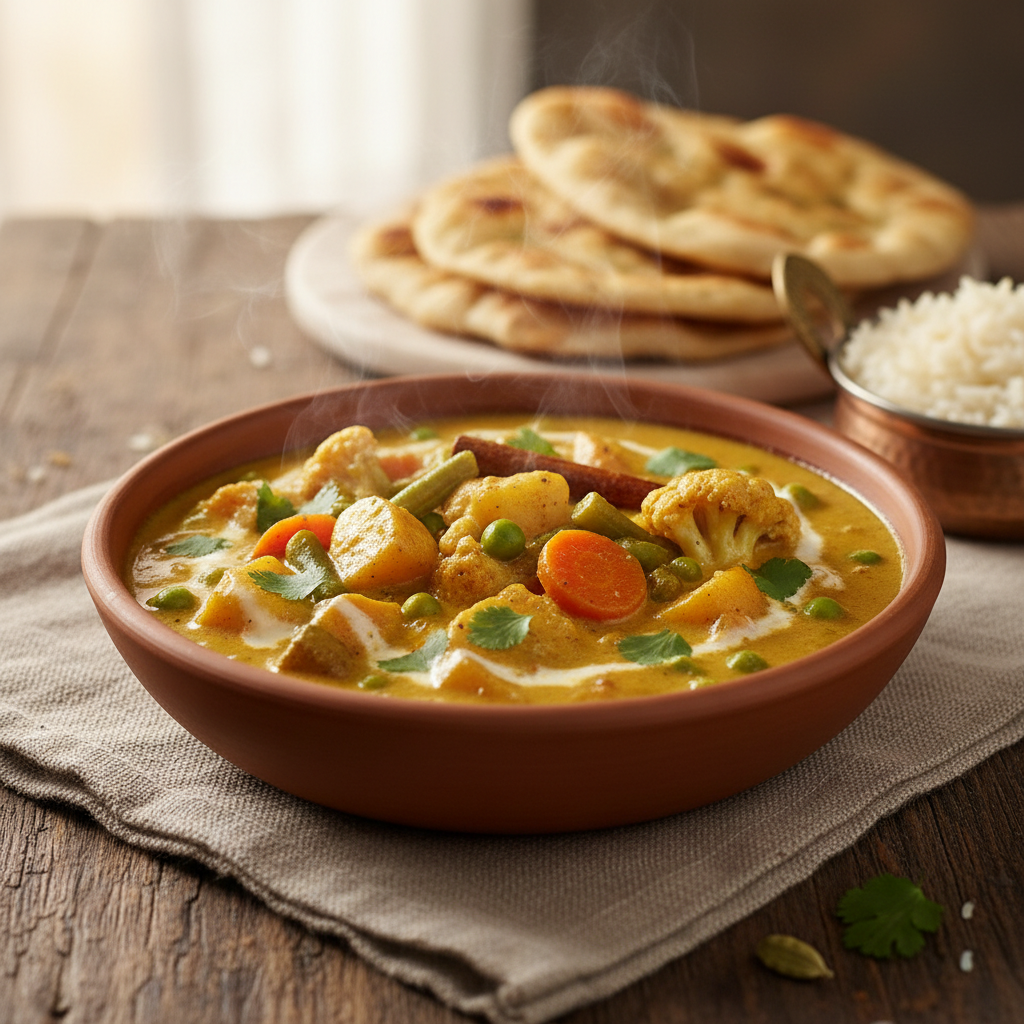
Vegetable Korma
Blending the soaked cashews into a smooth paste before adding them to the sauce is what gives korma its signature velvety body without any dairy.
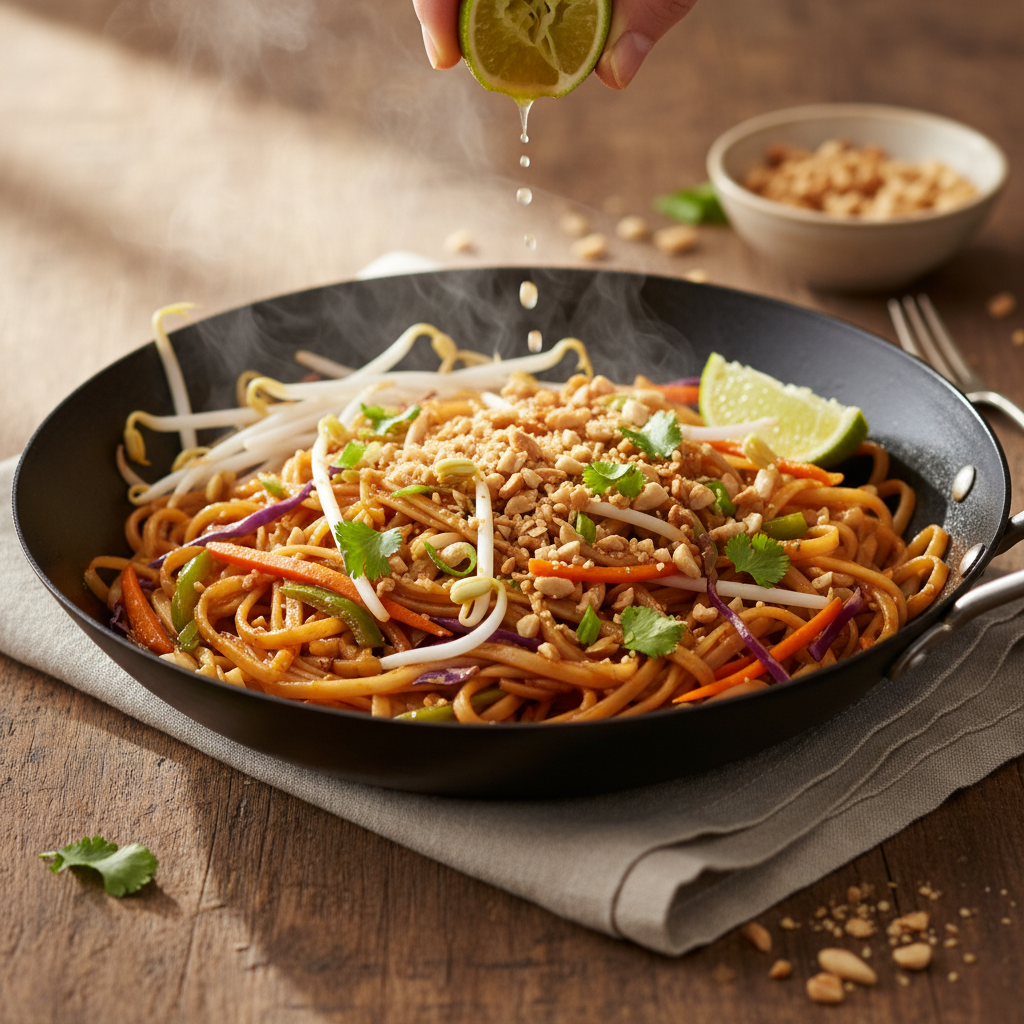
Vegetable Pad Thai
Soaking the rice noodles in warm, not boiling, water is what keeps them from turning mushy before they even hit the wok.
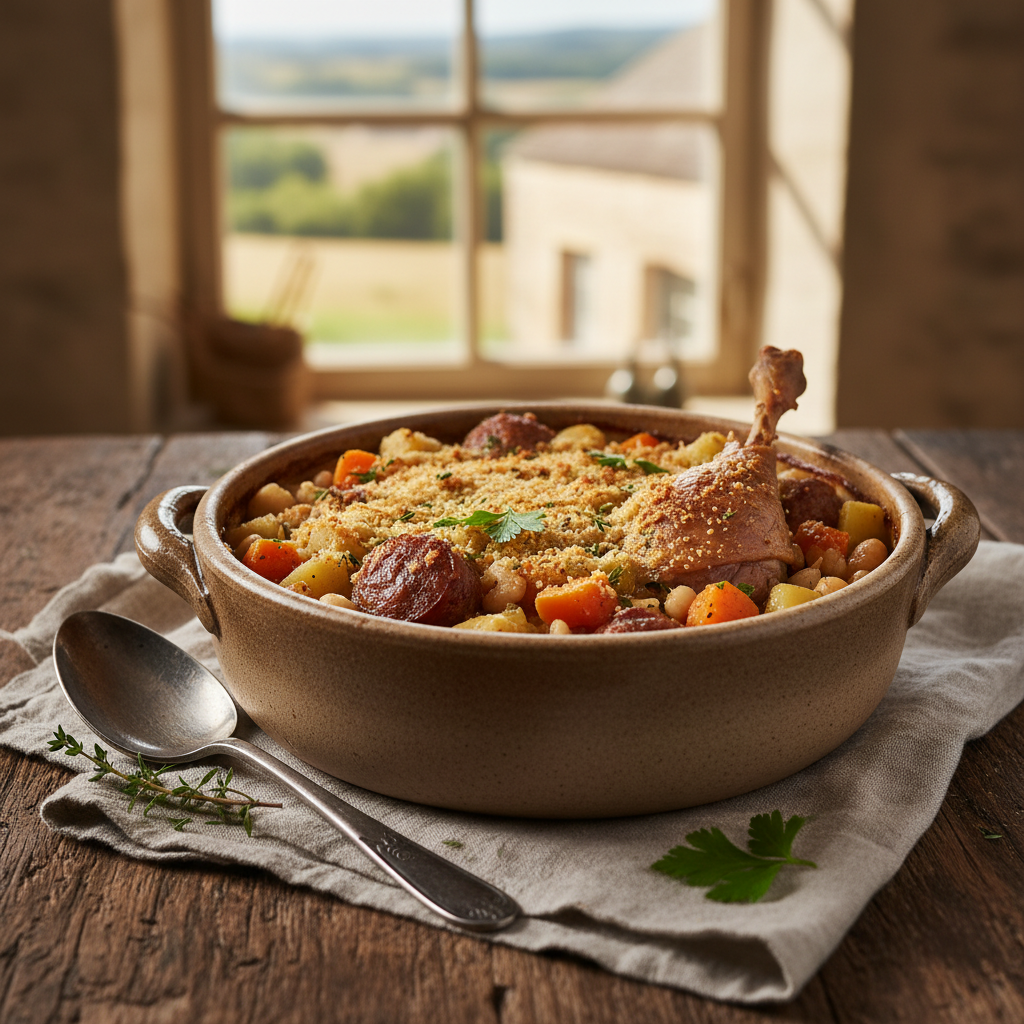
White Bean & Vegetable Cassoulet
Letting the beans simmer uncovered for the last 20 minutes lets the liquid reduce into a thick, clinging sauce instead of a thin, soupy stew.
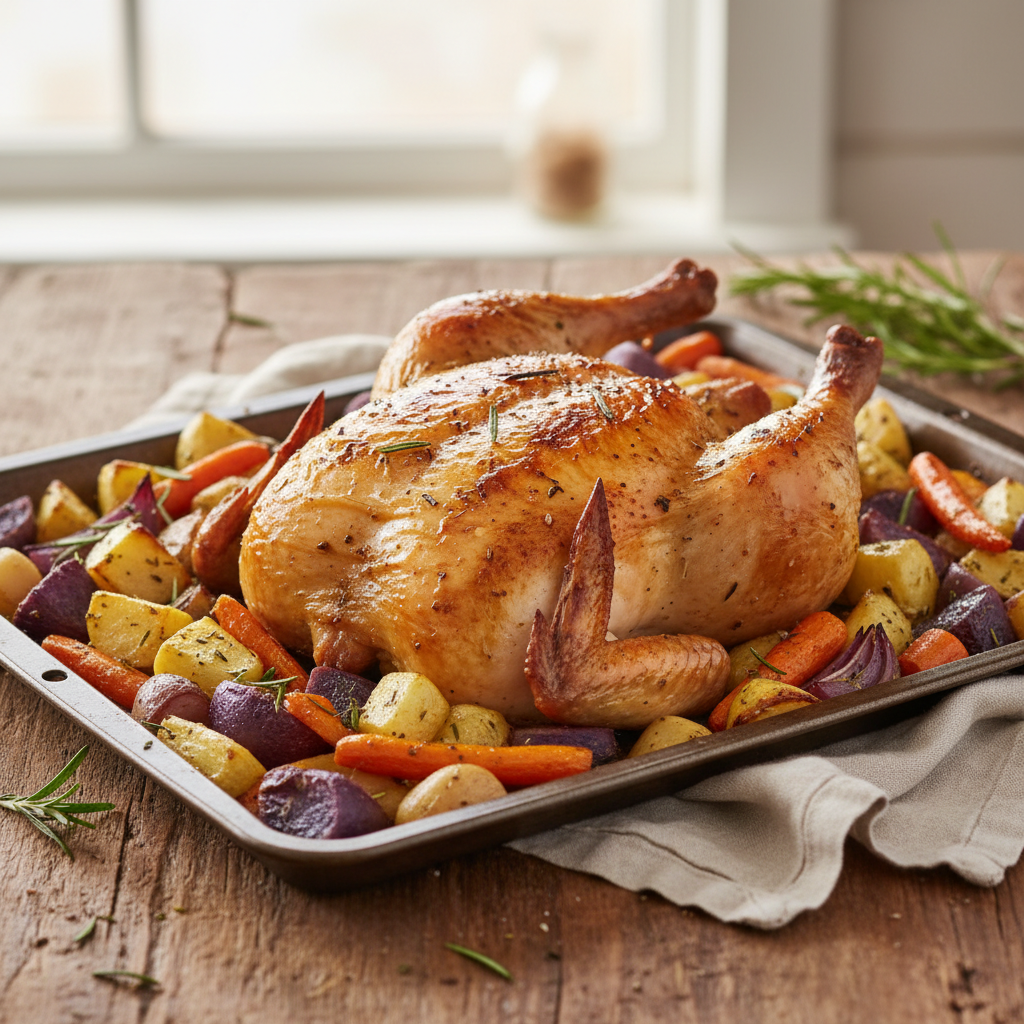
Whole Spatchcocked Roast Chicken with Herb Butter
Removing the backbone and pressing the chicken flat lets it cook 20 minutes faster and far more evenly than roasting it whole and upright.