
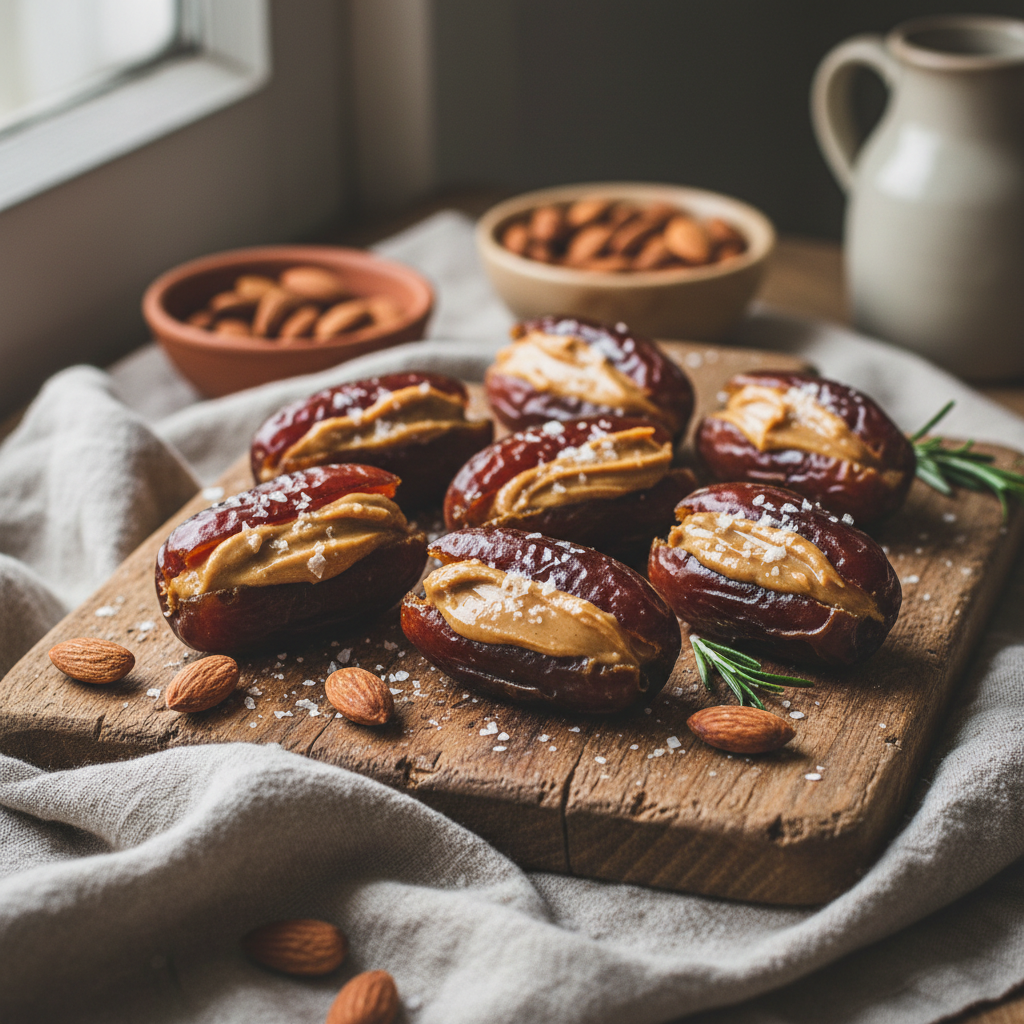
Almond Butter Stuffed Dates
Warming the almond butter for a few seconds before piping it into the dates is what makes it soft enough to fill neatly instead of tearing the fruit apart.
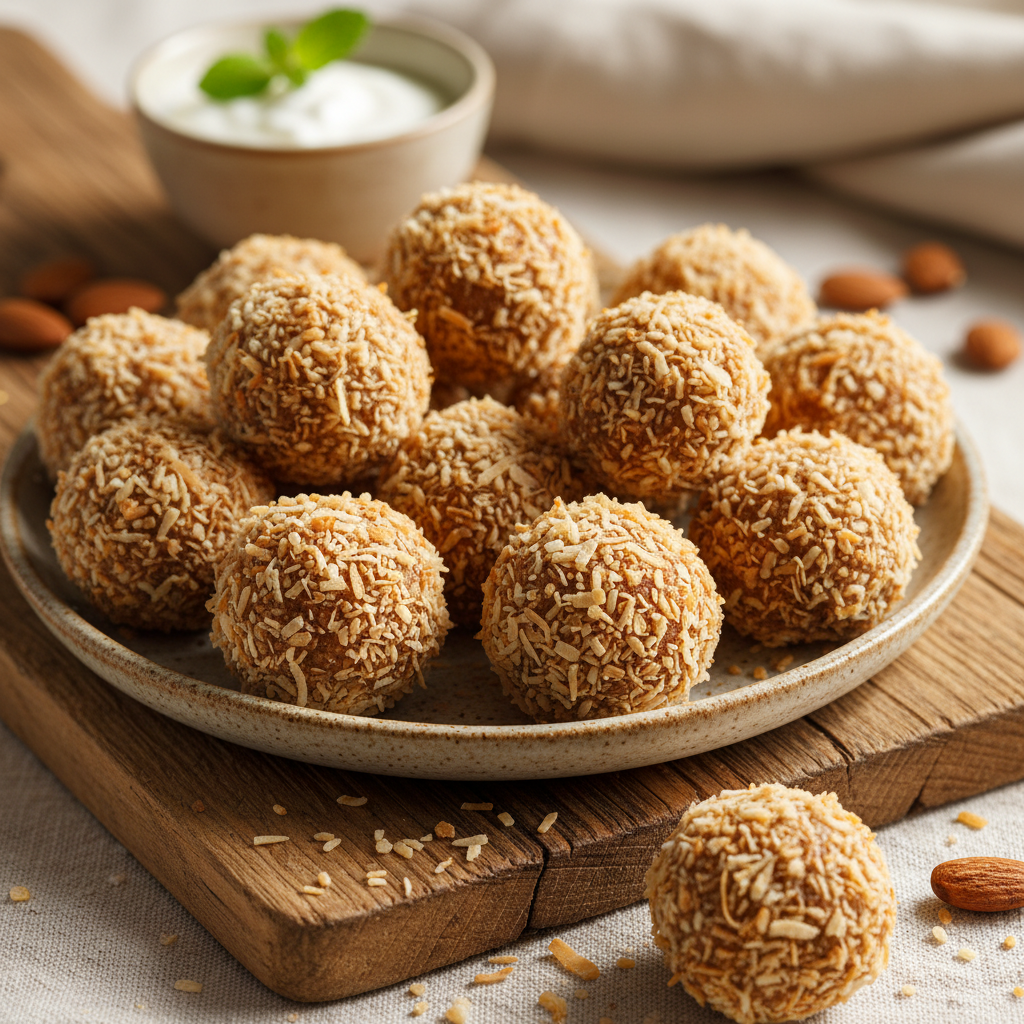
Almond Coconut Protein Bites
Rolling the bites in toasted coconut immediately after shaping, while the outside is still tacky, is what makes the coating actually stick instead of falling off in flakes.
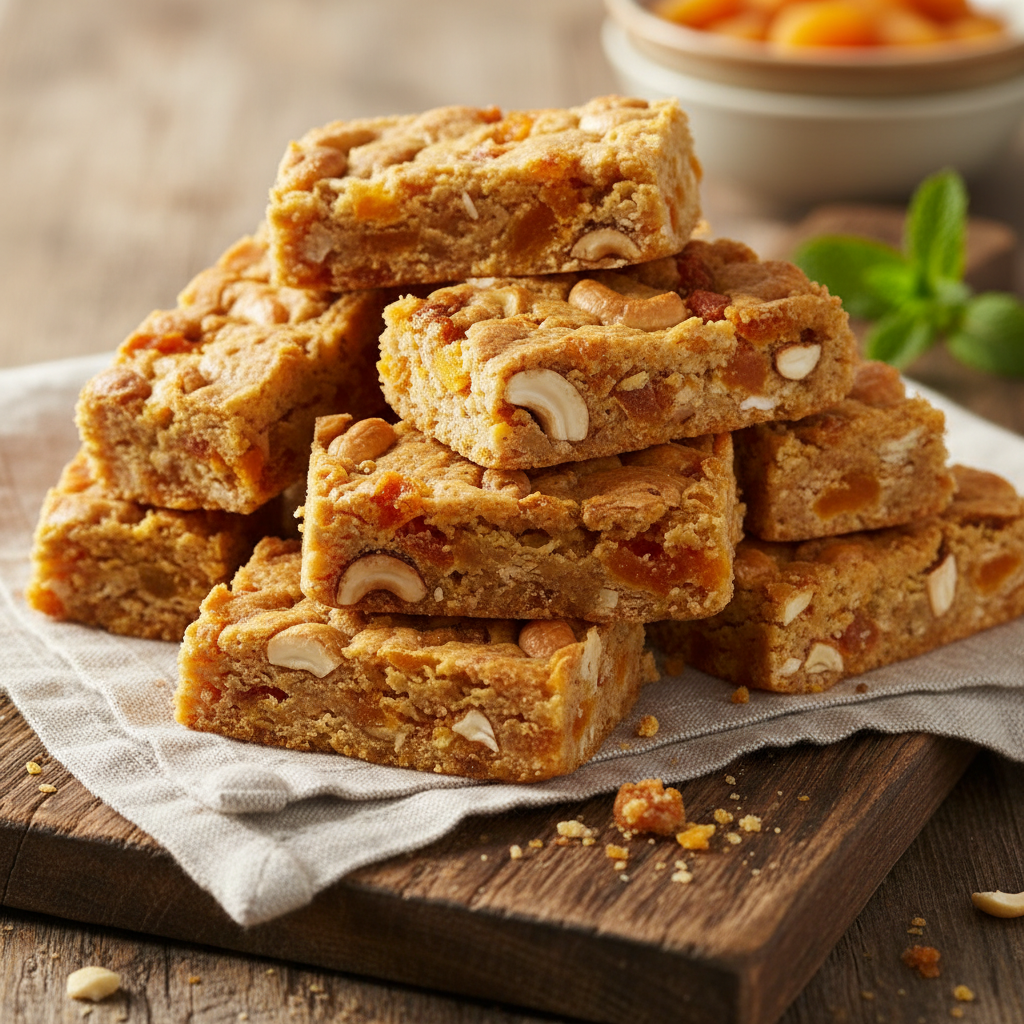
Apricot Cashew Bars
Soaking the dried apricots in warm water for 10 minutes before processing softens them enough to blend into a smooth paste instead of leaving tough, chewy chunks.
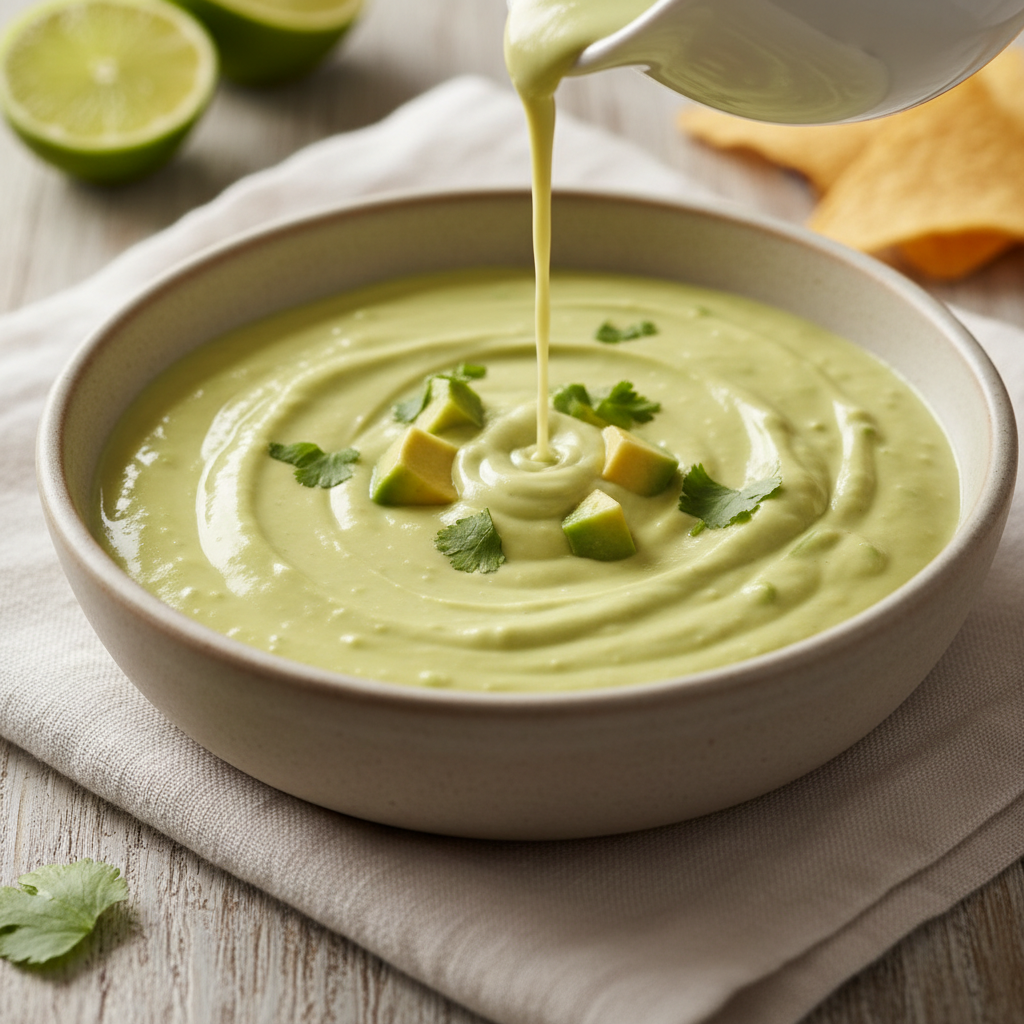
Avocado Crema
Thinning the crema with ice water instead of extra oil is what makes it pourable without diluting or muting the avocado's flavor.
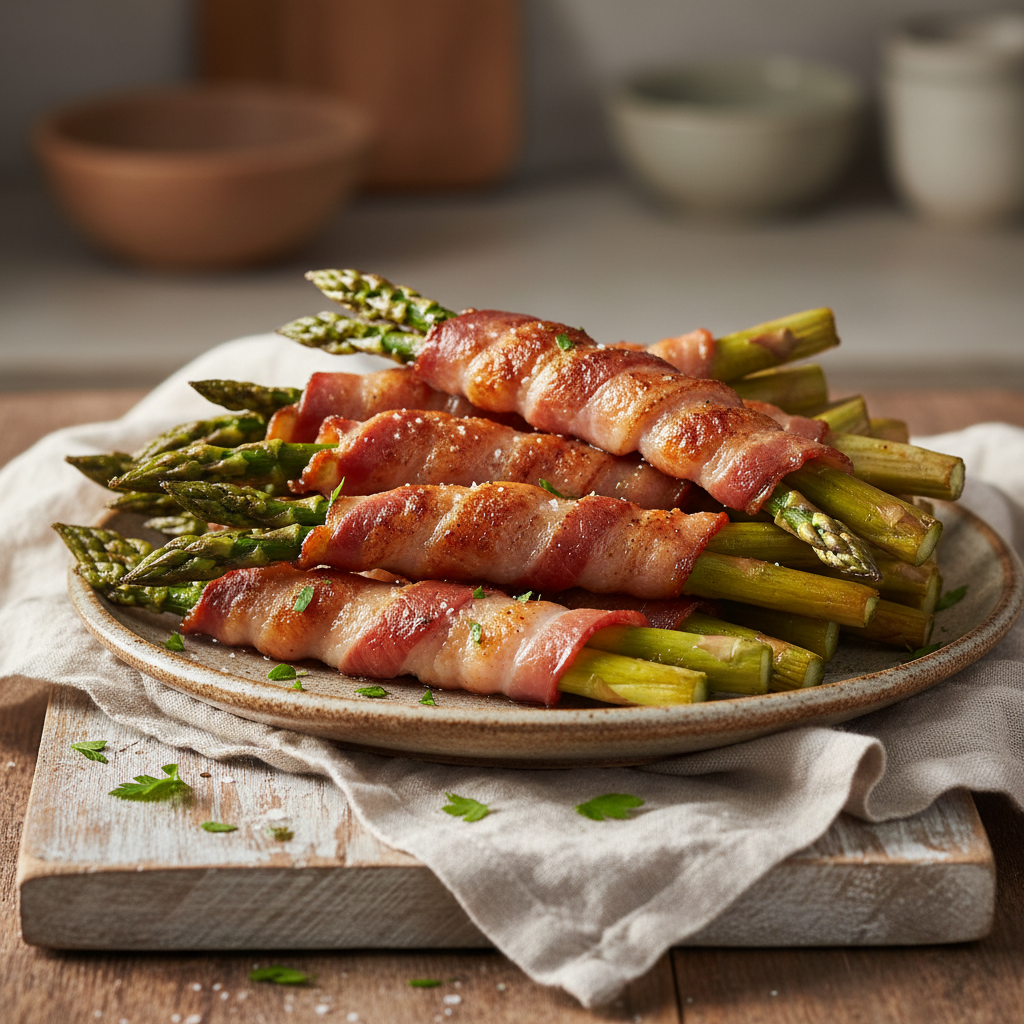
Bacon-Wrapped Asparagus Bundles
Wrapping the bacon in a tight spiral around 3-4 asparagus spears at a time, rather than one spear per slice, is what lets the bacon fully crisp before the asparagus overcooks.
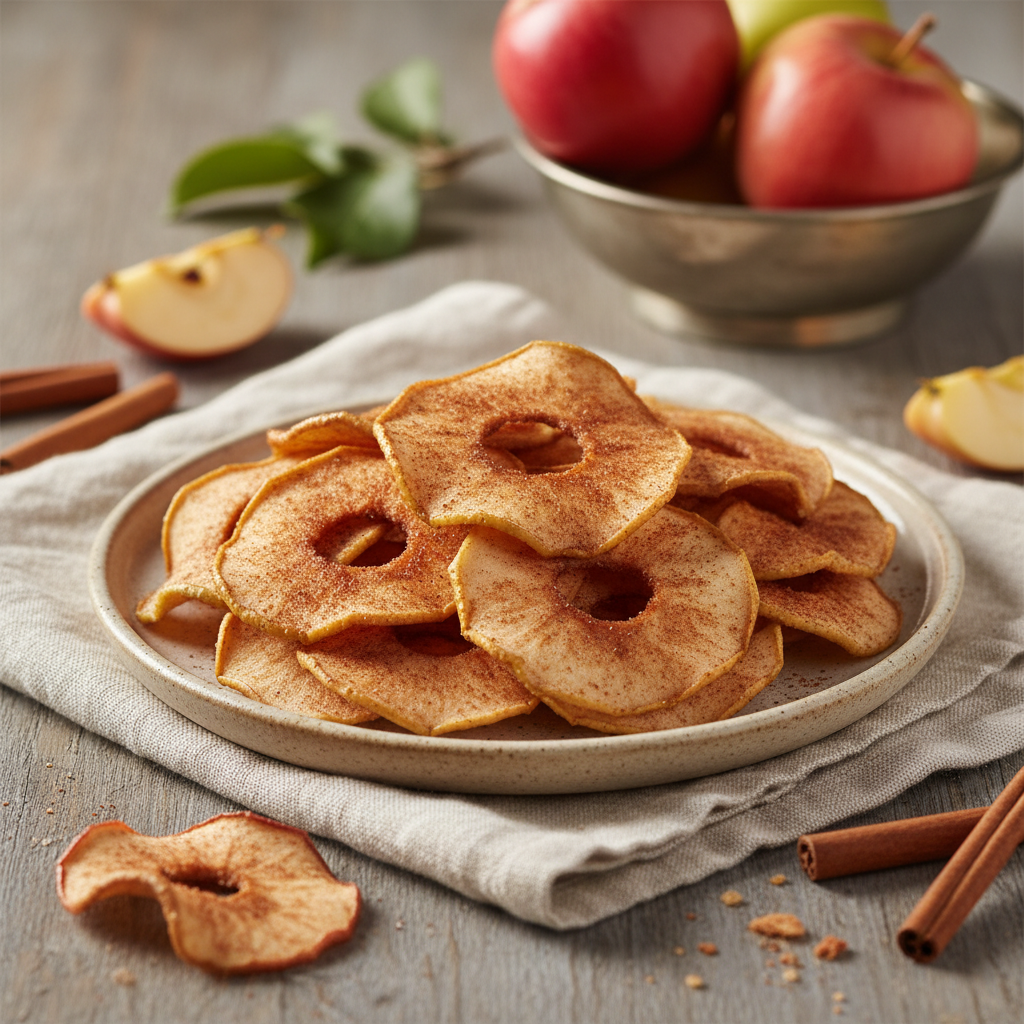
Baked Cinnamon Apple Chips
Slicing the apples paper-thin with a mandoline, not a knife, is what lets them dehydrate into crisp chips instead of staying chewy and leathery.
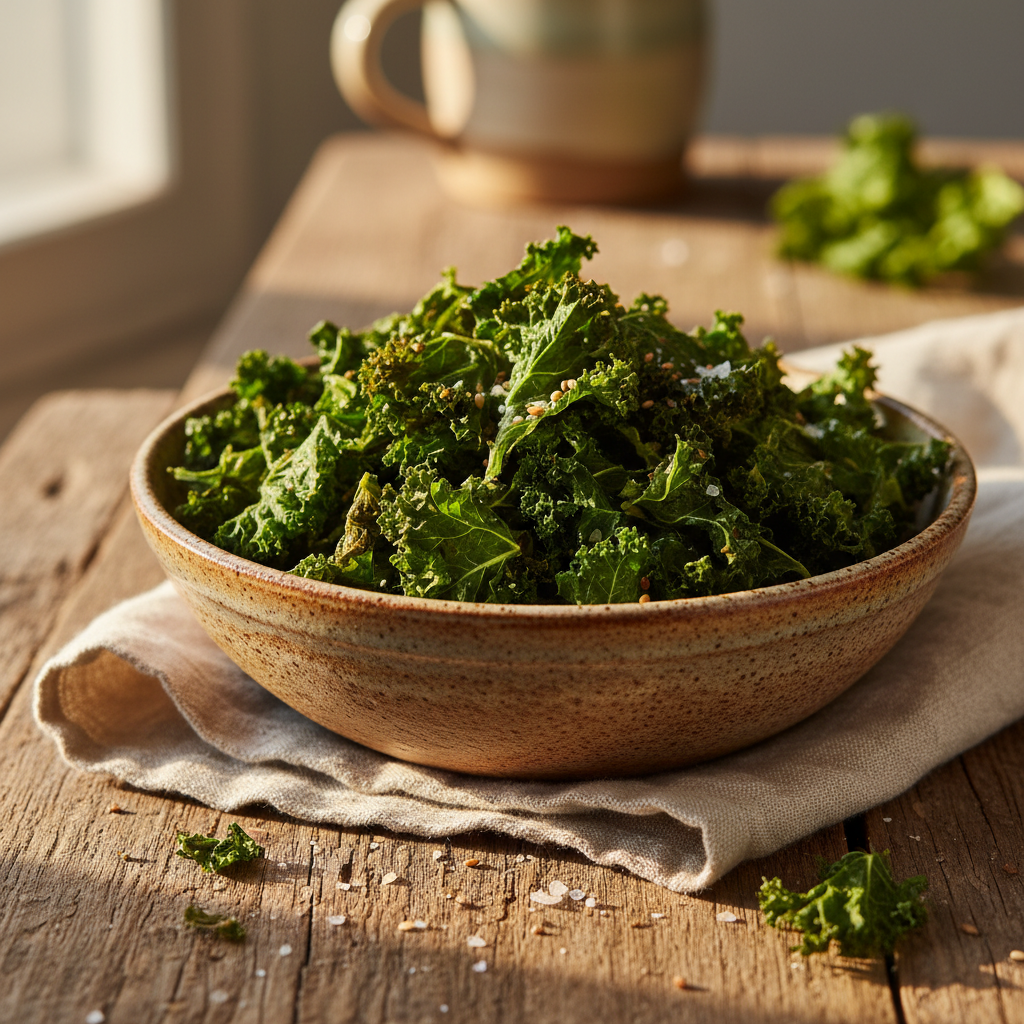
Baked Kale Chips
Massaging the oil into the kale leaves by hand, until they visibly darken and soften, is what lets them crisp evenly instead of burning at the edges while staying limp in the center.
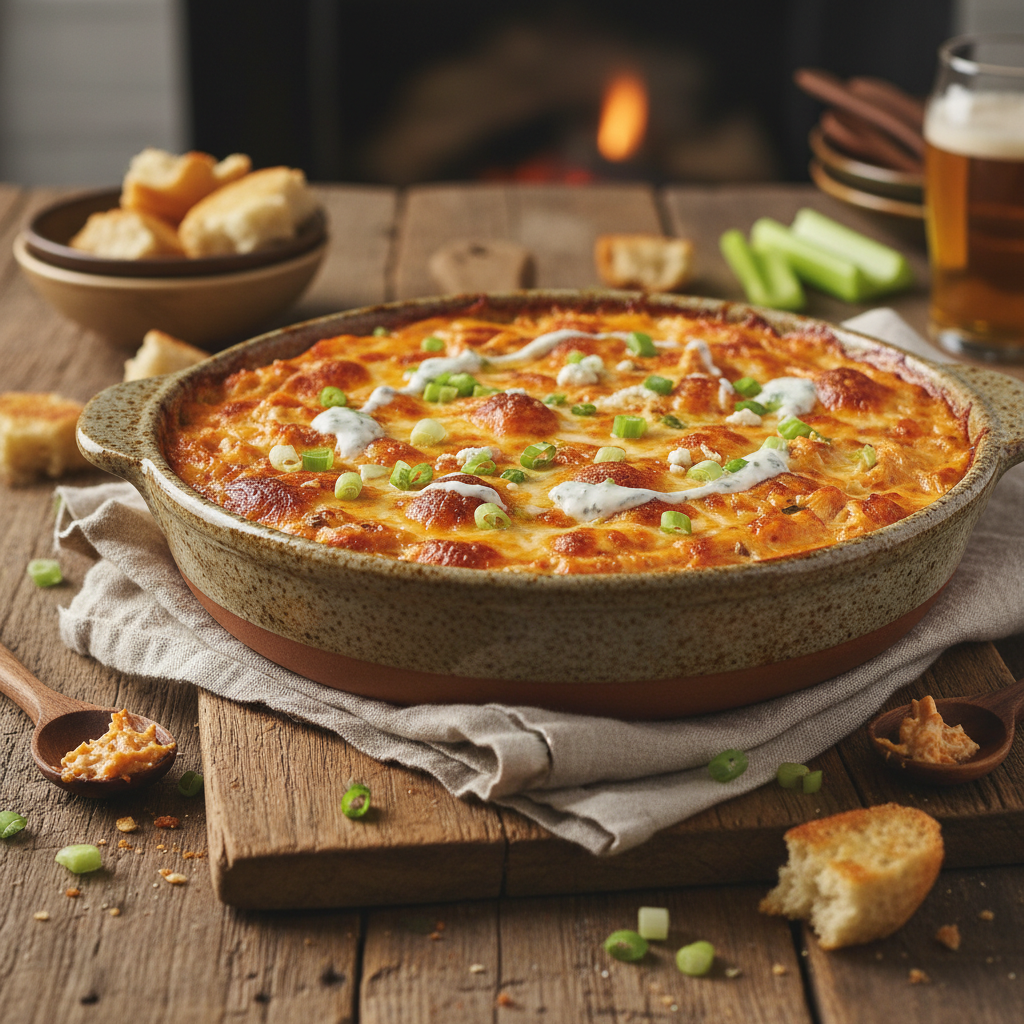
Buffalo Chicken Dip (Dairy-Free)
Shredding the chicken while it's still warm from cooking, not after it's cooled, is what lets it pull apart into thin, dip-friendly shreds instead of tough, stringy chunks.
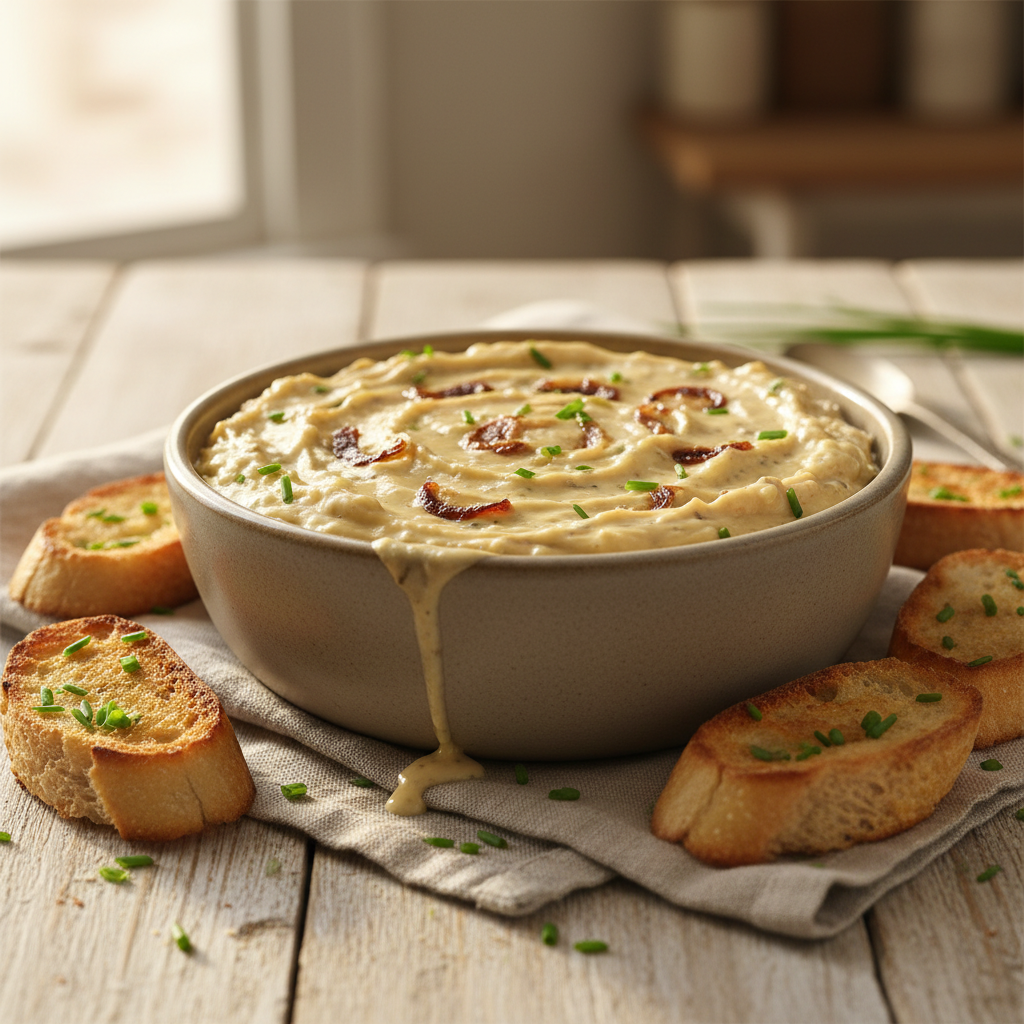
Caramelized Onion Dip (Dairy-Free)
Cooking the onions low and slow for a full 40-45 minutes, not rushing them on high heat, is what develops real caramelized sweetness instead of just browned, sharp-tasting onions.
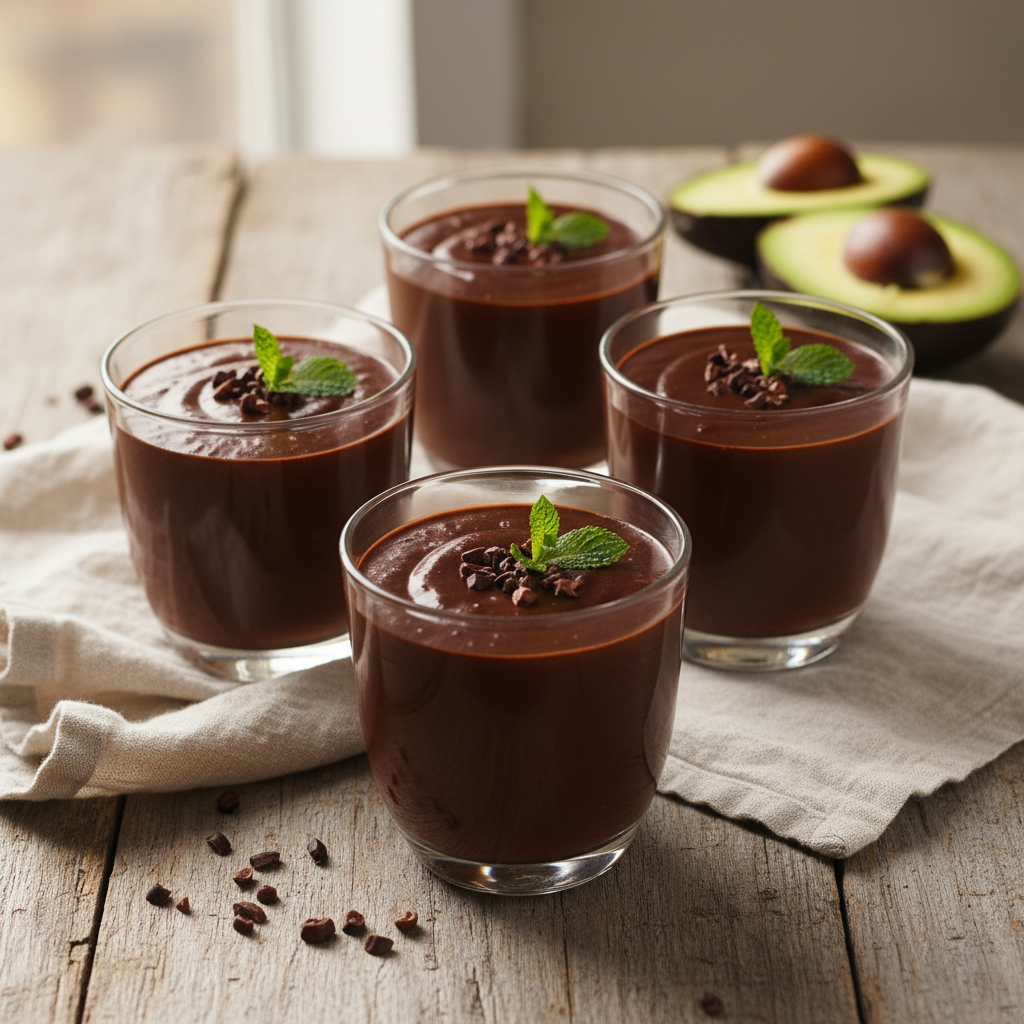
Chocolate Avocado Mousse Cups
Blending the avocado until completely smooth, with zero visible flecks, is what makes this taste like chocolate mousse instead of guacamole with cocoa powder in it.
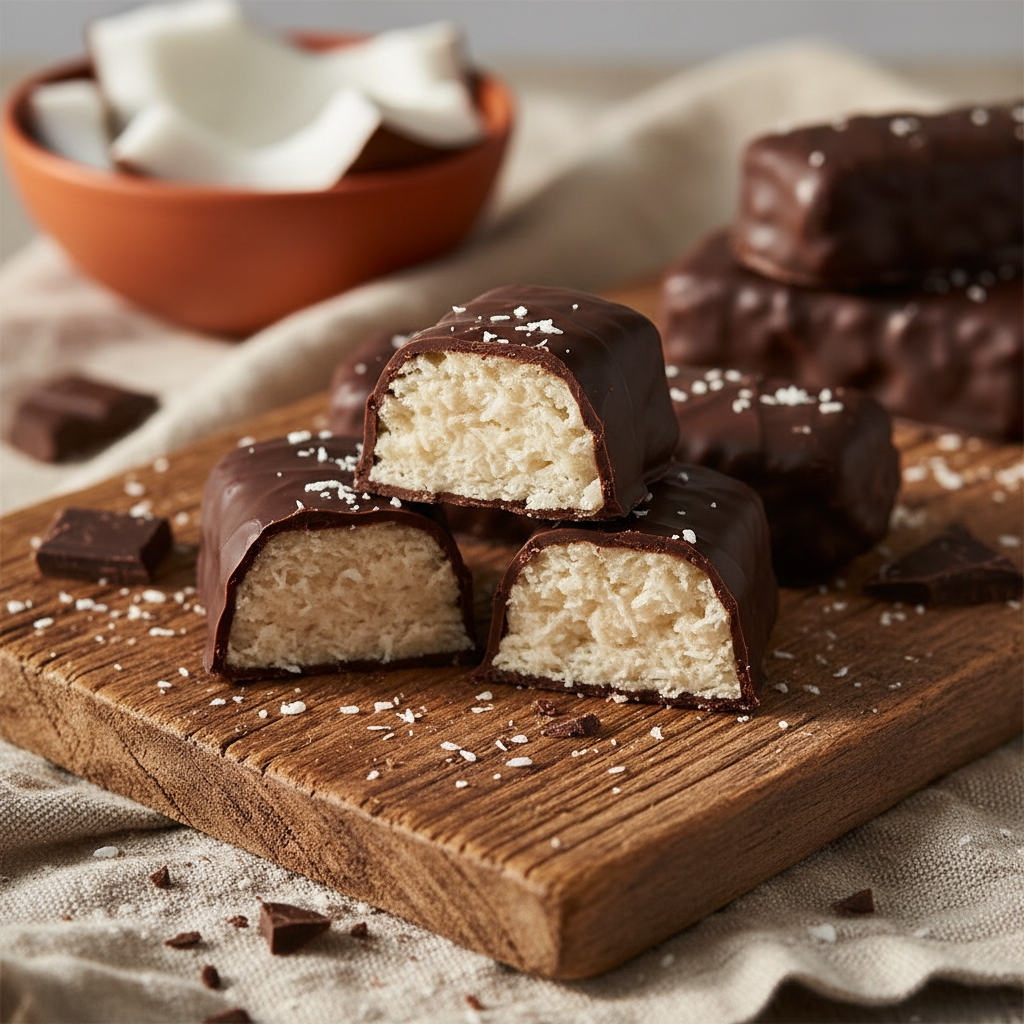
Chocolate Coconut Bars
Freezing the coconut filling completely solid before dipping it in chocolate is what keeps the layers distinct and clean-cut instead of the filling smearing into the chocolate coating.
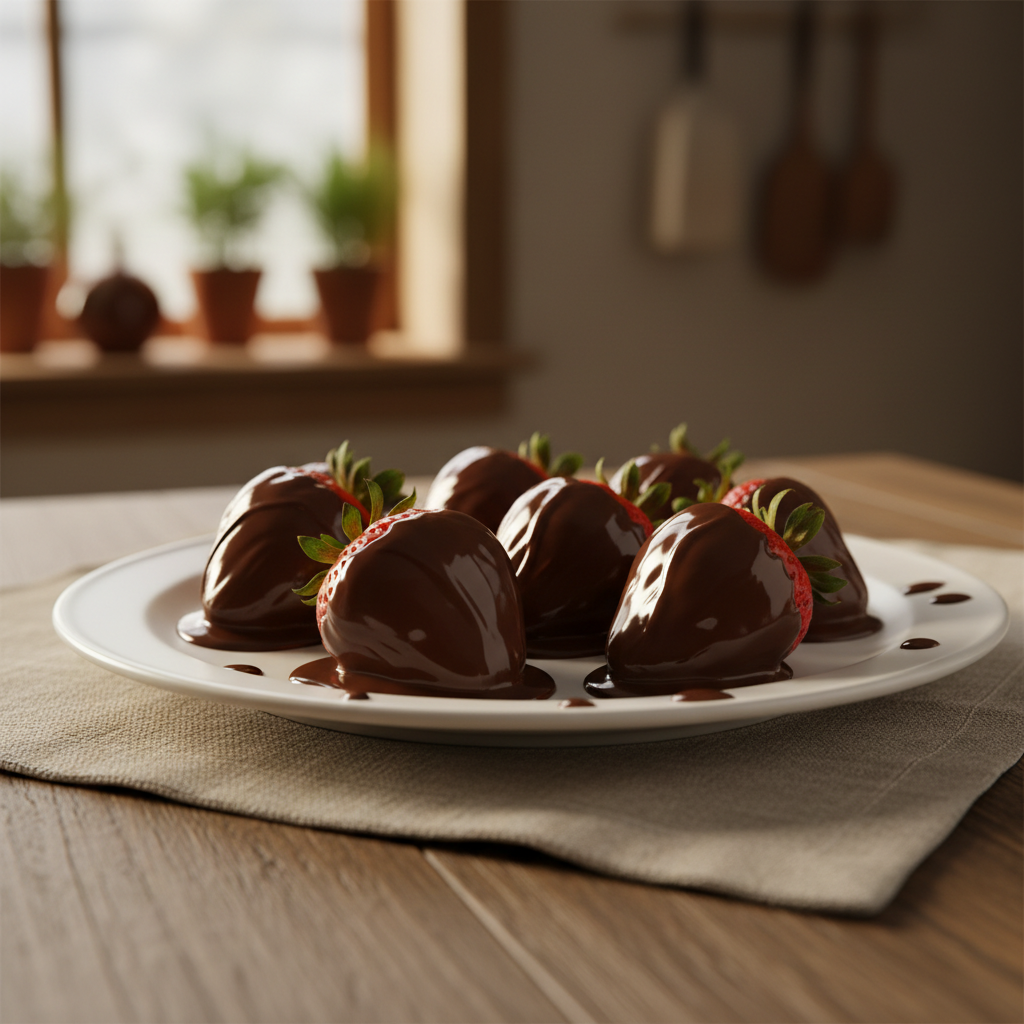
Chocolate-Dipped Strawberries (Tempered Dairy-Free Chocolate)
Stirring in a small amount of unmelted chocolate at the end — a technique called seeding — is what tempers the chocolate for a shiny, snappy coating instead of a dull, soft one.
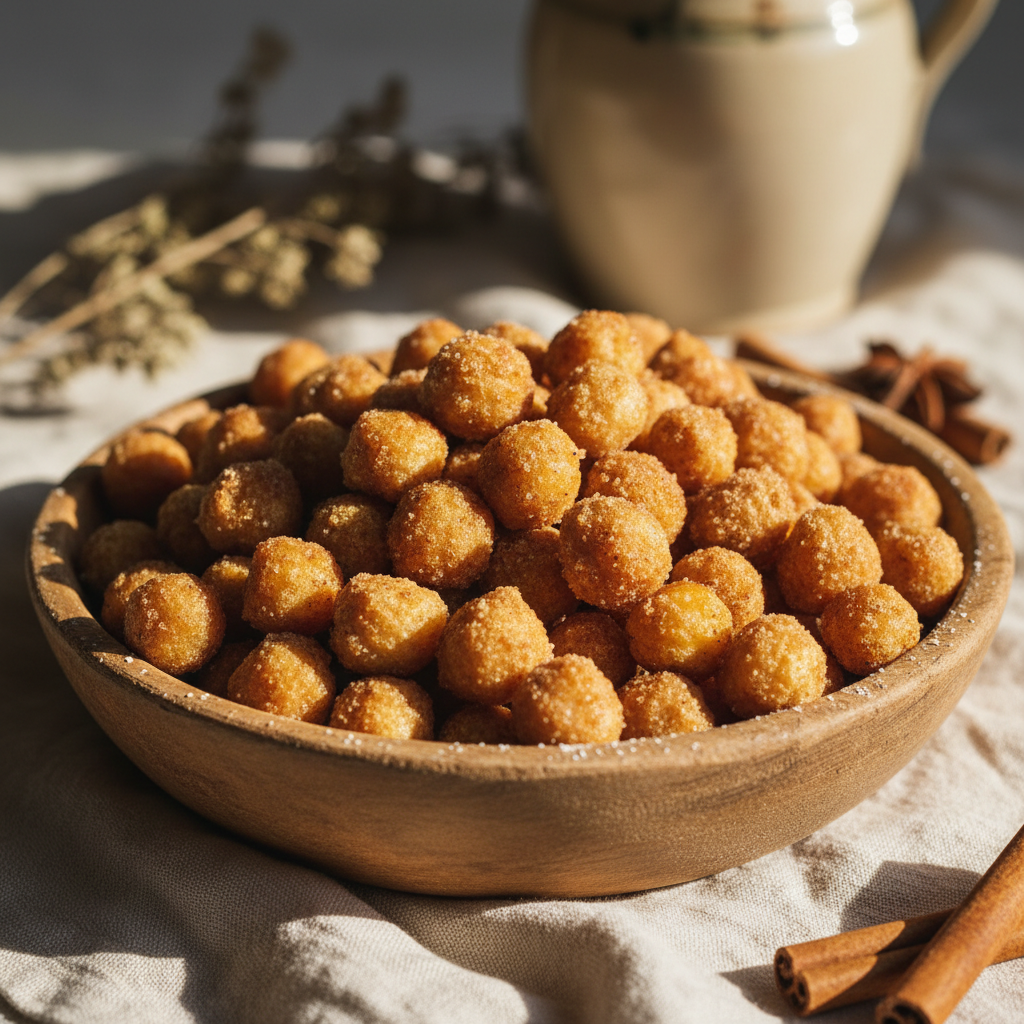
Cinnamon Roasted Chickpeas (Sweet)
Patting the chickpeas completely dry before roasting is the difference between a crisp, crunchy snack and one that stays soft and steamed.
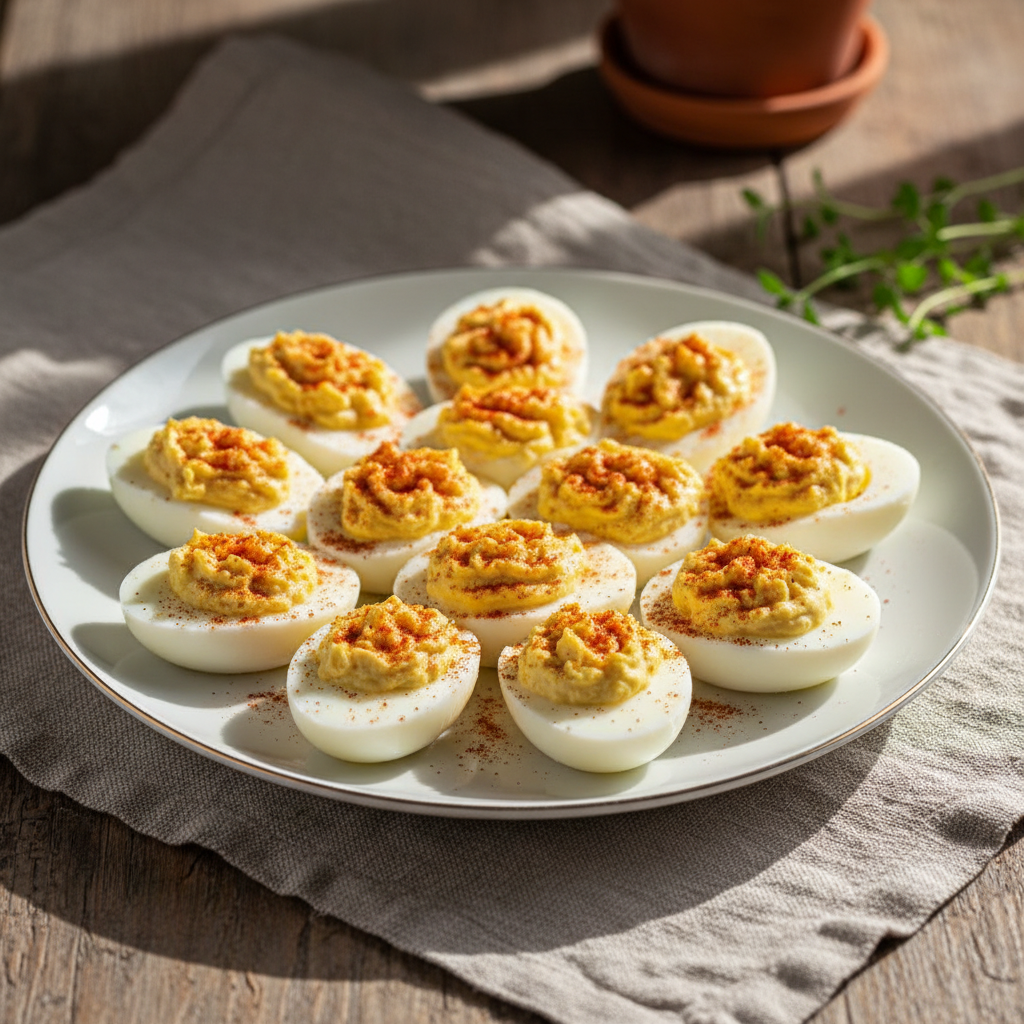
Classic Deviled Eggs (Dairy-Free)
Gently simmering the eggs, never boiling them hard, and shocking them in ice water right after is what prevents that gray-green ring from forming around the yolk.
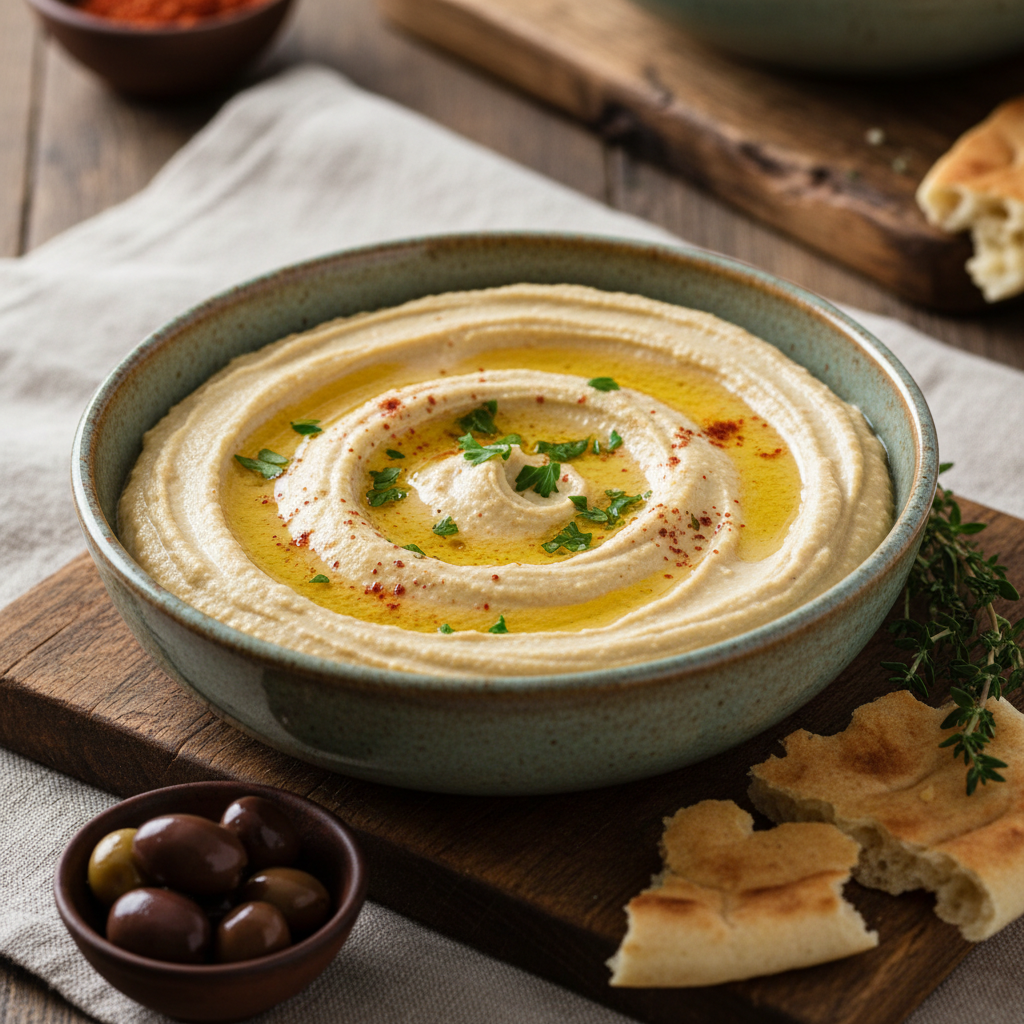
Classic Hummus
Blending the chickpeas for a full 3-4 minutes, well past the point where it looks done, is what breaks down every last grainy bit into something truly silky.
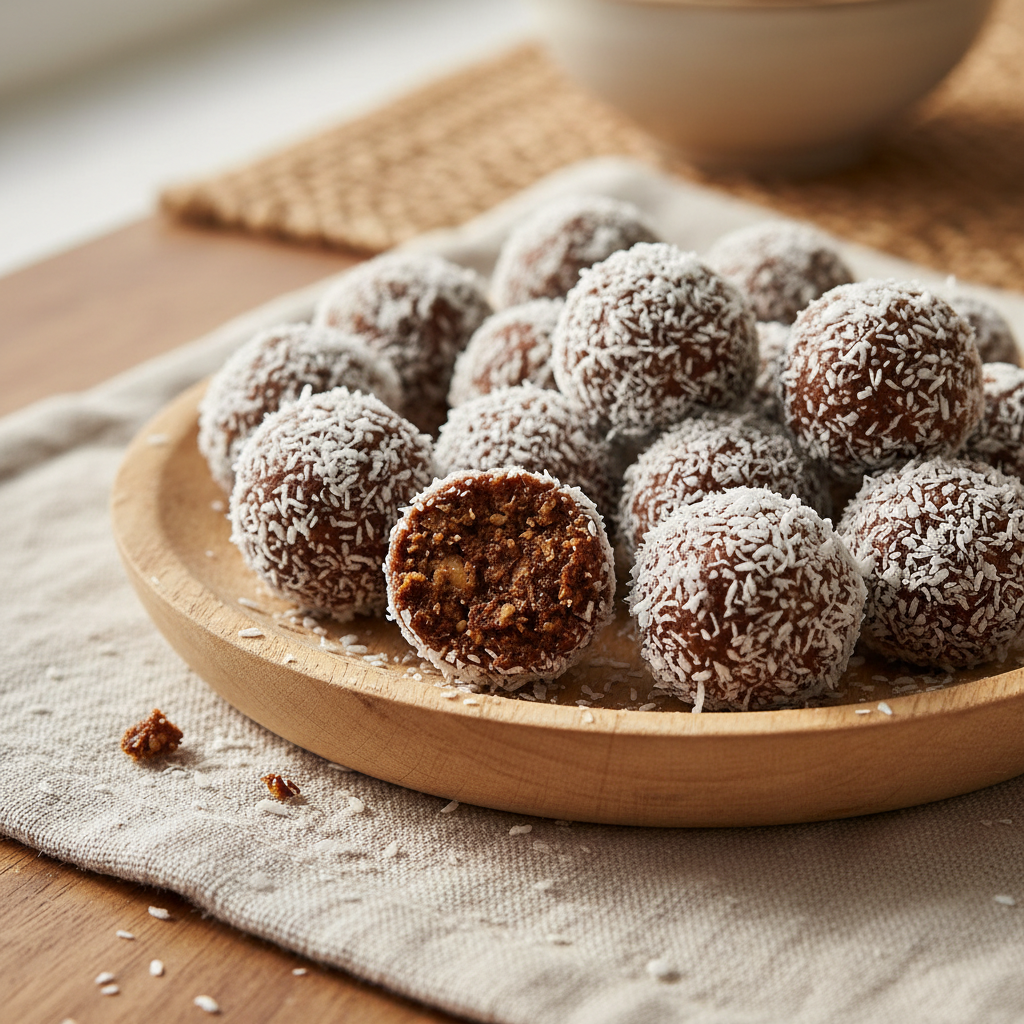
Coconut Cashew Energy Bites
Processing the dates and cashews until the mixture clumps together and sticks to itself when pressed — the 'sticky ball test' — is how you know it's blended long enough to hold as bites without any oats or flour.
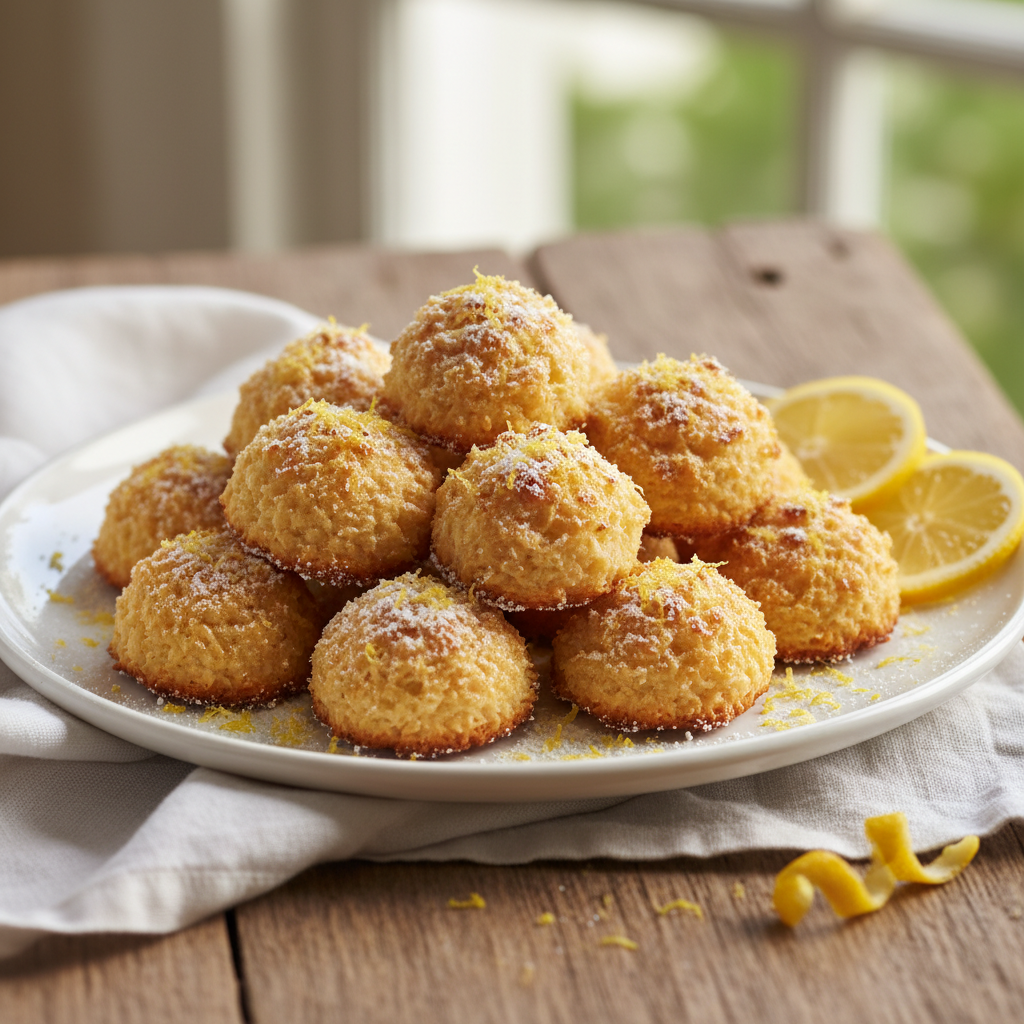
Coconut Flour Lemon Bites
Letting the coconut flour batter rest for 5 minutes before shaping gives its exceptionally absorbent starches time to fully hydrate, so the bites don't crumble apart dry.
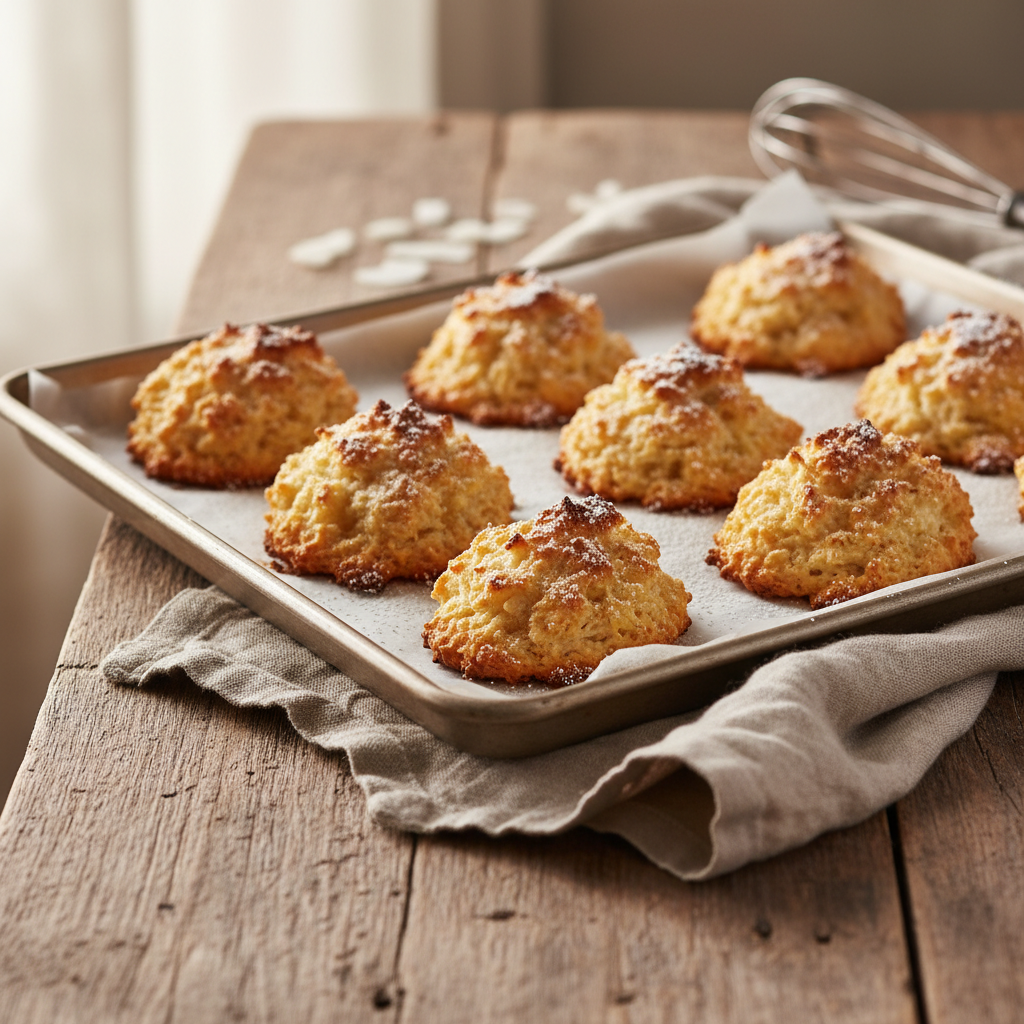
Coconut Macaroons (Dairy-Free)
Pulling the macaroons from the oven while the centers still look slightly underdone is what keeps them chewy — baking until they look fully done everywhere dries them out.
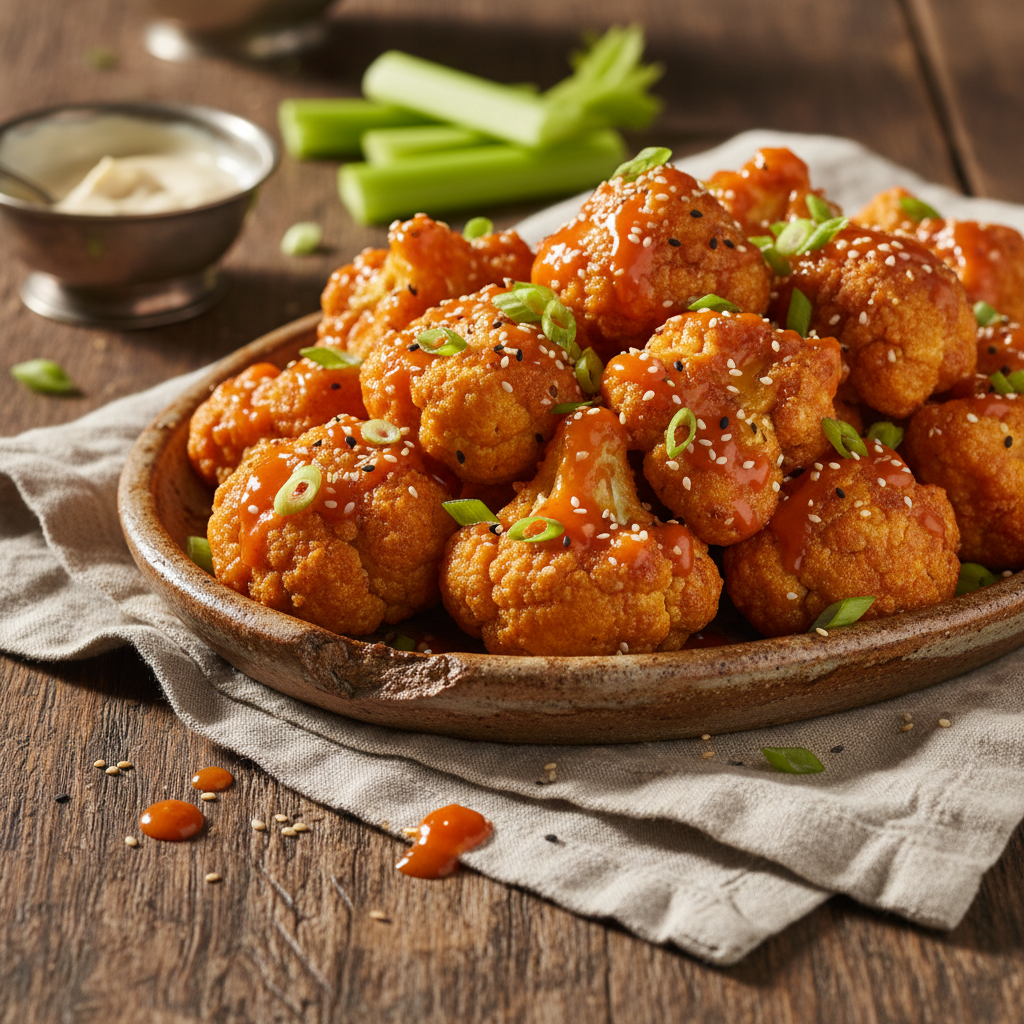
Crispy Baked Buffalo Cauliflower Bites
Tossing the baked cauliflower in sauce only after it comes out of the oven, not before, is what keeps the coating crisp instead of steaming soft under a wet sauce.
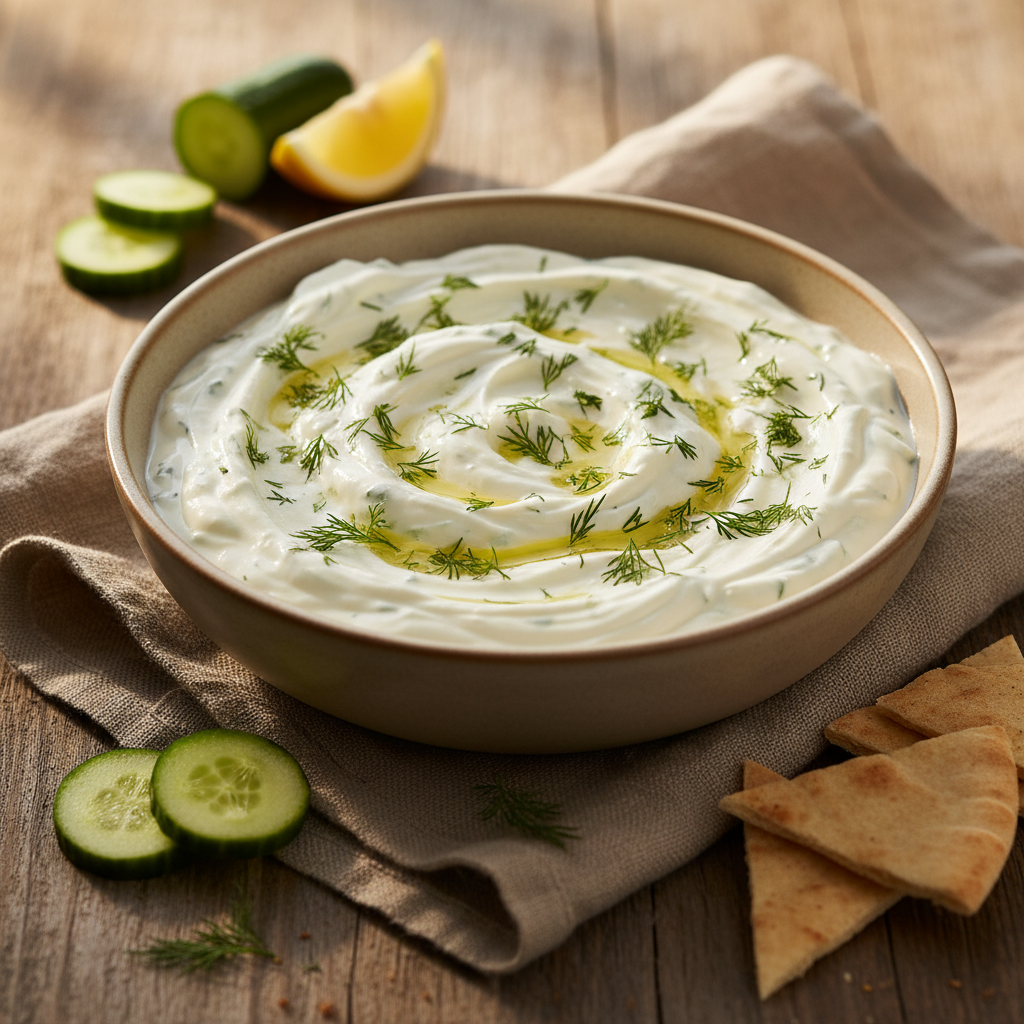
Cucumber Tzatziki (Dairy-Free)
Salting the grated cucumber and squeezing it dry before mixing is what keeps this tzatziki thick and scoopable instead of turning into a watery, runny sauce within an hour.
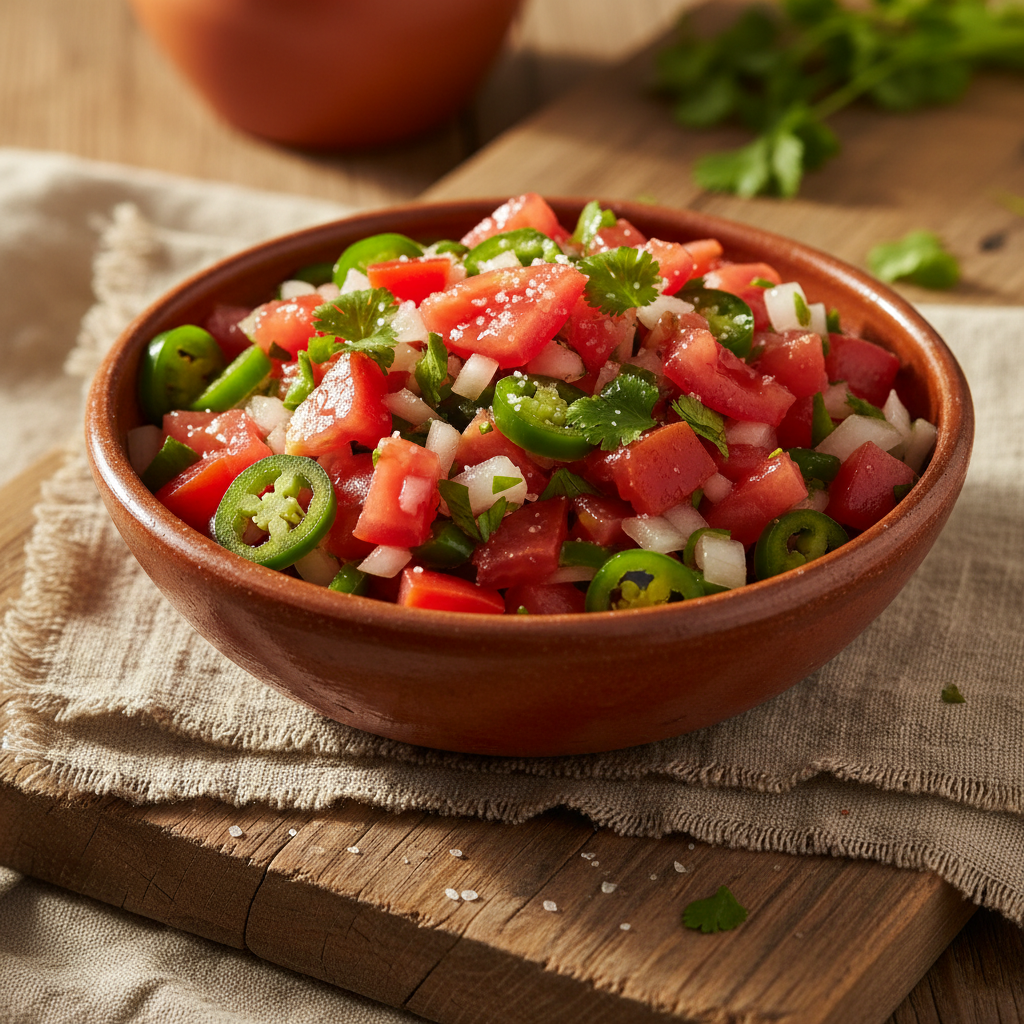
Fresh Pico de Gallo
Salting the diced tomatoes and letting them drain in a colander for 10 minutes before mixing is what keeps this salsa chunky instead of watery.
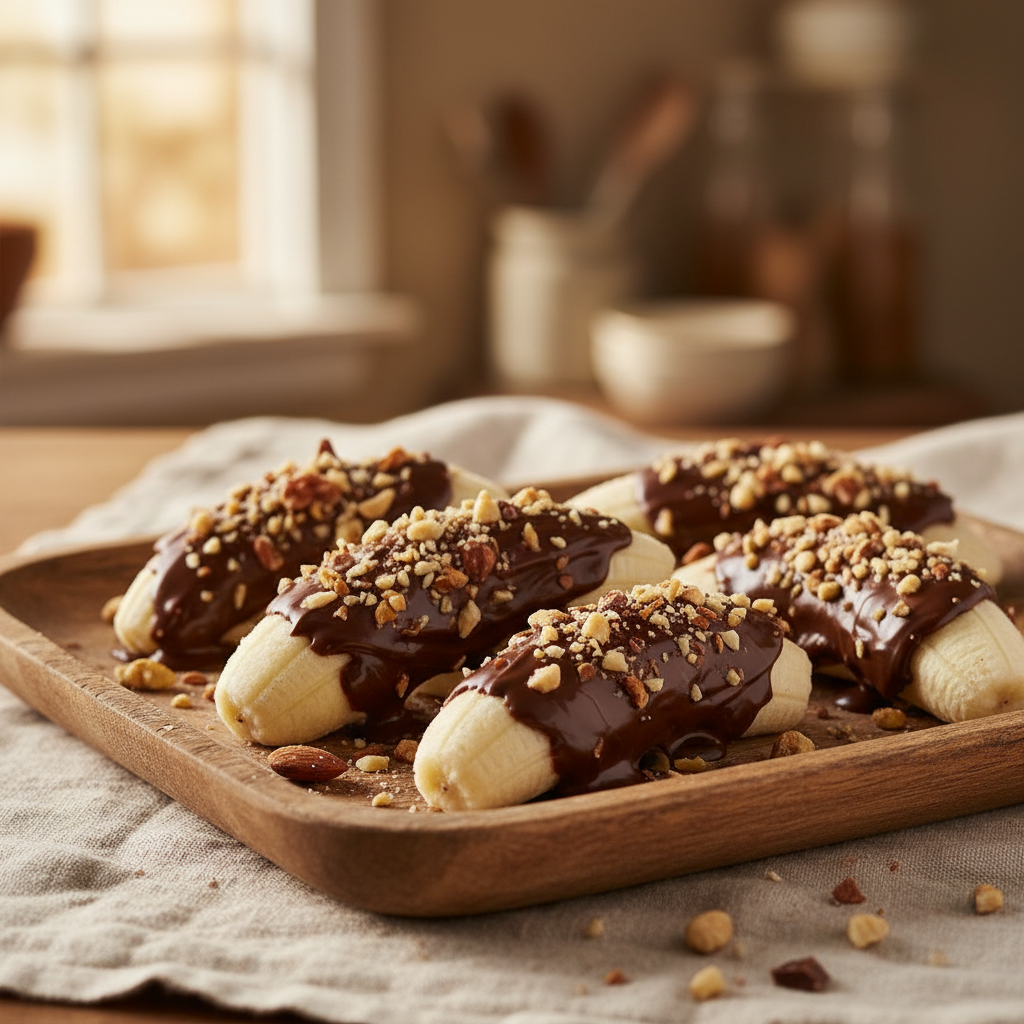
Frozen Banana Bites with Dark Chocolate
Freezing the banana slices completely solid before dipping is what keeps them from turning to mush the moment they touch the warm melted chocolate.
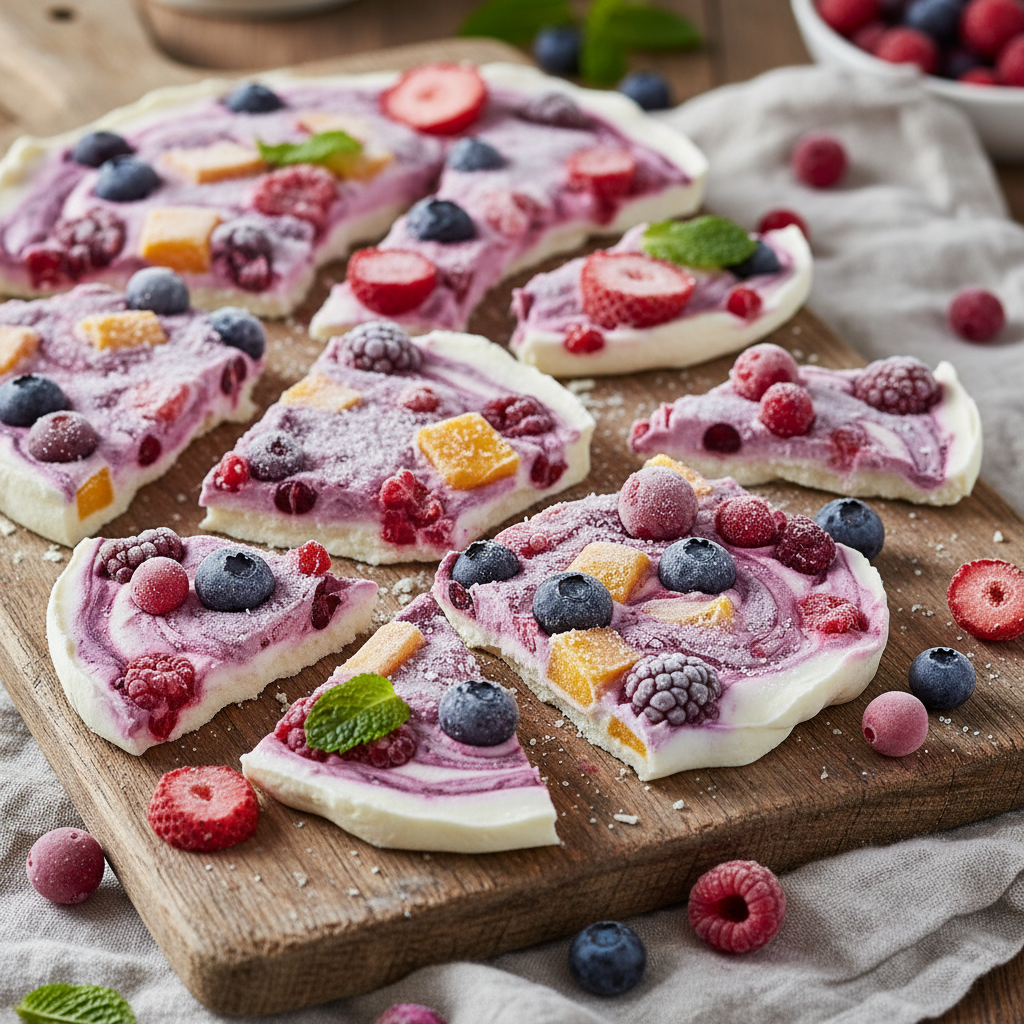
Frozen Yogurt Bark (Coconut Yogurt)
Spreading the yogurt in a thin, even layer before freezing is what makes it snap into clean shards instead of thick, chewy chunks that are hard to bite through.
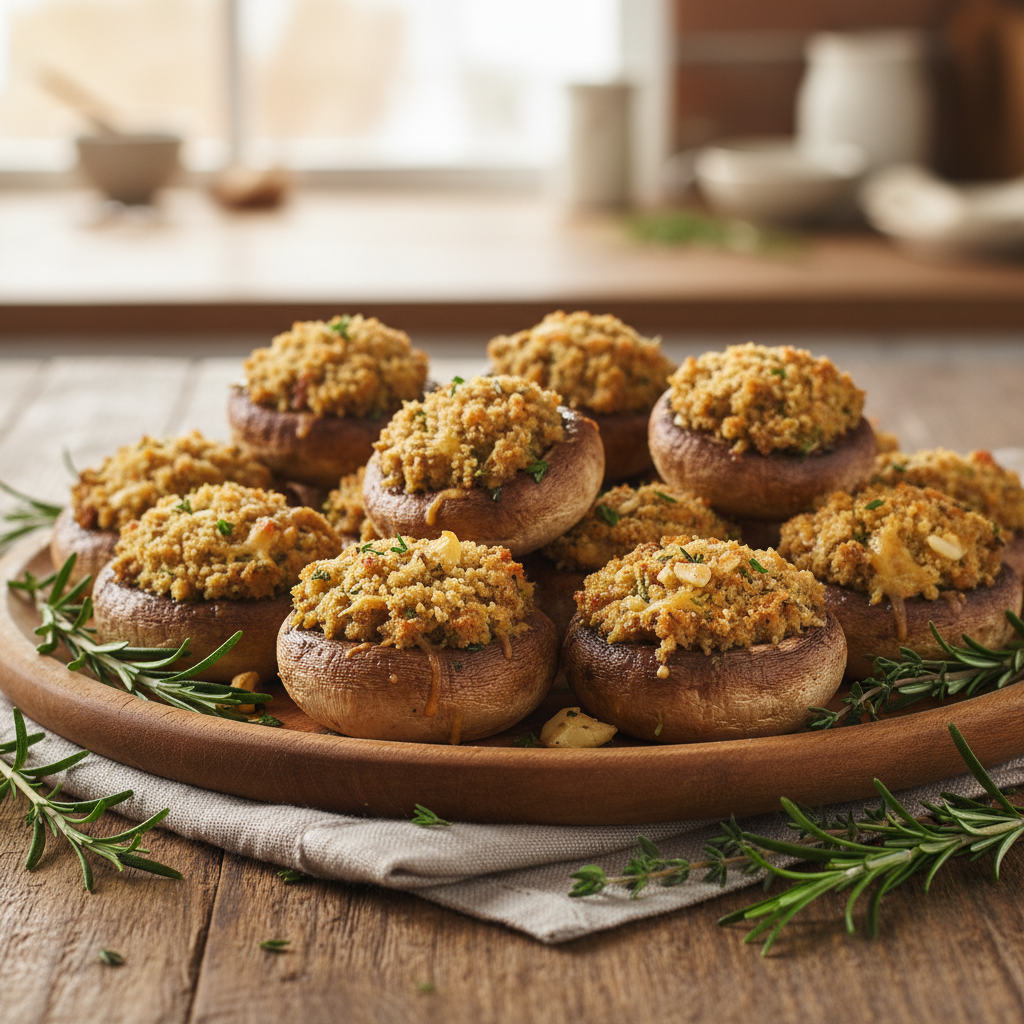
Garlic Herb Stuffed Mushrooms
Scraping the gills out of larger mushroom caps before stuffing keeps the filling from turning watery and dark as the mushrooms release their liquid while baking.
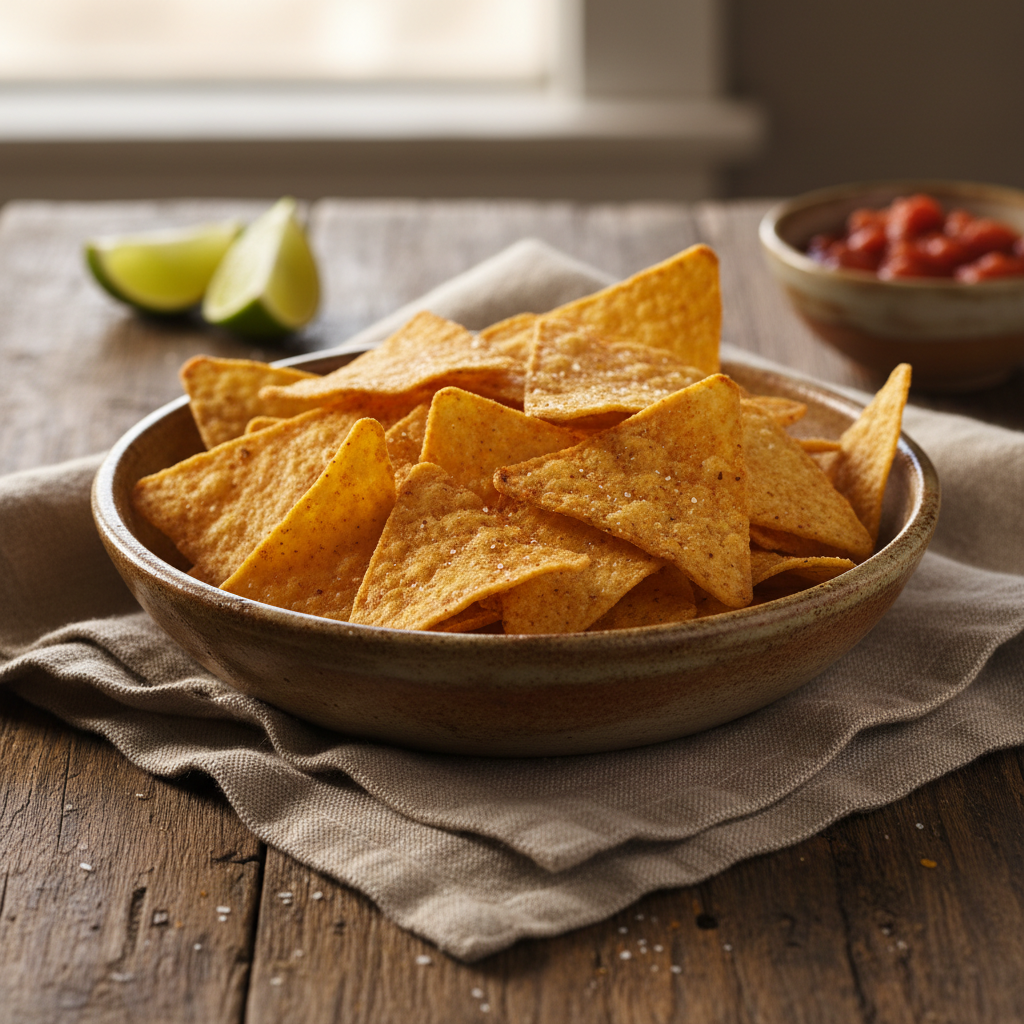
Homemade Baked Tortilla Chips
Cutting the tortillas into even wedges and spacing them without overlap is what lets every chip crisp uniformly instead of some staying soft where they're stacked.
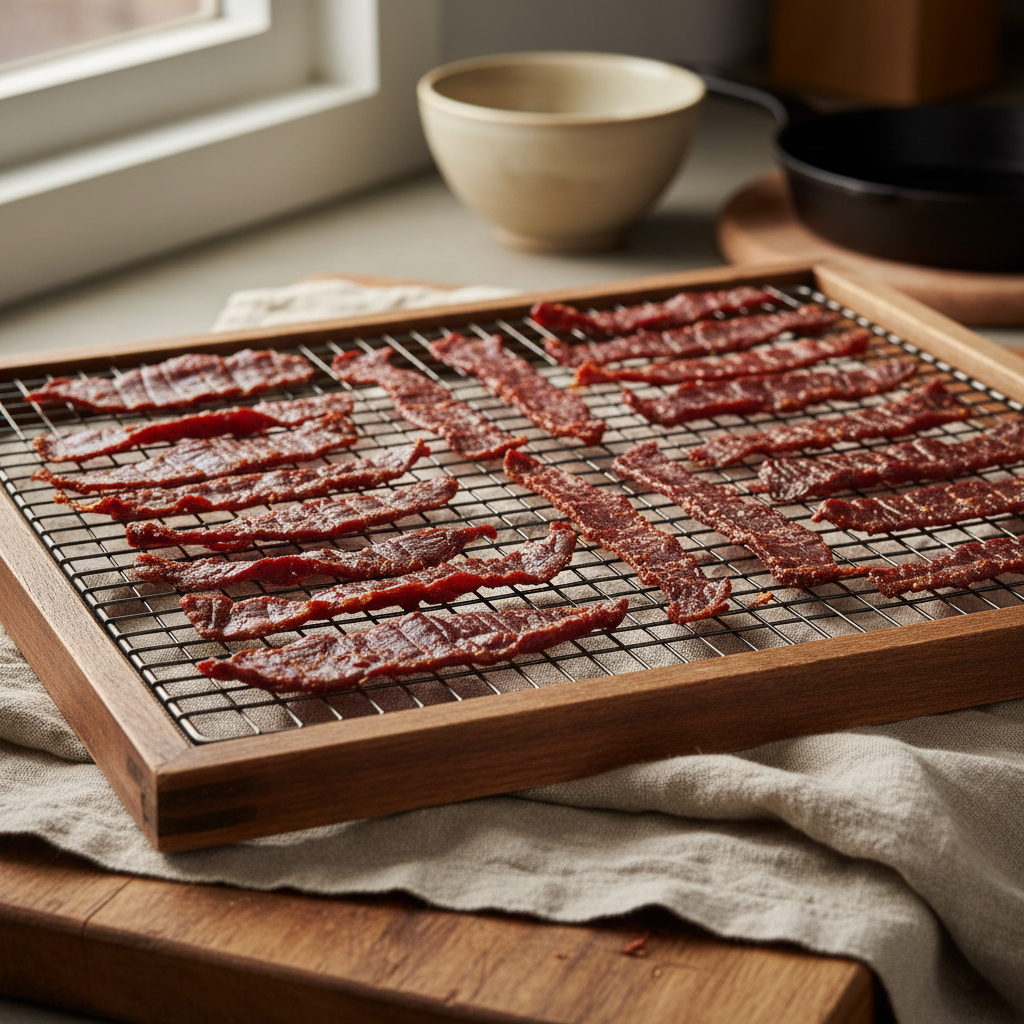
Homemade Beef Jerky
Slicing the beef with the grain, not against it, is what gives real jerky its signature chew — cutting against the grain makes it tender enough to fall apart instead of chewy.
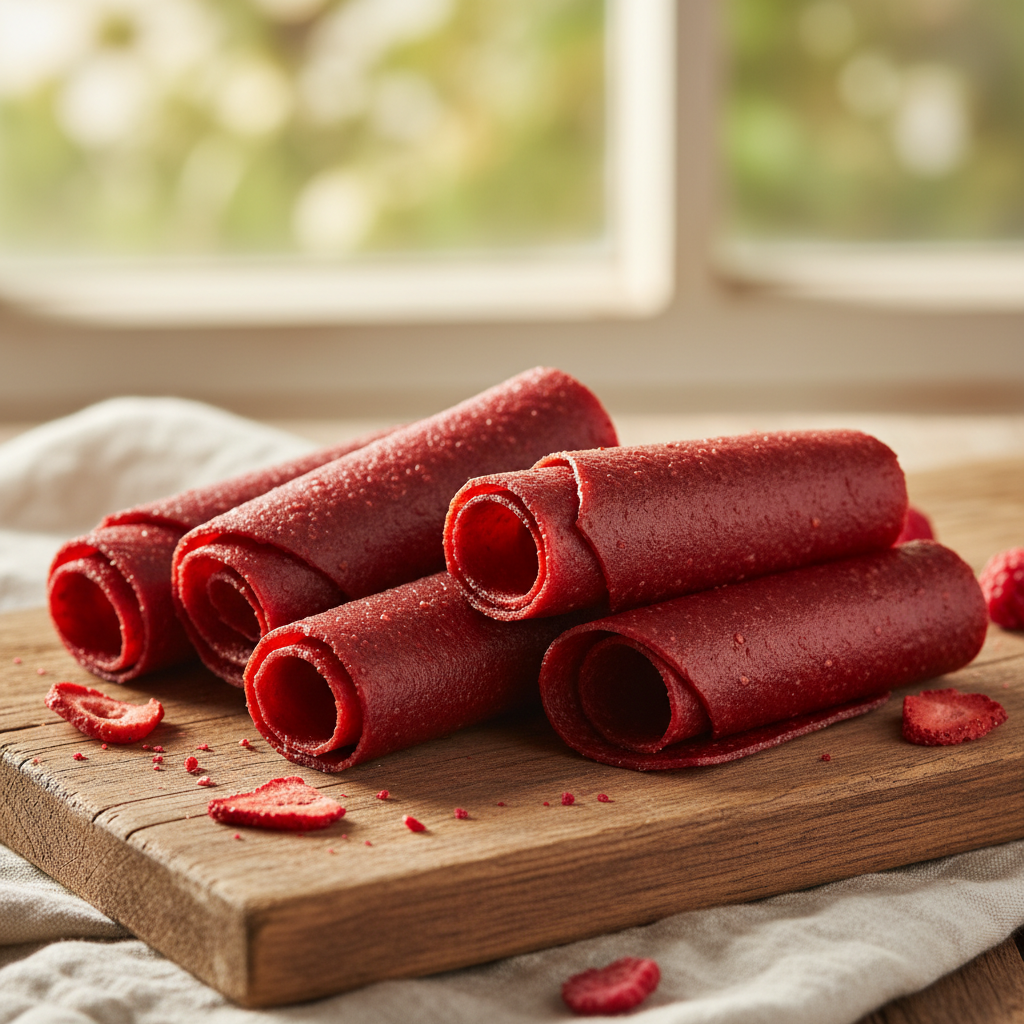
Homemade Fruit Leather
Rolling the parchment paper around the fruit leather while it's still slightly warm is what lets it curl into a neat roll instead of cracking once it's fully cooled and rigid.
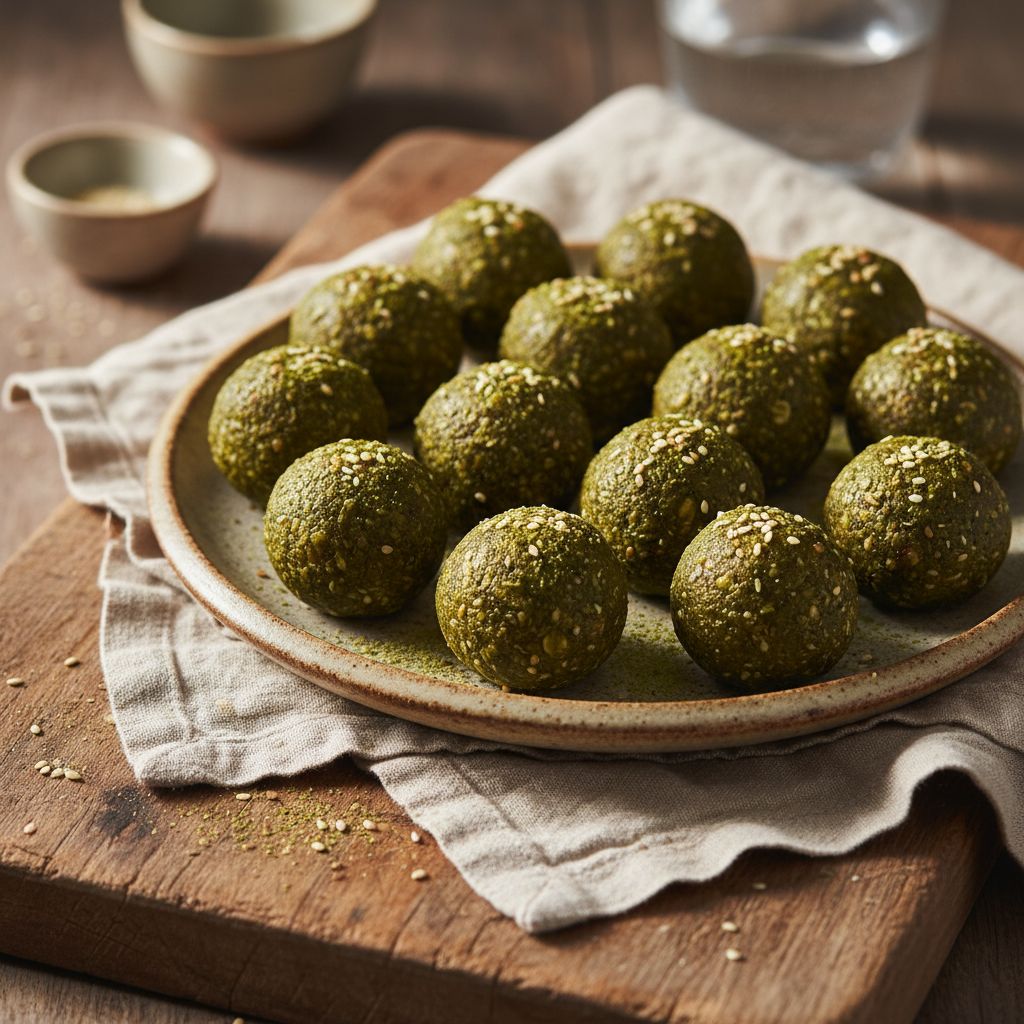
Matcha Energy Bites
Sifting the matcha powder before adding it to the mixture is what prevents small green clumps from ending up in random bites instead of blending in evenly.
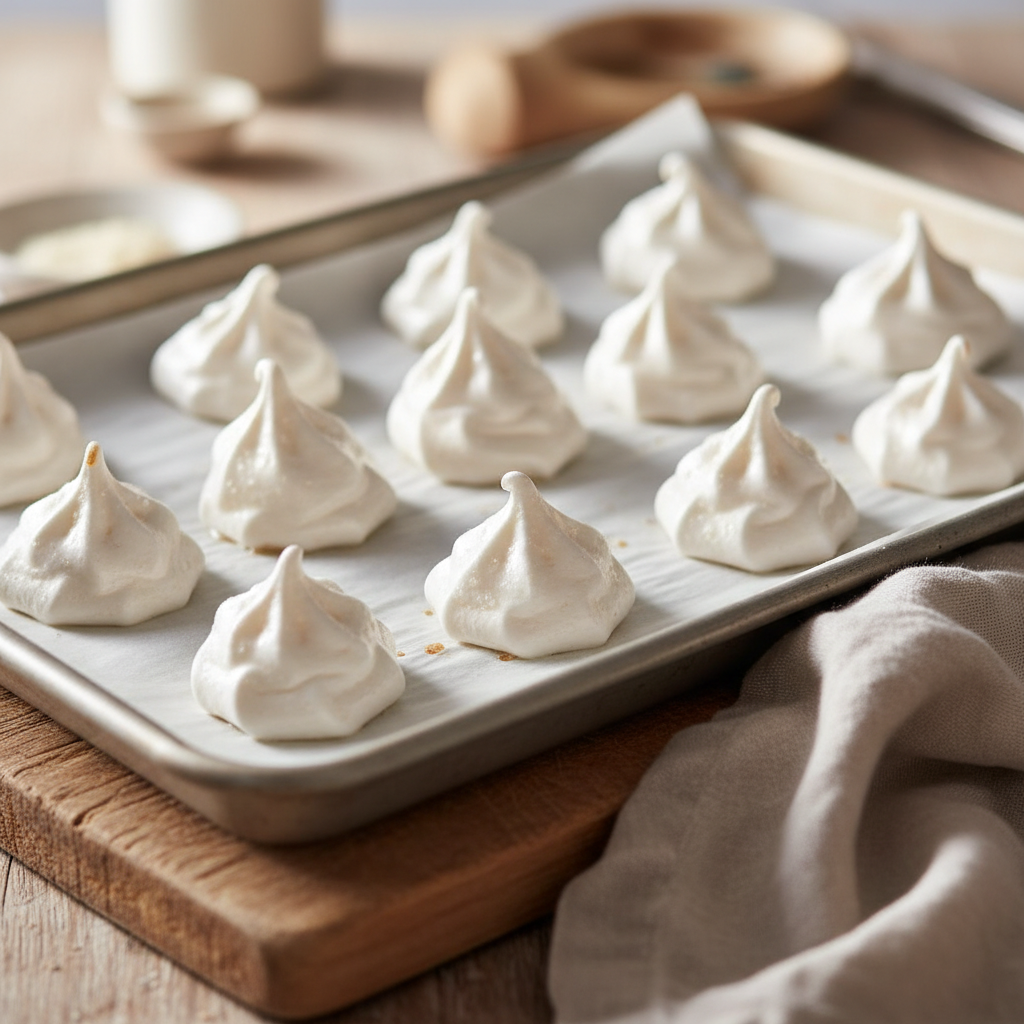
Meringue Cookies (Aquafaba, Sugar-Free)
Whipping the aquafaba until it holds stiff, glossy peaks — the same test used for real egg whites — is what makes these meringues crisp instead of collapsing into a sticky puddle.
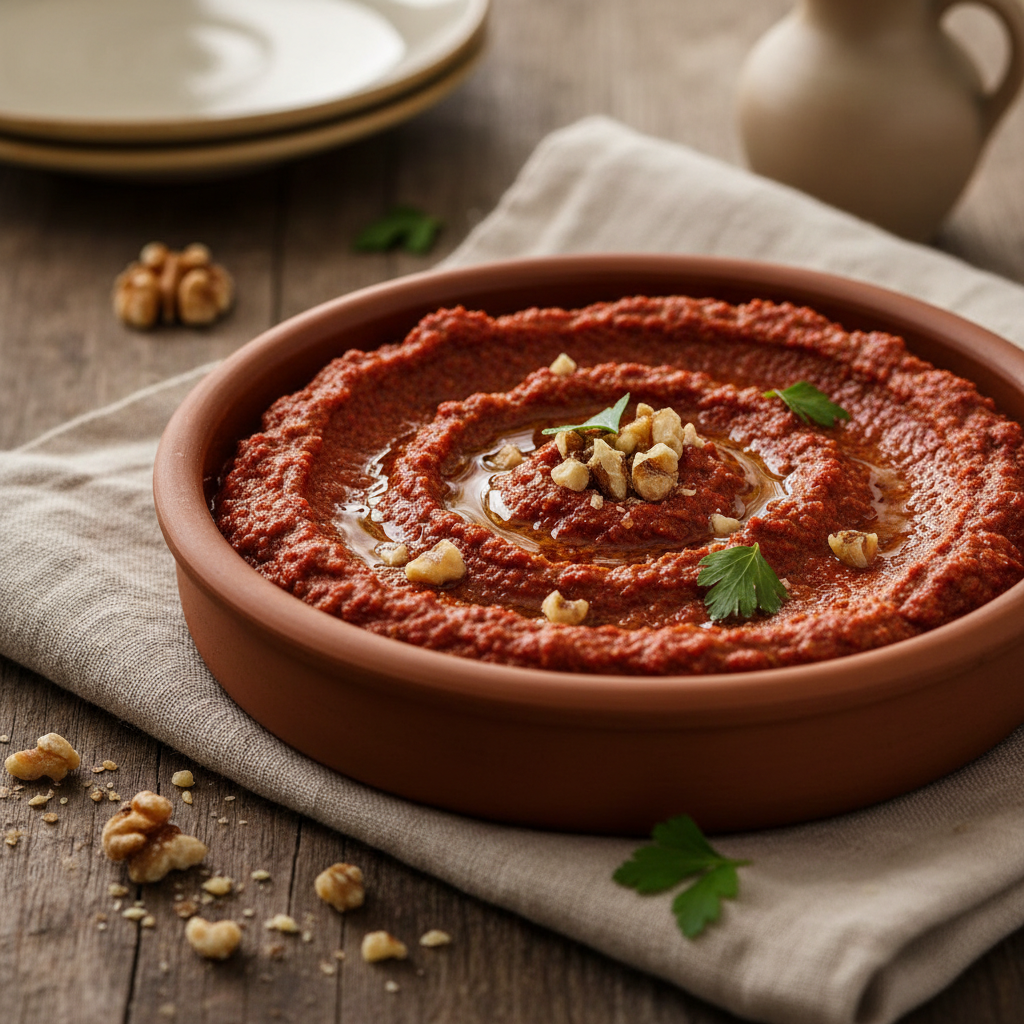
Muhammara (Roasted Red Pepper & Walnut Dip)
Toasting the walnuts before blending them in is what gives muhammara its deep, roasted backbone — raw walnuts leave the dip tasting one-dimensionally sweet from the peppers alone.
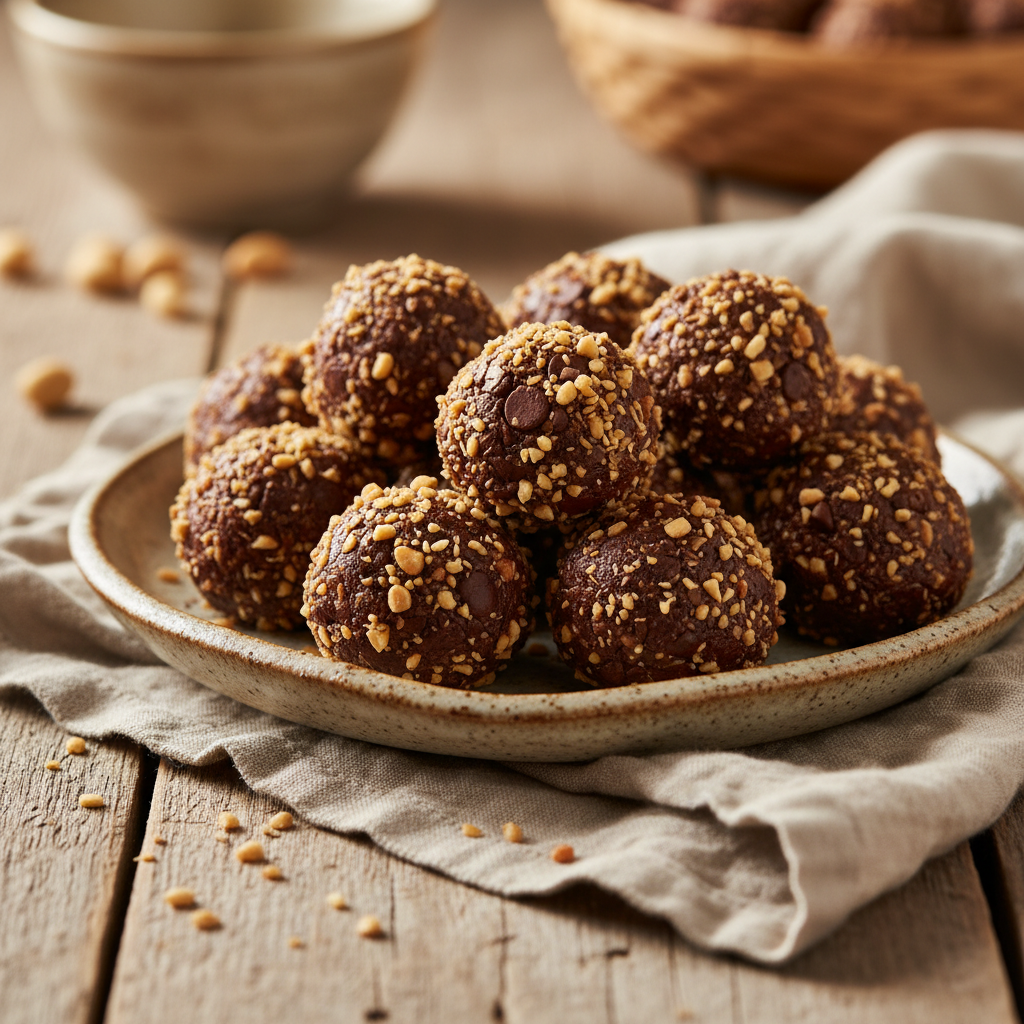
No-Bake Chocolate Peanut Butter Energy Bites
Chilling the mixture for 15 minutes before rolling is what keeps the sticky dough from sticking to your hands instead of forming clean, round bites.
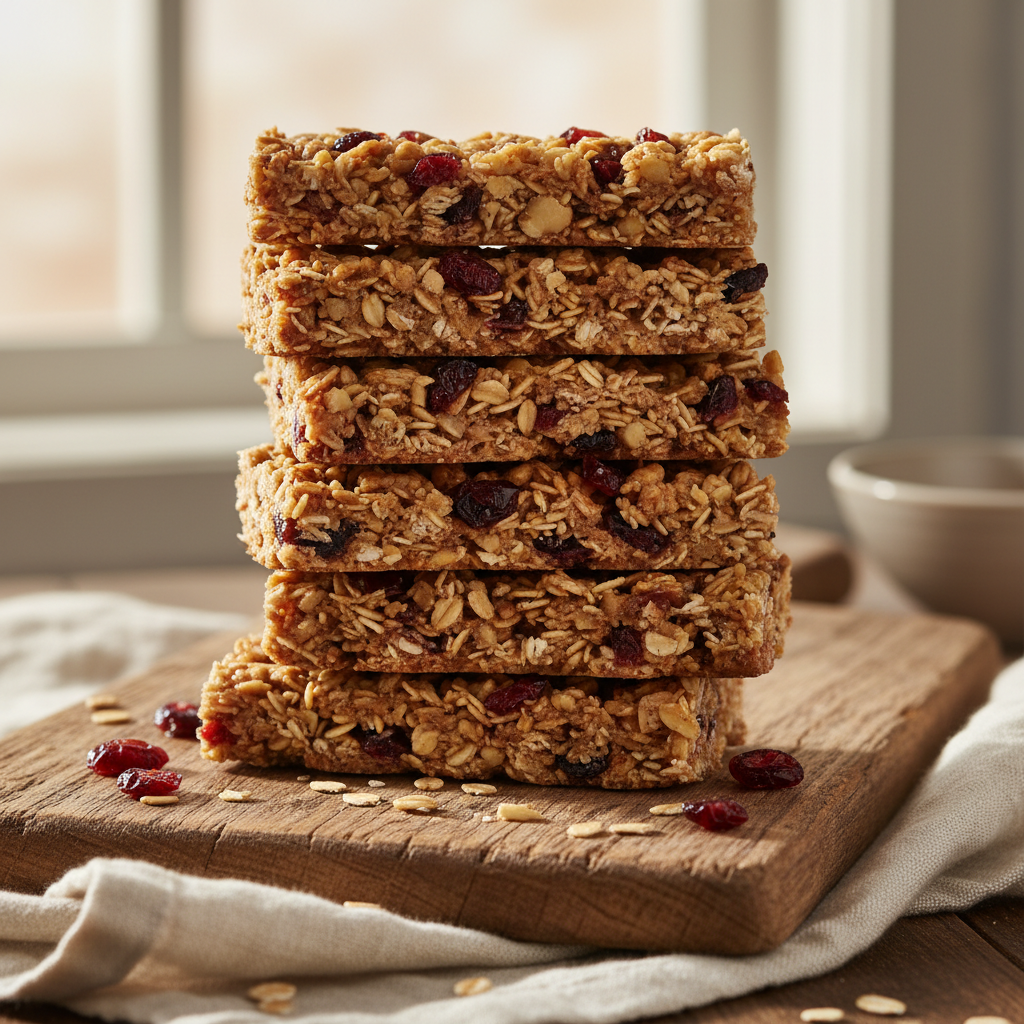
No-Bake Granola Bars
Pressing the mixture firmly and evenly into the pan with the bottom of a measuring cup is what keeps the bars from crumbling apart when sliced.
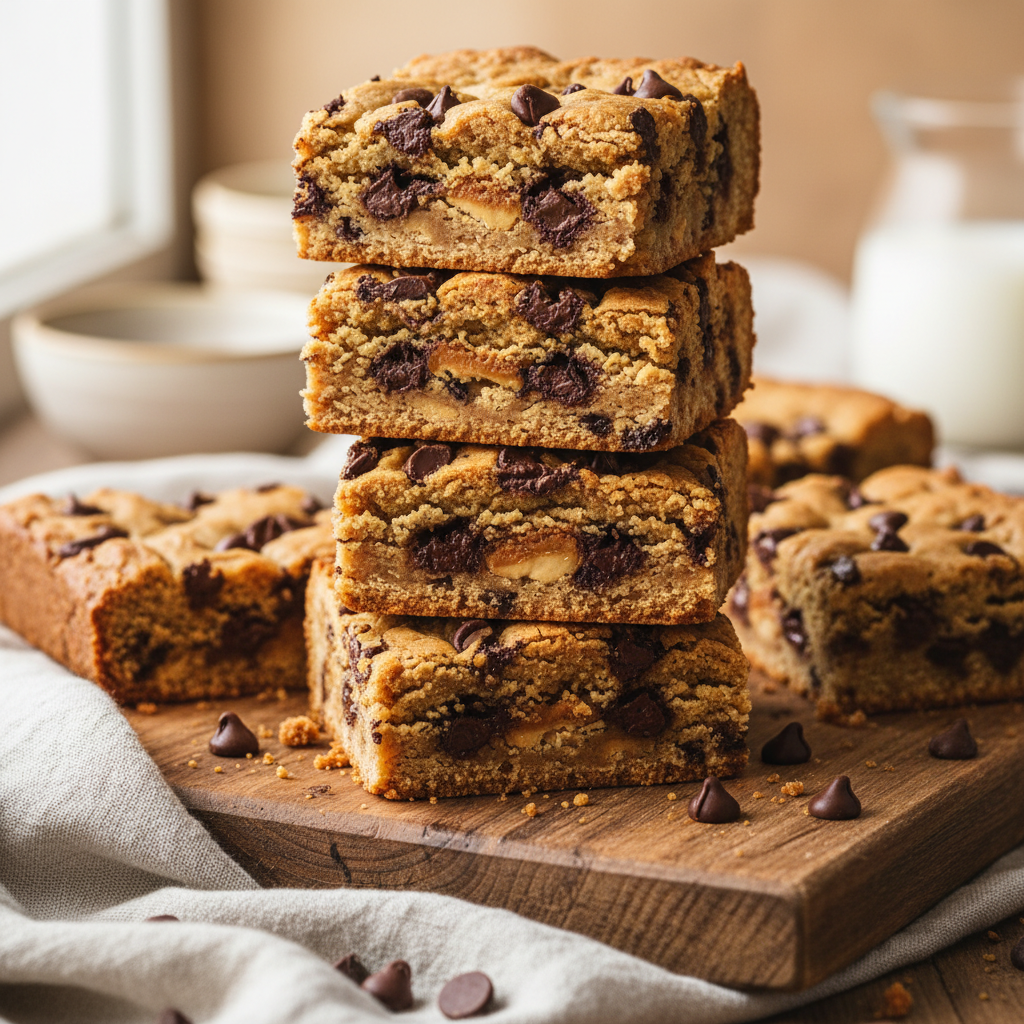
Peanut Butter Chocolate Chip Bars
Folding the chocolate chips in only after the warm mixture has cooled slightly is what keeps them from melting into streaks instead of staying as distinct chips.
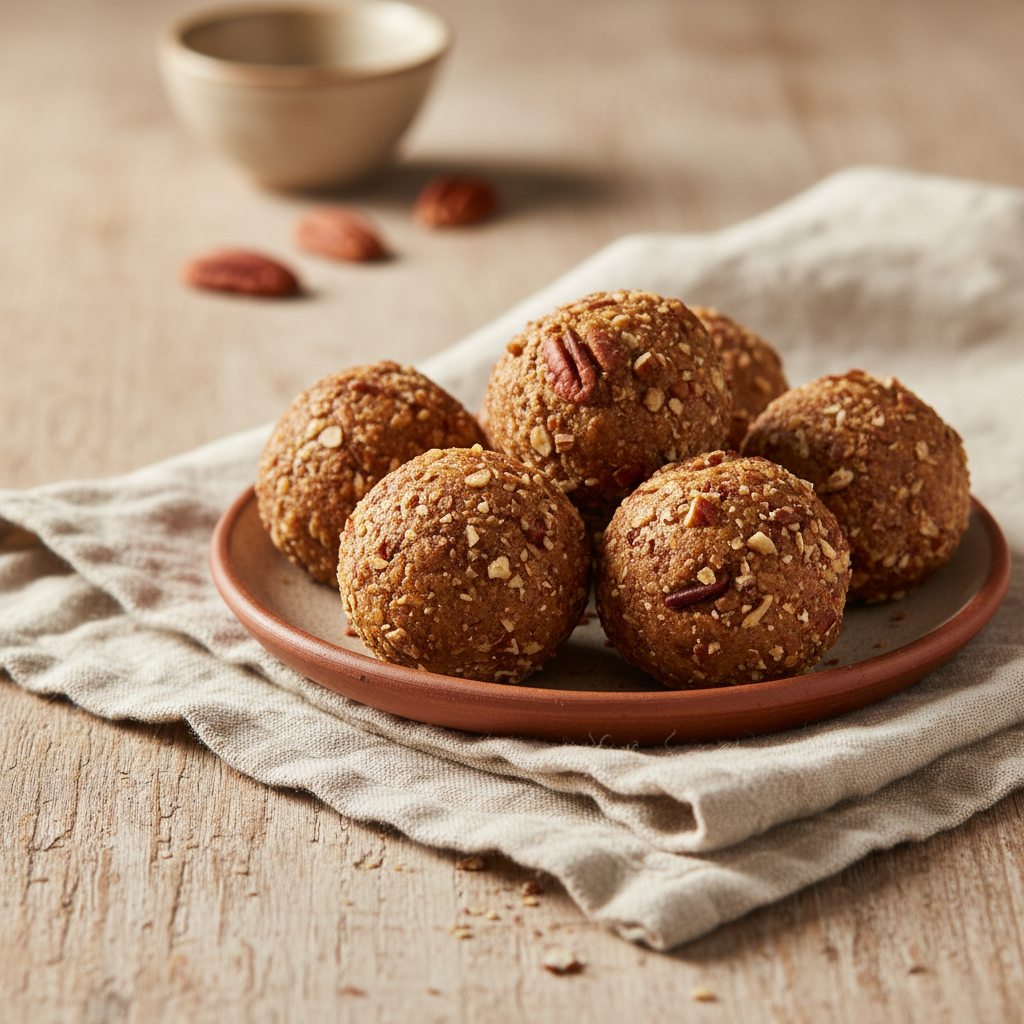
Pecan Pie Energy Bites
Toasting the pecans before blending them in is what gives these bites their rich, roasted pecan pie flavor — raw pecans taste comparatively flat and one-dimensional.
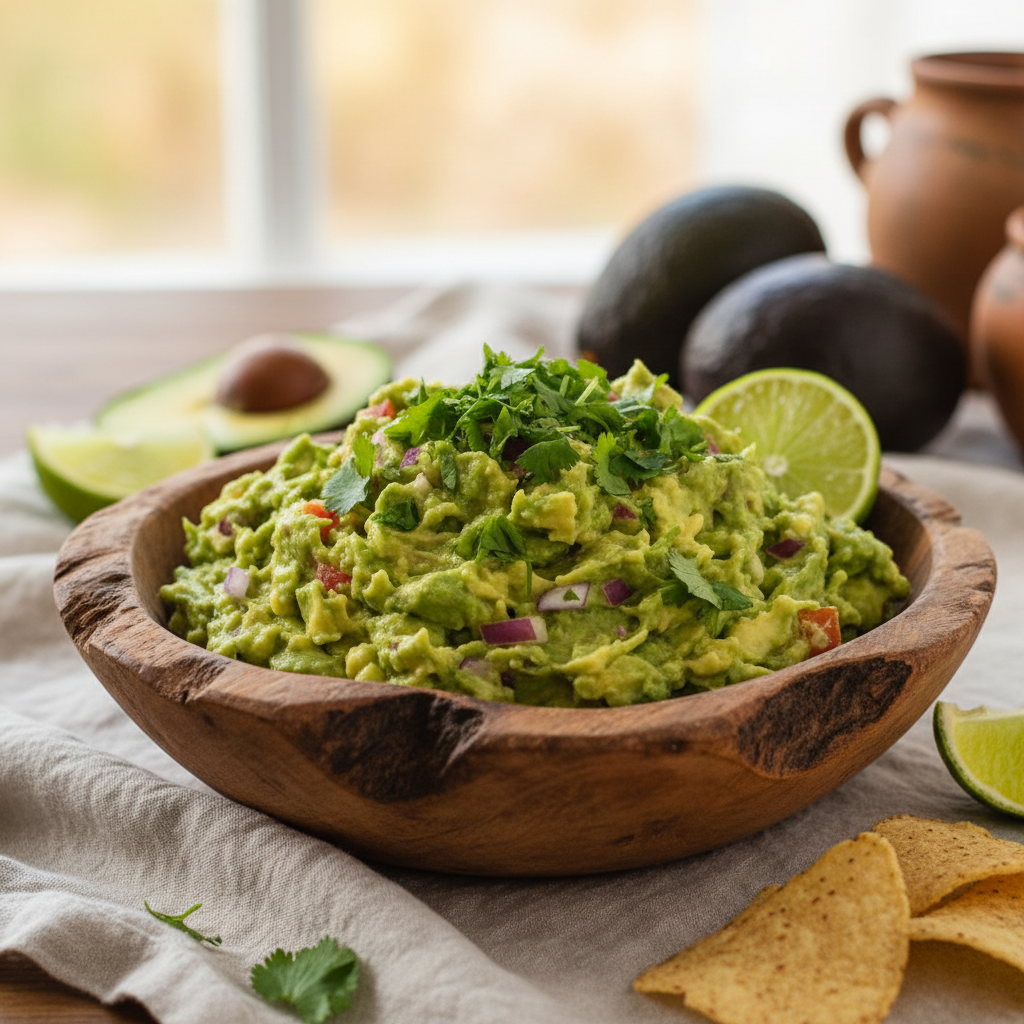
Perfect Guacamole
Pressing plastic wrap directly onto the surface of the guacamole, with no air gaps, is what actually stops it from browning — lime juice alone only slows oxidation, it doesn't stop it.
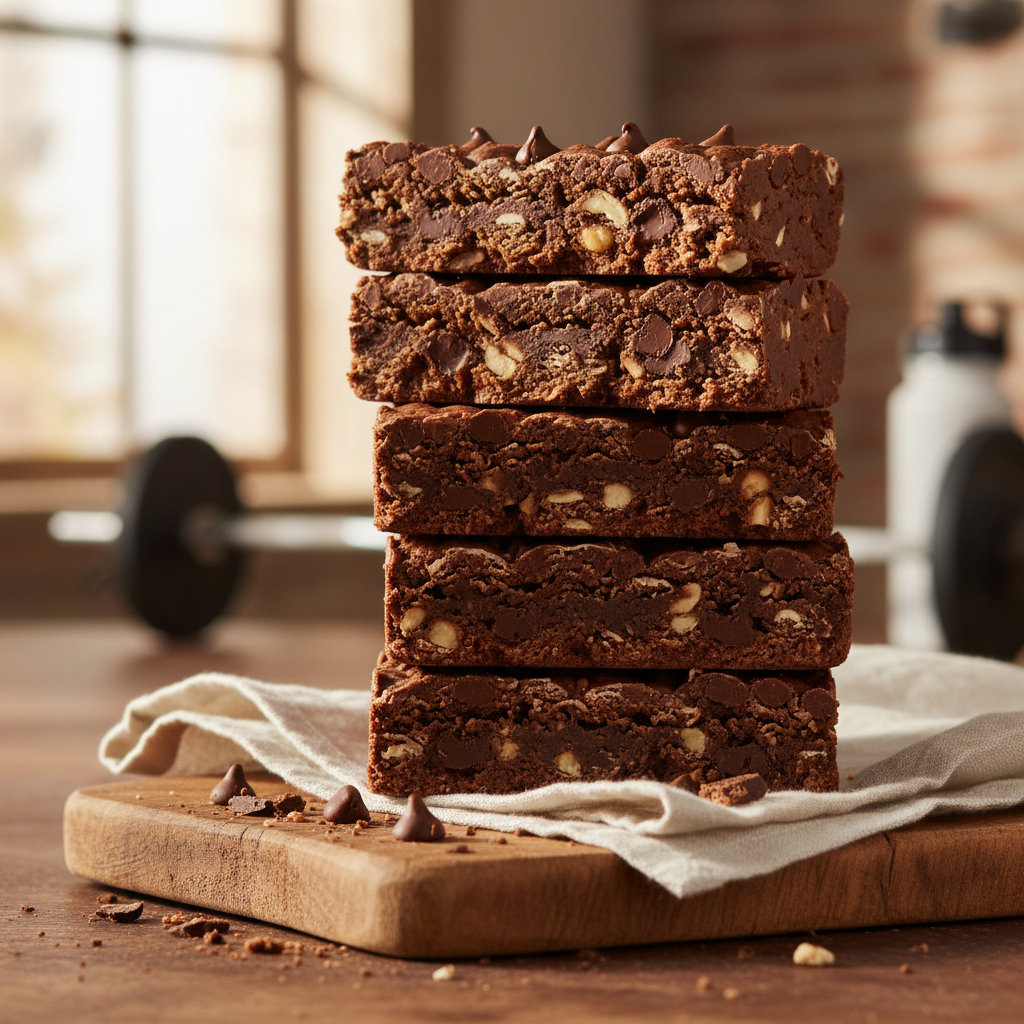
Protein Power Bars
Mixing the protein powder into cold liquid first, before adding anything else, is what keeps it from clumping into dry little balls throughout the batter.
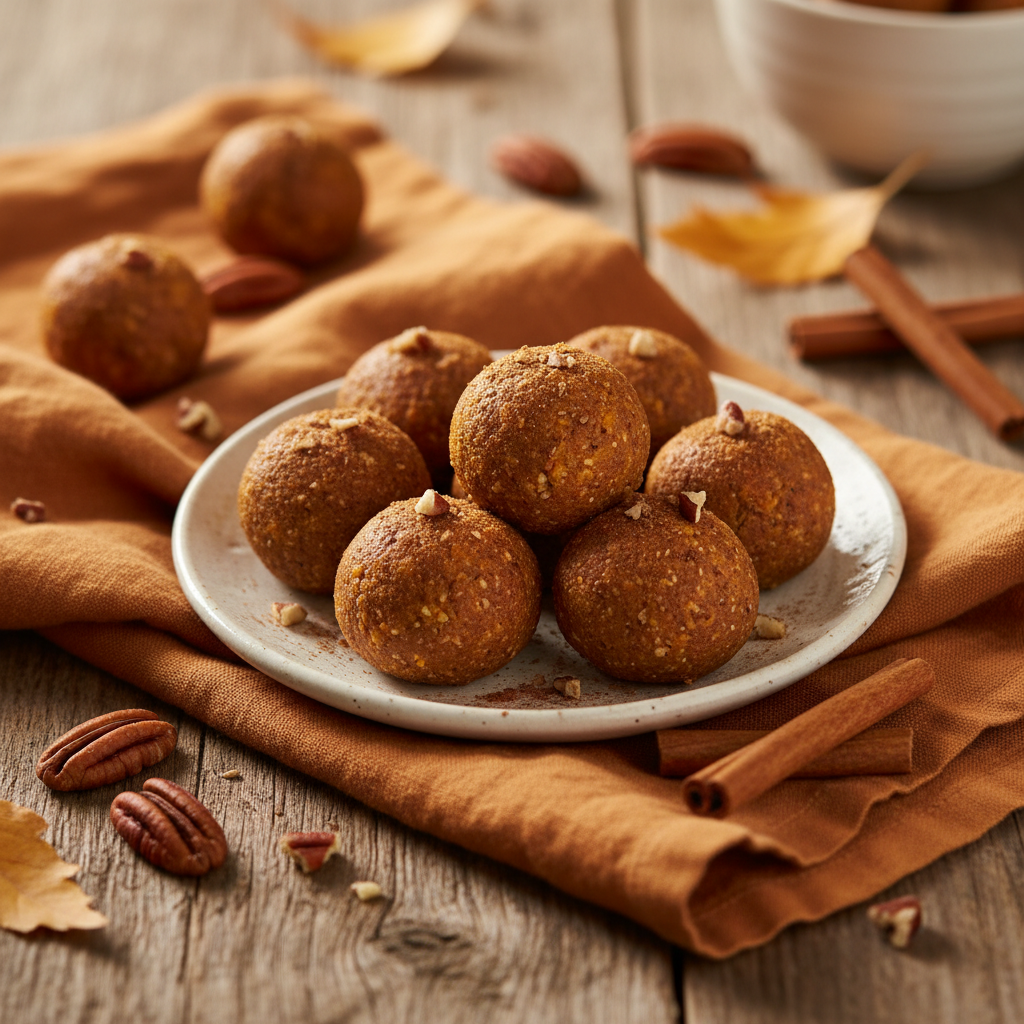
Pumpkin Spice Energy Bites
Blotting the canned pumpkin puree with a paper towel to remove excess water before mixing is what keeps these bites firm instead of falling apart mushy.
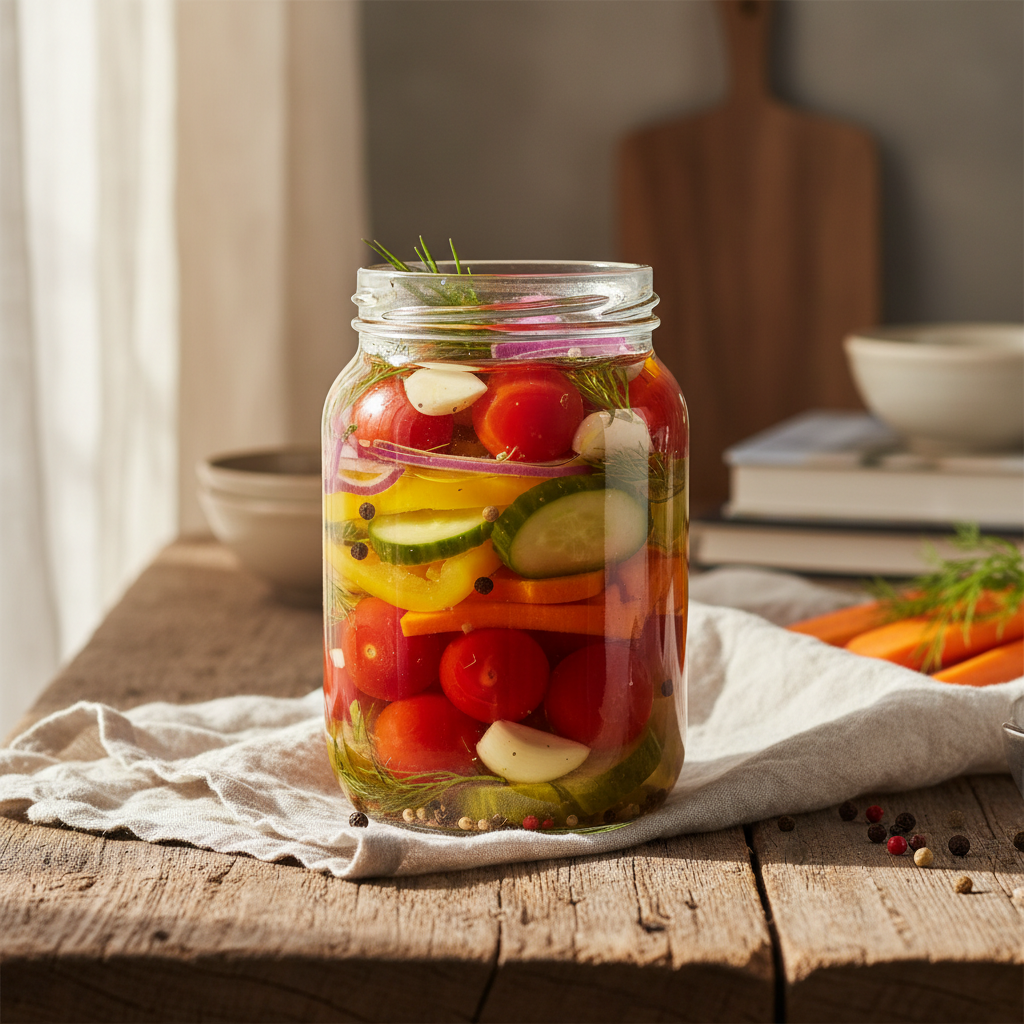
Quick-Pickled Vegetables
Pouring the hot brine directly over the raw vegetables, rather than letting it cool first, is what gives quick pickles their characteristic crunch-tender bite in just an hour instead of days.
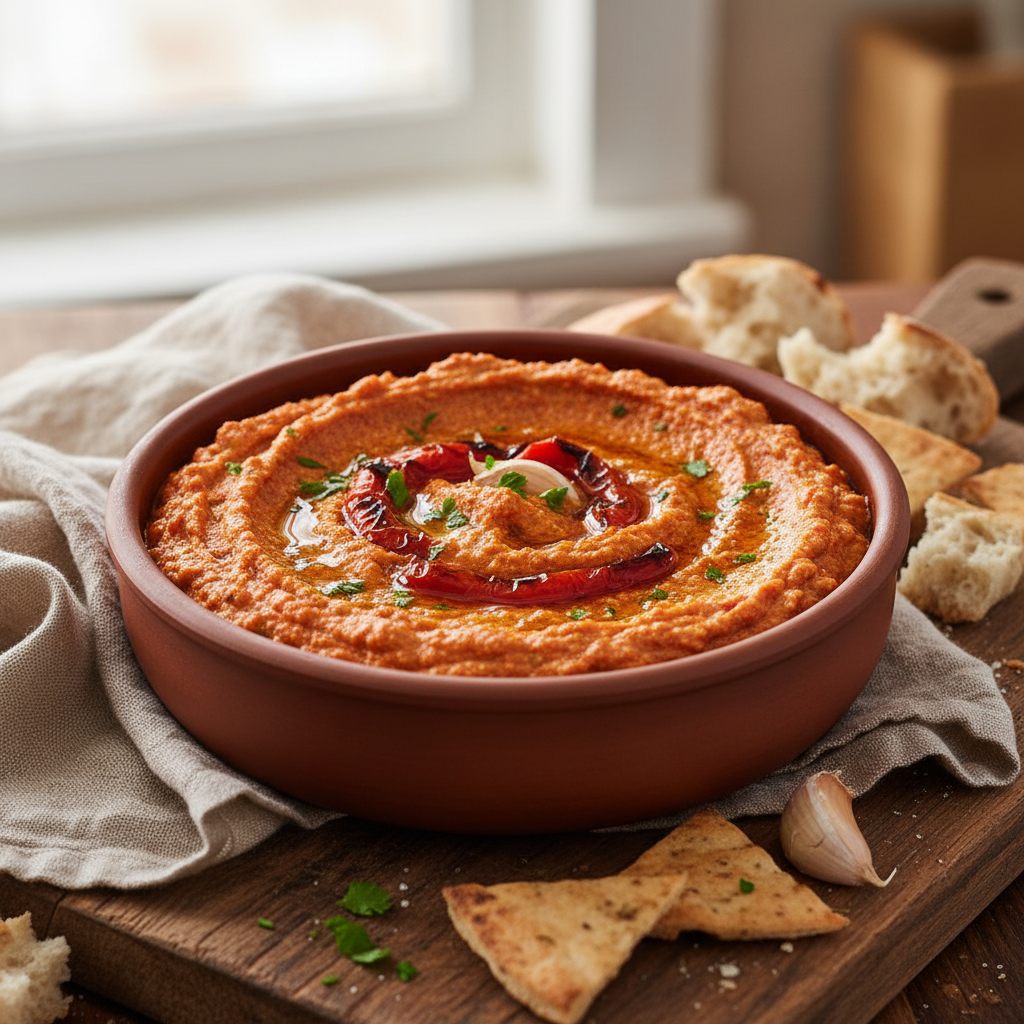
Roasted Red Pepper Dip
Steaming the charred peppers in a covered bowl for 10 minutes before peeling is what loosens the blackened skin so it slips off easily instead of clinging stubbornly.
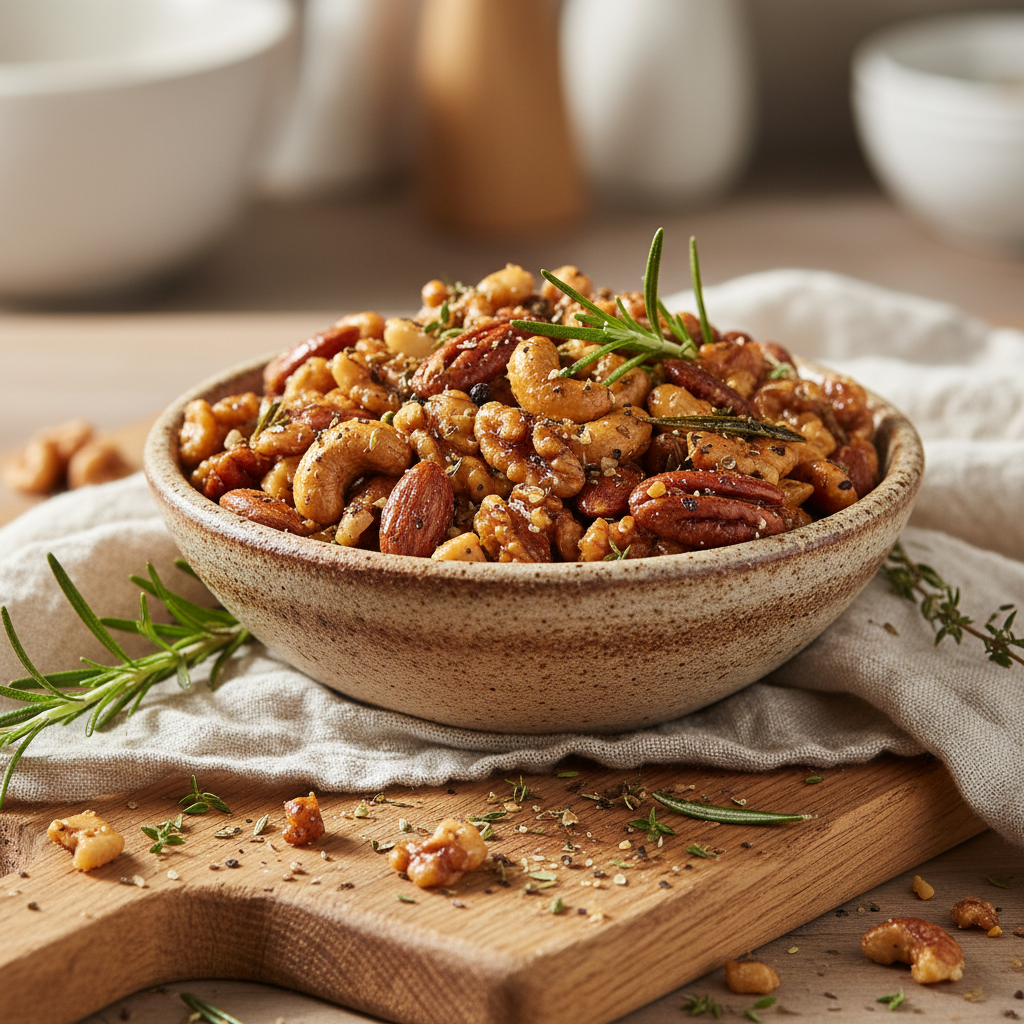
Rosemary Roasted Mixed Nuts
Brushing the nuts with a thin coat of whisked egg white before seasoning is what makes the herbs and salt actually stick, instead of falling to the bottom of the pan.
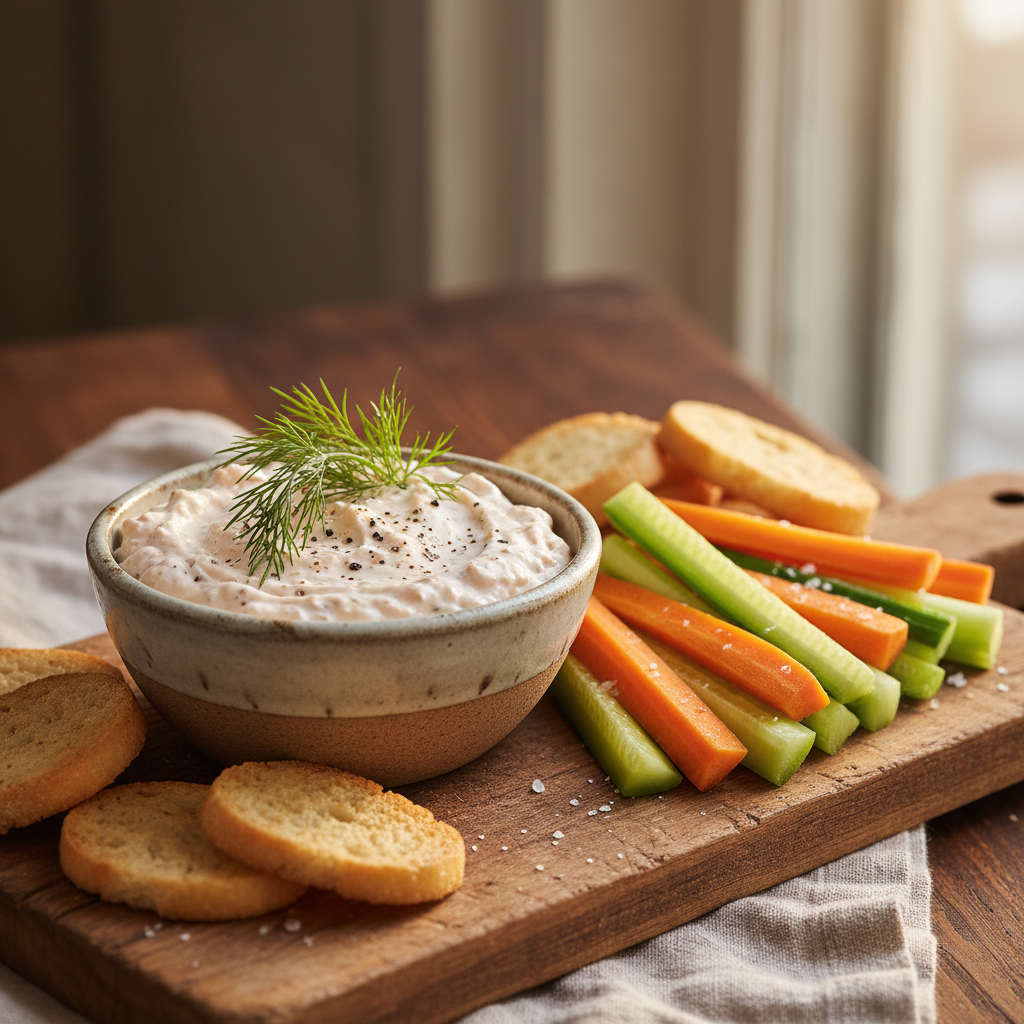
Smoked Salmon Dip (Dairy-Free)
Bringing the dairy-free cream cheese fully to room temperature before mixing is what lets it blend into a smooth dip instead of leaving stubborn cold lumps throughout.
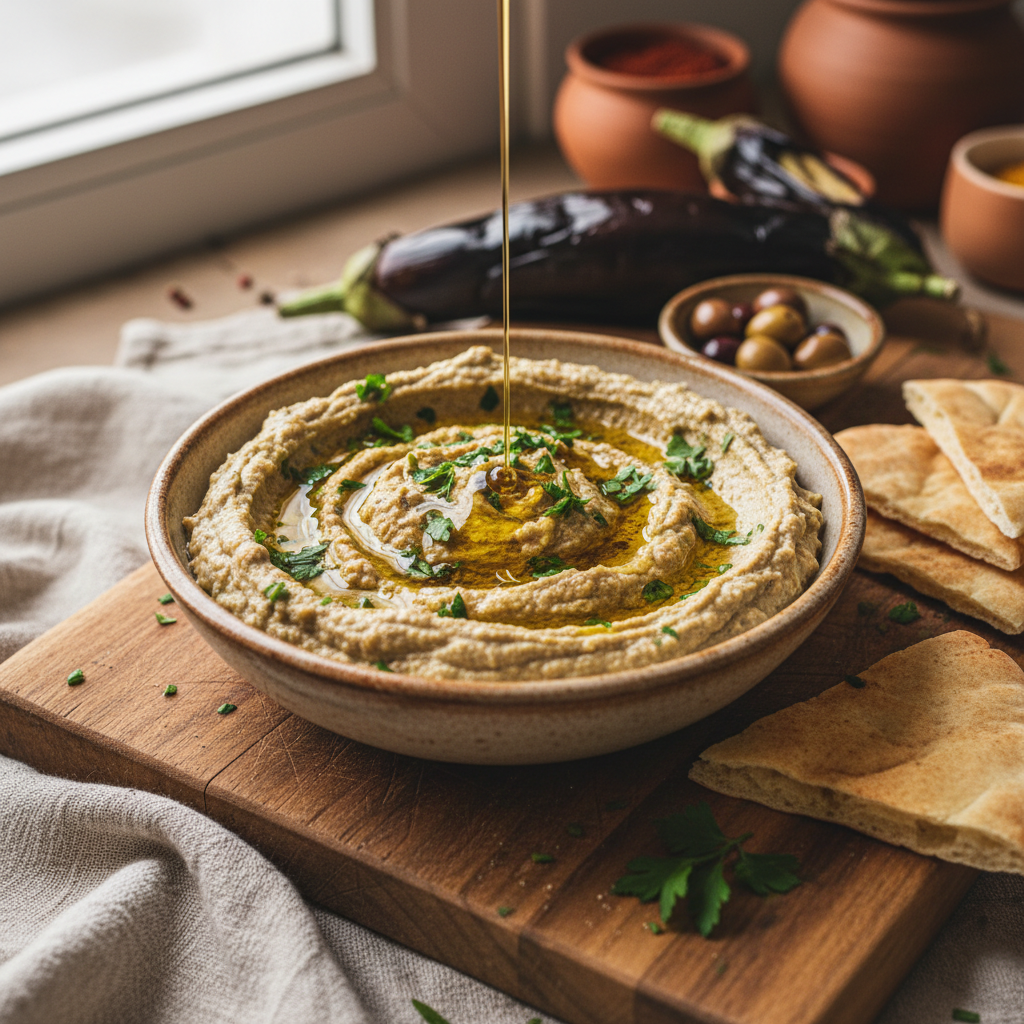
Smoky Baba Ganoush
Charring the eggplant directly over an open flame or under the broiler until the skin is fully blackened is what gives baba ganoush its signature smoky flavor — roasting alone in the oven never gets there.
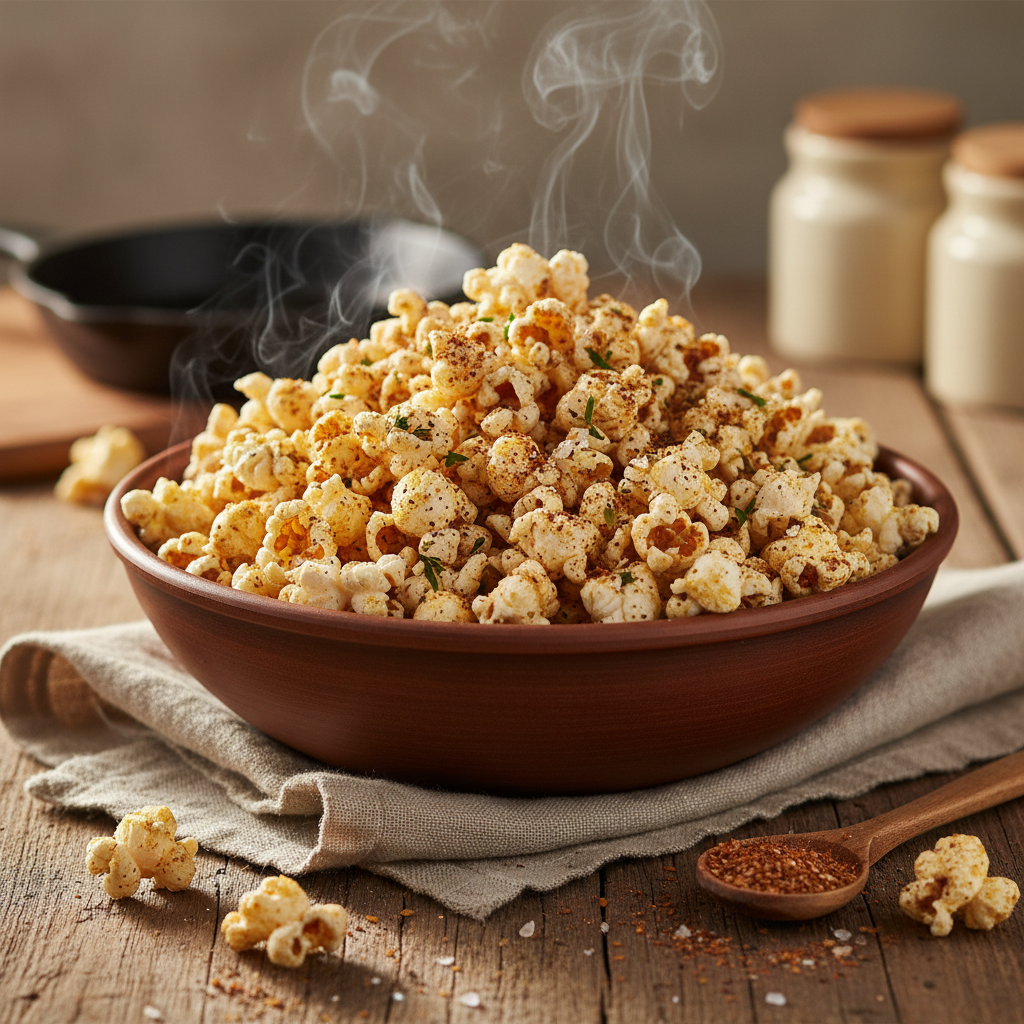
Smoky Spiced Popcorn
Tossing the seasoning onto the popcorn while it's still hot from the pot is what makes the spices actually stick, instead of just falling to the bottom of the bowl.
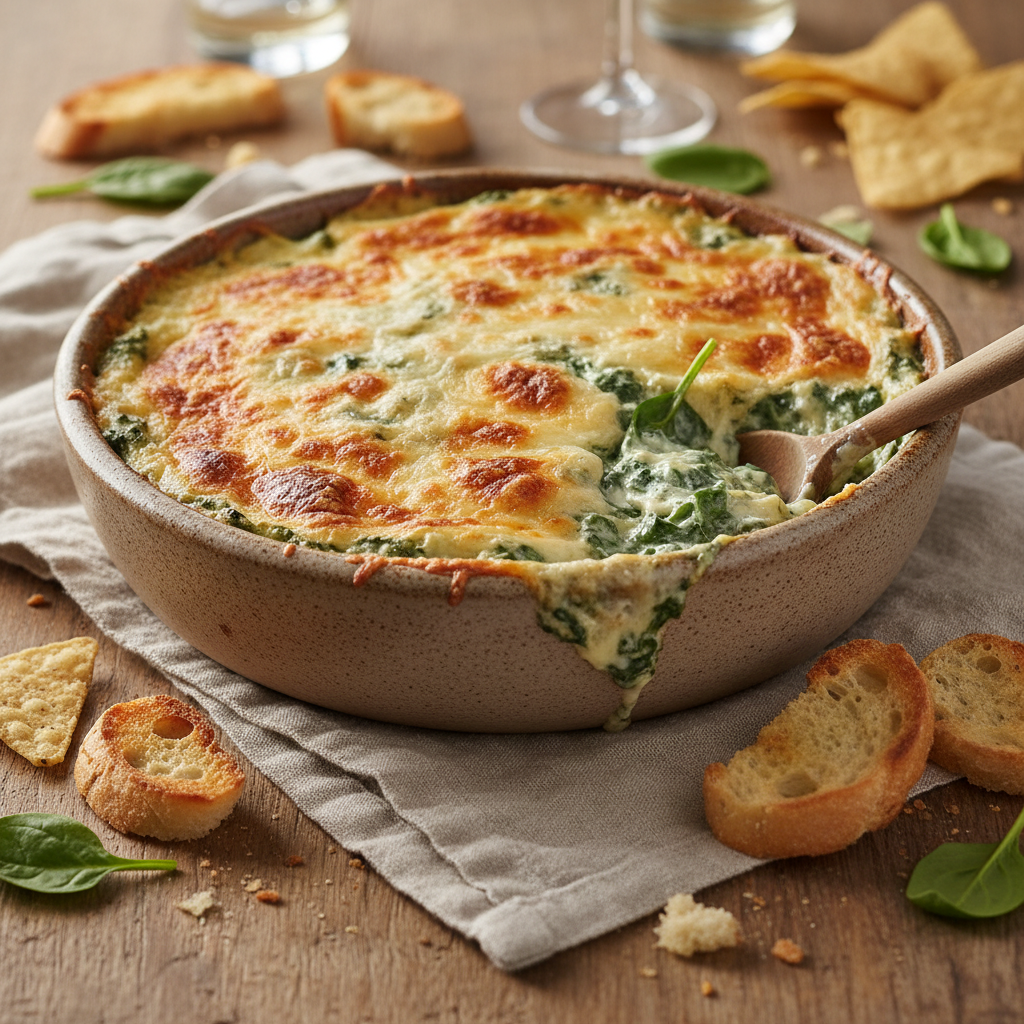
Spinach Artichoke Dip (Dairy-Free)
Squeezing every last drop of water out of thawed frozen spinach with your hands is what keeps this dip creamy and thick instead of turning into a watery, separated mess.
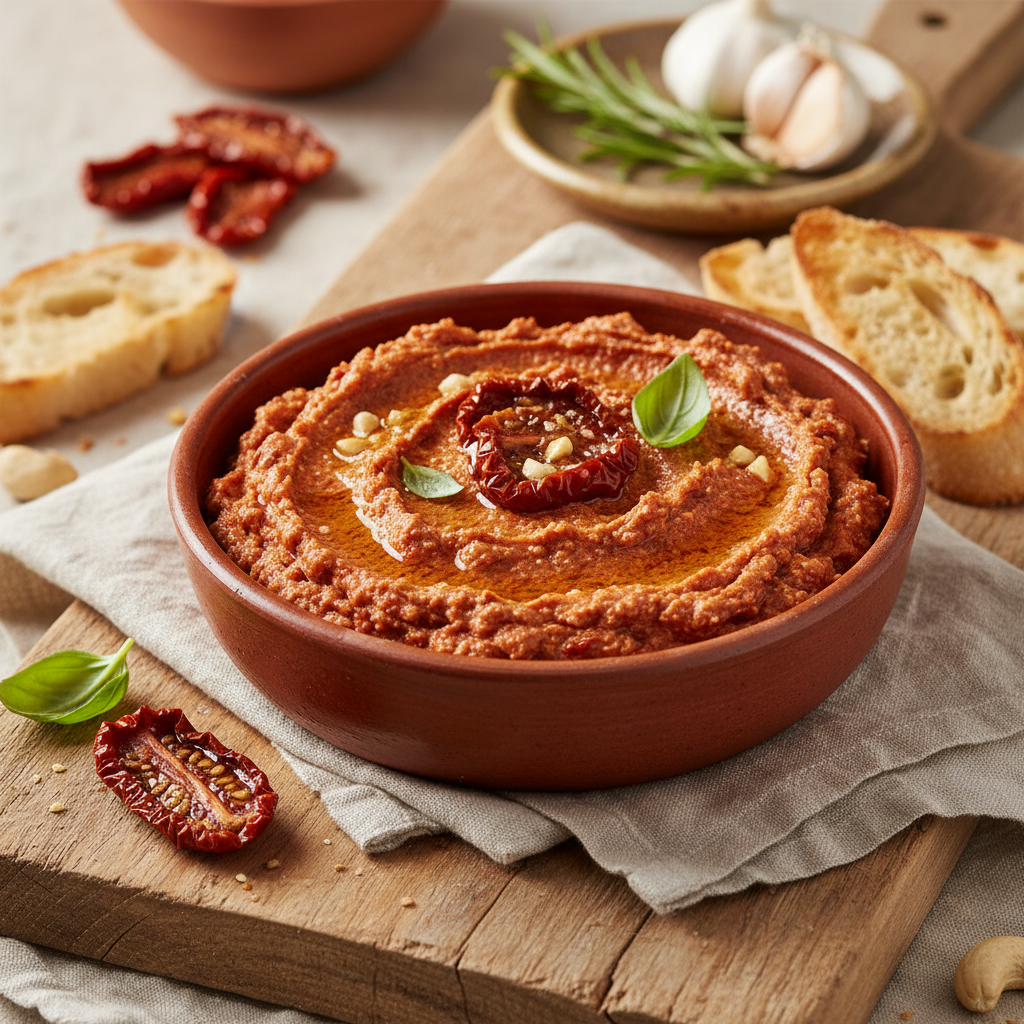
Sun-Dried Tomato Cashew Spread
Rehydrating dry-packed sun-dried tomatoes in warm water before blending is what lets them puree into a smooth spread instead of leaving tough, leathery bits throughout.
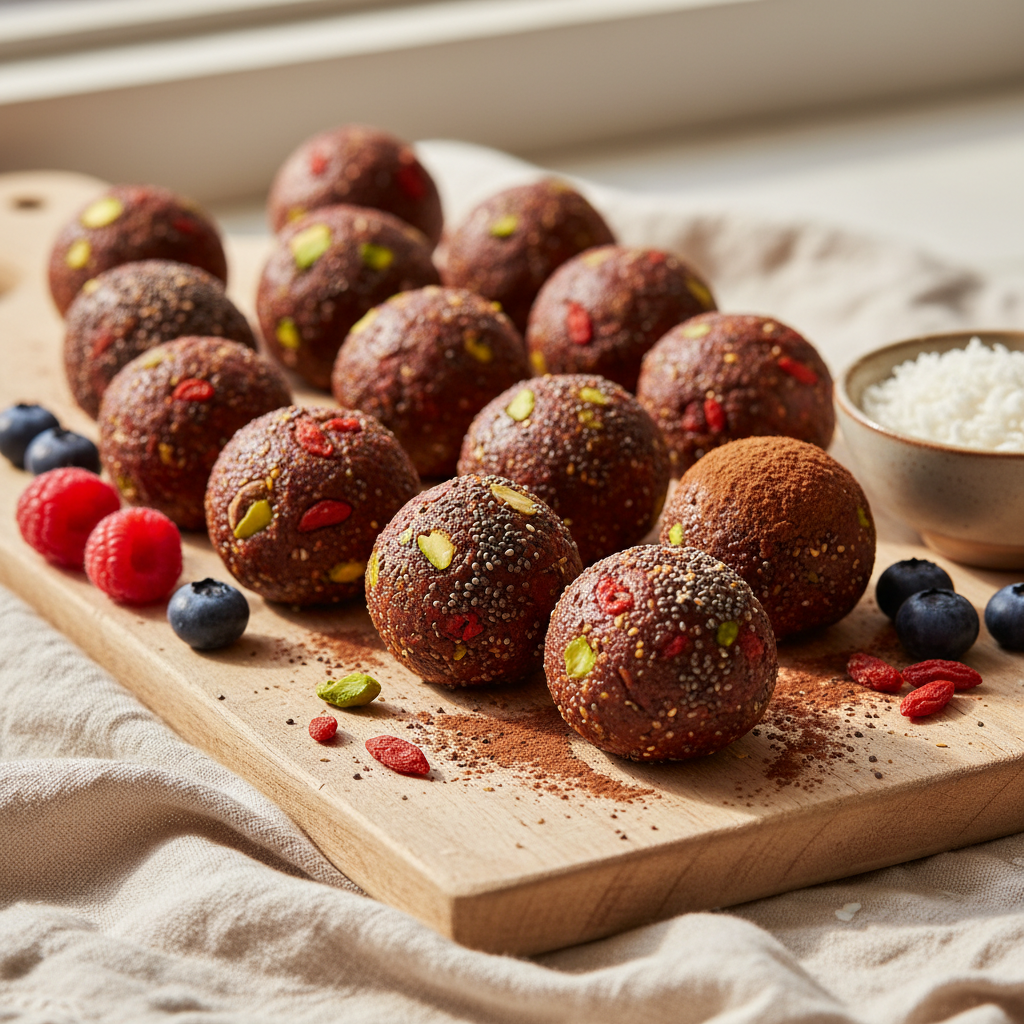
Superfood Goji Berry Bites
Soaking the dried goji berries in warm water for 10 minutes before blending softens them enough to break down smoothly instead of staying tough and chewy in the finished bites.
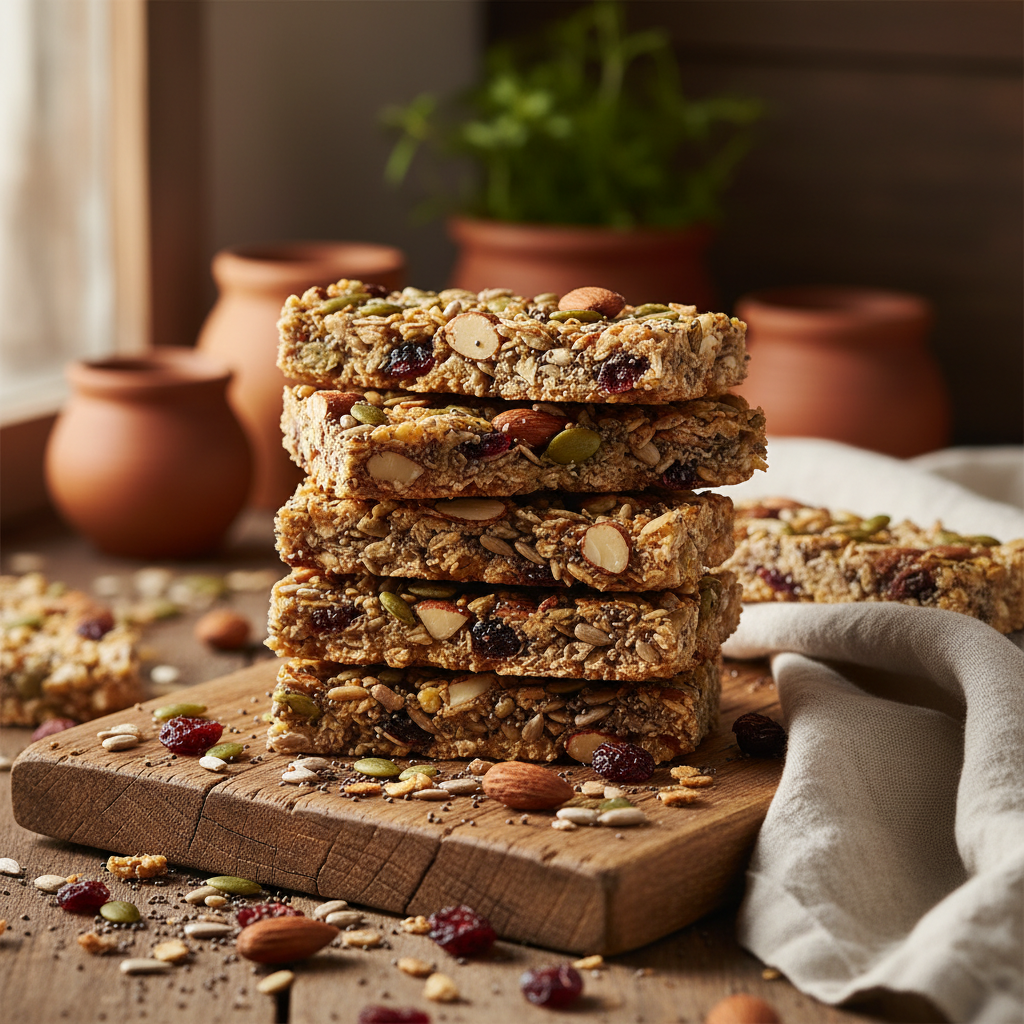
Trail Mix Energy Bars
Toasting the oats in a dry skillet before mixing them in gives the finished bars a deeper, nuttier flavor that raw oats straight from the container never develop.
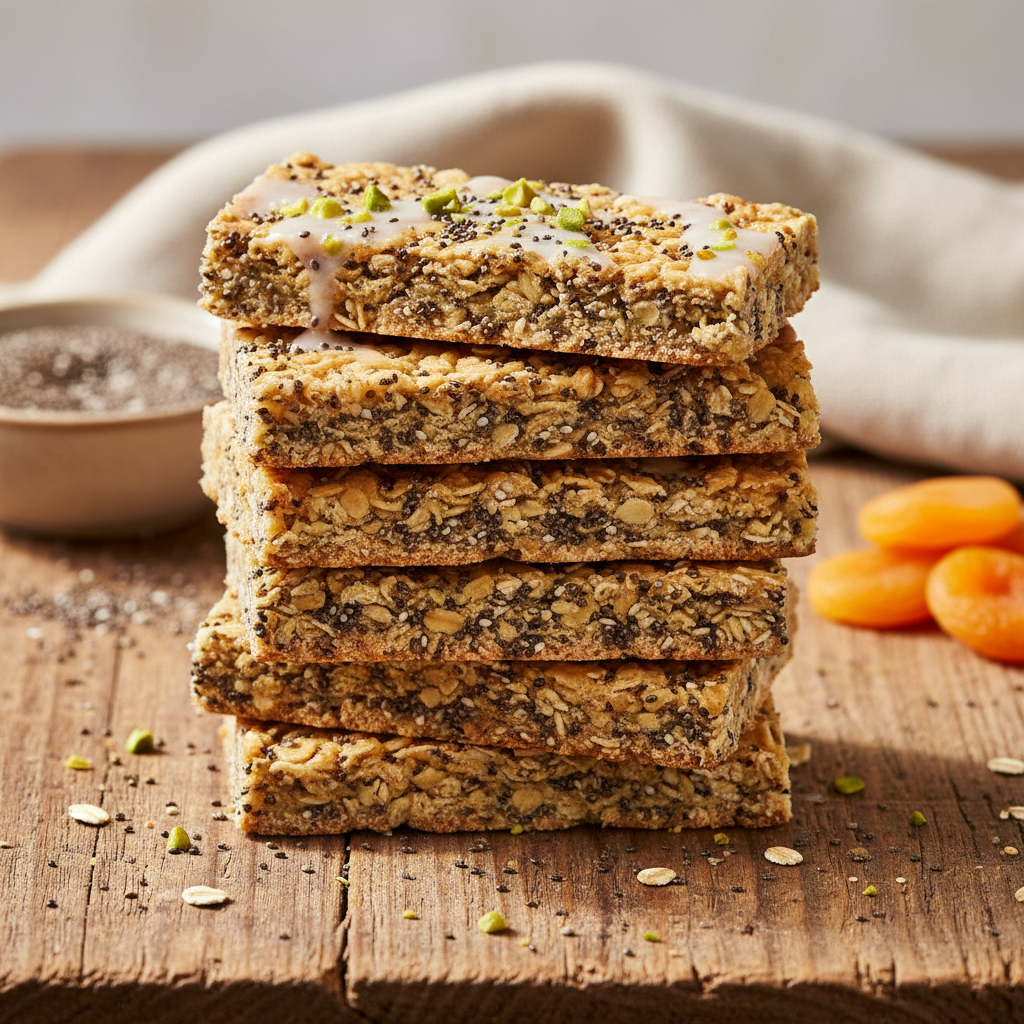
Vanilla Bean Chia Energy Bars
Pressing the mixture into the pan while it's still warm, right after cooking, is what lets the chia seeds bind the bars together as they cool and firm up.
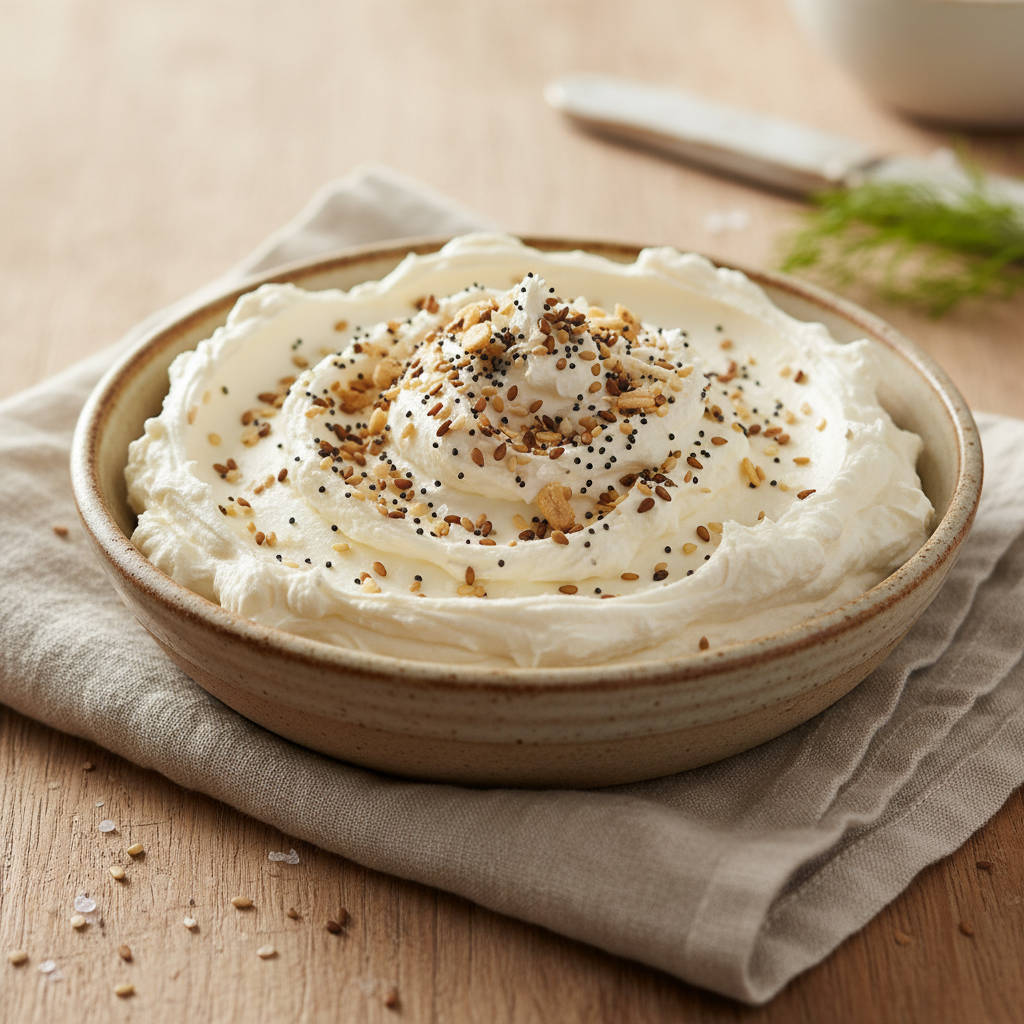
Whipped Everything Bagel Cream Cheese Spread (Dairy-Free)
Whipping the softened cream cheese with an electric mixer for a full 2 minutes, not just stirring it by hand, is what beats air into it for a lighter, fluffier spread instead of a dense, heavy one.
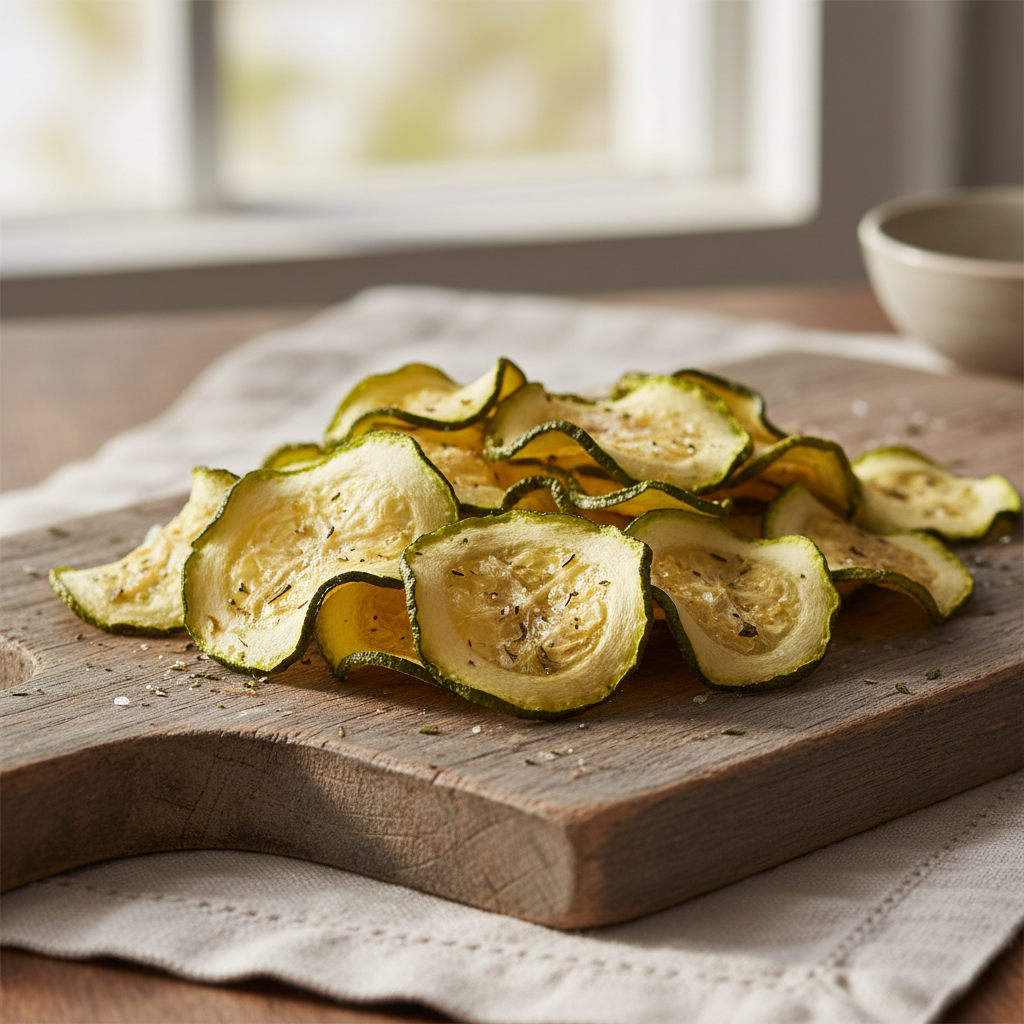
Zucchini Chips (Dehydrated)
Salting the zucchini slices and pressing out their moisture before baking is what lets them dehydrate into actual chips instead of steaming into soft, floppy rounds.